Nochiseyama Castle — Japan castle

Nochiseyama Castle

Nochiseyama Castle: Sengoku period yamashiro-style ruins in Fukui
Obama, Japan
Renaissance (15th–17th c.)
Ruins

Nochiseyama Castle (後瀬山城, Nochiseyama-jō) is a notable example of a Sengoku period yamashiro-style Japanese castle, situated in the present-day city of Obama in Fukui Prefecture, within the Hokuriku region of Honshu, Japan. Constructed in the 16th century, this castle reflects the turbulent era of feudal conflict and military innovation characteristic of the Sengoku period, a time when regional warlords vied for power across Japan.

Strategic location and castle type

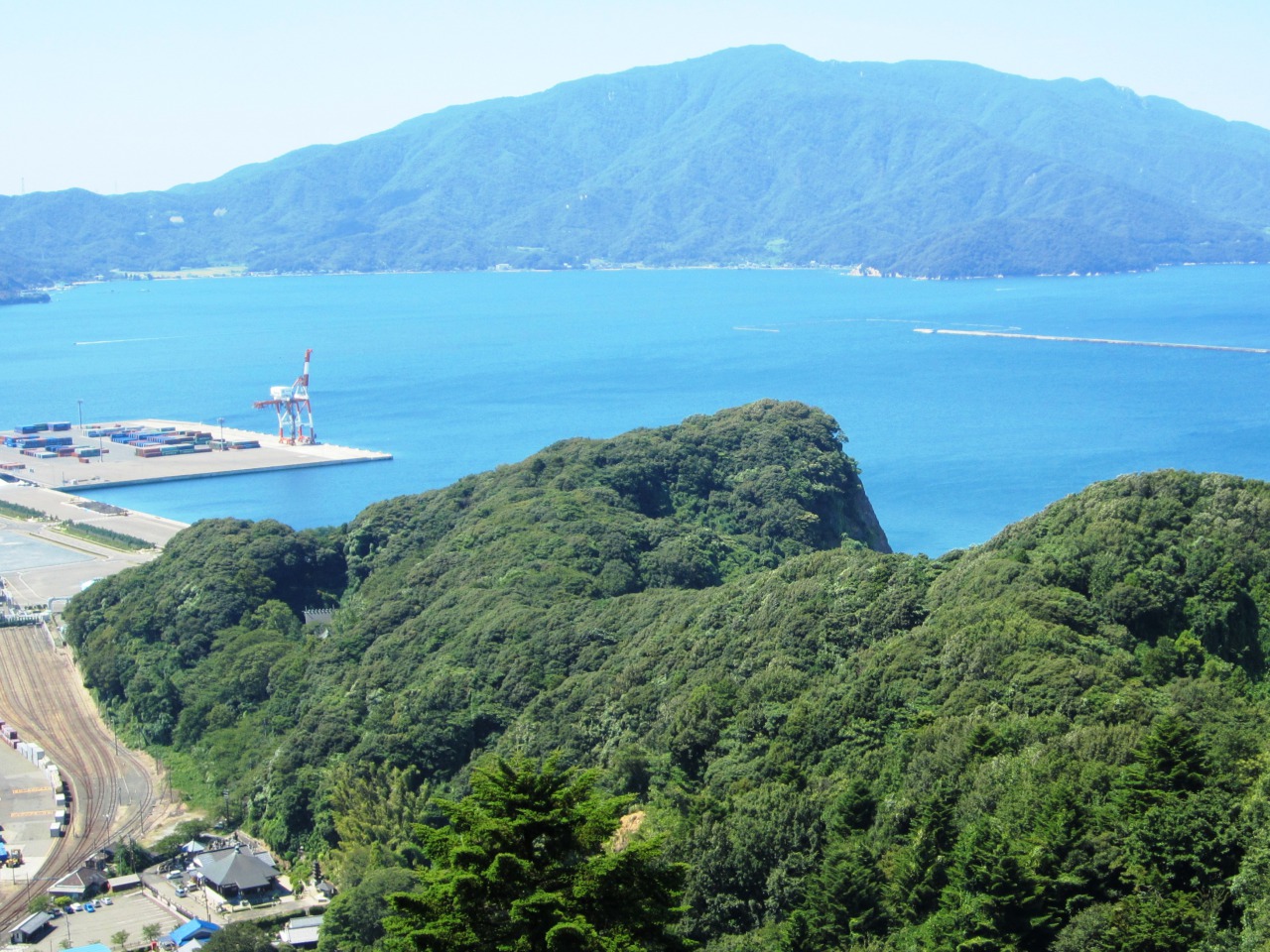
Nochiseyama Castle was classified as a yamashiro, or mountain castle, built to take advantage of natural topography for defense. Positioned on a mountain, the castle's design incorporated the rugged terrain to enhance its fortifications, a common feature in Japanese castles of this period. The elevated location provided commanding views over the surrounding landscape, allowing defenders to monitor approaching enemies and control important routes.

Architectural features and layout

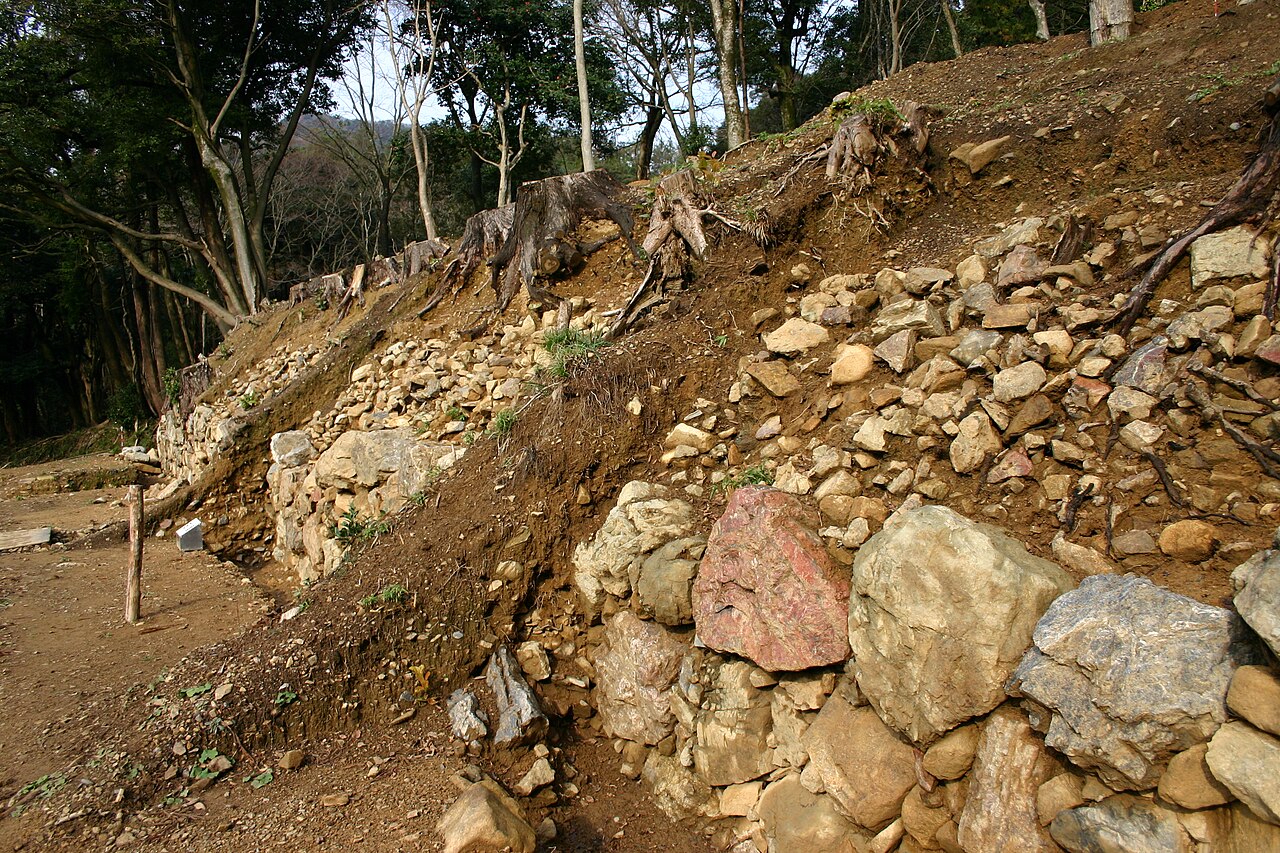
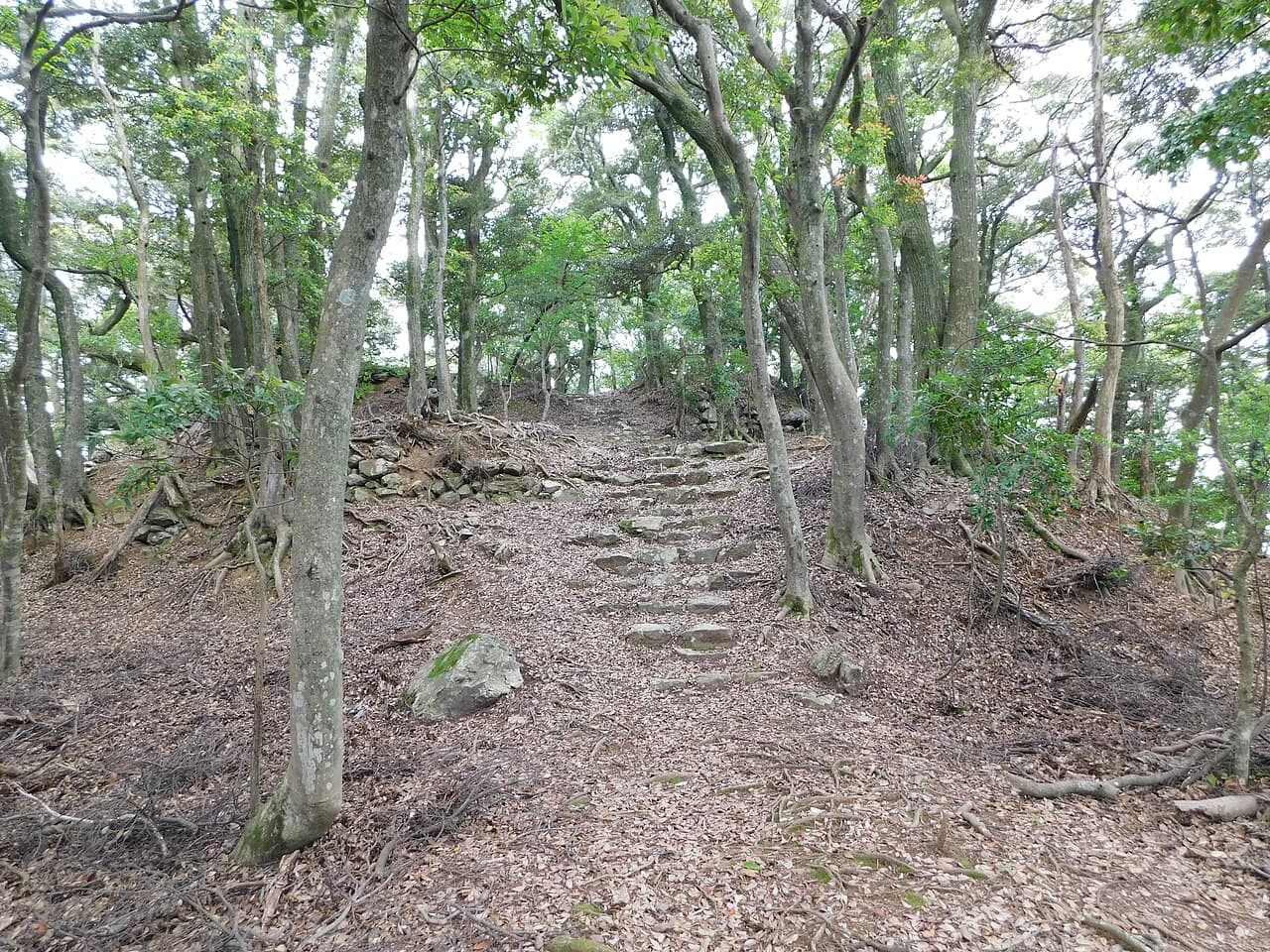
The castle's structure was typical of yamashiro-style fortifications, featuring a series of terraced baileys (courtyards) connected by narrow paths and steep slopes. Defensive walls and earthen embankments were constructed to protect the inner compounds. Stonework was used selectively, with wooden buildings occupying the baileys. The castle likely included multiple watchtowers and gates strategically placed to maximize defense and control access.

Defensive elements

Steep slopes and natural cliffs formed part of the castle's defenses, supplemented by man-made fortifications such as dry moats and earthen ramparts. These features made direct assaults difficult, forcing attackers to navigate challenging terrain under defensive fire. The layout was designed to delay and exhaust invading forces, typical of Sengoku period military architecture.

Historical context and significance

During the Sengoku period, Japan was fragmented into domains controlled by competing daimyo (feudal lords). Nochiseyama Castle served as a stronghold for local rulers in the region, playing a role in the power struggles that defined the era. Although detailed historical records of the castle's occupants and battles are limited, its construction in the 16th century places it squarely within this era of constant warfare and castle building.

Preservation and archaeological importance

Today, Nochiseyama Castle exists as ruins, with only remnants of its original structures and earthworks visible. The site has been designated a National Historic Site since 1997, recognizing its cultural and historical value. Archaeological excavations have helped to uncover the castle's layout and construction techniques, providing insight into Sengoku period fortification methods.

Visiting Nochiseyama Castle ruins

Visitors to the castle ruins can explore the terraced remains and enjoy panoramic views of the surrounding landscape. The site offers a glimpse into Japan's feudal past and the strategic importance of mountain castles. Signage and pathways guide visitors through the ruins, though much of the site remains natural and undeveloped, preserving the feeling of historical authenticity.

Frequently asked questions (FAQ)

How do I get to Nochiseyama Castle?
Nochiseyama Castle is located in Obama, Japan, and can be reached by public transportation or car. If you are taking the train, the nearest station is Obama Station, from where you can take a taxi or a local bus to the castle. The scenic route offers beautiful views of the surrounding landscape, enhancing your visit.
What is the historical significance of Nochiseyama Castle?
Nochiseyama Castle, built during the 16th century, played a crucial role in the region's feudal history. It served as a strategic stronghold for local samurai clans during the turbulent Sengoku period. Today, it stands as a testament to Japan's rich cultural heritage and offers insights into ancient military architecture.
When was Nochiseyama Castle constructed?
Construction of Nochiseyama Castle began in 1582 under the direction of the lords of the area. The castle was completed shortly thereafter and was used as a military fortress until the end of the Edo period. Its historical significance has made it an important site for both education and tourism.
Can I visit Nochiseyama Castle year-round?
Yes, Nochiseyama Castle is open to visitors throughout the year, allowing you to explore its grounds and enjoy the stunning views. However, it's important to check the local weather and any seasonal events that might affect your visit. The best experience is often during spring when cherry blossoms bloom around the castle.
Why is Nochiseyama Castle popular among tourists?
Nochiseyama Castle attracts tourists due to its rich history, beautiful architecture, and stunning natural surroundings. Visitors can enjoy exploring the castle ruins, taking in panoramic views of Obama Bay, and learning about the history of the samurai. It is also a perfect spot for photography enthusiasts.
Is it possible to go inside the castle?
Unfortunately, visitors cannot enter the main structures of Nochiseyama Castle, as it is primarily in ruins. However, the surrounding area is well-preserved and offers various viewpoints and walking paths. Guided tours are available, providing insights into the castle's history and architecture.
What are the opening hours for Nochiseyama Castle?
Nochiseyama Castle is generally open from 9 AM to 5 PM, allowing ample time for exploration. It is advisable to check for seasonal variations in opening hours, especially during holidays or local festivals. Plan your visit accordingly to make the most of your time there.
Are there any nearby attractions to visit after exploring the castle?
Yes, there are several attractions near Nochiseyama Castle, including Obama Onsen, a relaxing hot spring area, and the scenic Obama Bay. Additionally, the town of Obama is known for its seafood and local markets, making it a great place to enjoy authentic Japanese cuisine after your visit. Don't forget to explore the charming streets filled with traditional shops.
What are the ticket prices for visiting Nochiseyama Castle?
Visiting Nochiseyama Castle is free of charge, allowing everyone to enjoy this historical site without any cost. However, some guided tours or special events may have fees associated with them. It's a great opportunity for budget-conscious travelers to experience Japan's rich history.

Photo gallery

Nochiseyama Castle
Click to view

Photo by TR15336300101•CC BY-SA 4.0

1 photo • Click any image to view in full screen

Information

Archaeological Site / Ruins

Current owner

National government

Loading map...

Visitor reviews

No reviews yet. Been here? Write the first review and help other travelers!

Write the first review

Visited this castle? Share your experience

Your review helps other travelers and adds first-hand knowledge to our encyclopedia.
Write a review

(5/5)

0/2000 characters

Your review will be visible after admin approval

Nearby castles

1.9 km
Obama Castle (Wakasa Province) — Japan castle

Obama Castle (Wakasa Province)

Obama, Japan

Obama Castle (小浜城, Obama-jō) is a historically significant hill castle located in the city of Obama, within Fukui Prefecture, Japan. Constructed in the 17th century during the early Edo period, it was the administrative center for a junior branch of the Sakai clan, who ruled the Obama Domain under the authority of the Tokugawa shogunate. The castle is also known by the alternative name Unpin Castle (雲浜城, Unpin-jō), reflecting its coastal location and strategic maritime significance. Historical context and significance Obama Castle was built in a period when Japan was stabilizing under the Tokugawa regime, which lasted from 1603 to 1868. The castle served as the seat of power for the Sakai clan, who were entrusted with governing the Obama Domain. The domain was an important feudal territory in the Wakasa Province, a region facing the Sea of Japan, which made the castle crucial for overseeing maritime trade and coastal defense. Throughout the Edo period, the castle functioned not only as a military stronghold but also as a political and administrative center. The Sakai clan maintained control of the domain for several generations, overseeing local governance, taxation, and defense. The castle's location near the sea facilitated communication and transport, enhancing the domain's economic activities. Architectural features and design As a hill castle, Obama Castle was constructed on elevated terrain, providing natural defensive advantages. The castle's design incorporated traditional Japanese fortification elements typical of the early Edo period. It featured multiple baileys (kuruwa) arranged in tiers ascending the hill, connected by gates and walls. The castle complex included a main keep (tenshu), although historical records suggest it was relatively modest compared to larger castles of the era. Defensive features such as stone walls (ishigaki), moats, and earthen ramparts were integrated to protect against potential attacks. The proximity to the sea allowed for a seaside-style castle layout, which blended natural coastal defenses with man-made fortifications. The castle grounds contained administrative buildings, residences for the daimyo and retainers, storehouses, and other facilities necessary for domain governance. The layout balanced military functionality with the needs of daily administration and residence. Role during the Edo period During the Edo period, Obama Castle was a hub of political power for the Sakai clan. The clan's role as hereditary daimyo meant they were responsible for maintaining order, collecting taxes, and managing relations with neighboring domains and the central shogunate. The castle was a symbol of their authority and status. While the castle was primarily a political and administrative center, it also retained military importance. The strategic coastal location allowed the domain to monitor maritime routes and guard against potential incursions from the Sea of Japan. The castle's defenses were maintained accordingly, although Japan's long peace during the Edo period meant that it saw little military action. Later history and current status Following the Meiji Restoration in 1868, which led to the abolition of the feudal domain system, Obama Castle was decommissioned. Many of its structures were dismantled or fell into disrepair as the new government sought to modernize Japan and reduce the power of former feudal lords. Today, the site of Obama Castle is recognized for its historical value. While much of the original castle has not survived intact, archaeological remains and reconstructed elements provide insight into its past. The castle grounds are accessible to visitors and serve as a cultural heritage site that commemorates the history of the Sakai clan and the Edo period governance of the Wakasa Province. Visiting Obama Castle Visitors to Obama Castle can explore the castle grounds, which offer views of the surrounding city and coastline. Interpretive signage and displays provide historical context about the castle's construction, architecture, and role in Japanese history. The site is a destination for those interested in feudal Japan, castle architecture, and regional history.

Post-Renaissance (17th–18th c.)
Details
24.8 km
Kuniyoshi Castle — Japan castle

Kuniyoshi Castle

, Japan

Kuniyoshi Castle (Kuniyoshi-jō) is a notable 16th-century Japanese castle located in Fukui Prefecture, Japan. Though now in ruins, the castle remains an important archaeological site that offers insight into the military architecture and feudal history of the region during Japan's turbulent Sengoku period. Historical context and significance Constructed in the 16th century, Kuniyoshi Castle was built during a time marked by intense military conflicts among regional warlords. This era, often referred to as the Sengoku period or "Warring States period," saw many castles erected across Japan to serve as strategic military bases and administrative centers. Kuniyoshi Castle played a role in the defense and control of the surrounding territory within Fukui Prefecture. The castle's location in Fukui Prefecture situates it in a region historically contested by powerful clans. Although specific historical records about the castle's builders and occupants are limited, its remains contribute valuable information about the feudal governance and military strategies employed in this part of Japan. Architectural features and layout As a Japanese castle of the 16th century, Kuniyoshi Castle would have incorporated typical defensive features of the period, such as stone walls, earthen ramparts, and possibly a moat to deter attackers. The castle's design likely included a main keep (tenshu) or central tower, baileys (courtyards), and various gates strategically positioned to control access. Although much of the original structure no longer stands, archaeological excavations have revealed foundation stones and remnants of fortifications that help reconstruct the castle's original layout. These findings are crucial for understanding the castle's defensive capabilities and architectural style. Current condition and archaeological importance Today, Kuniyoshi Castle is classified as archaeological ruins. The site preserves the remains of the castle's foundations and defensive earthworks, providing a tangible connection to Japan's feudal past. The ruins are protected and studied to uncover further details about the castle's construction techniques and historical usage. Visitors to the site can explore the grounds where the castle once stood, gaining an appreciation for traditional Japanese castle architecture and the strategic considerations of Sengoku-period fortifications. Interpretive signage and local museums may offer additional context about the castle's role in regional history. Visiting Kuniyoshi Castle While the castle is in ruins, the site is accessible to the public and offers a quiet setting for those interested in Japanese history and archaeology. The surrounding landscape provides scenic views typical of Fukui Prefecture, enhancing the visitor experience. Visitors should prepare for a modest hike or walk, as the castle ruins are often situated on elevated terrain to maximize defensive advantage. There are no extensive facilities on-site, so planning ahead for amenities is advisable. Preservation and cultural heritage Kuniyoshi Castle's ruins are an important cultural asset for Fukui Prefecture. Efforts to preserve the site focus on maintaining the integrity of the remaining earthworks and stone foundations. The castle is recognized as part of Japan's extensive network of historical castles that reflect the country's feudal era and architectural evolution. Continued archaeological research at Kuniyoshi Castle contributes to a broader understanding of regional differences in castle construction and the historical dynamics of the Sengoku period.

Renaissance (15th–17th c.)
Details
36.2 km
Kanegasaki Castle — Japan castle

Kanegasaki Castle

, Japan

Kanegasaki Castle (金ヶ崎城, Kanegasaki-jō) stands as a significant example of a yamashiro-style Japanese castle from the Kamakura to Nanboku-cho periods, located in the present-day city of Tsuruga, Fukui Prefecture, in the Hokuriku region of Honshu, Japan. This castle, also historically known as Tsuruga Castle, played a notable role during turbulent times in medieval Japan. The site has been protected as a National Historic Site since 1934, preserving its cultural and historical value despite its current state as ruins.Historical context and significanceKanegasaki Castle was constructed during the Kamakura period (1185–1333) and continued to be used into the Nanboku-cho period (1336–1392), a time marked by conflict between the Northern and Southern Courts of Japan. The castle's strategic location in the Hokuriku region made it important for controlling local territories and trade routes along the Sea of Japan coast. It was involved in military actions during the Nanboku-cho conflicts, which were characterized by shifting alliances and battles for control over the imperial throne.Architectural features and castle styleKanegasaki Castle exemplifies the yamashiro or mountain castle style, which utilized the natural topography for defense. Built on a hill, the castle's design incorporated steep slopes and wooded terrain to create natural barriers against attackers. The fortifications likely included earthen walls, wooden palisades, and dry moats shaped to follow the contours of the hill. The layout would have consisted of multiple baileys arranged in terraces, connected by narrow paths and gates, maximizing defensibility.Unlike later stone castles, Kanegasaki relied heavily on natural and earthworks defenses, typical of early medieval Japanese fortifications. The castle's structures were primarily made from wood, which has not survived, leaving only traces of foundations and earthworks visible today.Defensive advantages of the siteThe castle's position on elevated terrain allowed for extensive views over the surrounding plains and the Sea of Japan, providing early warning of approaching forces. The rugged landscape limited the directions from which attackers could approach, funneling them into narrow, easily defended paths. This use of geography was a hallmark of yamashiro castles, combining natural and man-made defenses.Historical events and military engagementsKanegasaki Castle was notably involved in the Siege of Kanegasaki in 1337 during the Nanboku-cho period. The castle was defended by loyalists of the Southern Court against forces of the Northern Court. The siege was a significant episode in the struggle between the rival imperial factions, illustrating the castle's military importance. Despite the defenders' valiant efforts, the castle eventually fell, marking a turning point in the regional power dynamics.The castle's history reflects the broader conflicts of medieval Japan, including the rise and fall of samurai clans and the shifting control of territories. Its ruins serve as a testament to the era's warfare and political instability.Preservation and archaeological significanceToday, Kanegasaki Castle exists as archaeological ruins with remnants of its earthworks and defensive structures. The site has been the focus of archaeological studies that have helped to reconstruct its layout and understand its role in Japanese castle development. The preservation as a National Historic Site ensures protection from modern development and promotes historical education.Visitors to the site can explore the remains of the castle's fortifications and enjoy panoramic views of the surrounding landscape. Interpretive signage and local museums provide context about the castle's history and significance in the Kamakura and Nanboku-cho periods.Kanegasaki castle in cultural memoryWhile not as architecturally grand as later Japanese castles built in stone, Kanegasaki Castle holds cultural importance as a symbol of medieval military architecture and the turbulent history of the Nanboku-cho period. Its ruins inspire interest in Japan's feudal past and the evolution of castle construction techniques from simple earthworks to complex stone fortresses.

Details