Nirayama Castle
Nirayama Castle (韮山城, Nirayama-jō) was a hilltop Japanese castle located in the Nirayama neighborhood of what is now the city of Izunokuni in Shizuoka Prefecture, within the Tōkai region of Japan. Built in the 15th century during the late Muromachi period, the castle played a strategic role through the transition into the Azuchi-Momoyama period, a time of significant political upheaval and military conflict in Japan.
Historical context and significance
The late medieval period in Japan was marked by the rise of regional warlords and the proliferation of castles built to secure territories and assert dominance. Nirayama Castle was constructed as a hill castle, strategically positioned to oversee the surrounding plains and control important routes in the region. Its location in Shizuoka Prefecture placed it within a key area of influence during the turbulent era of samurai warfare.
The castle was associated with the Hōjō clan, a powerful samurai family that controlled much of the Kantō region during the Sengoku period. The Hōjō used Nirayama Castle as a defensive stronghold to protect their southern borders and to monitor the movements of rival clans. The castle's role diminished following the unification efforts under Oda Nobunaga and Toyotomi Hideyoshi, leading to its eventual abandonment.
Architectural features and layout
As a typical hilltop castle (yamajiro), Nirayama Castle utilized the natural terrain to enhance its defenses. The castle was built on a steep hill, allowing for commanding views of the surrounding landscape and making direct assaults difficult for attackers. The layout likely included multiple baileys (courtyards) arranged along the hill's slopes, connected by narrow paths and fortified gates.
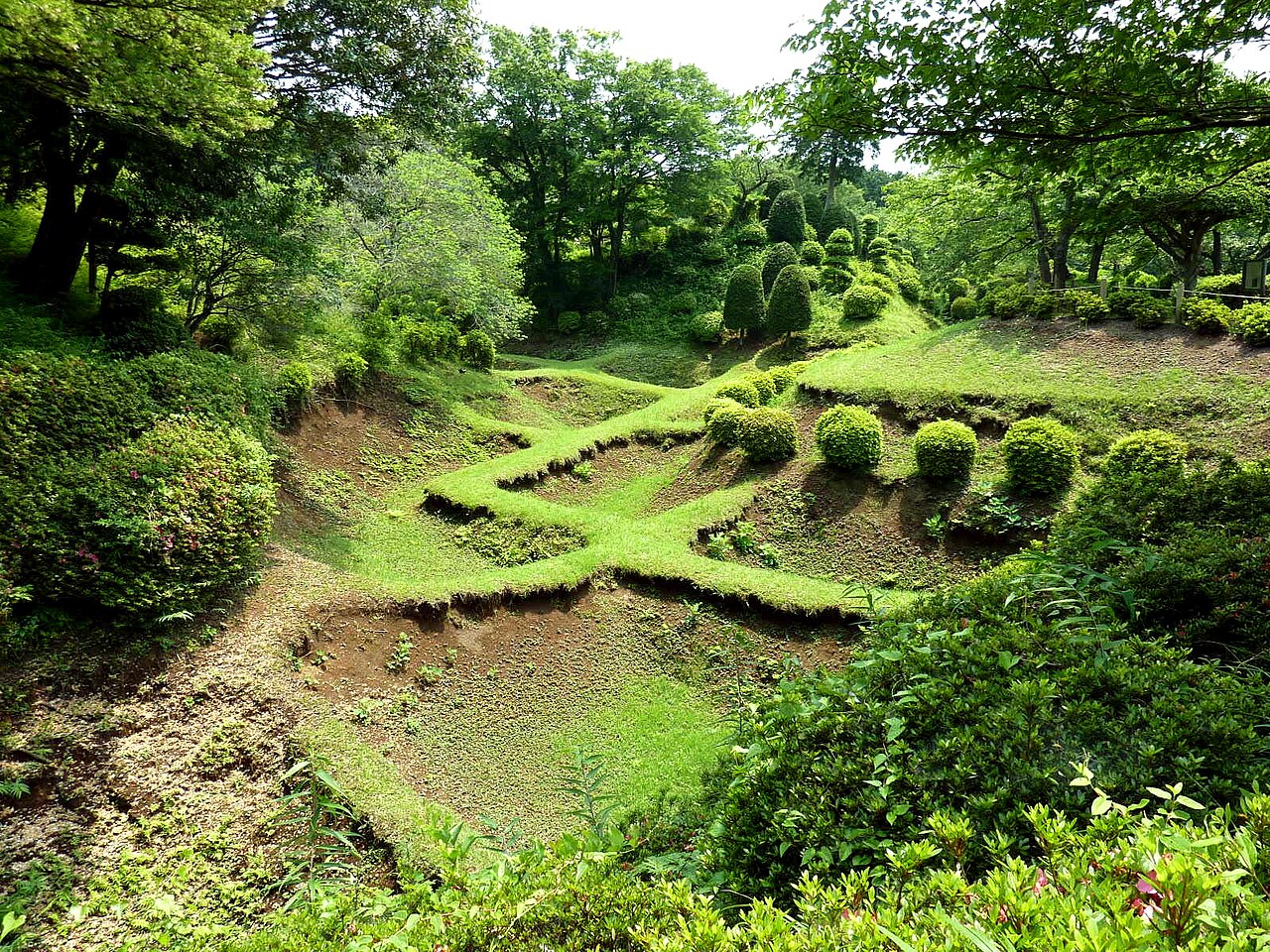
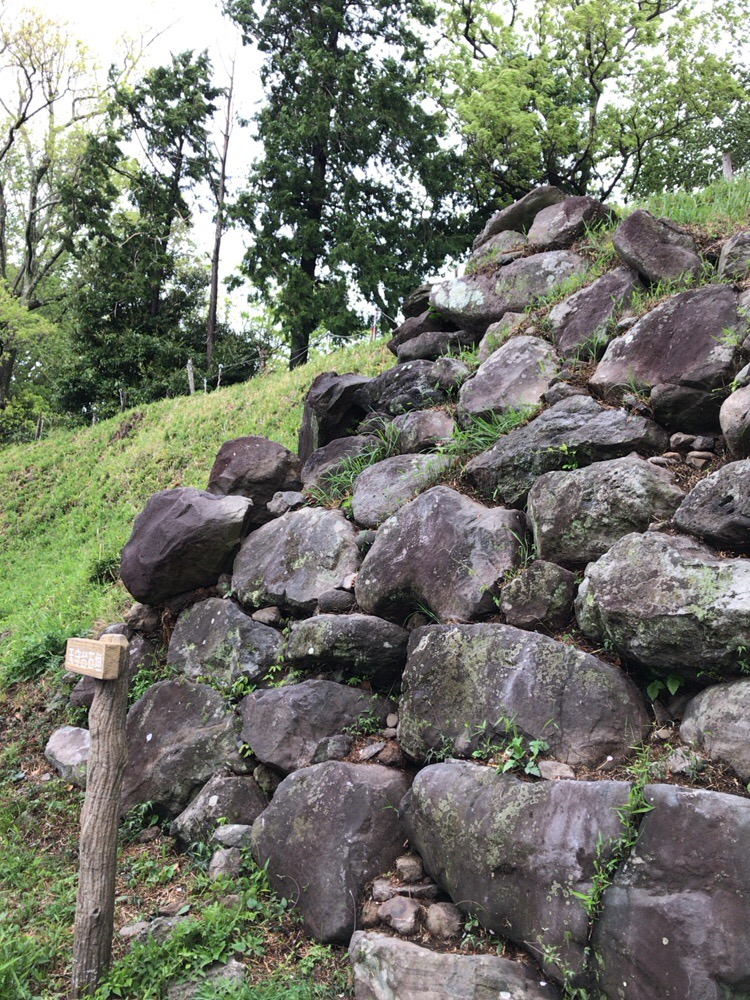
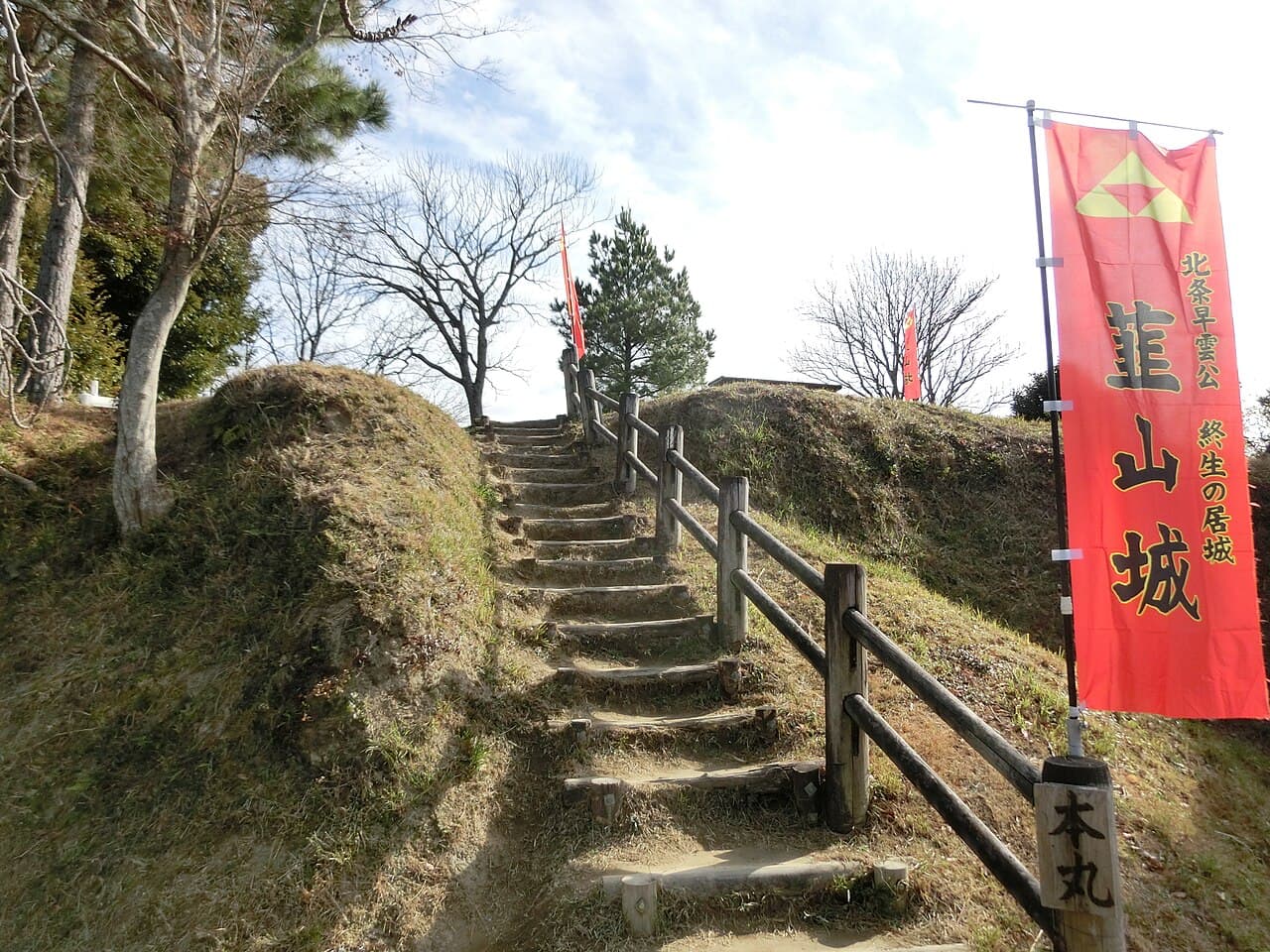
The castle's defenses would have included earthen walls, moats carved into the hillside, and wooden palisades. Stonework was used selectively, mainly for gate foundations and retaining walls. The main enclosure (honmaru) was situated at the highest point, where the lord's residence and key defensive structures stood.
While no large stone keep (tenshu) remains, the castle's design reflects the transitional architecture of the late medieval period, blending traditional wooden fortifications with emerging stone defensive techniques.
Decline and current status
Following the unification of Japan under the Tokugawa shogunate in the early 17th century, many regional castles lost their military importance. Nirayama Castle was gradually abandoned and fell into ruin. Today, only traces of its earthworks, moats, and foundation stones remain.
The site has been designated a National Historic Site since 2025, recognizing its cultural and historical importance. Archaeological efforts have helped to preserve the ruins and provide insight into the castle's original structure and role in Japanese history.
Visiting nirayama castle ruins
Visitors to the Nirayama Castle ruins can explore the hillside terrain where the castle once stood. Walking trails lead through the remains of defensive earthworks and offer panoramic views of the surrounding region. Informational signage provides historical context, making it a valuable destination for those interested in Japanese castle architecture and medieval history.
The site is accessible year-round, with the best times to visit in spring and autumn when the weather is mild and the natural scenery is particularly attractive.
Cultural impact and legacy
Though now in ruins, Nirayama Castle remains an important symbol of the late medieval period in Japan. Its remnants offer a tangible connection to the era of samurai warfare and regional power struggles. The castle's preservation as an archaeological site allows historians and visitors alike to study the evolution of Japanese fortifications and appreciate the strategic ingenuity of its builders.
The castle's association with the Hōjō clan further enhances its historical significance, linking it to one of Japan's most influential samurai families during the Sengoku period.
Frequently asked questions (FAQ)
- What is the historical significance of Nirayama Castle?
- Nirayama Castle, built in the late 16th century, served as a strategic military base during the Sengoku period. It is notable for its role in local governance and defense against rival clans, reflecting the tumultuous history of feudal Japan.
- When was Nirayama Castle constructed?
- Nirayama Castle was constructed in 1576 by the powerful feudal lord Matsudaira Ietada. The castle has undergone various renovations and restorations over the centuries, preserving its historical legacy.
- Can I visit Nirayama Castle year-round?
- Yes, Nirayama Castle is open to visitors throughout the year, although some areas may be closed during severe weather conditions. It's advisable to check the local weather forecast before planning your visit.
- What are the opening hours for Nirayama Castle?
- Nirayama Castle typically opens at 9:00 AM and closes at 5:00 PM, with last entry allowed at 4:30 PM. These hours may vary seasonally, so it's wise to verify before your visit.
- Is it possible to access Nirayama Castle by public transportation?
- Yes, Nirayama Castle is accessible by public transportation, including local buses and trains. The nearest train station is Izunokuni Station, from where visitors can take a short bus ride to the castle.
- What is the ticket price for entering Nirayama Castle?
- The entrance fee for Nirayama Castle is approximately 500 yen for adults, while children and students may receive discounted rates. Special exhibitions may incur additional charges, so be sure to check in advance.
- When is the best time to visit Nirayama Castle?
- The best time to visit Nirayama Castle is during the spring and autumn months when the weather is mild and the surrounding cherry blossoms or autumn leaves create a picturesque backdrop. These seasons also attract fewer crowds compared to summer.
- Are there any nearby attractions to visit along with Nirayama Castle?
- Yes, visitors can explore several nearby attractions, including the Nirayama Reverberatory Furnace, a UNESCO World Heritage Site, and the beautiful Izu Peninsula coastline. These sites offer additional insights into Japan's rich cultural and industrial history.
- What architectural features can I expect at Nirayama Castle?
- Nirayama Castle showcases traditional Japanese castle architecture, including stone walls, wooden structures, and strategic layouts designed for defense. The castle's design reflects the military prowess of its time while harmonizing with the natural landscape.
Photo gallery

Photo by Abasaa•Public domain
Information
Loading map...
Visitor reviews
No reviews yet. Been here? Write the first review and help other travelers!
Write the first reviewVisited this castle? Share your experience
Your review helps other travelers and adds first-hand knowledge to our encyclopedia.