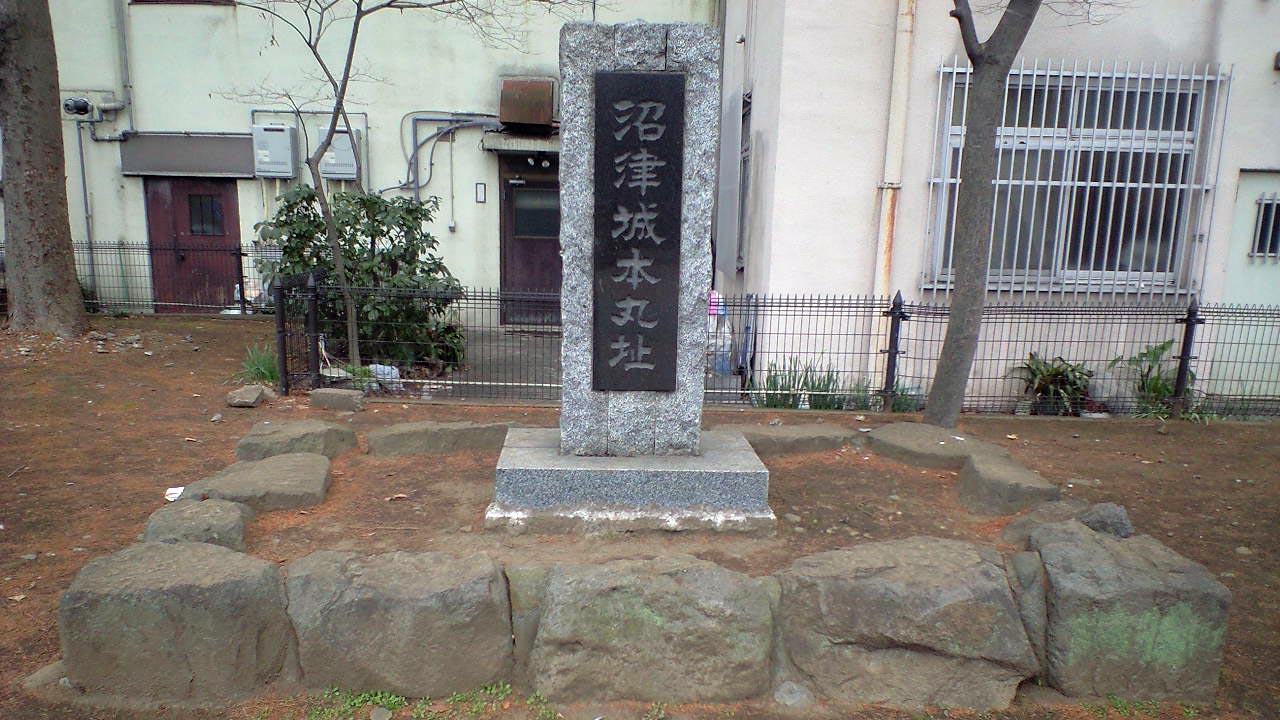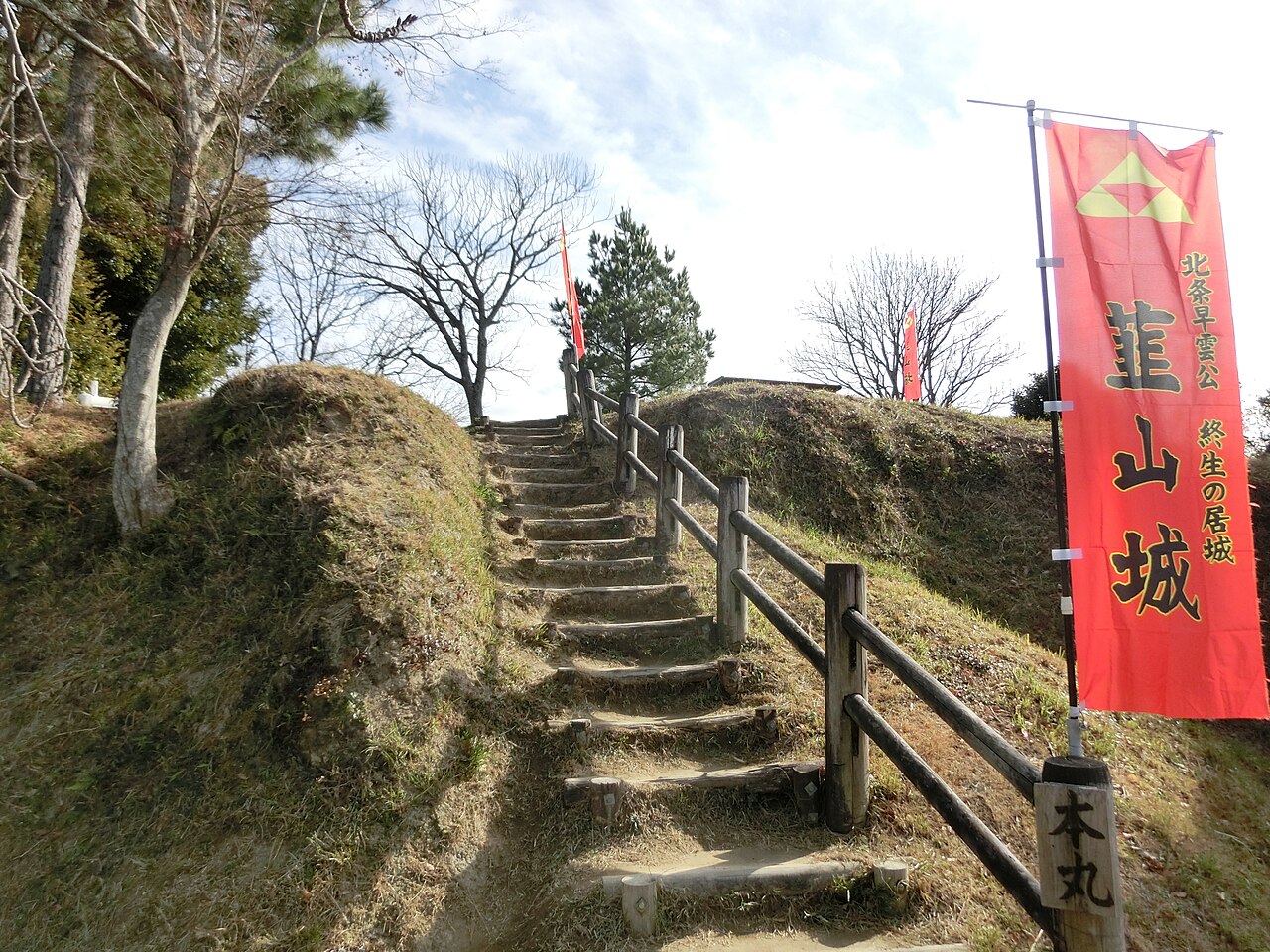
Kōkokuji Castle (興国寺城, Kōkokuji-jō) is a historic Sengoku period yamashiro-style Japanese castle located in the Negoya neighborhood of Numazu city, within Shizuoka prefecture. Its ruins have been officially protected as a National Historic Site since 1975, underscoring its cultural and historical significance.
Historical context and significance
The castle was constructed during the turbulent Sengoku period (mid-15th to early 17th century), a time marked by near-constant military conflict and political upheaval across Japan. Yamashiro castles, or mountain castles, were strategically built on elevated terrain to maximize defense capabilities against rival clans. Kōkokuji Castle exemplifies this style, utilizing the natural topography of the hills in the Negoya area to create a fortified stronghold.
During the Sengoku period, castles like Kōkokuji served as military bases, administrative centers, and symbols of power for local warlords. Although specific records of the castle's builders and occupants are limited, its location in Shizuoka places it within the sphere of influence of prominent clans such as the Imagawa and later the Tokugawa, who controlled the region during the late 16th century.
Architectural features and layout
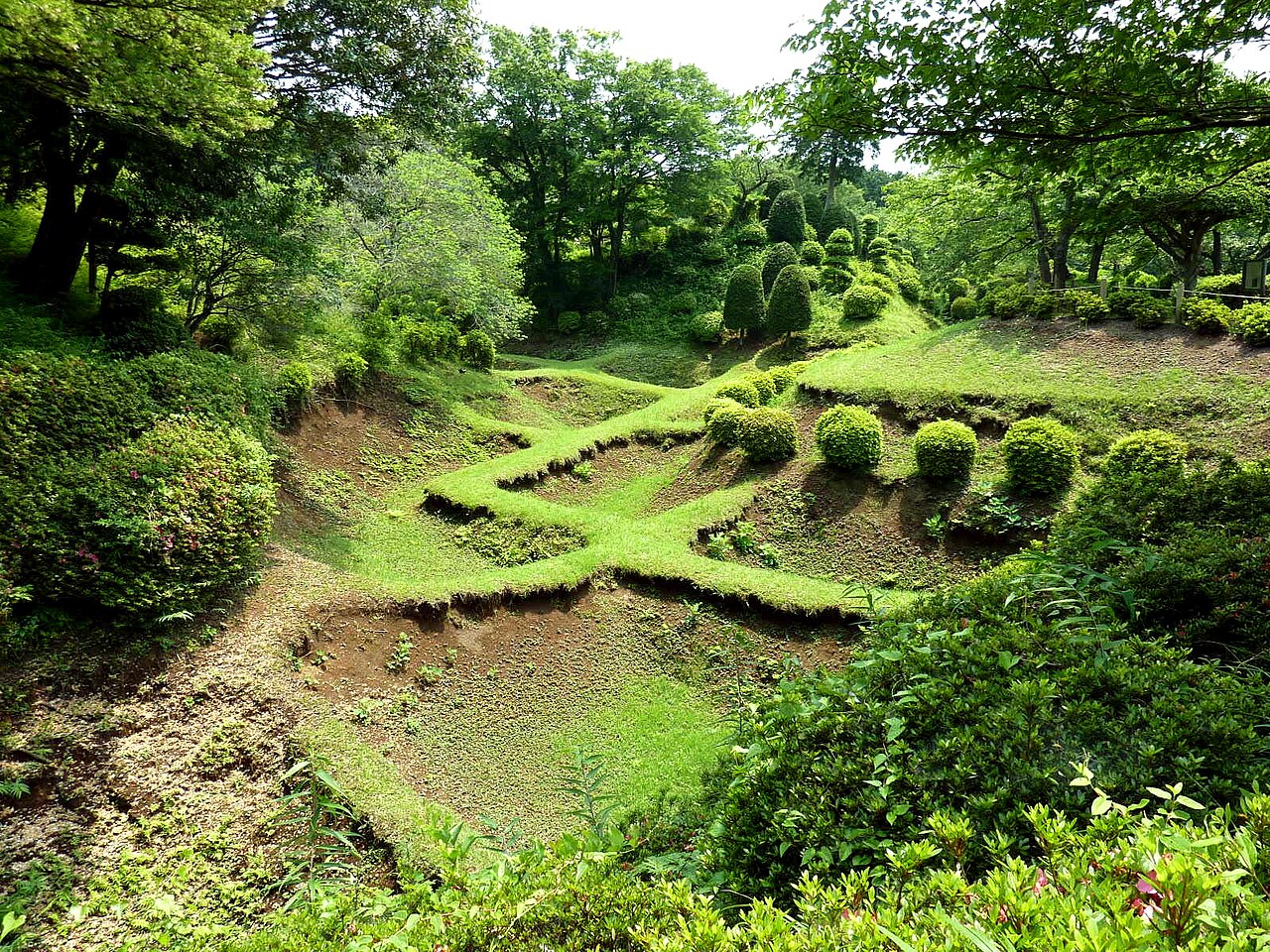
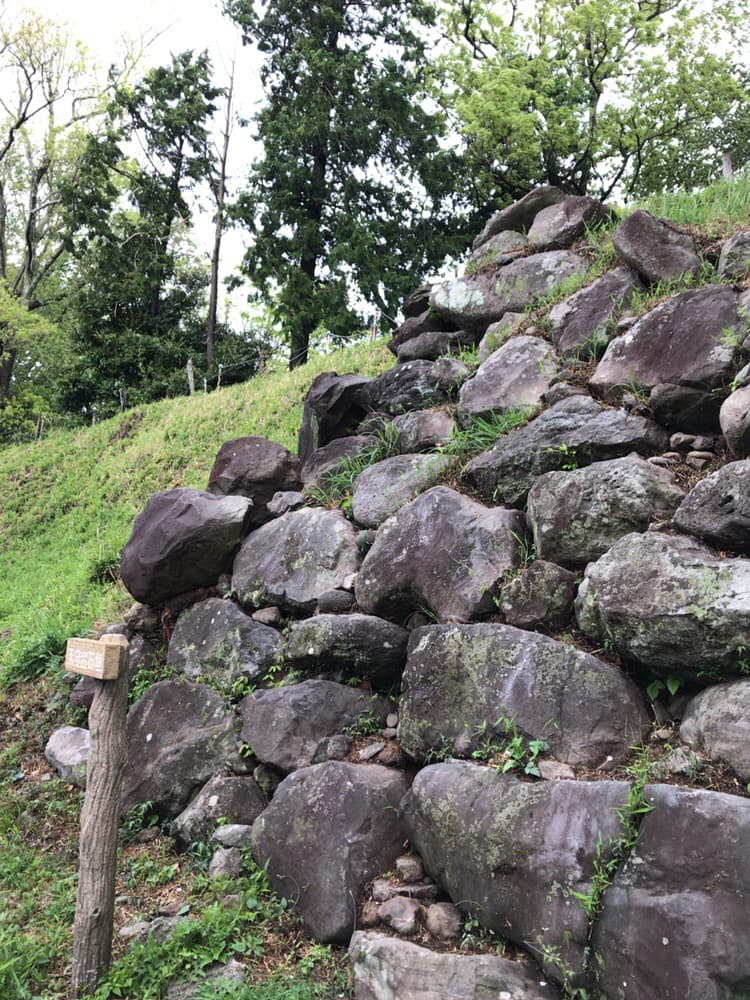
Kōkokuji Castle was constructed following the typical yamashiro design principles, which emphasize the use of natural terrain for defense. The castle's layout likely included multiple baileys (courtyards) arranged on terraced slopes, connected by narrow paths and fortified with earthen walls and dry moats. Stone walls, although less common in early yamashiro castles, may have been used in key defensive points.
The castle's main enclosure (honmaru) would have been situated at the highest point, serving as the last line of defense and housing the lord's residence and command facilities. Surrounding enclosures (ni-no-maru and san-no-maru) provided additional layers of protection and space for retainers and soldiers.
Today, the site consists of archaeological ruins with visible remnants of earthworks, moats, and terraces. These features allow visitors and researchers to understand the castle's defensive strategy and architectural ingenuity despite the absence of standing structures.
Preservation and cultural importance
Recognized as a National Historic Site in 1975, the ruins of Kōkokuji Castle are preserved to protect their archaeological value and to educate the public about Japan's feudal past. Preservation efforts focus on maintaining the earthworks and preventing further erosion or damage caused by natural elements and human activity.
The site offers insight into the military architecture of the Sengoku period and the strategic use of mountainous terrain in castle construction. It also contributes to the broader understanding of regional power dynamics in Shizuoka during Japan's era of warring states.
Visiting Kōkokuji Castle ruins
Visitors to the Kōkokuji Castle ruins can explore the terraced slopes and earthworks that remain, gaining a tangible sense of the castle's original scale and defensive design. While no reconstructed buildings exist, informative signage and guided tours may be available to provide historical context.
The site is accessible from Numazu city and offers a quiet, reflective environment for those interested in Japanese history, castle architecture, and archaeology. The surrounding natural landscape enhances the experience, illustrating why yamashiro castles were positioned in such locations.
Frequently asked questions (FAQ)
- How do I get to Kōkokuji Castle?
- Kōkokuji Castle is located in Japan and is accessible by public transport. Visitors can take a train to the nearest station and then use local buses or taxis to reach the castle.
- What is the historical significance of Kōkokuji Castle?
- Kōkokuji Castle is a significant historical site that dates back to the feudal period of Japan. It played a crucial role in local governance and military strategy, serving as a stronghold for samurai clans.
- When was Kōkokuji Castle built?
- Kōkokuji Castle was originally constructed in the 16th century during Japan's Sengoku period. It has undergone several renovations and restorations to preserve its historical architecture over the centuries.
- Can I take guided tours of Kōkokuji Castle?
- Yes, guided tours are available at Kōkokuji Castle, providing visitors with in-depth information about its history and architecture. It is recommended to book a tour in advance, especially during peak tourist seasons.
- Why is Kōkokuji Castle considered an architectural marvel?
- Kōkokuji Castle is renowned for its unique architectural style that blends traditional Japanese design with strategic military features. Its impressive stone walls and elegant wooden structures reflect the craftsmanship of the era.
- Is it possible to access Kōkokuji Castle with a wheelchair?
- While Kōkokuji Castle has made efforts to improve accessibility, some areas may present challenges for wheelchair users due to uneven terrain and stairs. It is advisable to contact the castle administration for specific accessibility options before your visit.
- What is the best time to visit Kōkokuji Castle?
- The best time to visit Kōkokuji Castle is during the spring and autumn months when the weather is mild, and the surrounding scenery is beautiful. Cherry blossoms in spring and vibrant fall foliage make for a picturesque experience.
- What are the opening hours for Kōkokuji Castle?
- Kōkokuji Castle typically opens from 9 AM to 5 PM, with extended hours during the summer months. Visitors should check the official website for any seasonal changes or special events that might affect these hours.
- How much are the tickets to Kōkokuji Castle?
- Ticket prices for Kōkokuji Castle generally range from 500 to 1,000 yen for adults, with discounts available for children and seniors. Group rates may also be offered, so it’s a good idea to inquire when purchasing tickets.
- What nearby attractions can I visit after Kōkokuji Castle?
- After visiting Kōkokuji Castle, you can explore several nearby attractions, including traditional Japanese gardens and local museums. The area is rich in cultural heritage, making it easy to spend a full day enjoying the local sights.
Photo gallery

Information
Loading map...
Visitor reviews
No reviews yet. Been here? Write the first review and help other travelers!
Write the first reviewVisited this castle? Share your experience
Your review helps other travelers and adds first-hand knowledge to our encyclopedia.