Nijenborgh Castle
Nijenborgh Castle, also known locally as Kasteel Nijenborgh or Nijeborgh, is a historic hill castle situated in the town of Weert, within the province of Limburg in the Netherlands. This castle complex dates back to the 15th century, reflecting the military and residential architecture typical of the late medieval period in this region.
The castle was likely founded in the mid-15th century by Count Jakob I of Horn, a nobleman whose ancestral seat was at Horn Castle. The establishment of Nijenborgh Castle was part of the broader network of fortified residences that asserted territorial control and noble prestige during this era.
Architectural design and layout
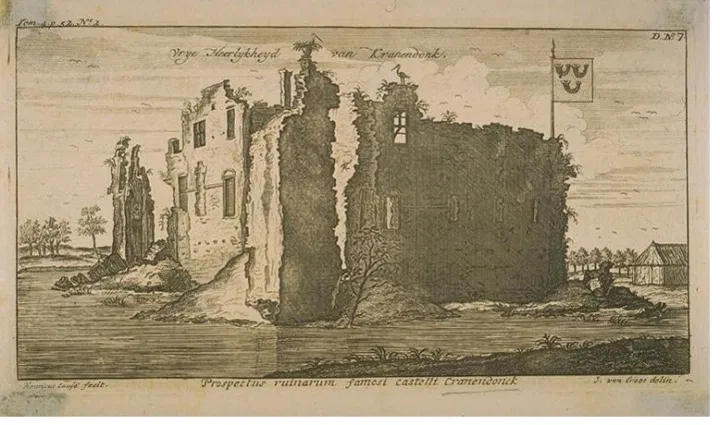
The original castle complex was designed as a rectangular stronghold with an adjoining bailey, a common feature in medieval fortifications. The castle's defensive structures included two square towers equipped with battlements; notably, the north tower served as the keep, the central fortified refuge within the castle. In addition to these, there were two smaller round towers, which enhanced the castle's defensive capabilities by providing flanking fire and observation points.
The castle was connected to its bailey by a bridge, allowing controlled access between the main fortified residence and the outer courtyard. The bailey itself was also rectangular and surrounded by a crenelated curtain wall punctuated by a gate and small circular towers at the corners. This defensive perimeter was typical for castles designed to withstand sieges and provide a secure area for auxiliary buildings and troops.
Historical events and transformations
Throughout the 16th century, Nijenborgh Castle underwent several restorations and improvements, reflecting the ongoing military and domestic needs of its owners. The castle's strategic importance was underscored during the turbulent periods of the Spanish Wars of Succession and earlier conflicts.
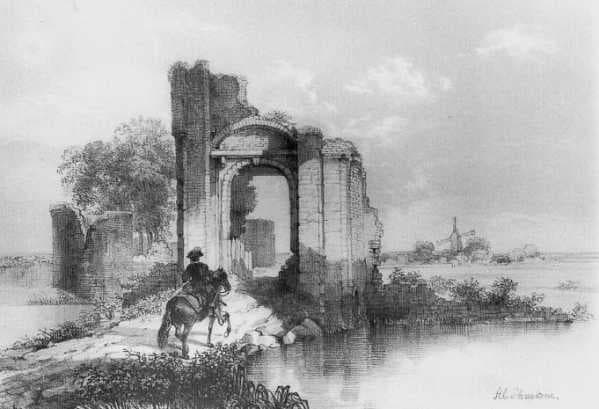
In 1579, the castle was captured by the forces of the Spanish commander Parma, highlighting its role in the regional power struggles of the time. However, the castle's military significance came to a decisive end in August 1702 during the War of the Spanish Succession. The castle was besieged and destroyed by the troops of John Churchill, Duke of Marlborough. Following its destruction, the ruins of Nijenborgh Castle were repurposed as a stone quarry, a common fate for many medieval castles that lost their strategic value.
Restoration and current status
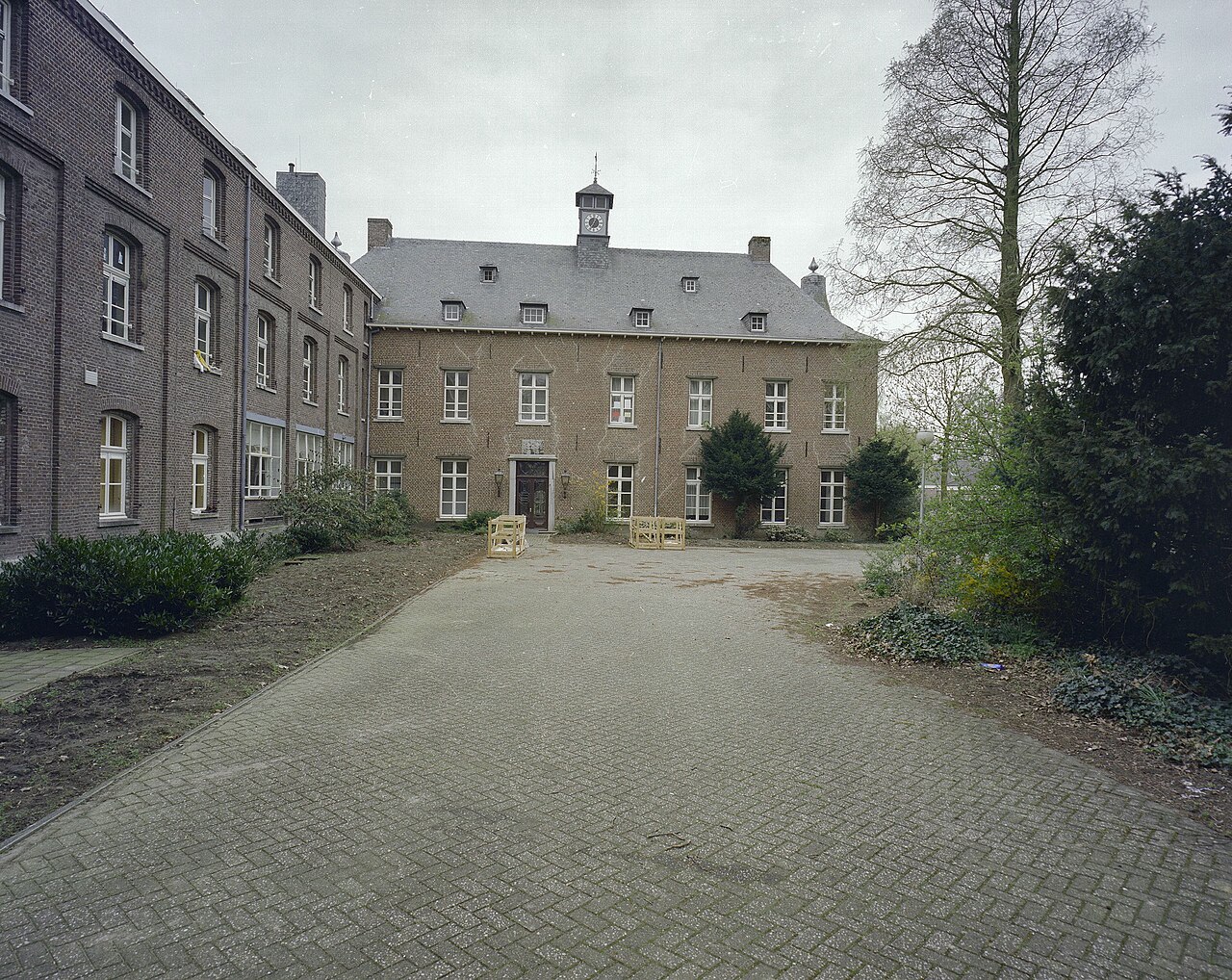
In the 19th century, specifically in 1841, the mayor of Weert, Louis Beerenbroek, initiated a partial restoration by constructing a mansion on the foundations of the southern square tower. Additionally, the eastern round tower was rebuilt. These restored towers feature walls approximately 3.5 meters thick, indicative of their original defensive purpose.
Today, the mansion remains a private residence and is not open to the public. The surviving castle walls have been integrated into the property's garden walls. While the moat that once separated the castle from its bailey has been filled in, remnants of the original moat still exist, albeit faintly visible.
Until 2020, the bailey area was occupied by a lumber merchant, but it has since been transformed into a public park. This park offers visitors a pleasant walking area around the castle ruins, allowing for appreciation of the site's historical footprint and remaining architectural elements.
Architectural significance and heritage value
Nijenborgh Castle exemplifies the characteristics of a late medieval hill castle in the Netherlands, combining defensive features such as battlements, square and round towers, and a crenelated bailey wall. Its history reflects the broader political and military conflicts that shaped the region during the 15th to 18th centuries.
The castle's partial restorations and adaptations in the 19th century illustrate the transition from military fortress to residential estate, a common evolution for many European castles. The preservation of certain walls and towers provides valuable insight into medieval construction techniques, including the substantial thickness of defensive walls designed to withstand artillery and siege engines.
While much of the original structure was lost due to warfare and subsequent quarrying, the site's current state as a combination of private residence and public park allows for both conservation and community engagement with this piece of Limburg's heritage.
Visiting information
Visitors to Nijenborgh Castle can explore the surrounding public park, which offers views of the castle's remaining walls and towers. The private mansion and its garden are not accessible to the public, respecting the privacy of the current residents.
The park provides a tranquil setting for walks and historical reflection, with interpretive signage that may offer insights into the castle's past. Its location within Weert makes it easily accessible for those interested in medieval architecture and Dutch heritage sites.
Frequently asked questions (FAQ)
- What is the historical significance of Nijenborgh Castle?
- Nijenborgh Castle is significant as a late medieval hill castle founded in the 15th century by Count Jakob I of Horn. It played a role in regional conflicts, including its capture by Spanish forces in 1579 and destruction during the War of the Spanish Succession in 1702.
- Can I visit the interior of Nijenborgh Castle?
- The castle's mansion is a private residence and is not open to the public. However, visitors can explore the surrounding public park that offers views of the castle's remaining walls and towers.
- When was Nijenborgh Castle destroyed?
- The castle was destroyed in August 1702 during a siege by the troops of John Churchill, Duke of Marlborough, in the War of the Spanish Succession.
- What architectural features are notable at Nijenborgh Castle?
- Notable features include the two square towers with battlements, the north tower serving as a keep, two smaller round towers, a crenelated bailey wall, and the thick defensive walls rebuilt in the 19th century.
- Is the castle located in a public park?
- Yes, since 2020 the bailey area has been converted into a public park, allowing visitors to walk around the castle ruins and enjoy the historical setting.
Photo gallery

Photo by Sirano at Dutch Wikipedia•Public domain
Information
Address
Biest 1, Weert, Netherlands
Loading map...
Visitor reviews
No reviews yet. Been here? Write the first review and help other travelers!
Write the first reviewVisited this castle? Share your experience
Your review helps other travelers and adds first-hand knowledge to our encyclopedia.