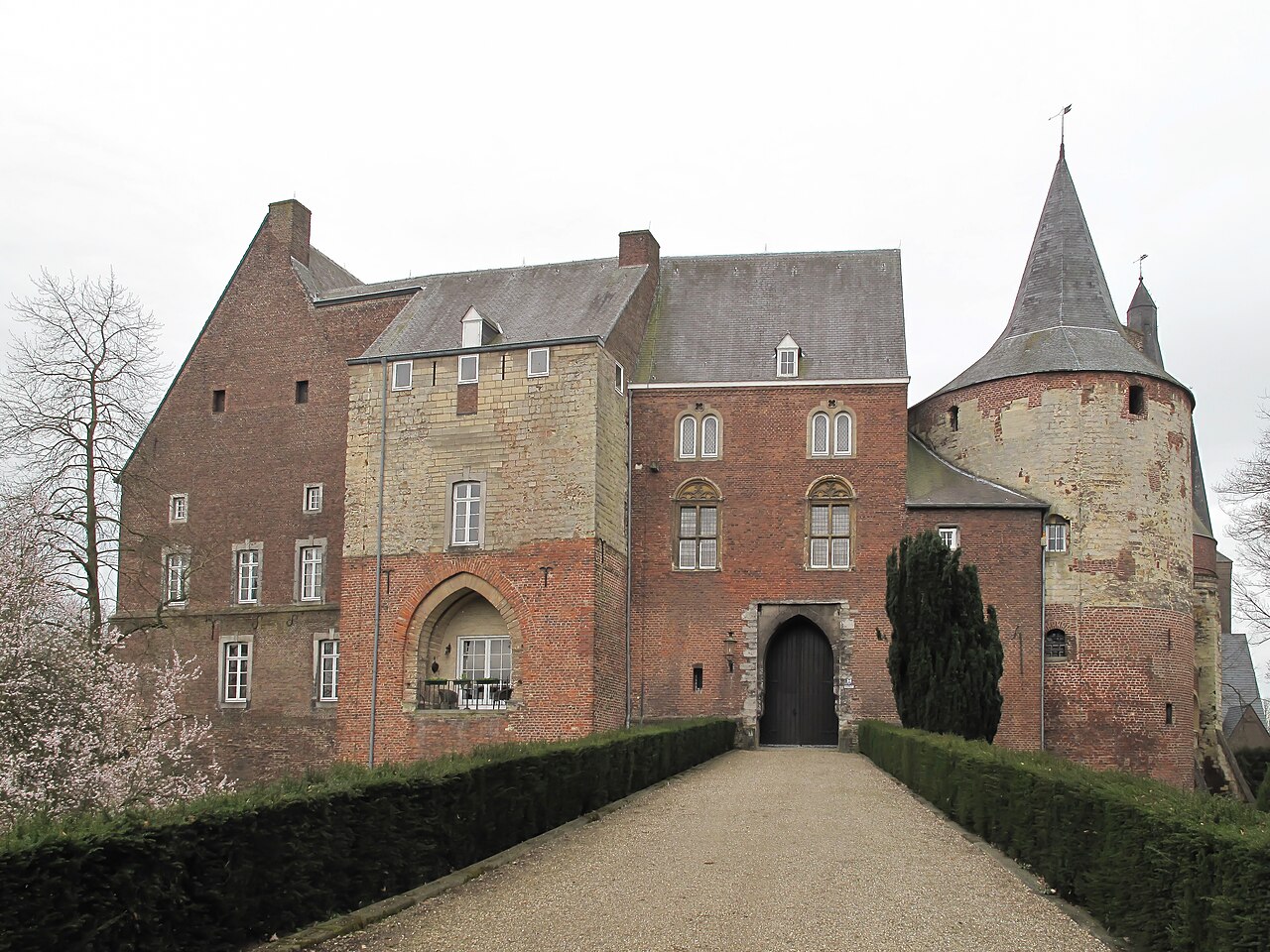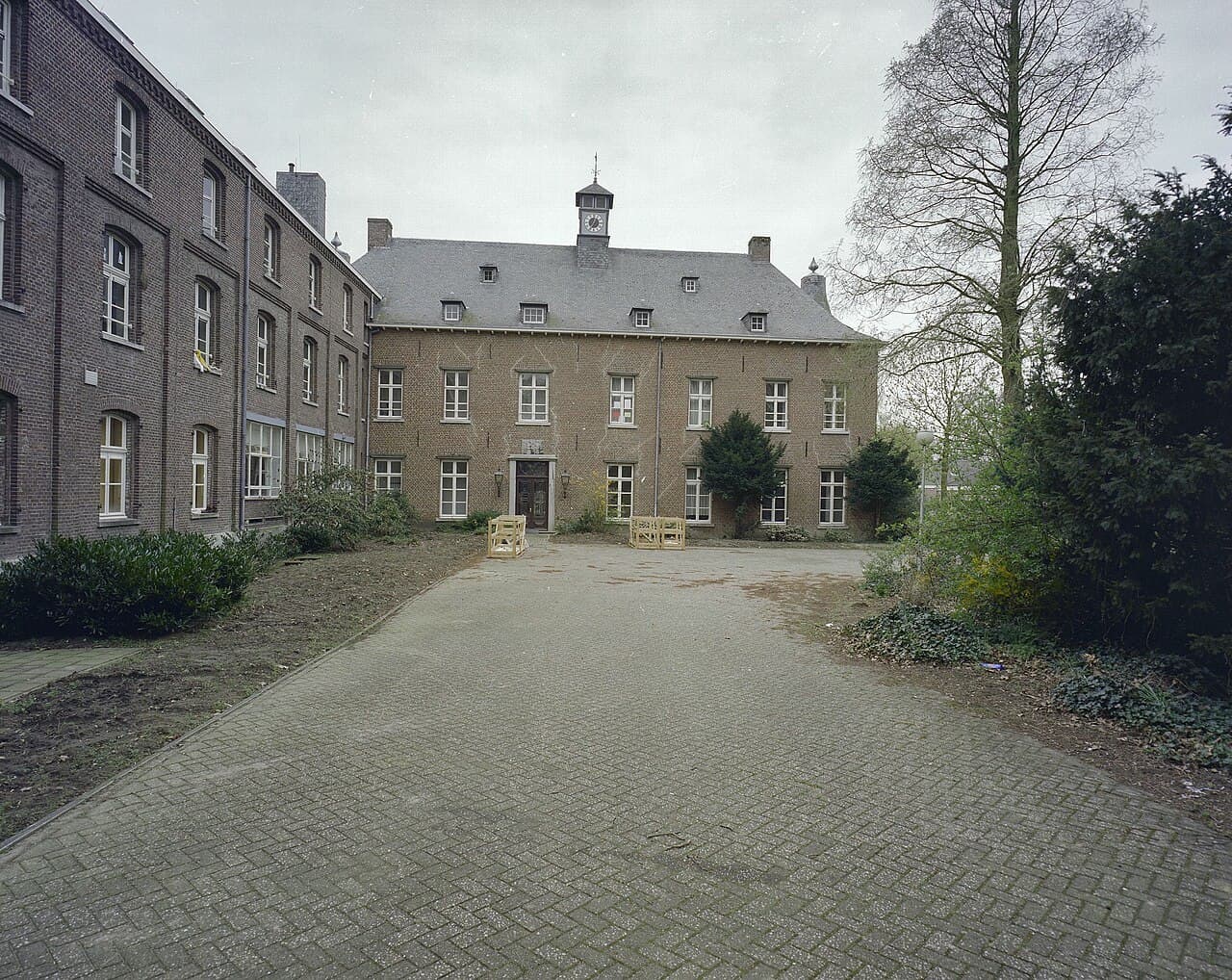
Exaten Castle — Netherlands castle

Exaten Castle

Exaten Castle in the Netherlands
Renaissance (15th–17th c.)
Well Preserved

Exaten Castle is a prominent example of a 16th-century Renaissance hill castle located in the Netherlands. This historic fortress is situated on a natural elevation, characteristic of hill castles, which provided strategic defensive advantages during its time of construction. The castle's origins date back to the Renaissance period, reflecting architectural elements typical of this era, including symmetry, proportion, and classical detailing that distinguish it from medieval fortifications.

Historical background and significance

The castle was constructed in the 16th century, a time when the Renaissance style was gaining prominence in Northern Europe. This period marked a transition from purely military fortifications to more comfortable and aesthetically oriented residences for the nobility. Exaten Castle served both as a defensive stronghold and a noble residence, embodying the dual purpose common to many castles of this era.

Throughout its history, Exaten Castle has witnessed various ownerships and adaptations, reflecting the changing political and social landscape of the Netherlands. Its location in the Dutch region provided a vantage point over the surrounding lands, which was crucial during periods of regional conflicts and territorial disputes.

Architectural features and layout

The castle's design follows the typical Renaissance emphasis on harmony and balance. The structure is built on a raised hill, enhancing its defensive capabilities and providing commanding views of the surrounding countryside. The use of local building materials, combined with Renaissance stylistic elements, gives Exaten Castle a distinctive appearance.

Key architectural features include fortified walls that enclose the main residential buildings and courtyards, towers that served both as lookout points and defensive positions, and a gatehouse that controlled access to the castle grounds. The interiors likely featured spacious halls and chambers designed for both living and entertaining, consistent with Renaissance noble residences.

Defensive structures

The castle's hilltop location was a natural defense, supplemented by man-made fortifications such as thick stone walls and possibly a moat or ditch. The towers were strategically placed to cover all approaches, enabling defenders to monitor and repel attackers effectively.

Residential and ceremonial spaces

Inside the fortified perimeter, the castle would have accommodated residential quarters, including private chambers, a great hall for gatherings, and service areas. The Renaissance influence likely introduced decorative elements and improved comfort compared to earlier medieval castles.

Preservation and current condition

Exaten Castle is currently classified as a well-preserved example of Renaissance architecture in the Netherlands. Its state of preservation allows visitors and scholars to appreciate the architectural and historical significance of the site. The castle's maintenance over the centuries has ensured that many original features remain intact, providing insight into the construction techniques and lifestyle of the period.

Visiting Exaten Castle

While specific visiting hours and ticket information may vary, Exaten Castle is a notable cultural heritage site that attracts visitors interested in Dutch history and Renaissance architecture. Its scenic location and historic ambiance make it a valuable destination for those exploring the castles of the Netherlands.

Accessibility and visitor experience

The castle's hilltop position offers picturesque views and a unique opportunity to explore Renaissance defensive architecture firsthand. Visitors can expect to see well-maintained fortifications, residential buildings, and possibly exhibitions or guided tours that explain the castle's history and architectural features.

Nearby attractions

The region around Exaten Castle includes other historical sites and natural landscapes, providing a rich context for cultural tourism. Visitors often combine their castle visit with excursions to nearby towns and countryside.

Frequently asked questions (FAQ)

How do I get to Exaten Castle?
Exaten Castle is located in the beautiful Netherlands, easily accessible by car and public transportation. If you're driving, you can find ample parking nearby. For public transport users, check local train and bus schedules for the best routes to the castle.
What is the historical significance of Exaten Castle?
Exaten Castle dates back to the 12th century and is a prime example of medieval architecture in the Netherlands. It has played a vital role in the region's history, serving as a fortress and a noble residence throughout the centuries. Today, it stands as a monument to the rich historical tapestry of the area.
When was Exaten Castle built?
Exaten Castle was originally constructed in the early 12th century, showcasing the architectural styles of that era. Over the years, it has undergone several renovations and restorations, preserving its historical integrity while adapting to modern needs. This makes it a fascinating site for both history buffs and architecture enthusiasts.
Can I take guided tours of Exaten Castle?
Yes, guided tours of Exaten Castle are available and highly recommended for visitors. These tours provide in-depth insights into the castle's history, architecture, and the stories of its former inhabitants. Be sure to check the castle's official website for tour schedules and availability.
Why is Exaten Castle a popular tourist destination?
Exaten Castle is popular due to its rich history, stunning architecture, and picturesque surroundings. Visitors are drawn to its unique blend of medieval charm and natural beauty, making it an ideal spot for photography and leisurely exploration. The castle also hosts various cultural events throughout the year, enhancing its appeal.
Is it possible to host events at Exaten Castle?
Yes, Exaten Castle offers venues for various events, including weddings, corporate gatherings, and special celebrations. The castle's enchanting atmosphere and beautiful grounds provide a unique backdrop for any occasion. It is advisable to contact the castle's event management team in advance to discuss options and availability.
What are the opening hours for Exaten Castle?
Exaten Castle is typically open to visitors from 10 AM to 6 PM, but hours may vary seasonally or during special events. It’s best to check the official website before your visit for the most accurate and updated information. This ensures you can plan your visit accordingly and make the most of your time at the castle.
What are the ticket prices for visiting Exaten Castle?
Ticket prices for Exaten Castle are generally affordable, with discounts available for children, students, and seniors. Family packages may also be offered for those visiting with children. For the latest pricing details and any special promotions, it's recommended to check the castle's official website prior to your visit.
What is the best time to visit Exaten Castle?
The best time to visit Exaten Castle is during the spring and early autumn months when the weather is mild and the surrounding gardens are in full bloom. These seasons also tend to be less crowded than the summer months, allowing for a more relaxed experience. Additionally, special events and festivals often take place during these times, enhancing your visit.
Are there any nearby attractions to explore?
Yes, there are several attractions near Exaten Castle, including beautiful parks, local museums, and charming villages. Visitors can enjoy scenic walks or bike rides in the surrounding countryside as well. Make sure to plan some extra time to explore these nearby sites for a full day of adventure.

Photo gallery

Exaten Castle
Click to view

Photo by Loek Tangel•CC BY-SA 4.0

1 photo • Click any image to view in full screen

Information

Hill Castle

Loading map...

Visitor reviews

No reviews yet. Been here? Write the first review and help other travelers!

Write the first review

Visited this castle? Share your experience

Your review helps other travelers and adds first-hand knowledge to our encyclopedia.

Write a review

(5/5)

0/2000 characters

Your review will be visible after admin approval

Nearby castles

4.1 km

Horn Castle

Limburg, Poland

Horn Castle, locally known as Kasteel Horn, is a remarkable example of a late medieval motte castle situated near the village of Horn in the province of Limburg, Netherlands. Its strategic location near a former bed of the river Maas highlights its historical importance in regional defense and control of waterways. The castle's name appears as early as the 12th century, but the existing structure dates primarily from the early 13th century, making it a significant monument of medieval fortification in the area. Architectural design and early construction The castle's layout is characterized by an irregular oval plan featuring four protruding round towers and a prominent square gate tower, which also projects outward. This design reflects the defensive priorities of the period, combining strong vertical elements with a robust curtain wall system. The ring wall originally included a wall walk on round arches, allowing defenders to patrol and defend the perimeter effectively. During the 13th century, the castle underwent significant enhancements. The ring wall was heightened with a marl railing and a second wall walk was constructed above the original, improving the defensive capabilities and surveillance potential of the fortress. Concurrently, most of the towers and lodgings were built, establishing the core structural elements that define Horn Castle's silhouette today. Fifteenth-century reconstruction and expansion In the 15th century, Horn Castle experienced a major reconstruction that altered its layout and function. The lodgings were extended, which led to the removal of the two southern towers, indicating a shift towards more comfortable residential spaces within the castle. The gate tower was integrated into the lodgings, and a new gate was constructed adjacent to it, which remains the castle's current entrance. This period also marked a significant social development, as the Lords of Corno were proclaimed counts, reflecting the castle's elevated status and the importance of its owners in regional nobility. Ownership and historical events in the 16th century During the 16th century, Horn Castle came under the ownership of the Montmorency family, a notable noble lineage. One of its most famous owners, Philips de Montmorency, was a supporter of William the Silent and played a role in the Dutch Revolt against Spanish rule. Tragically, in 1568, Philips was executed by beheading in Brussels, a pivotal event reflecting the turbulent political climate of the time. Decline, restoration, and current status The French era brought widespread destruction to many Dutch castles, and Horn Castle was reduced to a ruin during this period. However, around 1850, efforts were made to restore the castle for residential use. Unfortunately, these renovations included opening most of the lower arches and installing neogothic doors and windows, which altered the castle's original medieval character. In 1948, a fire caused significant damage, but the castle underwent a restoration in 1954 to preserve its structure. Today, Horn Castle remains a large and imposing structure, albeit privately owned and not accessible to the public. Architectural significance and heritage Horn Castle's combination of a motte and bailey layout with its irregular oval plan and multiple towers exemplifies the evolution of castle architecture from the early to late medieval periods. Its ring wall with dual wall walks and the integration of residential lodgings during the 15th century illustrate the shift from purely military fortifications to more comfortable noble residences. The castle's history is deeply intertwined with the political and social changes in the Netherlands, particularly during the Dutch Revolt and the subsequent periods of conflict and restoration. Its survival through destruction and adaptation demonstrates the resilience of such medieval structures and their ongoing cultural significance.

Late Medieval (14th–15th c.)
Details
4.2 km
Horn Castle — Netherlands castle

Horn Castle

Horn, Netherlands

Horn Castle, locally known as Kasteel Horn, is situated adjacent to the village of Horn in the province of Limburg, Netherlands. This castle represents a significant example of a late medieval motte castle with a rich history spanning from the 13th century through various phases of architectural evolution and restoration. Historical origins and early construction The name "Horn" has been documented since the 12th century, but the castle itself dates from the early 13th century, making it a product of the High Medieval period. It was strategically constructed near an earlier bed of the river Meuse, providing natural defensive advantages. The castle's original design was an irregular oval plan featuring four projecting round towers and a distinctive square gate tower that projected outward from the main defensive walls. The ring wall of the castle was initially built with a wall walk supported by round arches, allowing defenders to patrol and defend the perimeter effectively. In the 13th century, this ring wall was elevated with an additional marl stone wall, creating a second wall walk atop the original, enhancing the castle's defensive capabilities. Concurrently, most of the towers and the living quarters were raised to improve both fortification and residential comfort. Architectural development in the 15th century The 15th century saw significant rebuilding and expansion at Horn Castle. The living quarters were extended, which led to the removal of the two southern towers. The gate tower was integrated into the living quarters, and a new gate was constructed adjacent to it, which remains the castle's main entrance today. This period coincided with the elevation of the Lords of Horn to the rank of counts, reflecting the castle's growing political and social importance. The architectural modifications of this era reflect both defensive needs and the desire for more comfortable noble residences. Ownership and historical events in the 16th century In the 16th century, Horn Castle came under the ownership of the Montmorency family, a prominent noble house. The castle's then-owner, Philips de Montmorency, was a notable supporter of William the Silent during the Dutch Revolt against Spanish rule. In 1568, Philips de Montmorency was executed by beheading in Brussels, marking a significant historical event connected to the castle's legacy. Decline and restoration in modern times Following the French era and the widespread destruction of Dutch castles by invading forces, Horn Castle fell into ruin. By the 19th century, it was largely dilapidated and uninhabitable. However, around 1850, efforts were made to restore the castle for habitation. During this restoration, many of the original lower arches were altered or broken open, and the living quarters were fitted with Neo-Gothic doors and windows, reflecting 19th-century architectural tastes rather than medieval authenticity. In 1948, the castle suffered fire damage but underwent restoration in 1954 to repair the affected structures. Today, Horn Castle remains a privately owned residence and is not open to public visitation. Architectural features and significance Horn Castle's architecture is notable for its combination of medieval defensive elements and later modifications. The castle's motte and bailey design is somewhat late for this type, illustrating the adaptation of traditional fortification styles into the High Medieval period. The irregular oval ground plan with projecting round towers and a square gate tower provided a layered defense system. The dual ring walls with wall walks allowed defenders to repel attackers effectively. The 15th-century expansions reflect the transition from purely military fortifications to more comfortable noble residences, integrating living quarters with defensive structures. The Neo-Gothic restorations of the 19th century, while not historically original, contribute to the castle's current aesthetic and reflect the era's romanticized view of medieval architecture. Location and accessibility Located at Kasteelstraat 6 in the village of Horn, the castle is nestled in the Limburg region of the Netherlands. Despite its historical and architectural significance, Horn Castle remains private property and is not accessible to the public. Visitors can view the castle from nearby public areas, appreciating its silhouette and setting within the Dutch landscape.

High Medieval (11th–13th c.)
Details
9.4 km

Ouborgh Castle

Swalmen, Netherlands

Ouborgh Castle, also known locally as Kasteel Ouborgh, Oudborg, Aldenborg, or Naborch, is a medieval fortress located west of the town of Swalmen in the province of Limburg, Netherlands. This castle stands on the banks of the Swalm stream, near the railway line connecting Venlo and Roermond, marking a historically strategic position in the region. Constructed in the 14th century, Ouborgh Castle is a notable example of a motte castle from the late medieval period. Its most distinctive architectural feature is its octagonal keep, a rare design in the Netherlands, which sets it apart from other contemporary fortifications. The keep is situated at the southwestern corner of the castle's original layout, which was a moated and walled rectangular enclosure. Architectural layout and structural features The castle's ground plan consisted of a rectangular curtain wall surrounded by a moat, providing defensive protection typical of the era. Against the outer walls, two wings were constructed at right angles, forming a compact living and defensive complex. The octagonal keep served as the stronghold and last line of defense and was accessible via a small entrance on its northeastern wall. Inside the keep, remnants of the springing lines of a vaulted cellar remain visible, indicating the presence of a robust storage or refuge space below ground level. Additionally, traces of a spiral staircase adjacent to the entrance suggest vertical connectivity between floors, a common feature in medieval keeps designed for defense and habitation. Historical context and ownership The castle was likely constructed by Seger Vosken van Swalmen during the first half of the 14th century. Its early history is somewhat obscure, but it was sold in 1381 by Robijn van Swalmen to his nephew Dirk van Oost. Dirk van Oost is better known for building Hillenraad Castle nearby, and following this, Ouborgh Castle probably fell into disuse and neglect. By around 1450, the castle appears to have been abandoned, possibly due to a destructive fire. By 1660, it had deteriorated into a picturesque ruin, a fate not uncommon for many medieval fortresses that lost their strategic or residential importance. Later history and preservation efforts In the early 20th century, specifically in 1916, the ruins of Ouborgh Castle were used as a quarry for authentic building materials to restore the church in the nearby village of Asselt. This repurposing contributed to the further degradation of the castle remains. Archaeological excavations conducted in 1962 helped to document and understand the castle's layout and historical significance, although much of its history remains poorly documented. The site today is in a poor state of preservation, with the ruins suffering from overgrown vegetation and damage caused by frost, leading to crumbling masonry. The castle remains are freely accessible to visitors, offering a glimpse into the medieval defensive architecture of the Limburg region, despite their fragile condition. Efforts to preserve and protect the ruins are essential to prevent further loss of this unique octagonal keep and the remnants of the late medieval motte castle. Significance and uniqueness Ouborgh Castle holds architectural significance due to its octagonal keep, a rare feature in Dutch castle design. The combination of a moated rectangular plan with this distinctive keep highlights the adaptation of medieval fortifications to local topography and defensive needs. Its connection to notable medieval figures such as Seger Vosken van Swalmen and Dirk van Oost situates the castle within the broader feudal landscape of the region during the 14th century. Although overshadowed by the nearby Hillenraad Castle, Ouborgh Castle remains an important cultural heritage site reflecting the medieval history of Limburg.

Late Medieval (14th–15th c.)
Details