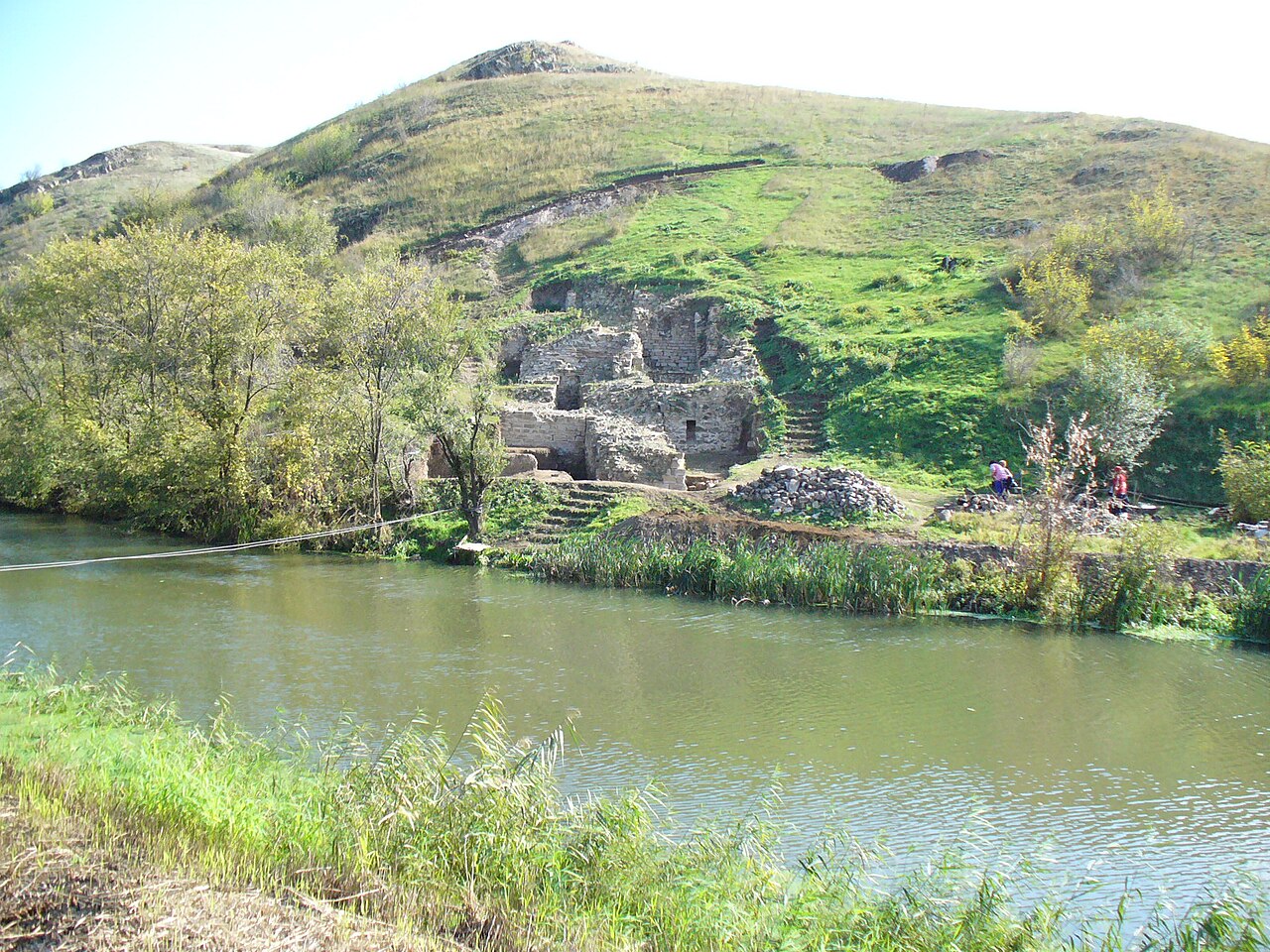
Nesebar Fortifications
Nesebar fortifications represent a remarkable example of ancient military architecture spanning several historical periods on the Bulgarian Black Sea coast. The fortifications were originally constructed by the Thracians in the 8th century BCE, making them some of the oldest defensive structures in the region. These early walls and gates, built to protect the first inhabitants of the Nesebar peninsula, laid the foundation for a complex system of fortifications that evolved over more than two millennia.
Thracian origins and early fortifications
The initial fortifications at Nesebar were established by the Thracian tribes who settled the area in the 8th century BCE. Archaeological evidence reveals the remains of a fortified wall and gate from this period, constructed primarily from local stone materials. These early defenses were crucial for protecting the settlement from rival tribes and seaborne threats. The peninsula’s natural geography, surrounded by the sea on three sides, provided a strategic advantage that was enhanced by these man-made fortifications.
Roman and Byzantine enhancements
With the expansion of the Roman Empire, Nesebar (known historically as Mesembria) became an important urban center. Although the Roman period saw some maintenance of the walls, it was during the early Byzantine era in the 5th century AD that significant reconstruction work was undertaken. The Byzantine builders employed the opus mixtum technique, a distinctive construction style characterized by alternating layers of bricks and stone. This method not only strengthened the walls but also gave them a unique aesthetic appearance.
The Byzantine fortifications included robust walls and towers designed to withstand sieges and attacks. The best-preserved sections of these walls are located near the city gate, where visitors today can observe the intricate masonry and defensive features. The Byzantines continued to maintain and repair the fortifications throughout the Middle Ages, adapting them to evolving military technologies and threats.
Medieval period and ongoing defense
During the medieval period, Nesebar’s fortifications remained vital for the town’s defense against frequent incursions by various enemies. The early Byzantine construction techniques were retained, and damaged sections of the walls were promptly rebuilt following attacks. The fortifications included multiple towers and gates that controlled access to the town and provided vantage points for defenders.
Decline after Ottoman conquest
The strategic importance of Nesebar’s fortifications diminished significantly after the Ottoman conquest in 1453. With the region becoming part of the Ottoman Empire, the walls lost their military relevance and were gradually abandoned. Over time, natural decay and lack of maintenance led to the fortifications falling into ruin.
Architectural features and legacy
The surviving sections of Nesebar’s fortifications illustrate the evolution of defensive architecture from the Early Medieval period through the Byzantine era. The use of opus mixtum masonry is particularly notable, demonstrating advanced construction techniques of the time. The walls’ alternating brick and stone layers not only enhanced structural integrity but also provided resistance against siege engines and environmental wear.
The fortifications included numerous towers positioned at strategic intervals, allowing defenders to monitor and repel attackers effectively. Gates served as controlled entry points, often fortified with additional defensive mechanisms. The remnants visible today offer valuable insight into the military and urban planning strategies employed by ancient and medieval builders in the Black Sea region.
Visiting Nesebar fortifications today
Today, Nesebar’s ancient walls and towers are part of a UNESCO World Heritage site, attracting tourists interested in history and architecture. Visitors can explore the well-preserved sections near the city gate and walk along parts of the old walls that outline the peninsula. The fortifications provide a tangible connection to Nesebar’s long history as a fortified settlement and maritime hub.
The site’s combination of natural landscape and historical architecture offers a unique experience for those interested in the evolution of defensive structures from the 8th century BCE through the Byzantine and medieval periods. Interpretive signage and guided tours help contextualize the significance of the fortifications within the broader history of the region.
Frequently asked questions (FAQ)
- When was Nesebar fortifications originally built?
- Nesebar fortifications were originally built by the Thracians in the 8th century BCE to protect the early settlement on the peninsula.
- What architectural style characterizes the Byzantine walls?
- The Byzantine walls feature the opus mixtum style, which alternates layers of brick and stone for enhanced strength and durability.
- Can visitors see the original Thracian walls today?
- Yes, some remains of the original Thracian fortified wall and gate from the 8th century BCE can still be seen at the site.
- Why did the fortifications lose importance after 1453?
- After the Ottoman conquest in 1453, the fortifications lost their strategic military importance and were gradually abandoned and fell into ruin.
- Is Nesebar fortifications part of a UNESCO World Heritage site?
- Yes, Nesebar and its fortifications are included in the UNESCO World Heritage list, recognized for their historical and architectural significance.
Information
Current owner
Municipality of Nesebar
Loading map...
Visitor reviews
No reviews yet. Been here? Write the first review and help other travelers!
Write the first reviewVisited this castle? Share your experience
Your review helps other travelers and adds first-hand knowledge to our encyclopedia.