Nejah Fortress
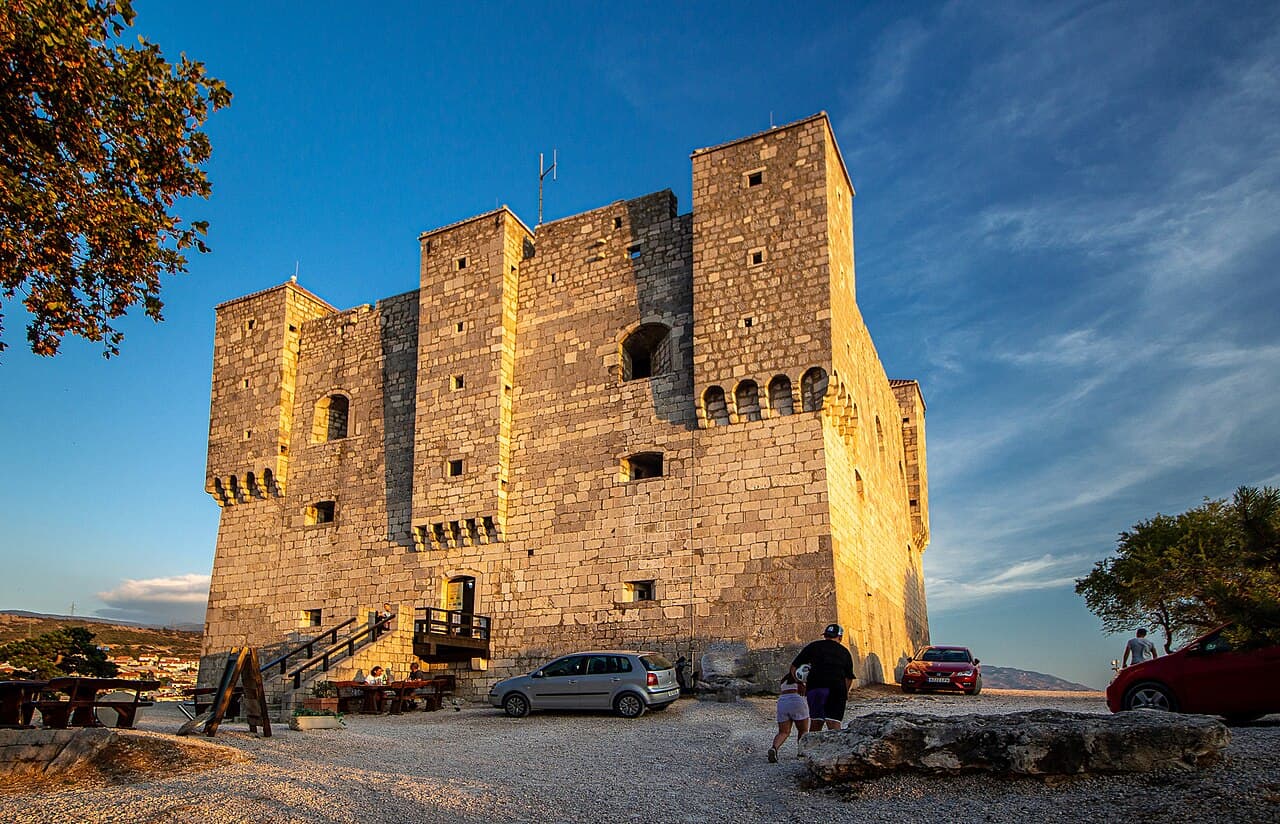
Nehaj Fortress stands prominently on the hill of the same name in the historic town of Senj, Croatia. Constructed in 1558 by the Croatian army general Ivan Lenković, the fortress was built as a strategic bastioned defense to protect the region from the advancing Ottoman Empire. Its name derives from the Croatian phrase Ne hajati, meaning "Don't care," reflecting the Uskoks' defiant spirit and their promise to defend the fortress and the town at all costs. This fortress remains a symbol of resilience and military ingenuity from the Renaissance period.
Historical context and strategic importance
The fortress was erected on the ruins of former churches, monasteries, and homes that lay outside the protective walls of Senj. These structures were deliberately dismantled to prevent them from being used by invading forces during sieges. The Uskoks, a group of Croatian soldiers and refugees known for their fierce resistance against the Ottomans, built and inhabited the fortress. Prior to Nehaj's construction, Senj had endured three unsuccessful Ottoman sieges. After the fortress was completed, neither Senj nor Nehaj Fortress itself ever fell to enemy forces, underscoring its defensive effectiveness.
The Uskoks were not only enemies of the Ottomans but also antagonists of the Venetian Republic. The Venetians regarded the Uskoks as pirates due to their attacks on Venetian shipping, extending as far as the Istrian peninsula. These conflicts escalated to the point where Venice declared war on Austria, which controlled Senj at the time. A peace treaty eventually mandated the banishment of the Uskoks, ending their century-long resistance and military campaigns. During their active years, the Uskoks upheld an oath of vengeance after losing their former stronghold of Klis to the Ottomans in 1537.
Architectural features and military design
Nehaj Fortress is a square-shaped bastioned fortress measuring approximately 18 meters in height and 23 meters in width. Its walls are robust, averaging between 2 to 3 meters thick, designed to withstand cannon fire and siege warfare typical of the Renaissance era. The fortress is crowned by five towers, strategically positioned for surveillance and defense. Along the walls, there are eleven large cannon openings, enabling defenders to cover all approaches effectively.
The fortress's bastioned design reflects the military architectural advancements of the Renaissance, incorporating angled walls and bastions to deflect artillery and eliminate blind spots. This design was crucial in countering the Ottoman threat and securing the coastal region. Inside, the fortress houses exhibits including cannons, household items, and a collection of costumes and weapons used by the Uskoks, providing visitors with a tangible connection to its martial past.
Interior and museum exhibits
The interior of Nehaj Fortress is accessible to visitors, featuring displays that illustrate the daily life and military equipment of the Uskoks. Among the exhibits are traditional costumes, weaponry, and detailed models depicting the fortress's historical context. The fortress also contains a unique feature: a medieval-style toilet that extends over the edge of the walls, although it is no longer functional.
Legacy and cultural significance
Today, Nehaj Fortress functions primarily as a museum and cultural venue. It hosts an annual medieval festival in Senj, where participants dressed as Uskoks parade on horseback up to the fortress. The festival includes crafting workshops, medieval-themed attractions, and historical reenactments, enriching the visitor experience with immersive cultural activities.
The fortress's enduring presence and well-preserved state make it an important landmark in Croatian heritage. It embodies the turbulent history of the Croatian-Ottoman frontier and the indomitable spirit of the Uskoks. Nehaj Fortress remains a testament to Renaissance military architecture and the complex political dynamics of the Adriatic coast during the 16th and 17th centuries.
Military conflicts and sieges
In 1592, a significant Ottoman force led by Telli Hasan Pasha, the beylerbey of Bosnia, launched an invasion into Croatian territory aiming to capture Senj. Although the Ottomans succeeded in overrunning several Uskok settlements and enslaving many inhabitants, the campaign ultimately failed. The Ottoman army was decisively routed and dispersed the following year, aided by Austrian forces and Venetian naval blockades under Admiral Giovanni Bembo. The Venetians also constructed two forts to control the maritime routes from Senj to the open sea, highlighting the strategic importance of this coastal region.
Governance and leadership
In 1600, Mickael Radic was appointed Prince of Senj by King Rudolf in Graz. The Radic family, native to the Lika region, were prominent Uskok military leaders based in Senj. Their leadership was instrumental in organizing the defense of the fortress and maintaining the region's security during a period marked by frequent conflict.
Visiting Nehaj fortress today
Visitors to Nehaj Fortress can explore virtually all areas of the fort, gaining insight into its architectural design and historical role. The fortress offers panoramic views of Senj and the Adriatic Sea, enhancing its appeal as a tourist destination. The museum's collections and the annual medieval festival provide engaging ways to experience the fortress's heritage firsthand.
Frequently asked questions (FAQ)
- What is the historical significance of Nejah Fortress?
- Nejah Fortress, located in Senj, Croatia, dates back to the 16th century and played a crucial role in the defense against Ottoman invasions. Its strategic position allowed it to oversee the surrounding area, making it a vital military stronghold during its time.
- When was Nejah Fortress built?
- Construction of Nejah Fortress began in the 16th century, with its primary purpose being to protect the coastal region from potential threats. The fortress showcases the military architecture of its era, reflecting the challenges faced during the period.
- How do I get to Nejah Fortress?
- Nejah Fortress is easily accessible by car or public transport from the center of Senj. Once you reach the vicinity, a short walk will lead you to the fortress, where you can enjoy the stunning views of the Adriatic Sea.
- Is it possible to visit Nejah Fortress year-round?
- Yes, Nejah Fortress is open to visitors throughout the year, but it is advisable to check local conditions and any seasonal restrictions. The fortress offers a unique glimpse into history, regardless of the season.
- What are the opening hours for Nejah Fortress?
- Nejah Fortress typically opens at 9 AM and closes at 5 PM, but hours may vary depending on the season. It’s a good idea to verify the current hours before your visit to ensure you have ample time to explore.
- Can I purchase tickets in advance for Nejah Fortress?
- While tickets are often available at the entrance, it is recommended to check if advance purchase options are offered, especially during peak tourist seasons. This can help you avoid long lines and ensure a smoother visit.
- What is the best time to visit Nejah Fortress?
- The best time to visit Nejah Fortress is during the spring and early fall when the weather is pleasant and the tourist crowds are smaller. These seasons provide ideal conditions for exploring the fortress and enjoying the picturesque surroundings.
- Are there any nearby attractions to visit after Nejah Fortress?
- Yes, after visiting Nejah Fortress, you can explore the charming town of Senj, known for its beautiful beaches and historic architecture. Additionally, the nearby Velebit National Park offers stunning natural landscapes and hiking opportunities.
- Is Nejah Fortress accessible for people with disabilities?
- While Nejah Fortress is a historical site, it may present some challenges for visitors with mobility issues due to its ancient architecture and uneven terrain. It is advisable to contact local authorities ahead of your visit to inquire about accessibility options.
Photo gallery

Information
Loading map...
Visitor reviews
No reviews yet. Been here? Write the first review and help other travelers!
Write the first reviewVisited this castle? Share your experience
Your review helps other travelers and adds first-hand knowledge to our encyclopedia.