Nagashima Castle
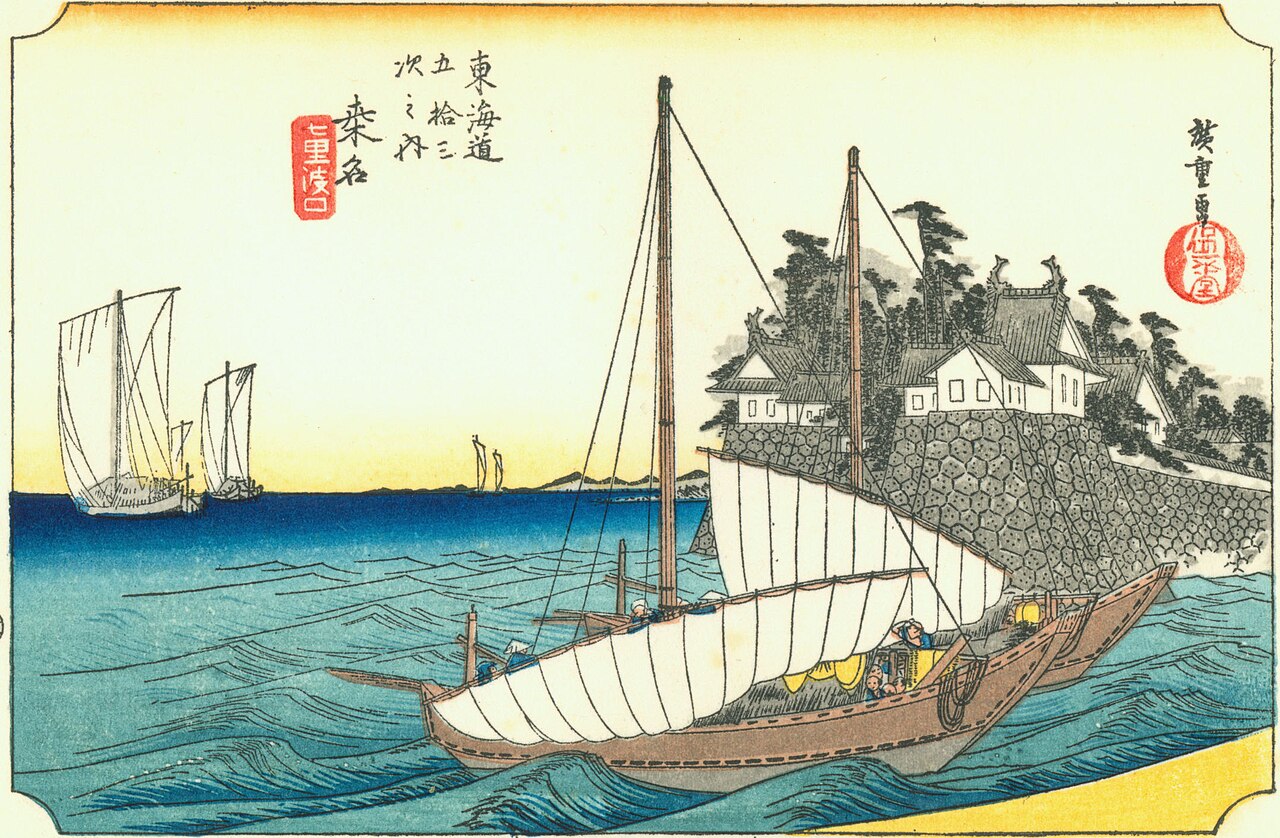
Nagashima Castle (長島城, Nagashima-jō) is a historic hill castle located in the northern part of the city of Kuwana, within Mie Prefecture, Japan. This castle is notable for its role as the administrative center of the Nagashima Domain during the Edo period, a time when Japan was under the rule of the Tokugawa shogunate from the early 17th century to the mid-19th century.
Historical background and significance
The origins of Nagashima Castle trace back to the 13th century, placing its construction in the high medieval period of Japanese history. This era was marked by the rise of feudal lords and the establishment of fortified structures to secure territorial control. The castle was strategically positioned on a hill, a common defensive choice in Japanese castle architecture, allowing for surveillance over the surrounding plains and waterways.
Throughout its history, Nagashima Castle played a significant role in regional power struggles and governance. During the Edo period, it was the seat of the Nagashima Domain, overseeing local administration, economic affairs, and military readiness. The castle’s governance contributed to the stability and development of the region under the Tokugawa regime.
Architectural features and style
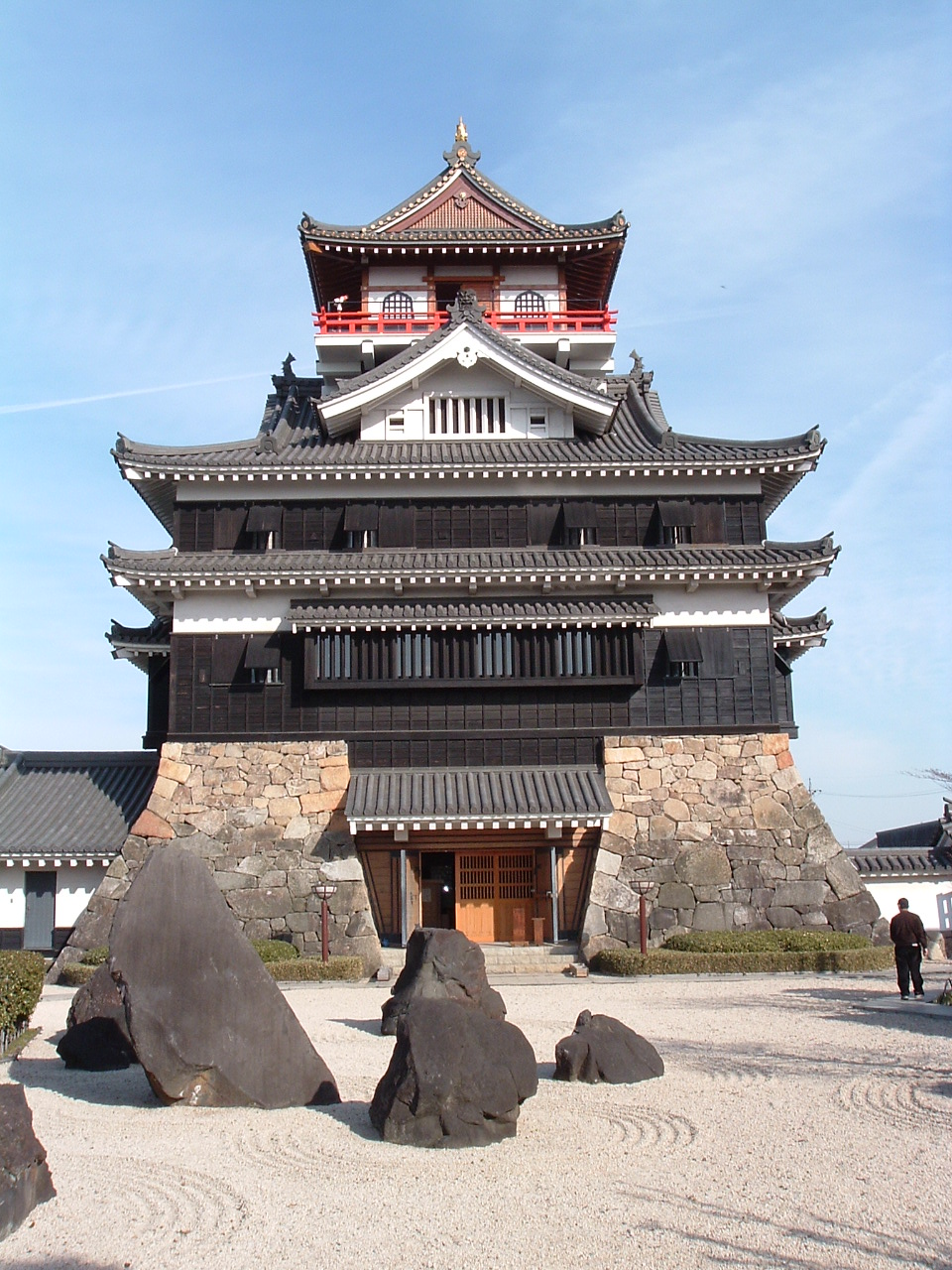
Nagashima Castle is classified as a hirashiro-style castle, which means it was built on flatland or low hills rather than on a mountain or steep terrain. However, the castle’s placement on a hill provided natural defensive advantages. Its design incorporated typical features of Japanese castles from the medieval and Edo periods, including stone walls, moats, and watchtowers.
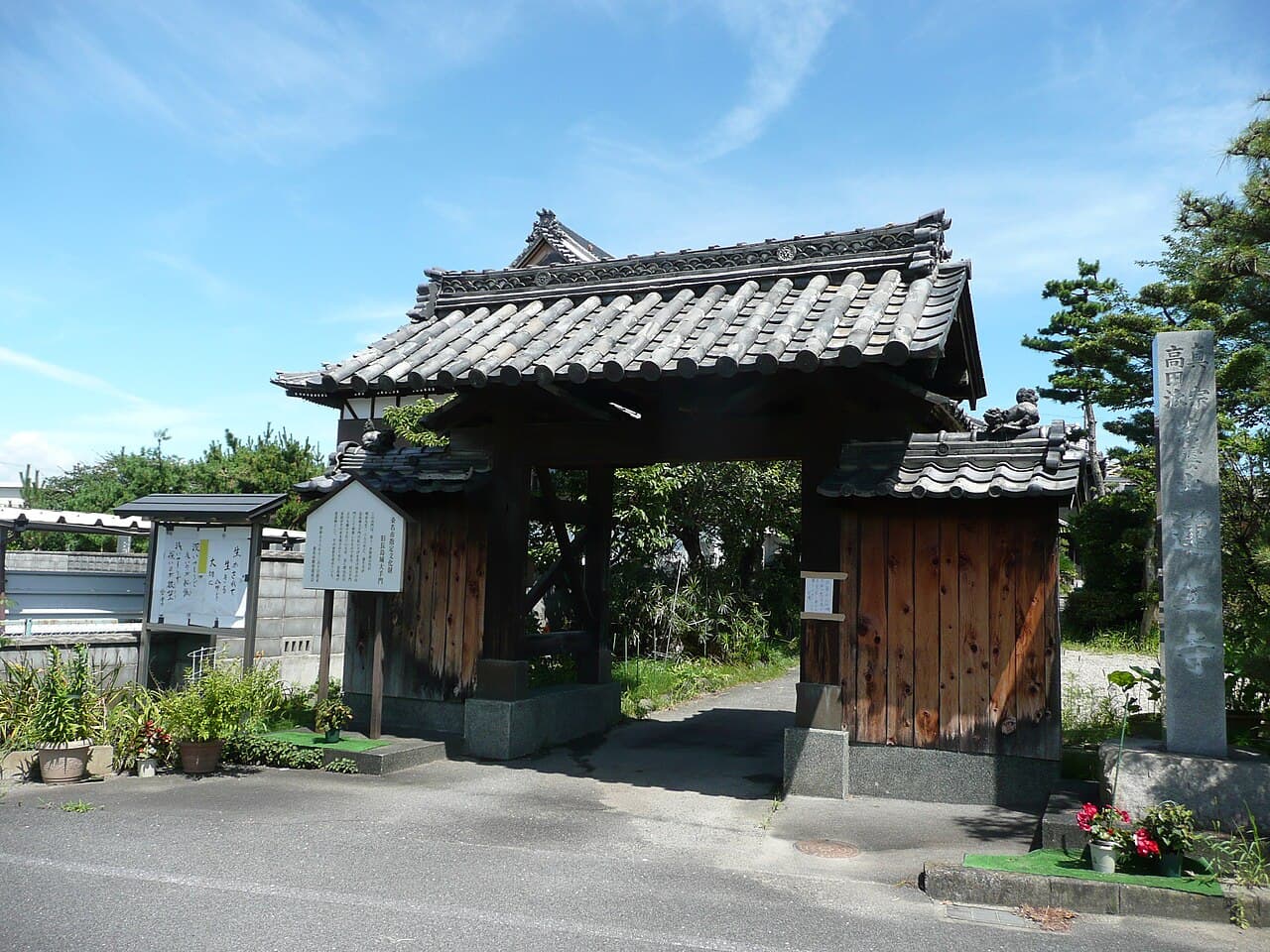
The castle complex included multiple baileys (courtyards) surrounded by fortified walls and gates. The main keep or tenshu was likely a modest structure compared to grander castles but served as the administrative and military command center. Defensive elements such as arrow slits and gates with multiple layers enhanced its security against potential attacks.
Defensive layout
The castle’s layout took advantage of the hill’s natural contours, integrating man-made fortifications with the terrain. Moats surrounded the castle, serving both as physical barriers and as means to control access. The walls were constructed from locally sourced stone, carefully fitted to withstand siege weaponry and natural erosion.
Role during the Edo period
During the Edo period, Nagashima Castle functioned primarily as the administrative headquarters for the Nagashima Domain. It housed the daimyo’s residence and offices where governance and judicial matters were conducted. The castle was also a symbol of the daimyo’s authority and prestige within the Tokugawa feudal system.
The domain managed agricultural production, taxation, and local law enforcement from the castle. Its location was strategic for overseeing transportation routes and regional trade, contributing to the domain’s economic vitality.
Current condition and cultural importance
Today, Nagashima Castle remains a site of historical interest. While much of the original structure has not survived intact, the castle grounds retain elements of the original fortifications, including remnants of stone walls and moats. These ruins provide valuable insights into medieval Japanese castle construction and feudal administration.
The site is recognized for its cultural heritage value and attracts visitors interested in Japanese history and architecture. Preservation efforts focus on maintaining the ruins and interpreting the castle’s historical context for educational purposes.
Visitor information
Visitors to Nagashima Castle can explore the castle grounds and enjoy views of the surrounding landscape. Informational signage and local museums offer additional context about the castle’s history and significance. The site is accessible from Kuwana city center and is part of regional cultural tourism initiatives.
Frequently asked questions (FAQ)
- What is the historical significance of Nagashima Castle?
- Nagashima Castle, built in the early 16th century, played an important role during Japan's Sengoku period. It served as a strategic stronghold for local feudal lords and witnessed numerous battles, making it a symbol of the region's turbulent past.
- When was Nagashima Castle constructed?
- Nagashima Castle was originally constructed in 1545 by the Matsudaira clan. It has undergone various renovations and restorations over the centuries, preserving its historical architecture and cultural essence.
- Is it possible to visit Nagashima Castle?
- Yes, Nagashima Castle is open to the public, allowing visitors to explore its grounds and learn about its rich history. The castle offers guided tours and informational displays for a more immersive experience.
- What are the opening hours of Nagashima Castle?
- Nagashima Castle is typically open from 9:00 AM to 5:00 PM, with extended hours during peak tourist seasons. It is advisable to check the official website for any seasonal changes or special events that may affect opening hours.
- Can I access Nagashima Castle by public transportation?
- Yes, Nagashima Castle is accessible by public transportation. Visitors can take a train to Kuwana Station and then a short bus ride to reach the castle, making it convenient for tourists without a car.
- What is the best time to visit Nagashima Castle?
- The best time to visit Nagashima Castle is during the cherry blossom season in spring (March to April) or the colorful foliage of autumn (October to November). These seasons enhance the castle's picturesque surroundings, providing a stunning backdrop for photography.
- Are there any nearby attractions to Nagashima Castle?
- Yes, nearby attractions include the Nagashima Spa Land amusement park and the famous Nabana no Sato flower park. Both offer unique experiences, making it easy to plan a full day of activities around your visit to the castle.
- What are the ticket prices for Nagashima Castle?
- Ticket prices for Nagashima Castle are generally affordable, with discounts available for children and seniors. It's best to check the official website for the most current pricing and any available promotions.
Photo gallery

Information
Loading map...
Visitor reviews
No reviews yet. Been here? Write the first review and help other travelers!
Write the first reviewVisited this castle? Share your experience
Your review helps other travelers and adds first-hand knowledge to our encyclopedia.