Kuwana Castle
Kuwana Castle (桑名城, Kuwana-jō) is a prominent hill castle located in Kuwana, in the northern part of Mie Prefecture, Japan. Constructed in the 17th century, it served as an important stronghold during the Edo period and was the seat of a branch of the Matsudaira clan, who ruled the Kuwana Domain. Known also by the names Ōgi-jō (扇城) and Asahi-jō (旭城), Kuwana Castle played a significant role in regional defense and administration.
Historical background and strategic importance
The castle was built during the early Edo period, a time when Japan was under the rule of the Tokugawa shogunate, which sought to stabilize and consolidate power through the construction and maintenance of castles across the country. Kuwana Castle's location was strategically chosen for its position near the Ibi River and the surrounding plains, providing a natural defensive advantage. It also controlled key transportation routes connecting the Kansai region with the Tokai region, making it a vital military and administrative center.
Architectural features and design
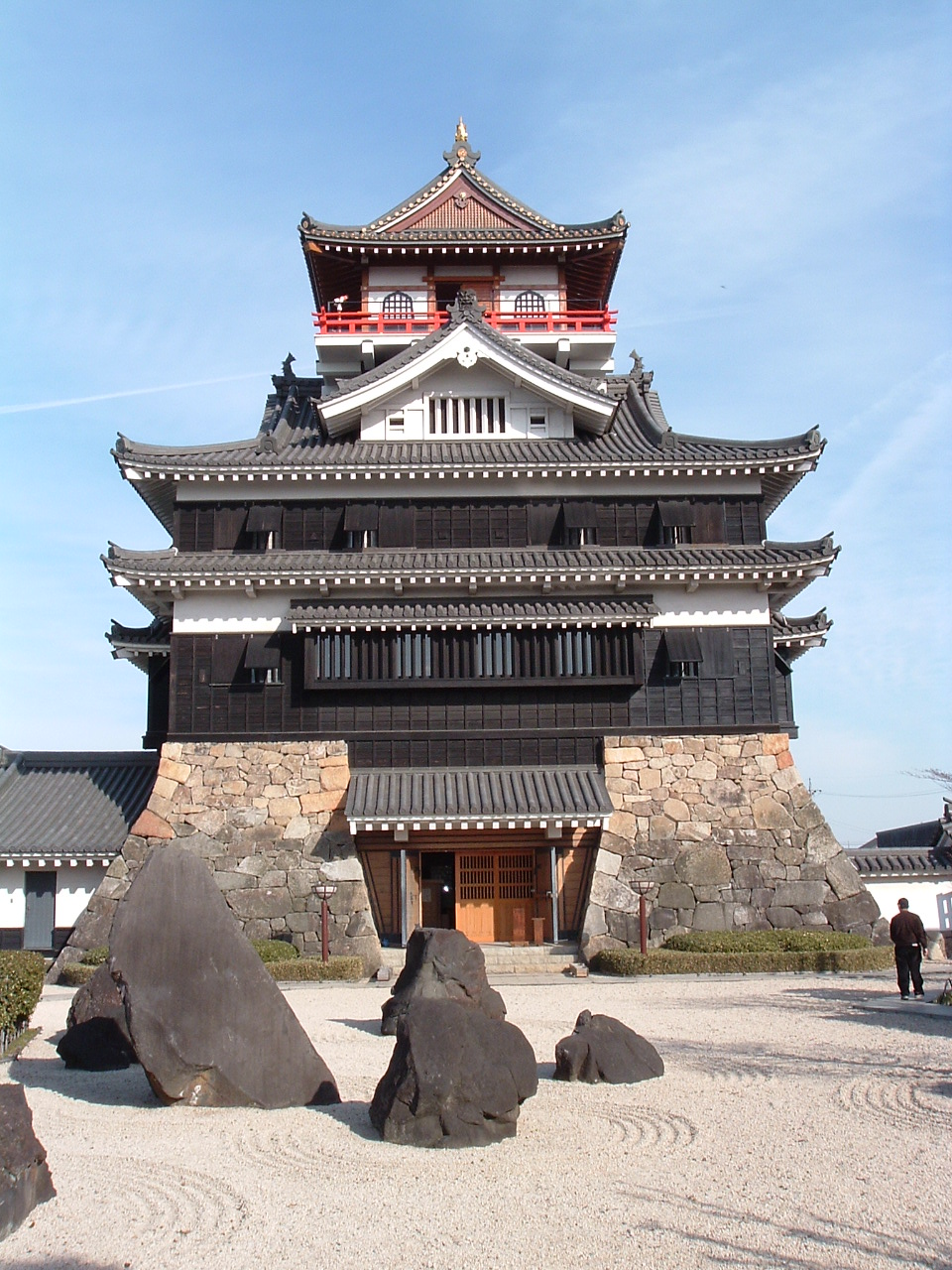
Kuwana Castle exemplifies the characteristics of a hill castle (yamashiro), constructed on elevated terrain to maximize defense capabilities. The castle's layout included multiple baileys (courtyards) surrounded by moats and stone walls, which were typical defensive features in Japanese castle architecture. The main enclosure (honmaru) housed the tenshu or main keep, although records suggest that Kuwana Castle's tenshu was modest compared to other major castles, reflecting its role as a regional stronghold rather than a grand feudal palace.
The castle's walls and gates were constructed using traditional Japanese techniques, incorporating earthen ramparts reinforced with stone bases. The moats were designed both as physical barriers and as water management systems, taking advantage of the nearby river. Defensive towers (yagura) were positioned at key points along the walls to provide vantage points for surveillance and archery.
Castle grounds and layout
The castle grounds were divided into several baileys, including the honmaru (main bailey), ninomaru (second bailey), and sannomaru (third bailey), each serving different administrative and residential functions. The honmaru contained the lord's residence and important administrative buildings, while the outer baileys housed samurai residences, storehouses, and other support structures.
Historical significance during the edo period
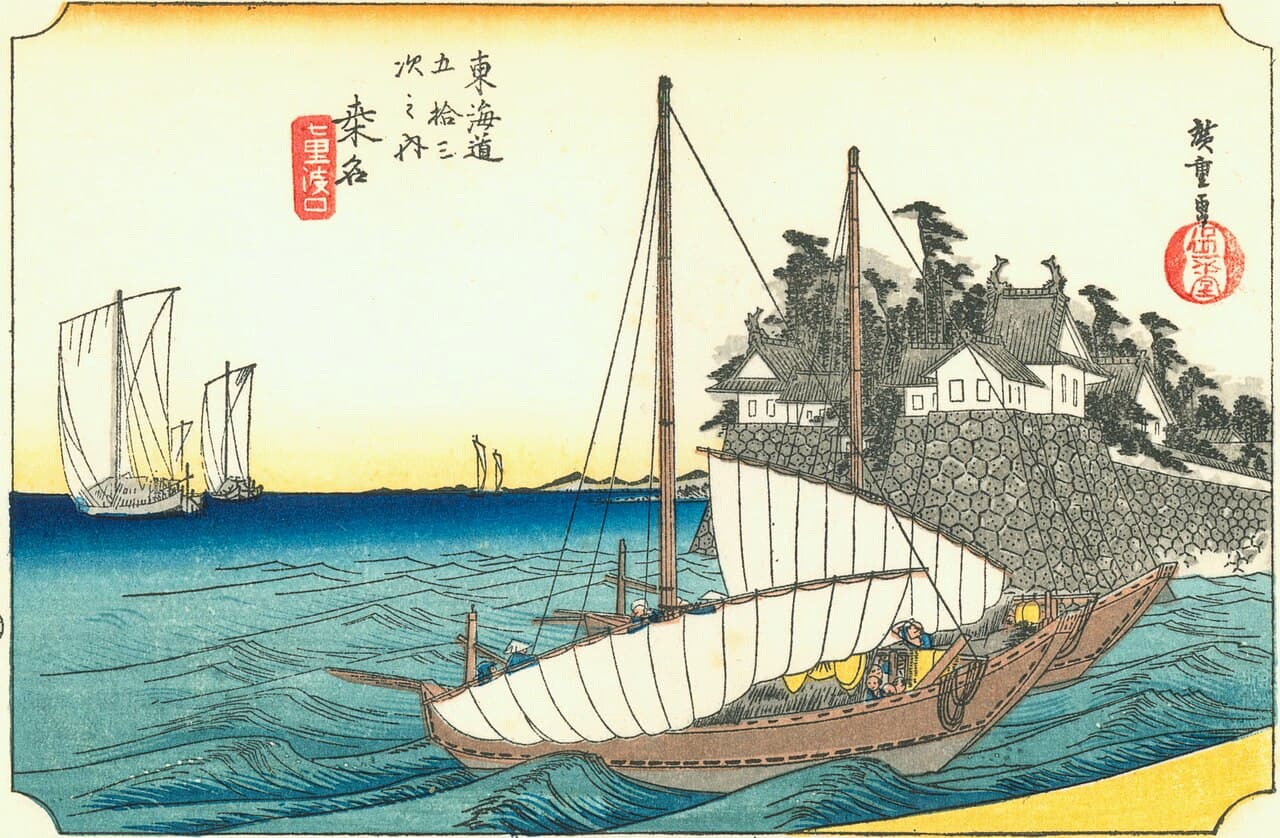
During the Edo period, Kuwana Castle was the seat of a branch of the Matsudaira clan, who were relatives of the Tokugawa family and held significant influence. The castle's lords governed the Kuwana Domain, overseeing the local economy, justice, and military affairs. Kuwana was also a key post on the Tōkaidō, the main road connecting Edo (modern Tokyo) with Kyoto, enhancing the castle's importance as a hub for travel and communication.
The castle witnessed various historical events, including the political shifts during the late Edo period leading up to the Meiji Restoration. Although it did not play a major role in battles, its position made it a valuable asset for controlling the surrounding region.
Modern status and preservation
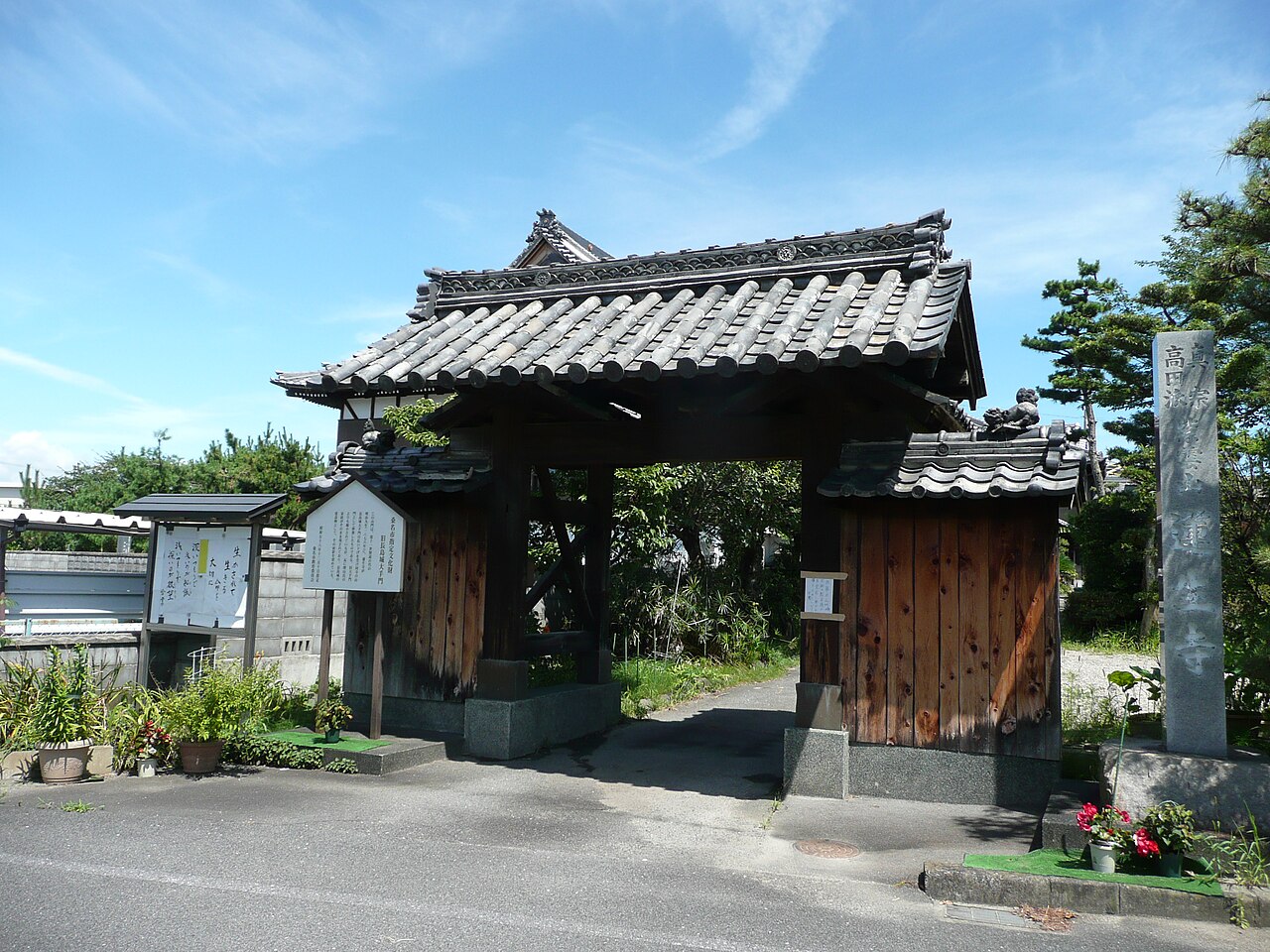
Following the Meiji Restoration and the subsequent abolition of the feudal domain system, Kuwana Castle was dismantled, as were many Japanese castles, to reduce the power of the former feudal lords. Today, only remnants of the castle remain, including portions of the stone walls, moats, and some reconstructed gates. The site serves as a historical park and is a popular destination for visitors interested in Japan's feudal history and castle architecture.
Efforts have been made to preserve and restore parts of the castle grounds, providing educational information and maintaining the cultural heritage of Kuwana. The castle ruins offer insight into the architectural style and defensive strategies of the Edo period.
Visiting information and cultural significance
Kuwana Castle is accessible to the public and offers a glimpse into Japan's feudal past. Visitors can explore the castle grounds, walk along the moats and stone walls, and learn about the Matsudaira clan's role in regional governance. The site hosts cultural events and seasonal festivals that celebrate traditional Japanese heritage.
The castle's location in Mie Prefecture also makes it a convenient stop for travelers exploring other historical sites and natural attractions in the region.
Frequently asked questions (FAQ)
- How do I get to Kuwana Castle?
- Kuwana Castle is located in Kuwana city, Mie Prefecture, and is accessible by local train and bus services. It is within walking distance from Kuwana Station, making it convenient for visitors traveling from major cities like Nagoya and Osaka.
- What are the opening hours of Kuwana Castle?
- The castle grounds are generally open to the public during daylight hours, typically from 9:00 AM to 5:00 PM. However, it is advisable to check the local municipality's website for seasonal variations or special event closures.
- Is there an admission fee to visit Kuwana Castle?
- Visiting the castle grounds is usually free of charge. Some special exhibitions or events may require a small admission fee, but general access to the ruins and park is open to all visitors.
- What architectural features can I see at Kuwana Castle?
- Visitors can see the remains of the castle's stone walls, moats, and some reconstructed gates. The layout of the baileys and defensive structures reflects typical Edo period hill castle design.
- Why was Kuwana Castle important during the Edo period?
- Kuwana Castle was strategically located near key transportation routes and served as the seat of a Matsudaira clan branch. It played a vital role in regional governance and defense along the Tōkaidō road.
Photo gallery

Photo by Utagawa Hiroshige•Public domain
Information
Current owner
Municipality
Loading map...
Visitor reviews
No reviews yet. Been here? Write the first review and help other travelers!
Write the first reviewVisited this castle? Share your experience
Your review helps other travelers and adds first-hand knowledge to our encyclopedia.