Mylopotamos Castle
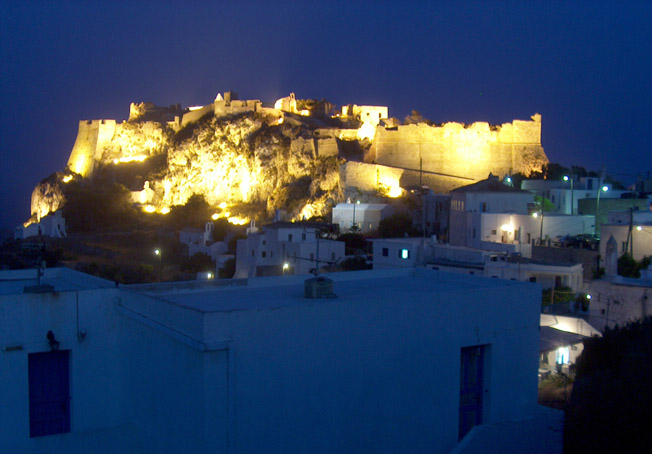
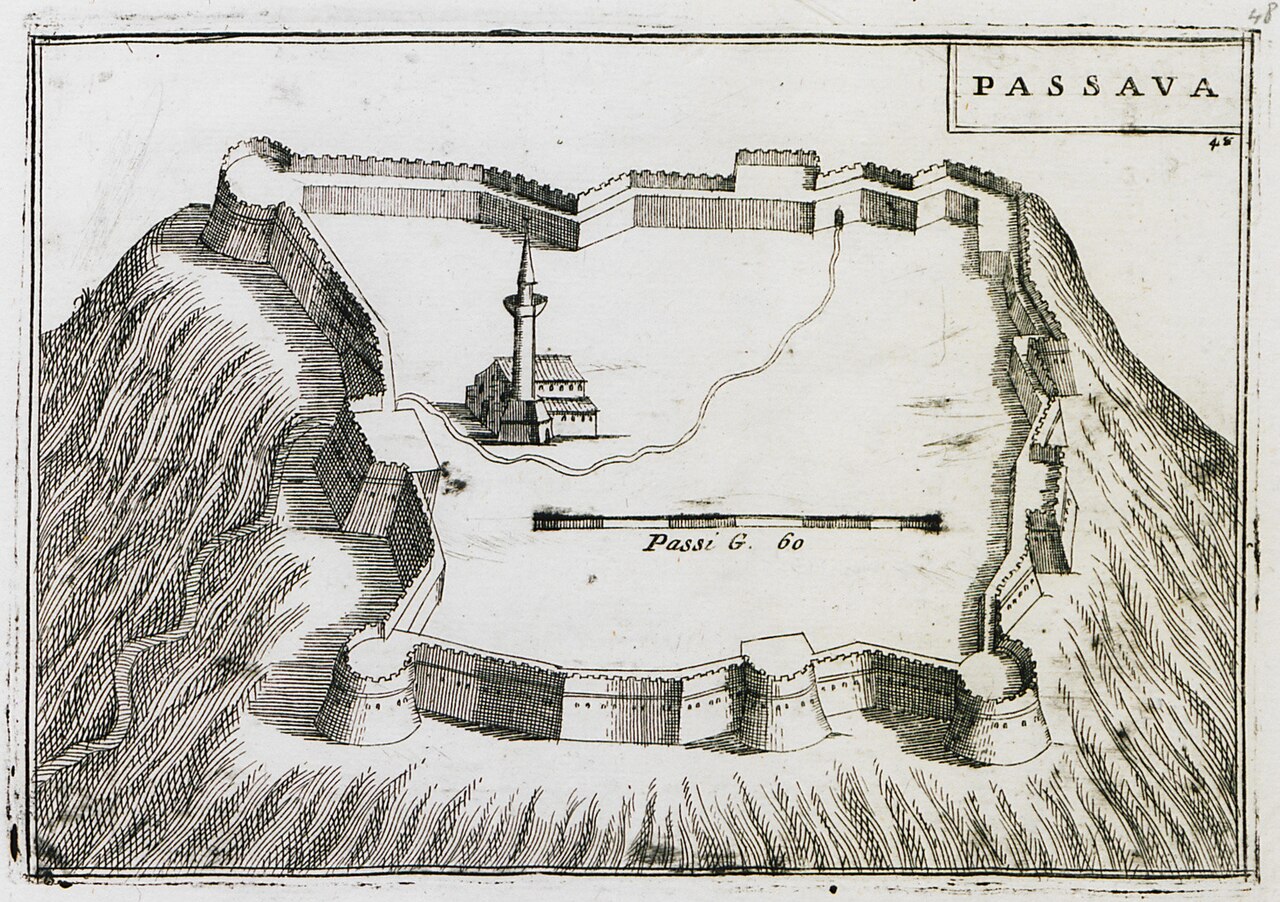
Mylopotamos Castle stands as a prominent example of Venetian military architecture on the island of Kythira, Greece. Constructed in 1566 during the Renaissance period, this hill castle was strategically built to oversee and control the west coast of Kythira and the adjacent Ionian Sea. The castle’s location was chosen for its commanding views, which allowed the Venetians to monitor maritime activity and defend the local population against pirate raids and other threats prevalent during the 16th century.
The castle retains a distinctive symbol of Venetian power: the carved lion of Saint Markos displayed prominently above the central gate. This lion, a heraldic emblem of the Venetian Republic, holds an open book inscribed with the Latin phrase PAX TIBI MARCE EVANGELISTA MEUS, MDLXV, translating to "Peace to you, Mark, my Evangelist, 1565." This inscription not only dates the castle’s construction but also emphasizes the Venetian influence and authority over the region at that time.
Historical background and development
Before the castle's construction, the site had been occupied since at least the 14th century, indicating a long-standing settlement that evolved over time. The original settlement grew in importance after the Ottoman naval raids of 1537 devastated other parts of Kythira, prompting the Venetians to reinforce and rebuild the fortifications at Mylopotamos. This rebuilding effort transformed the site into a fortified refuge designed primarily to protect the island's inhabitants rather than to serve as a large military garrison.
Architectural features and layout
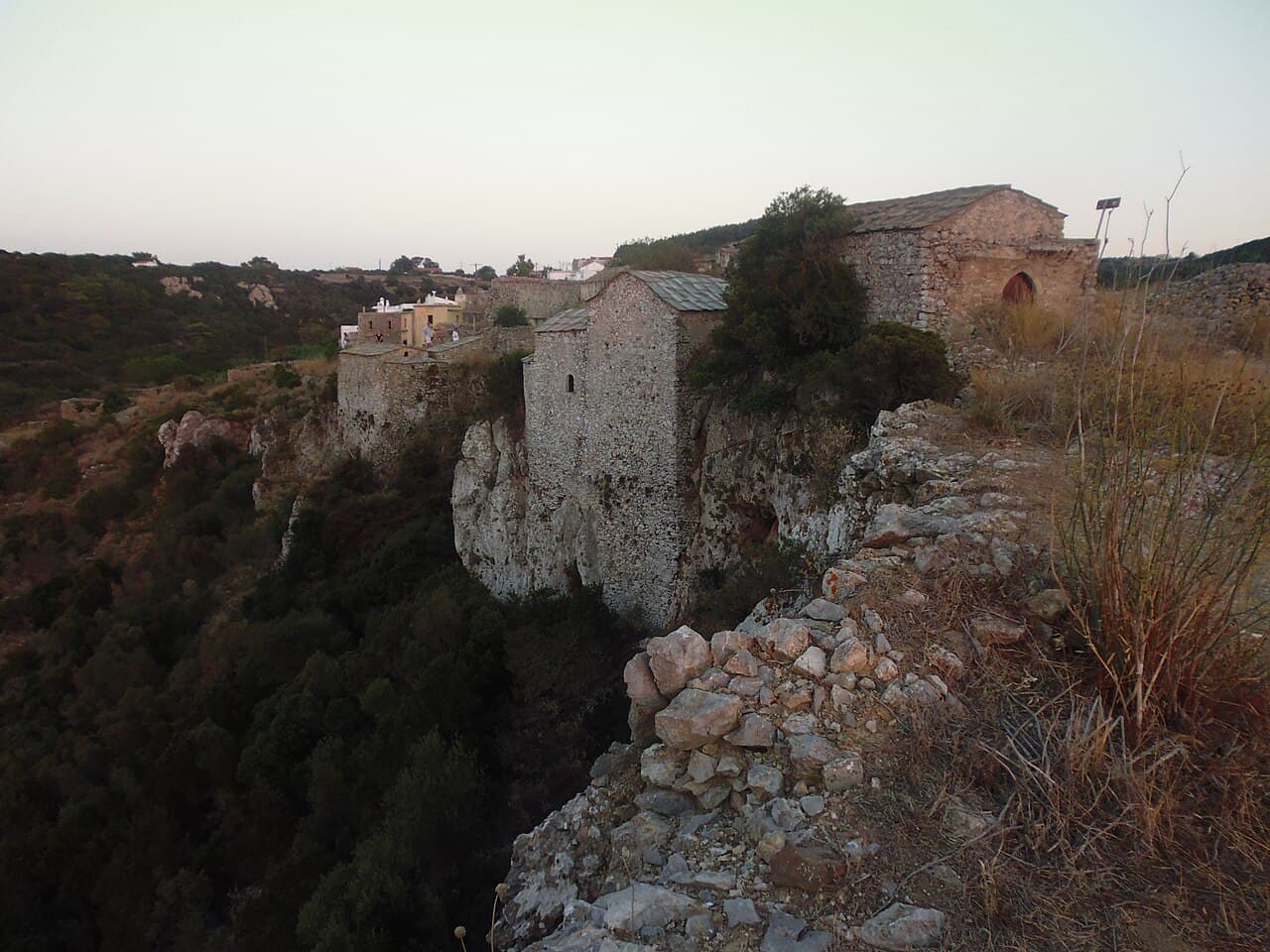
The castle is characterized by its narrow streets and the remains of two-storey houses with predominantly flat roofs, which contribute to a preserved atmosphere that transports visitors back in time. The ground floors of these houses were typically used as warehouses for goods and supplies, while the upper floors were accessed via external stone staircases. This architectural arrangement reflects practical considerations for storage and living quarters within the confined space of the castle walls.
The overall design of Mylopotamos Castle reflects the Renaissance military architectural principles adapted by the Venetians, including thick defensive walls and a compact layout optimized for defense. The castle's position on a hill provided natural protection and enhanced its defensive capabilities.
Religious structures within the castle
Inside the castle's walls are the remains of nine single-aisle churches dating from the 16th and 17th centuries. These churches are notable for their Byzantine and post-Byzantine frescoes, which provide valuable insight into the religious art and cultural influences of the period. The presence of multiple churches within the castle underscores the importance of faith and community for the inhabitants during times of siege or uncertainty.
Strategic importance and usage
While the castle's elevated position allowed for control over maritime routes and the western approaches to Kythira, its primary function was the protection of the local population. The fortification served as a safe haven during attacks and pirate incursions, reflecting the turbulent political and military environment of the 16th century Mediterranean. Unlike larger Venetian fortresses designed for extensive military campaigns, Mylopotamos Castle was more modest in scale but vital for local security.
Present condition and visitor experience
Today, Mylopotamos Castle is a partially preserved historical site that offers visitors a glimpse into the past through its surviving structures and evocative atmosphere. The castle’s semi-ruined houses, narrow cobblestone streets, and the enduring lion of Saint Markos create a compelling setting for exploring Venetian heritage on Kythira. Visitors can observe the architectural details that have withstood centuries, including the external staircases and the remnants of religious art.
The castle's location overlooking the Ionian Sea also provides scenic views, enhancing the cultural and natural appeal of the site. Its combination of military, residential, and religious elements makes Mylopotamos Castle a unique destination for those interested in Renaissance fortifications and Venetian influence in the Greek islands.
Access and tourism information
While the castle is open to the public, facilities are limited due to its preservation status. Visitors are encouraged to explore the site respectfully, taking care to preserve the fragile ruins and frescoes. The castle’s historical significance and picturesque setting make it a notable stop for travelers exploring Kythira’s rich cultural landscape.
Frequently asked questions (FAQ)
- How do I get to Mylopotamos Castle?
- Mylopotamos Castle is located on the island of Kythira, Greece. You can reach the castle by taking a local bus or driving from the main town, Chora. The drive offers stunning views of the surrounding landscape, and parking is available near the site.
- What is the historical significance of Mylopotamos Castle?
- Mylopotamos Castle was built during the Venetian period in the 16th century to protect the island from pirate attacks. It played a crucial role in the defense of Kythira and has witnessed numerous historical events over the centuries. Today, it stands as a testament to the island's rich history and cultural heritage.
- When was Mylopotamos Castle constructed?
- Construction of Mylopotamos Castle began in the late 15th century and was completed in the early 16th century. The castle was strategically built on a hilltop to provide a vantage point against potential invaders. Its architectural style reflects the influence of both Venetian and local building techniques of the time.
- Can I enter Mylopotamos Castle?
- Yes, visitors can enter Mylopotamos Castle and explore its ruins. Walking through the castle provides a glimpse into its past and offers panoramic views of the surrounding countryside. Be sure to wear comfortable shoes, as the terrain can be uneven.
- Why is Mylopotamos Castle a popular tourist attraction?
- Mylopotamos Castle is popular due to its historical significance, stunning architecture, and breathtaking views. It offers visitors a unique opportunity to immerse themselves in the rich history of Kythira while enjoying the natural beauty of the island. The combination of history and scenery makes it a must-visit destination.
- Is it possible to visit Mylopotamos Castle year-round?
- Yes, Mylopotamos Castle is accessible to visitors year-round, although the best time to visit is during the spring and fall when the weather is mild. Summer months can be quite hot, making the exploration less comfortable. Always check local conditions before your visit to ensure a pleasant experience.
- What are the opening hours for Mylopotamos Castle?
- Mylopotamos Castle is generally open from dawn until dusk, allowing visitors ample time to explore throughout the day. However, it's advisable to check local resources for any seasonal changes in hours or potential restrictions. Planning your visit during daylight ensures you can fully appreciate the views and historical context.
- Are there any nearby attractions to Mylopotamos Castle?
- Yes, there are several nearby attractions including the picturesque village of Mylopotamos, known for its charming architecture and local tavernas. Additionally, the nearby beaches, such as Firi Ammos and Agia Pelagia, offer a perfect spot to relax after a day of exploring the castle. Don't miss the chance to experience the local culture and cuisine in the surrounding area.
- What are the ticket prices for Mylopotamos Castle?
- There is no admission fee to enter Mylopotamos Castle, making it an accessible destination for all visitors. However, some guided tours or events may have associated costs. Always check in advance for any special activities that may require a fee.
Photo gallery

Information
Loading map...
Visitor reviews
No reviews yet. Been here? Write the first review and help other travelers!
Write the first reviewVisited this castle? Share your experience
Your review helps other travelers and adds first-hand knowledge to our encyclopedia.