Castle of Chora
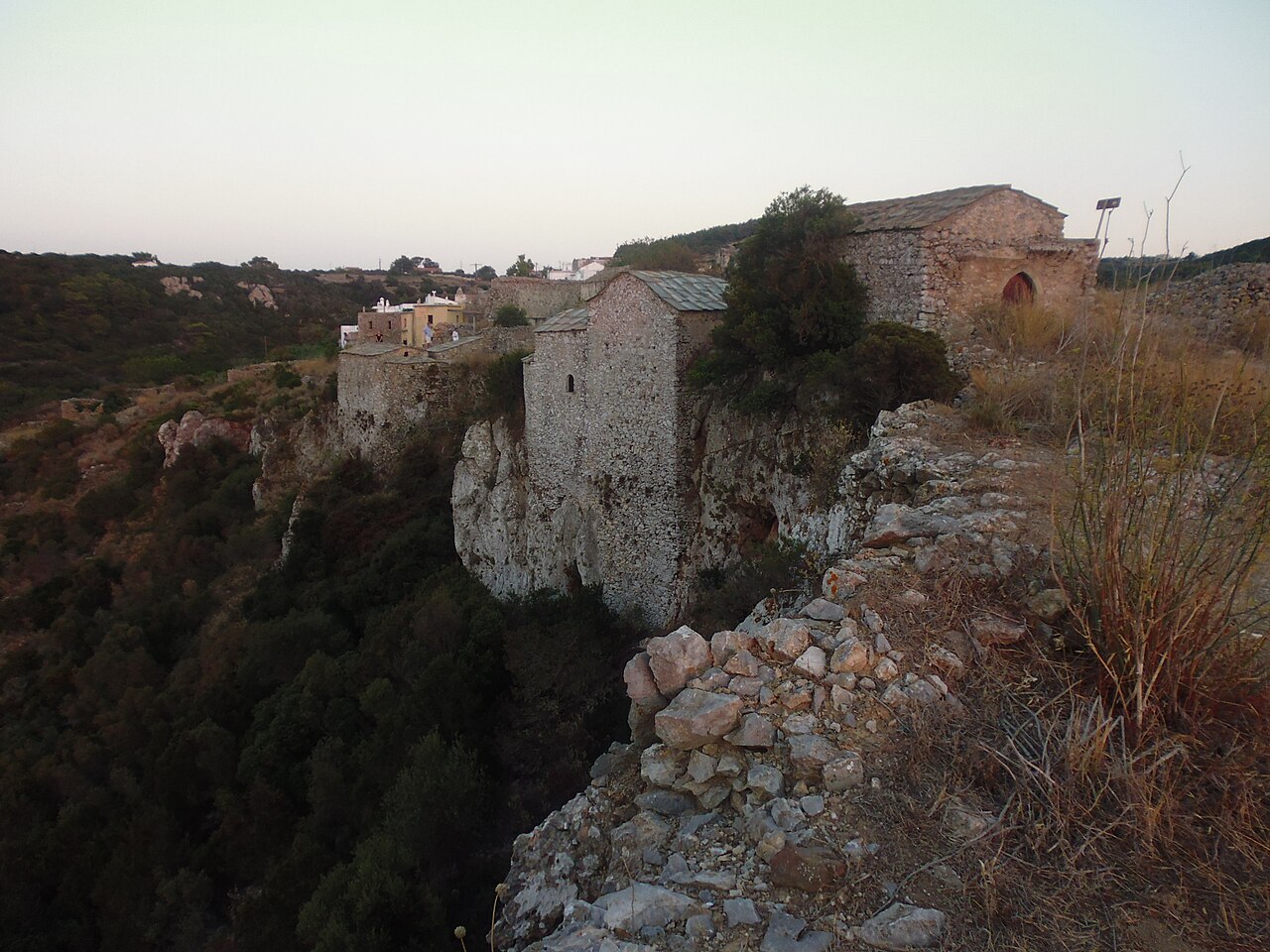
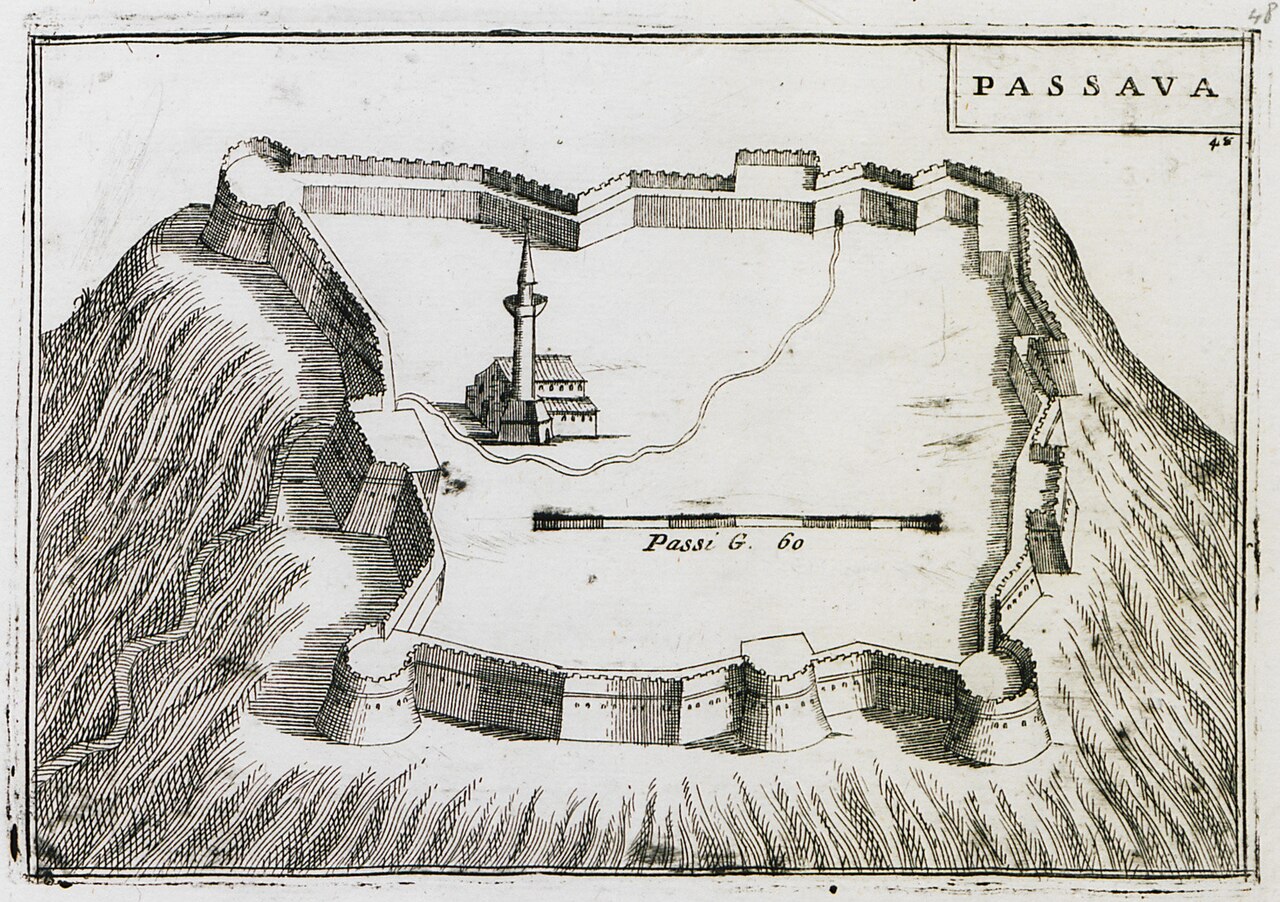
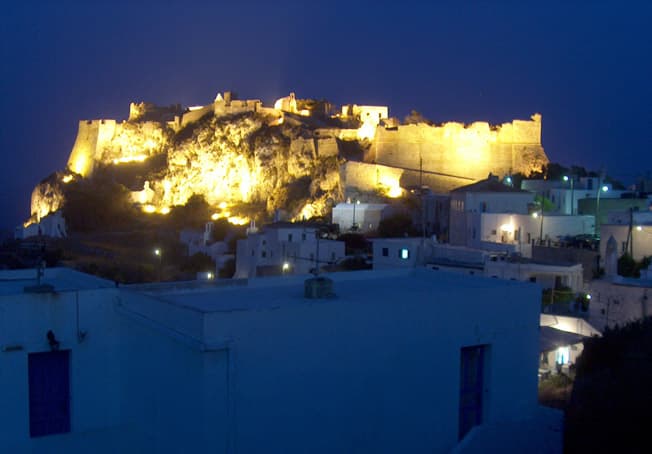
The Castle of Chora, also known as the Venetian Castle of Kythira, stands as the most distinctive and historically significant monument on the island of Kythira, Greece. Perched on a commanding hilltop more than 200 meters above sea level, this hill castle offers expansive views over the Ionian, Aegean, and Cretan seas, a strategic vantage point that earned it the nickname "The eye of Crete". Its origins trace back to the High Medieval period, with construction beginning in the late 12th century and continuing through the early 13th century during the Venetian occupation. The castle was built in multiple phases, with the most significant expansion and fortification completed by the Venetians in 1503 AD.
Historical background and strategic importance
The site of the Castle of Chora has long been valued for its defensive potential and control over vital maritime routes. An earlier fortress likely existed here during the Byzantine period, although the present structure primarily reflects Venetian military architecture. The fortress was a critical stronghold for the Venetian Republic, which controlled it until 1797. Its position allowed oversight of key sea passages linking the Ionian, Aegean, and Cretan seas, making it a linchpin in regional defense and trade.
The Venetian noble family Venier played a prominent role in the castle's construction and enhancement. Over the centuries, the castle changed hands multiple times, reflecting the turbulent history of the region. After Venetian rule, it was briefly held by the Ottoman Empire from 1715 to 1718, followed by a complex sequence of occupations involving French, Russian-Turkish, and British forces between the late 18th and mid-19th centuries.
During the French occupation, the symbolic Lion of Saint Mark, emblematic of Venetian authority, was removed from the castle. The fortress also served as a civilian settlement housing around 200 residents by the mid-19th century. Its last military use occurred during World War II, when German and Italian forces utilized it for strategic purposes.
Architectural features and layout
The Castle of Chora extends approximately 200 meters in length and 80 meters in width, enclosed by robust defensive walls about one meter thick. The main entrance is situated on the western side, flanked by historical features such as the former prison on the left and a large vaulted cistern on the right, constructed during the Venetian period to ensure water supply during sieges.
Within the fortress, there are ruins of tightly clustered two-story houses where Venetian conquerors and later inhabitants lived. The castle also contains a variety of cannons from different eras, including Venetian, Russian-Turkish, and British periods, highlighting its continuous military significance.
The eastern sector houses the former Venetian governor's palace, which later became the residence of the British High Commissioner. This building currently serves as the Historical Archive of Kythira, preserving documents dating back to the mid-16th century and offering invaluable insights into the island's past.
Religious structures within the castle
The fortress contains four notable churches. The oldest is the Church of Pantokrator, built in 1545, featuring impressive frescoes that have survived through the centuries. The largest and most significant church is Panagia Myrtidiotissa, constructed in 1580. Originally a Catholic church, it was converted to Orthodox use in 1806. This church houses the revered miracle-working icon of Myrtidiotissa, which was kept here for nearly two centuries as a protective symbol against pirate invasions.
Adjacent to the Historical Archive is the Church of Panagia Orphane (Virgin Mary the Orphan), another important religious site within the castle walls. Outside the fortress on the north side, a second castle wall encloses additional churches and residences, expanding the historical footprint of the site.
Defensive and residential elements
The castle's defensive features include thick walls, strategically positioned battlements, and a layout designed to maximize surveillance and protection. The presence of a gunpowder magazine and the preserved prison area underscore the fortress's role as a military stronghold.
Residential buildings within the castle were constructed to accommodate the garrison and civilian population during times of peace and conflict. These two-story homes reflect the architectural style and living conditions of the Venetian period and later occupants.
Cultural heritage and modern significance
Today, the Castle of Chora remains a well-preserved monument that offers a comprehensive view of the island's layered history. It stands as a testament to the Venetian Republic's architectural and military prowess and the strategic importance of Kythira in Mediterranean maritime routes.
The castle is a major cultural attraction, drawing visitors interested in medieval fortifications, Venetian history, and Greek Orthodox heritage. Its panoramic views, preserved structures, and religious art provide a rich experience for historians, architects, and tourists alike.
The Historical Archive of Kythira housed within the former governor's palace serves as a vital resource for researchers studying the island's history from the 16th century onward. The castle's churches continue to be places of worship and cultural significance, linking past and present traditions.
Frequently asked questions (FAQ)
- How do I get to the Castle of Chora in Kythira?
- The Castle of Chora is located in the town of Chora on the island of Kythira. It is accessible by car or local transport from the island's main ports and villages. The castle is situated on a hilltop, so be prepared for a short uphill walk to reach the entrance.
- What are the main historical periods represented in the Castle of Chora?
- The castle primarily reflects the High Medieval period with significant Venetian architectural influence from the 12th to the 16th centuries. It also shows layers from Ottoman, French, Russian-Turkish, and British occupations in later centuries.
- Can visitors explore the churches inside the castle?
- Yes, visitors can explore the four churches within the castle walls, including the Church of Pantokrator and Panagia Myrtidiotissa. These churches feature historic frescoes and religious icons important to the island's heritage.
- Is the Castle of Chora open year-round?
- The castle is generally open to visitors year-round, though opening hours may vary seasonally. It is advisable to check with the local municipality or tourist information centers for current visiting hours before planning your trip.
- Are there guided tours available at the castle?
- Guided tours are occasionally offered by local cultural organizations and the municipality of Kythira. These tours provide in-depth historical and architectural insights and are recommended for a fuller understanding of the site.
Photo gallery

Photo by Χρήστος Μακροζαχόπουλος•Attribution
Information
Sources & official resources
Verify the information above using these authoritative references.
Loading map...
Visitor reviews
No reviews yet. Been here? Write the first review and help other travelers!
Write the first reviewVisited this castle? Share your experience
Your review helps other travelers and adds first-hand knowledge to our encyclopedia.