Mykulyntsi Castle
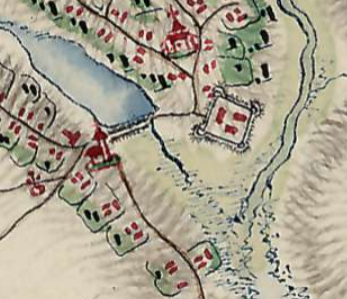
Mykulyntsi Castle (Ukrainian: Микулинецький замок, romanized: Mykulynets'kyi zamok) is a prominent Renaissance hill castle located in the town of Mykulyntsi within the Ternopil Oblast of western Ukraine. Constructed in 1550, this castle stands as a significant architectural monument of national importance and reflects the military and residential architectural trends of the 16th century in Eastern Europe.
Historical background and founding
The castle was commissioned by Anna Jordanowa, a member of the influential Sieniawski family and wife of Spytek Wawrzyniec Jordan, who served as the castellan of Kraków. The Jordans were a powerful noble family with extensive holdings and political influence in the region during the Renaissance period. The castle's construction was part of the broader efforts by local nobility to fortify their estates against frequent incursions and to assert their status through imposing residences.
Architectural features and design
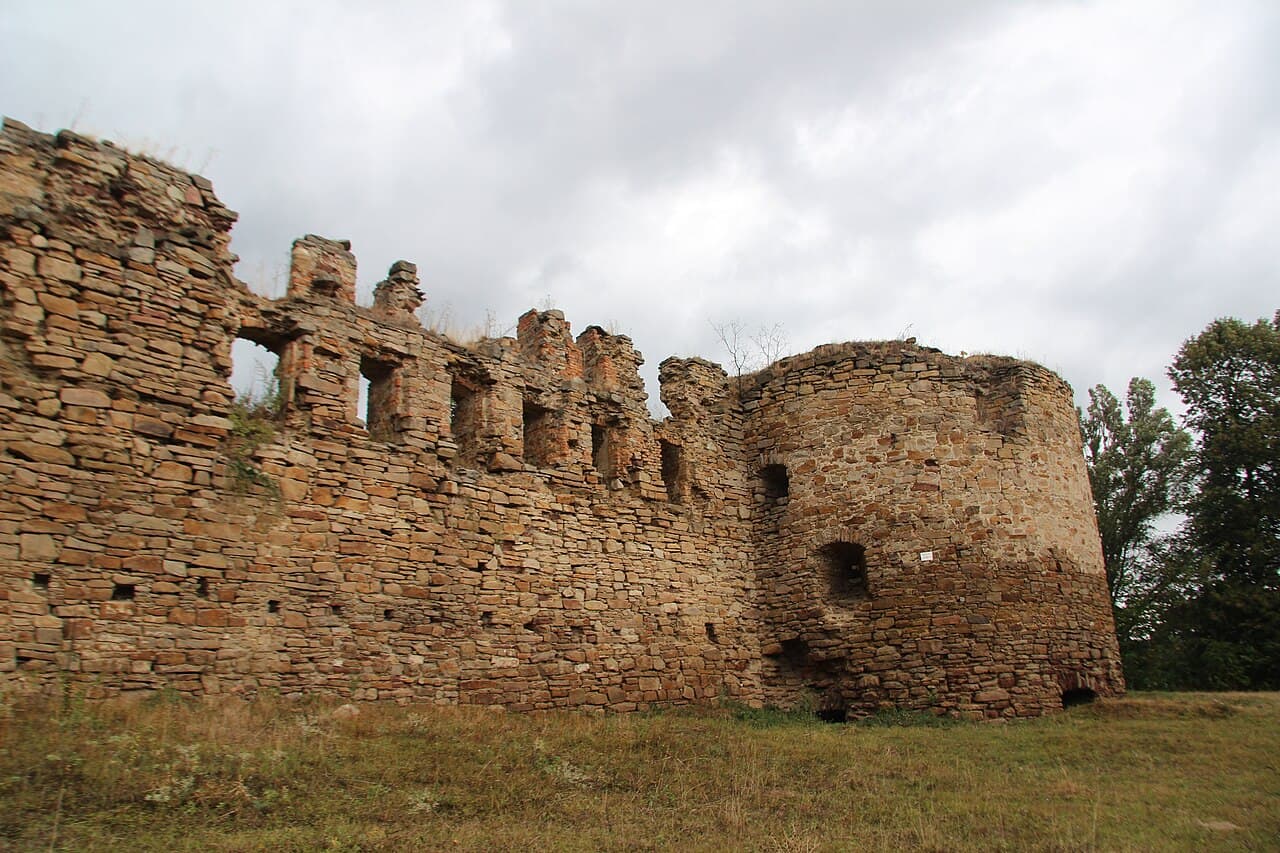
Mykulyntsi Castle is a classic example of a hill castle, strategically situated on elevated terrain to maximize defensive advantages. Its design integrates Renaissance architectural elements with traditional fortification techniques prevalent in the 16th century. The castle's layout typically includes thick defensive walls, bastions, and a central courtyard that served both military and residential functions.
The castle's fortifications were adapted to withstand artillery, which was becoming increasingly important in warfare during the Renaissance. This is evident in the robust bastioned walls and angled defensive structures designed to deflect cannon fire. The residential quarters were constructed with attention to comfort and style, reflecting Renaissance aesthetics.
Defensive structures
The castle featured multiple towers and gatehouses that controlled access and provided vantage points for surveillance. The walls were punctuated with embrasures for firearms and small cannons. A moat or ditch may have originally surrounded the castle, enhancing its defensive capabilities, although the current state of such features requires further archaeological verification.
Residential and functional spaces
Inside the castle, the great hall and living chambers were designed to accommodate the noble family and their retinue. Decorative elements combined with functional architecture to create a residence that was both imposing and comfortable. The castle likely included storerooms, kitchens, and chapel spaces, typical of Renaissance castles serving both defensive and domestic purposes.
Historical significance and events
Throughout its history, Mykulyntsi Castle played a role in regional defense and local governance. Its strategic location in the Ternopil Oblast placed it within contested borderlands, exposed to various military campaigns and political upheavals. The castle witnessed the shifting control between Polish-Lithuanian Commonwealth, Ottoman incursions, and later Austro-Hungarian administration.
While specific battles or sieges involving the castle are not extensively documented, its fortifications reflect the need for protection against the turbulent political landscape of Eastern Europe in the 16th and 17th centuries.
Preservation and current condition
Today, Mykulyntsi Castle remains a valuable cultural heritage site. It is recognized as an architectural monument of national importance in Ukraine. The castle's condition varies, with some sections well-preserved and others partially ruined due to the passage of time and historical conflicts.
Efforts have been made to maintain and restore parts of the castle to ensure its survival for future generations. The site attracts visitors interested in Renaissance architecture, military history, and Ukrainian cultural heritage.
Visiting Mykulyntsi Castle
Visitors to Mykulyntsi Castle can explore its historic walls, towers, and courtyards, gaining insight into the defensive strategies and noble lifestyle of the Renaissance period. The castle's location in the Ternopil Oblast makes it accessible for tourists exploring western Ukraine's rich historical sites.
The surrounding town of Mykulyntsi offers additional cultural experiences and local hospitality, complementing a visit to this notable hill castle.
Frequently asked questions (FAQ)
- When was Mykulyntsi Castle built and by whom?
- Mykulyntsi Castle was built in 1550 by Anna Jordanowa from the Sieniawski family, wife of Spytek Wawrzyniec Jordan, castellan of Kraków.
- What architectural style characterizes Mykulyntsi Castle?
- The castle is characterized by Renaissance architectural style, featuring defensive bastions and residential quarters typical of the 16th century.
- Where is Mykulyntsi Castle located?
- It is located in the town of Mykulyntsi in the Ternopil Oblast region of western Ukraine.
- Is Mykulyntsi Castle open to visitors?
- The castle is accessible to visitors interested in exploring Renaissance architecture and historical fortifications, though specific visiting hours and ticket prices should be confirmed locally.
- What defensive features does Mykulyntsi Castle have?
- The castle includes thick bastioned walls, towers, gatehouses, and embrasures designed to withstand artillery attacks typical of the Renaissance period.
Photo gallery

Information
Loading map...
Visitor reviews
No reviews yet. Been here? Write the first review and help other travelers!
Write the first reviewVisited this castle? Share your experience
Your review helps other travelers and adds first-hand knowledge to our encyclopedia.