Terebovlia Castle
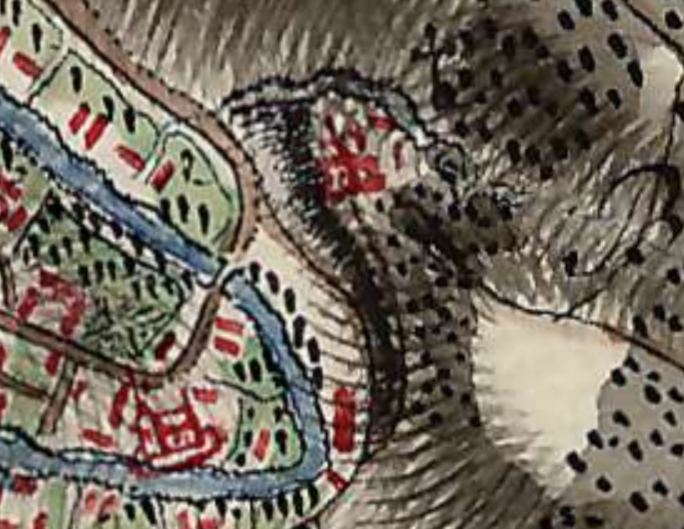
Terebovlia Castle stands as a prominent historic fortress located in the town of Terebovlia, Ukraine. This hill castle has witnessed centuries of military, political, and cultural transformations, reflecting the turbulent history of the region. Originally established by the East Slavic peoples during the early medieval period, the castle's strategic location on the edge of the Gniezny canyon near the Seret River provided natural defenses that were enhanced by successive layers of fortifications.
The earliest fortification at Terebovlia dates back to the 9th and 10th centuries. This initial stronghold was primarily constructed of wood, featuring multiple defensive layers designed to protect the emerging Principality of Terebovlia. Within the wooden fortress stood a notable stone church, a rare feature that underscored the site's religious and cultural significance during the early medieval era. The fortress was built under the rule of Prince Vasylko Rostyslavych, a descendant of the renowned ruler Yaroslav the Wise, whose lineage shaped the political landscape of the region. Following Vasylko's death in 1124, Terebovlia became part of the Principality of Halych and later the Halych-Volhynia principality. The castle briefly regained independence under Vladimir Igorevich before suffering destruction during the Mongol invasion led by Batu Khan in 1241.
Medieval reconstruction and polish influence
After a period of decline, the fortress underwent significant transformation in the 14th century when Polish King Casimir III the Great initiated a comprehensive rebuilding program between approximately 1340 and 1360. This reconstruction marked a pivotal shift from wooden to stone fortifications, with walls constructed of stone measuring between one and two meters thick. The new design substantially improved the castle's defensive capabilities against increasingly sophisticated siege tactics. Further expansion occurred in 1534 under the supervision of Kraków castellan Andrzej Tęczyński, reflecting ongoing efforts to bolster the fortress amid persistent threats from Tatar raiders during the 15th and 16th centuries.
17th-century rebuilding and military significance
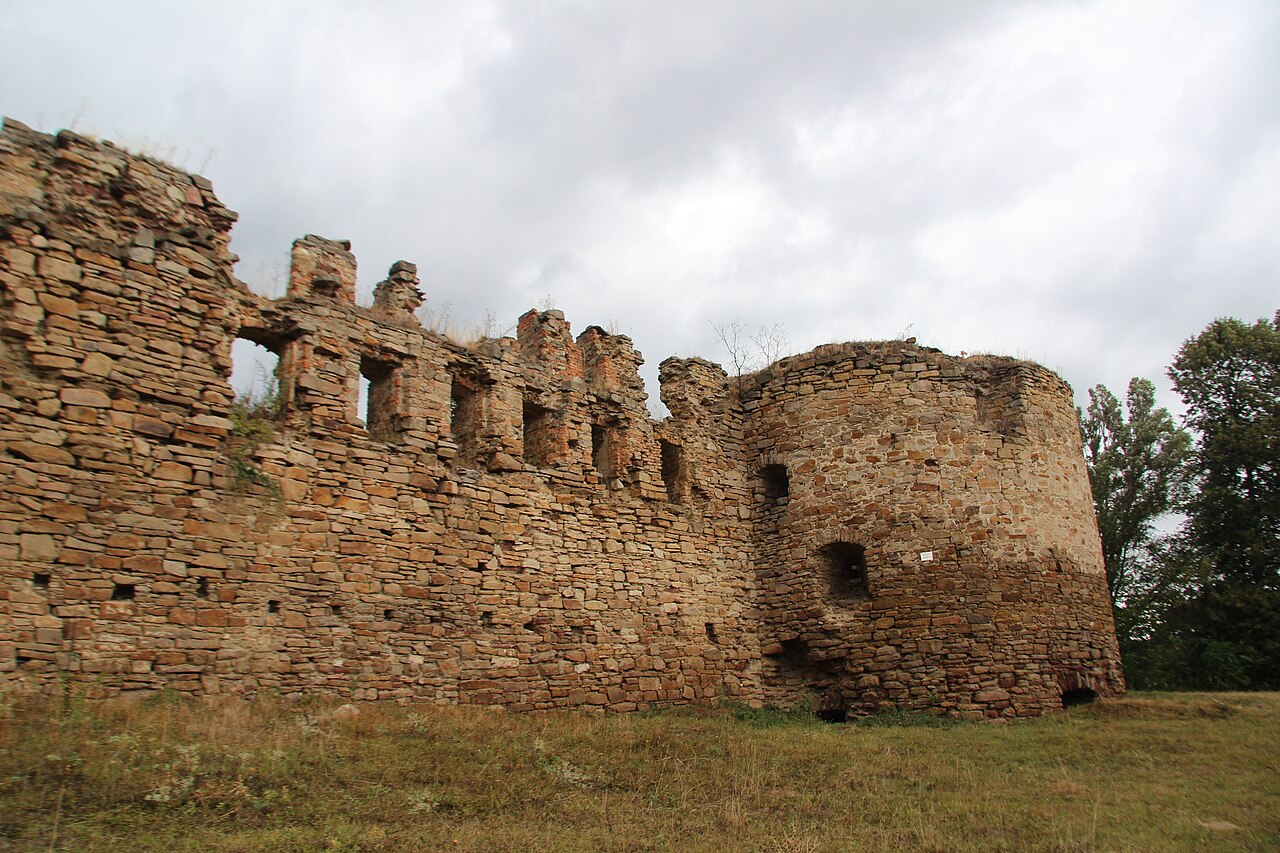
The most extensive rebuilding took place in the 1630s under the direction of starosta Aleksander Bałaban. This phase resulted in the imposing stone fortress whose ruins remain visible today. The reconstructed walls were remarkably thick, ranging from 3.5 to 5 meters, and reached heights of up to 18 meters, demonstrating the advanced military architecture of the period. The castle's entrance was strategically designed to enhance security, located approximately three meters above ground level and accessible only via a removable wooden platform, a defensive feature intended to prevent enemy access during attacks.
During the mid-17th century, Terebovlia Castle played a key role in regional conflicts. It was briefly captured by Cossack forces in 1648 during the Khmelnytsky Uprising but was soon returned to Polish control following an armistice. The fortress served as a crucial defensive bastion against repeated incursions by Cossack, Turkish, and Tatar armies. Its strategic importance was further highlighted during the Polish–Ottoman War of 1672–1676, when it functioned as a vital border stronghold after the partition of Podolia by the Ottoman Empire in 1671. Notably, in 1675, the castle successfully withstood a siege by a large Ottoman-Tatar force commanded by Pasha Ibrahim Shyshman, forcing the attackers to withdraw.
Architectural features and defensive design
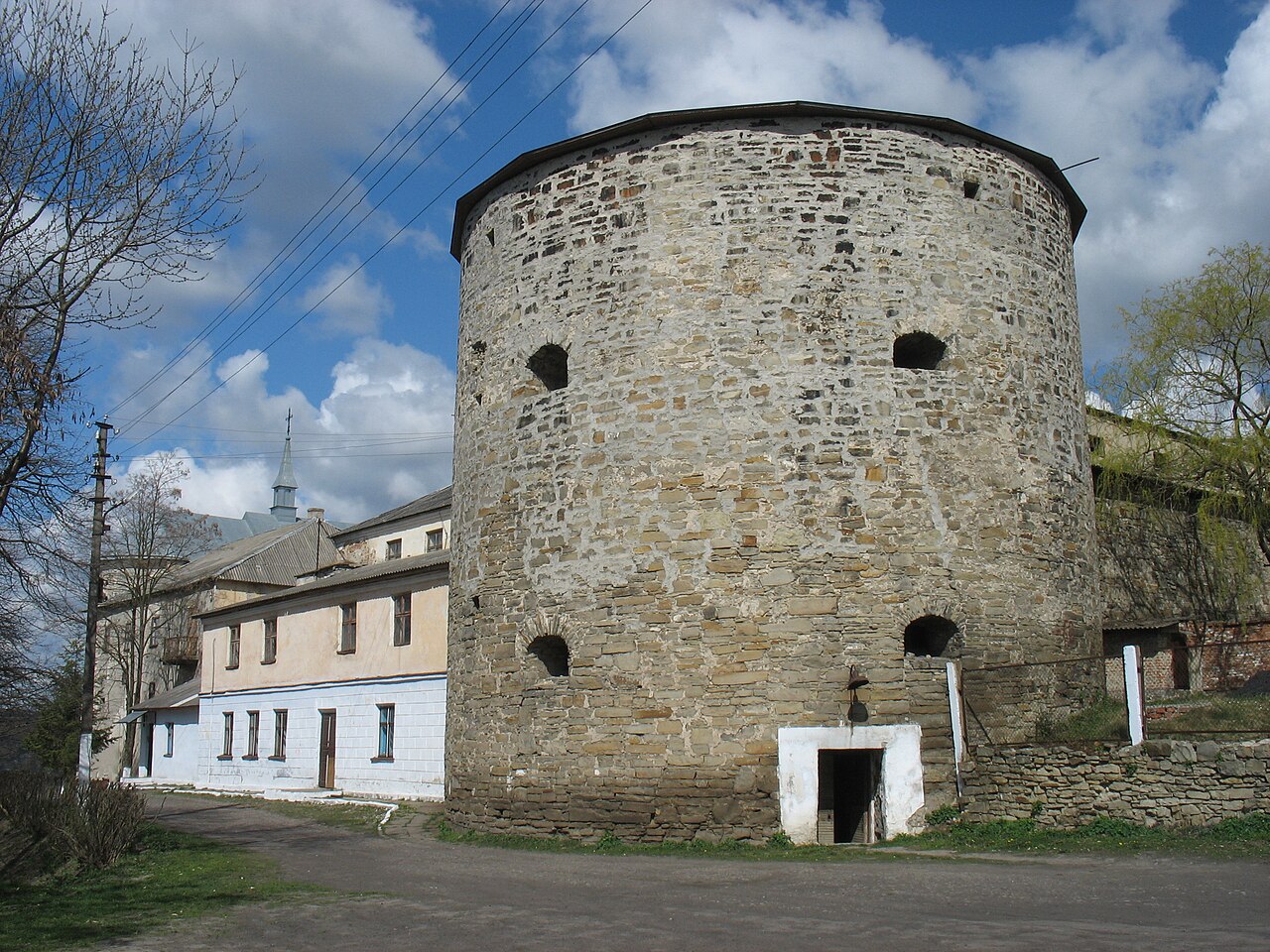
The ruins of Terebovlia Castle today offer valuable insights into its 17th-century military architecture. The fortress was constructed with massive stone walls designed to absorb and repel artillery fire, a reflection of evolving warfare technologies. The elevated entrance gate, accessible only by a removable wooden platform, exemplifies the castle's layered defense strategy. Beneath the original wooden fortress lay cellars and underground chambers, which were part of a complex system of storage and refuge.
Archaeological studies have revealed that the earliest fortress incorporated multiple defensive lines, emphasizing the importance of layered protection in medieval fortifications. Although the castle did not feature a traditional well, water was supplied through an ingenious system of underground channels and reservoirs, ensuring the garrison's survival during prolonged sieges. The natural topography, including steep canyon cliffs and proximity to the Seret River, further augmented the castle's defensibility.
Remnants and cultural legacy
Today, only the lower sections of the strong walls remain, standing as fragmentary yet compelling evidence of the castle's historic prominence. These ruins convey the story of centuries marked by adaptation to changing military needs and persistent conflict in this borderland region. Adjacent to the castle site is a monument dedicated to Zofia Chrzanowska, commemorating her connection to the castle and its enduring cultural memory.
Terebovlia Castle remains a significant heritage site in Ukraine, attracting historians, archaeologists, and tourists interested in medieval military architecture and Eastern European history. Its layered history from an early wooden stronghold to a formidable stone fortress encapsulates the dynamic political and military developments of the region over nearly a millennium.
Frequently asked questions (FAQ)
- When was Terebovlia Castle originally built?
- Terebovlia Castle's original wooden fortress dates back to the 9th and 10th centuries during the early medieval period.
- What were the main materials used in the castle's construction?
- The earliest fortress was primarily wooden with some stone elements, while later reconstructions in the 14th and 17th centuries used thick stone walls for enhanced defense.
- Who led the major reconstruction of the castle in the 1630s?
- The major rebuilding in the 1630s was led by starosta Aleksander Bałaban, resulting in the imposing stone fortress whose ruins remain today.
- What role did Terebovlia Castle play during the Polish–Ottoman War?
- During the Polish–Ottoman War (1672–1676), Terebovlia Castle served as a crucial border stronghold and successfully resisted a siege by Ottoman-Tatar forces in 1675.
- Is it possible to visit the ruins of Terebovlia Castle today?
- Yes, visitors can explore the ruins of Terebovlia Castle, which remain a significant cultural and historical site in Ternopil Oblast, Ukraine.
Information
Website
Visit websiteSources & official resources
Verify the information above using these authoritative references.
Loading map...
Visitor reviews
No reviews yet. Been here? Write the first review and help other travelers!
Write the first reviewVisited this castle? Share your experience
Your review helps other travelers and adds first-hand knowledge to our encyclopedia.