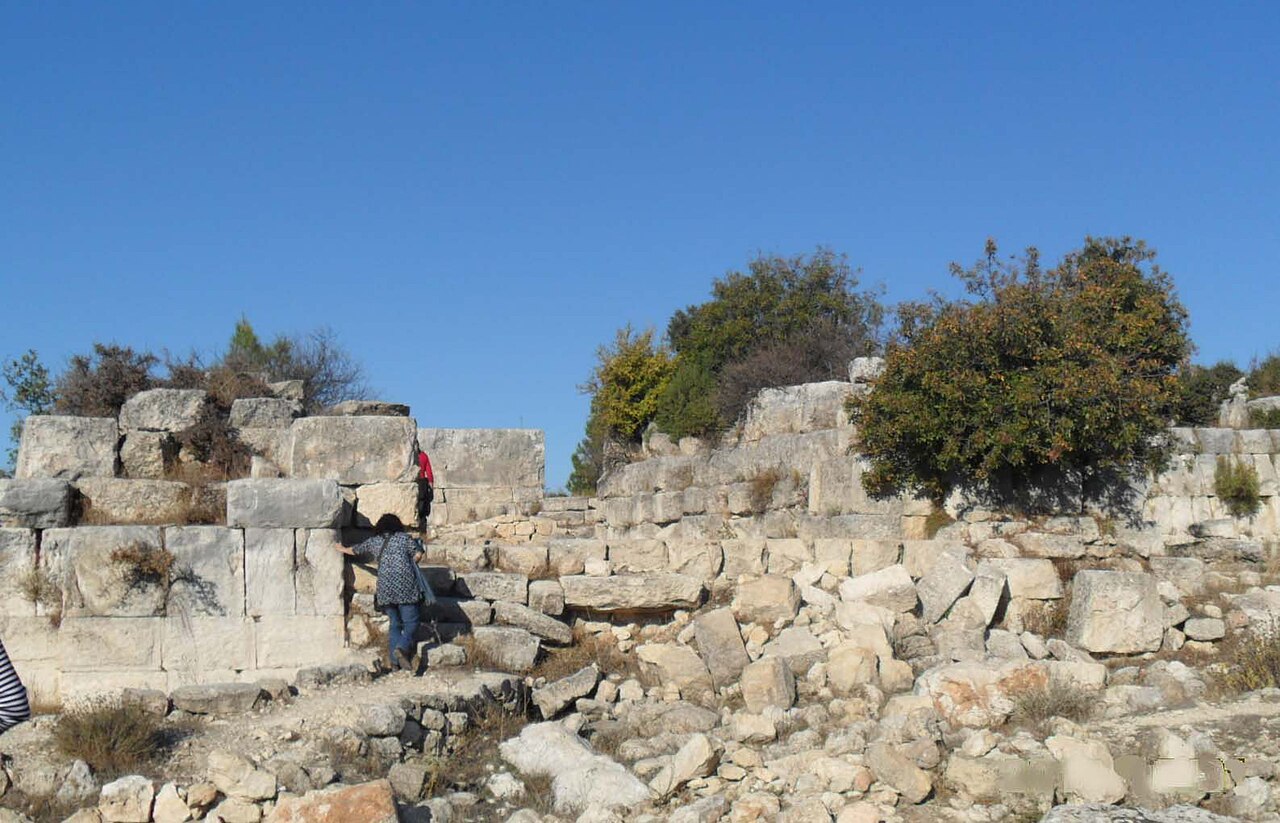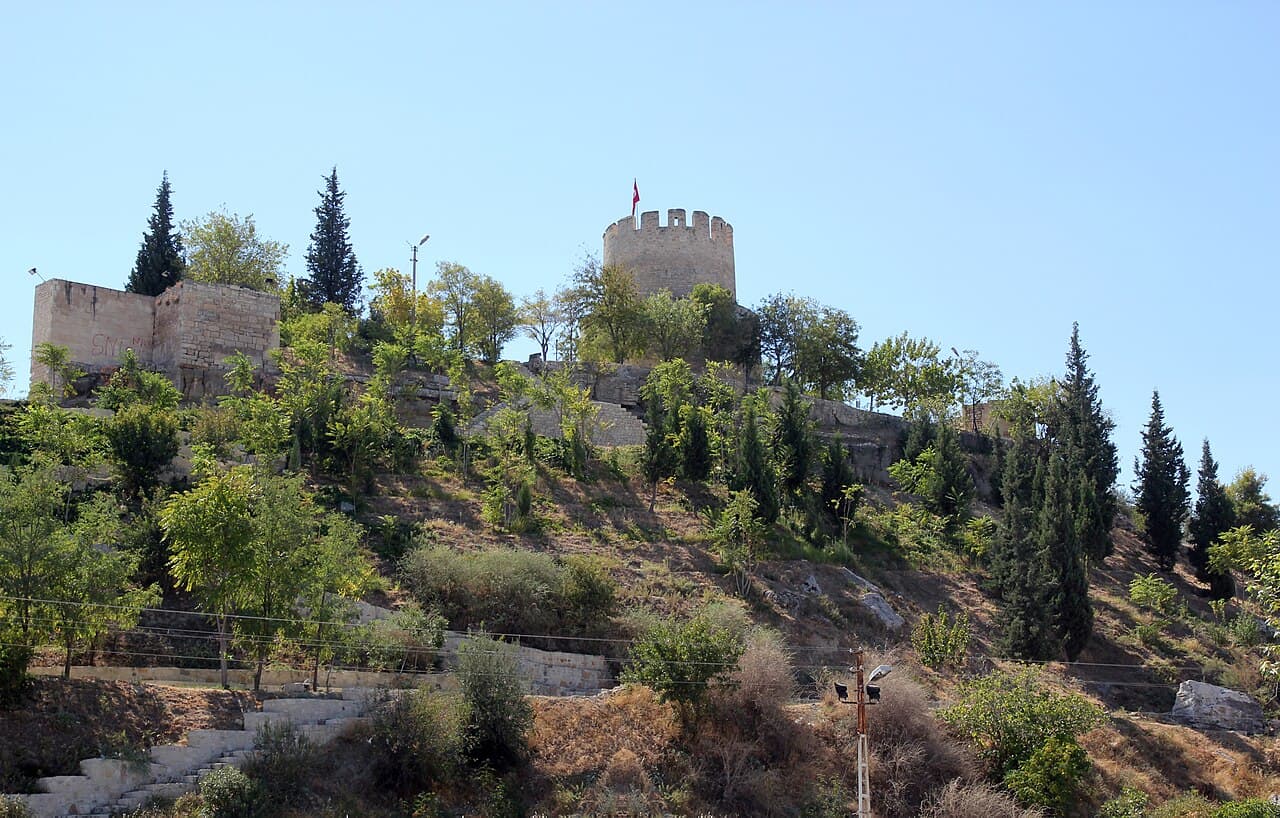
Mut Castle, locally known as Mut Kalesi, is a historic fortress situated on a prominent hill in the city of Mut, located in the Mersin Province of Turkey. The castle's strategic hilltop position has made it a significant defensive structure throughout various periods of history, reflecting the region's complex past from Roman to Ottoman rule.
The ancient origins and early history of Mut Castle
The exact date of Mut Castle's construction remains uncertain, but archaeological and historical evidence suggests the site was originally occupied during the Roman period. The area surrounding the hill is believed to have been the location of Claudiopolis, an ancient Roman city established in the 1st to 2nd century AD. This early settlement laid the groundwork for the later fortress.
During the Byzantine era, a castle was certainly maintained at this location, serving as a military stronghold to control the surrounding region. The Byzantine castle's presence underscores the strategic importance of Mut as a defensive point in southern Anatolia.
The Karamanid sieges and transformation
In 1228, the castle came under siege by the Karamanid ruler Yakup Bey. Despite his efforts, Yakup Bey initially failed to capture the fortress, suffering heavy casualties. Due to the significant loss of life, the Karamanids referred to the castle as "Dar-ül Mevt", meaning "the Dead House." This name was eventually shortened and transformed into "Mut," which remains the castle's name today.
Later in the 13th century, the Karamanids successfully captured the castle after a subsequent siege. The fortress was reportedly destroyed during this conquest but was rebuilt by the Karamanids, who established it as a key stronghold in their territory.
Ottoman control and restoration
The Ottoman Empire took control of Mut Castle in 1473. Recognizing its strategic value, the Ottomans maintained the fortress and undertook restoration efforts during the reign of Sultan Ahmed I (1603-1617). These renovations helped preserve the castle's defensive capabilities and adapt it to the military needs of the period.
Architectural features and layout
Mut Castle features an irregular ground plan that includes two main sections: a lower castle and an upper castle. This division reflects a common defensive design, with the upper castle serving as the last refuge during attacks.
Within the upper castle walls stands a distinctive round lookout tower comprising two floors. This tower provided a vantage point for surveillance and defense, allowing occupants to monitor the surrounding landscape for approaching threats.
Modern use and accessibility
Today, Mut Castle is freely accessible to the public. The upper castle area has been adapted into a public park, offering visitors a place to enjoy panoramic views and the historic atmosphere. The grounds of the lower castle accommodate a school and a restaurant, integrating the castle into the daily life of the city.
Despite its partial adaptation for modern use, the castle retains significant elements of its historic fabric, making it a notable example of a hill castle with a layered history spanning from ancient Roman times through the Byzantine, Karamanid, and Ottoman periods.
Significance and heritage
Mut Castle stands as a testament to the region's military and architectural evolution over nearly two millennia. Its survival through multiple sieges and reconstructions reflects the shifting political and cultural landscape of Anatolia. The castle's name itself, derived from the Karamanid era, encapsulates a dramatic history marked by conflict and resilience.
Visitors to Mut Castle can explore a site that embodies the historical continuity of southern Turkey, offering insights into the defensive strategies and architectural styles of different eras. The castle's combination of Roman origins, Byzantine fortifications, Karamanid rebuilding, and Ottoman restoration makes it a unique cultural landmark in the Mersin Province.
Frequently asked questions (FAQ)
- How do I get to Mut Castle?
- Mut Castle is located in the city center of Mut in Mersin Province, Turkey. Visitors can reach it easily by local transport or car, with the castle situated on Ahmet Street (Ahmet Sk.) on a prominent hill.
- What is the historical significance of Mut Castle?
- Mut Castle has a rich history dating back to Roman times, with significant roles during the Byzantine, Karamanid, and Ottoman periods. Its name originates from the Karamanid siege and reflects the castle's strategic military importance.
- Can I visit Mut Castle for free?
- Yes, Mut Castle is freely accessible to the public. The upper castle area serves as a public park, while the lower castle grounds include a school and a restaurant, making it a welcoming site for visitors.
- What architectural features does Mut Castle have?
- The castle has an irregular ground plan with distinct lower and upper sections. A notable feature is the round lookout tower within the upper castle walls, which has two floors and was used for defense and surveillance.
- When was Mut Castle restored?
- Mut Castle underwent restoration during the reign of Ottoman Sultan Ahmed I, between 1603 and 1617, ensuring its preservation and continued use during the Ottoman period.
Photo gallery

Information
Address
Ahmet Sk., Mut, Mersin, Turkey
Loading map...
Visitor reviews
No reviews yet. Been here? Write the first review and help other travelers!
Write the first reviewVisited this castle? Share your experience
Your review helps other travelers and adds first-hand knowledge to our encyclopedia.