Muráň Castle
Muráň Castle (Slovak: Muránsky hrad; Hungarian: Murány vára) stands as a remarkable medieval ruin located above the village of Muráň, nestled within the scenic Muránska planina National Park in Slovakia. Its position on a steep cliff at an elevation of 935 meters makes it the third highest castle in Slovakia, offering commanding views of the surrounding landscape. The castle's strategic location was chosen to oversee a vital regional trade route, a factor that influenced its historical significance and turbulent past.
Constructed in the 13th century, Muráň Castle was first mentioned in historical records in 1271 under the name "arx Mwran" when Stephen V of Hungary granted the fortress to Gunig comes. This early reference highlights the castle's role in the medieval defensive network of the Kingdom of Hungary. Built primarily to control and protect the trade routes running through the region, the castle's architecture reflects the military needs of the High Medieval period.
Architectural features and layout
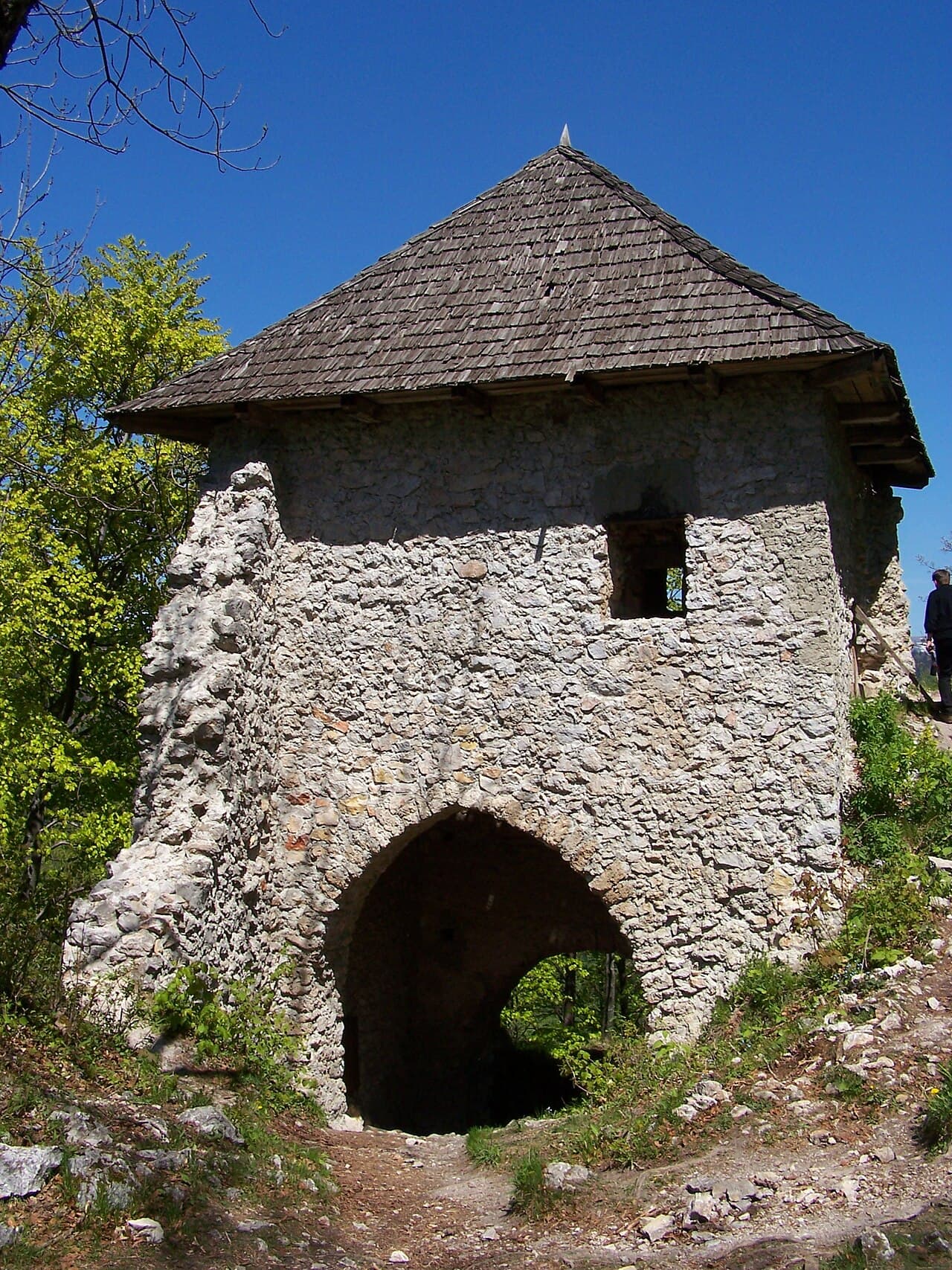
The castle was constructed on a rocky outcrop, taking advantage of natural defenses provided by the cliff. Its layout adapted to the uneven terrain, with walls and towers integrated into the rock formations to maximize protection. The structure included fortified walls, watchtowers, and a gatehouse designed to control access. The castle's design focused on defense, with narrow passages and elevated battlements allowing defenders to repel attackers effectively.
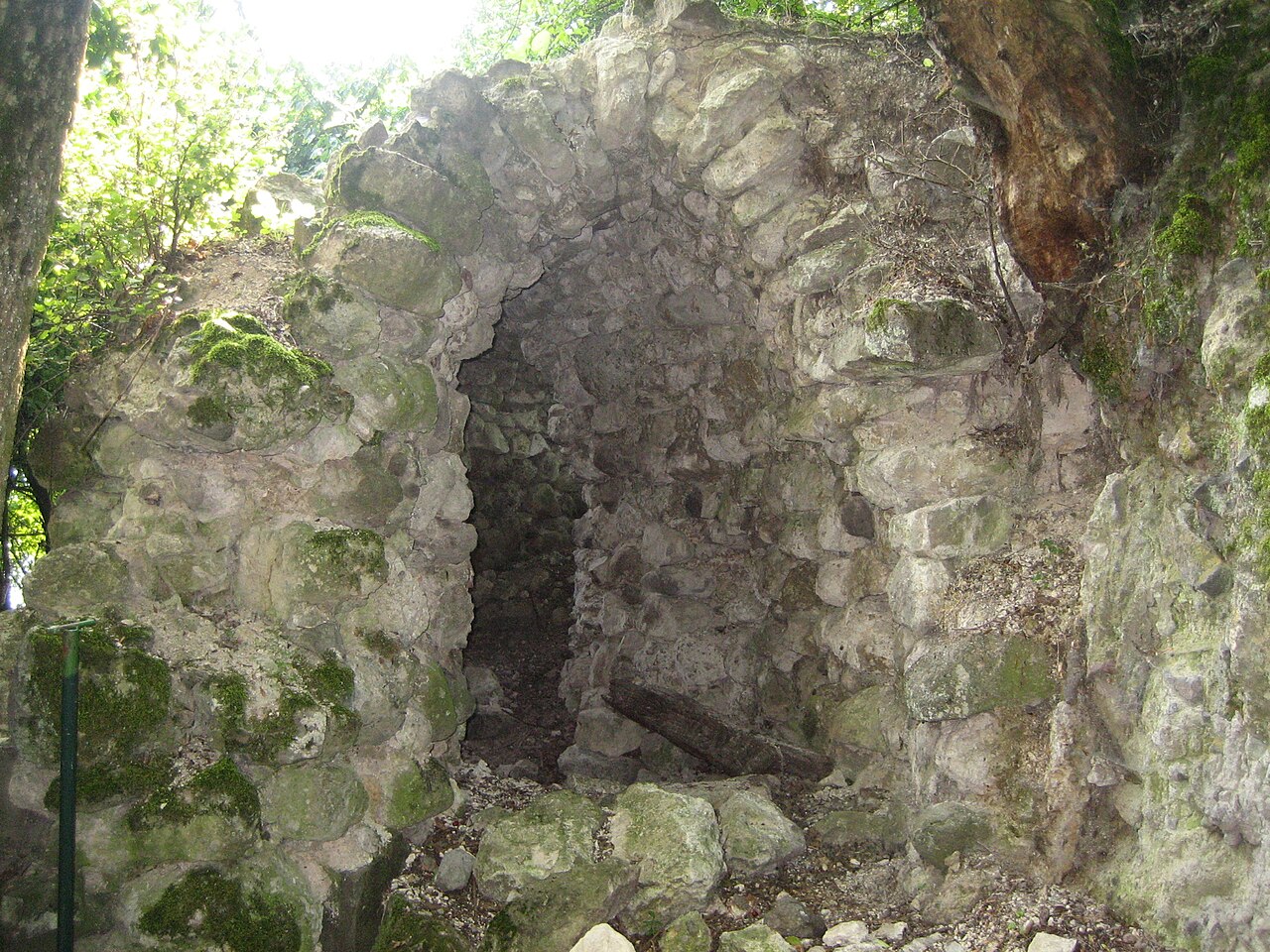
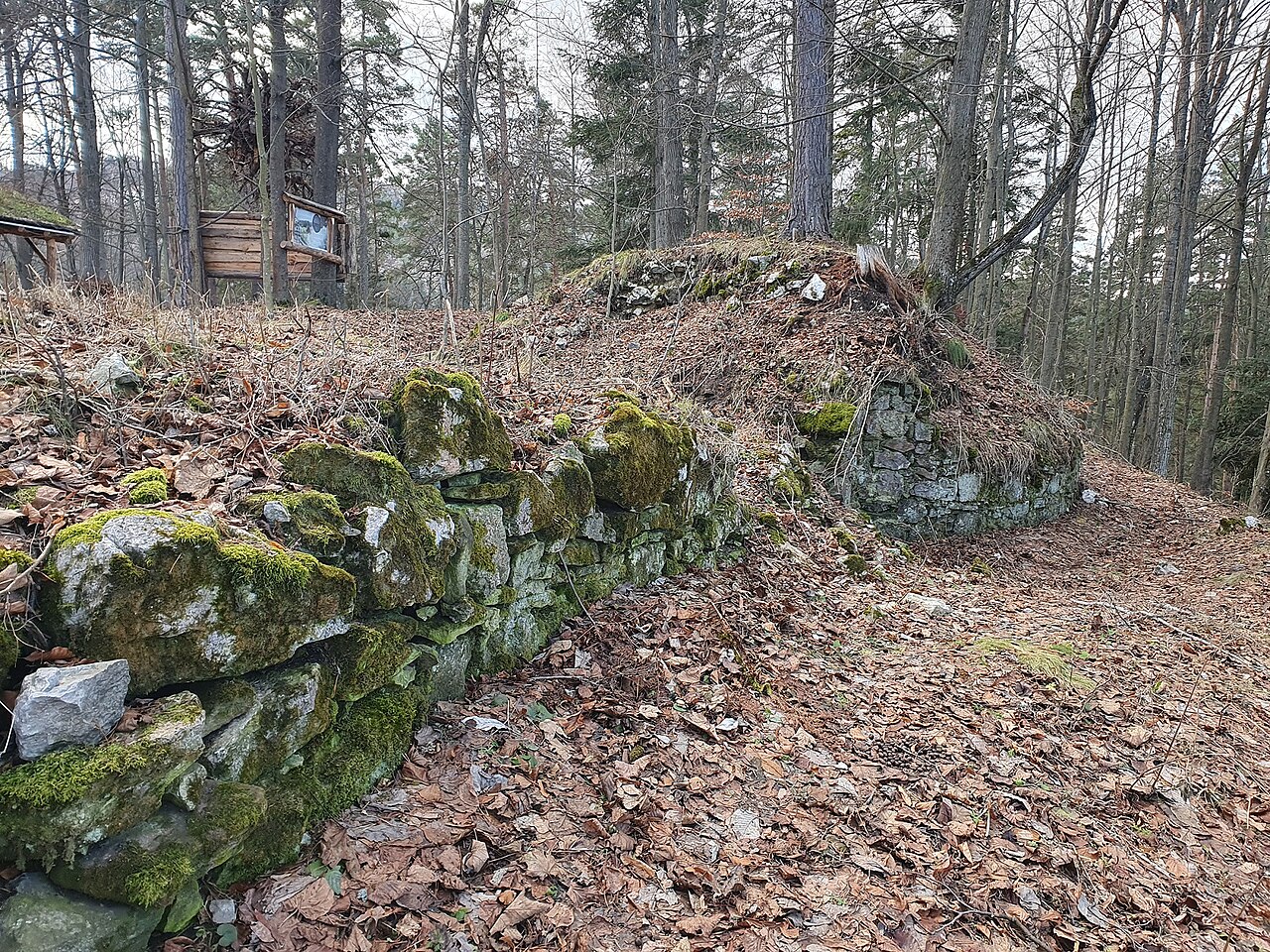
Although now in ruins, archaeological studies have revealed the castle's complex structure, including residential quarters, storage rooms, and defensive bastions. The use of local stone in construction contributed to the castle's durability, even as centuries of weathering have left it partially preserved. The ruins still exhibit remnants of the original masonry and defensive features that characterized medieval fortifications.
Muráň castle’s turbulent history
The era of robber barons
One of the most notorious periods in the castle's history was during the ownership of Mátyás Basó (also known as Bacsó or Matúš Bašo in Slovak), a robber baron who transformed Muráň Castle into a stronghold for bandits. Under Basó's control, the castle became a base for attacks on merchants and local villages, disrupting trade and security in the region. This period of lawlessness culminated in a royal siege in 1548, when the castle was attacked by the royal army. Following the siege, Basó was captured and executed, ending the castle's use as a bandit refuge.
The legend of mária széchy, the venus of murány
The castle is also famous for its association with Mária Széchy, known as "The Venus of Murány". A remarkable woman of her time, Széchy divorced her second husband to marry Ferenc Wesselényi, a powerful magnate who later became the Palatine of Hungary. During a siege of Muráň Castle, which was then held by her relatives, Széchy displayed cunning by tricking the besieging forces into allowing Wesselényi's soldiers inside the fortress. This daring act changed the course of the siege.
Following Wesselényi's involvement in a failed coup against Emperor Leopold I in 1666, Széchy took command of the castle's defense against imperial troops. Despite being heavily outnumbered, she led a determined resistance until surrendering to Charles of Lorraine in 1670. Her leadership and bravery have been celebrated in local folklore and contribute to the castle's romantic allure.
Decline and preservation
After the Treaty of Szatmár, the strategic importance of Muráň Castle diminished, leading to its gradual decline. The castle suffered significant damage from two major fires in the 18th century, occurring in 1702 and 1760, which accelerated its ruinous state. The once formidable fortress eventually fell into disuse and decay.
Historically, the castle was part of Gömör and later Gömör és Kishont County within the Kingdom of Hungary. The geopolitical landscape shifted dramatically after World War I, and in 1920, the area became part of the newly established Czechoslovakia under the Treaty of Trianon. Today, the ruins of Muráň Castle are protected as an archaeological site and attract visitors interested in medieval history and natural beauty.
Cultural significance and tourism
Muráň Castle holds a special place in Slovak cultural heritage, not only for its architectural remains but also for the stories and legends associated with it. The castle inspired one of the oldest Slovak songs, "The Song About The Castle of Muráň", written by Martin Bošňák, which recounts the dramatic siege and fall of the fortress during Mátyás Basó's era.
Today, the castle ruins are accessible to hikers and history enthusiasts visiting the Muránska planina National Park. The site offers a combination of natural beauty and historical intrigue, with trails leading to the castle providing panoramic views of the surrounding mountains and valleys. Efforts to preserve the ruins aim to maintain the castle's legacy and promote awareness of Slovakia's medieval past.
Frequently asked questions (FAQ)
- What is the historical significance of Muráň Castle?
- Muráň Castle, built in the 13th century, served as a royal fortress and played a crucial role in the defense of the region against invasions. Its strategic location also made it an important administrative center during the Middle Ages, influencing the development of the surrounding areas.
- When was Muráň Castle constructed?
- Muráň Castle was constructed in the late 13th century, with its first historical mentions dating back to 1280. Over the centuries, it underwent various modifications, reflecting the architectural styles and military needs of different eras.
- Can I visit Muráň Castle year-round?
- Yes, Muráň Castle is open to visitors throughout the year, though access may vary based on weather conditions and maintenance schedules. It is advisable to check local resources or the castle's official website for any seasonal restrictions before planning your visit.
- What are the opening hours for Muráň Castle?
- Muráň Castle typically opens to visitors from April to October, with specific hours varying by month. During peak tourist season, the castle is generally open daily, while off-peak hours may be limited, so it's best to confirm before your visit.
- Is it possible to take guided tours of Muráň Castle?
- Yes, guided tours of Muráň Castle are available, providing in-depth insights into its history and architecture. These tours enhance the visitor experience, allowing you to explore the castle's unique features while learning about its storied past.
- What is the best time to visit Muráň Castle?
- The best time to visit Muráň Castle is during the spring and early autumn months when the weather is mild and conducive to exploring the site. Additionally, visiting during these times allows you to enjoy the surrounding natural beauty and relatively fewer crowds.
- Are there any nearby attractions to Muráň Castle?
- Yes, nearby attractions include the picturesque Muráň Plateau and various hiking trails that showcase the stunning landscape of Slovakia. Additionally, the town of Muráň offers local cultural experiences and amenities for visitors looking to extend their stay.
- How much are the ticket prices for Muráň Castle?
- Ticket prices for Muráň Castle are generally affordable, with discounts available for students and seniors. Specific pricing can vary, so it's recommended to check the official website or inquire at the castle entrance for the most current information.
- How do I get to Muráň Castle?
- Muráň Castle is accessible by car, with parking available nearby. Public transportation options, such as buses, connect to the nearby towns, making it convenient for visitors traveling from larger cities in Slovakia.
Photo gallery

Information
Loading map...
Visitor reviews
No reviews yet. Been here? Write the first review and help other travelers!
Write the first reviewVisited this castle? Share your experience
Your review helps other travelers and adds first-hand knowledge to our encyclopedia.