Zelená Hora (Hrabušice) — Slovakia castle

Zelená Hora (Hrabušice)

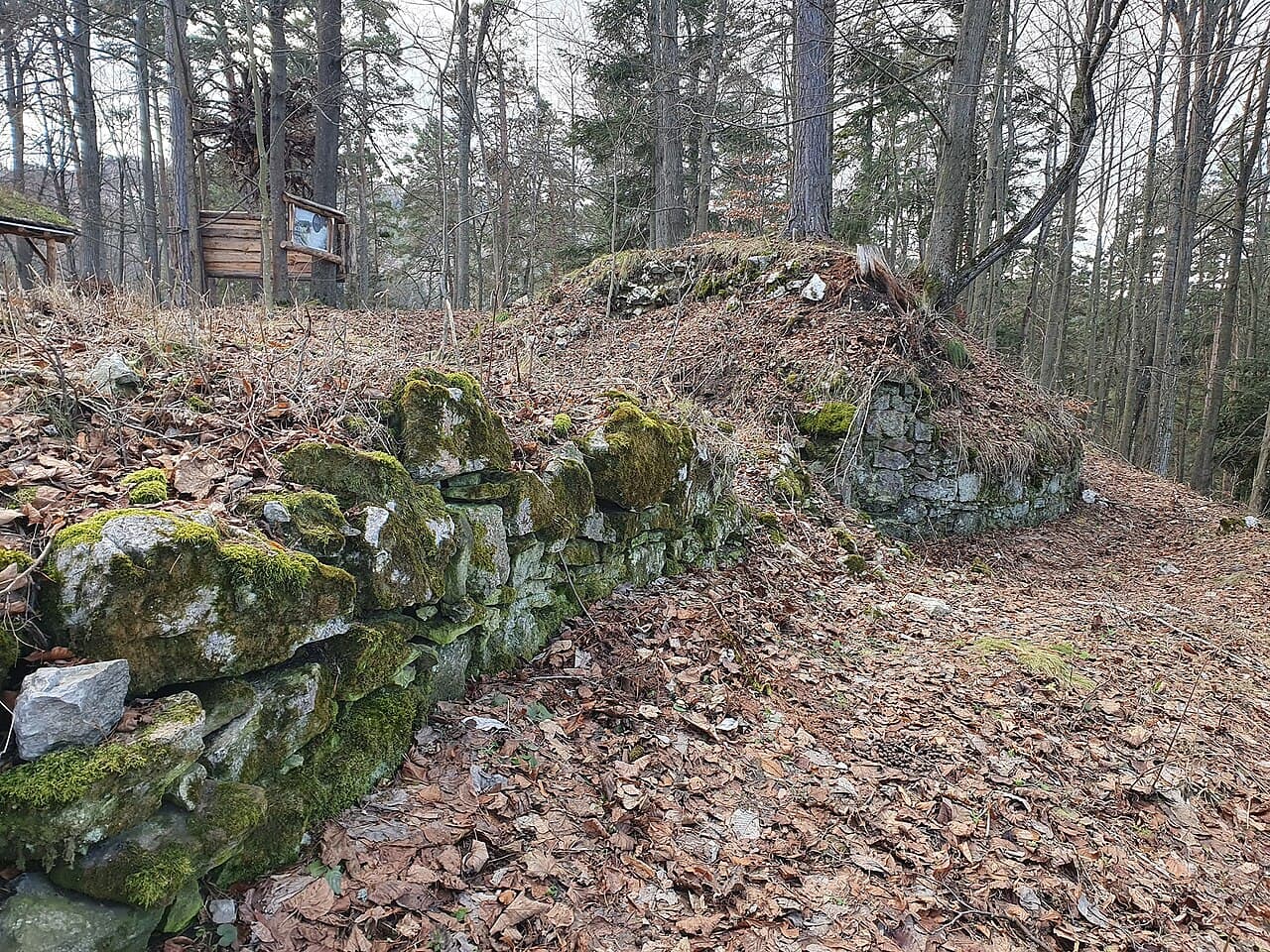
Zelená hora castle ruins in hrabušice, slovakia
Hrabušice, Slovakia
High Medieval (11th–13th c.)
Ruins

Zelená Hora Castle, located near the village of Hrabušice in eastern Slovakia, represents a significant example of medieval fortifications in the region. Today, it stands as archaeological ruins, offering insight into the high medieval defensive architecture that once dominated the landscape. The castle's remains provide valuable information about the construction techniques and strategic importance of such fortifications in Slovakia's history.

Historical background of zelená hora castle

The origins of Zelená Hora Castle date back to the 13th century, a period marked by the expansion of stone castles across Central Europe. This was a time when the Kingdom of Hungary, which included present-day Slovakia, saw the construction of numerous fortresses to secure borders and control trade routes. Zelená Hora was likely built as a hill castle to oversee and protect the surrounding valleys and routes through the Slovak Ore Mountains.

Throughout its history, the castle served as a noble residence and a military stronghold. It was strategically positioned to guard against invasions and local conflicts during the high medieval period. However, like many castles in the region, it fell into decline and was eventually abandoned, leading to its current state as ruins.

Architectural features and layout

Although only ruins remain, archaeological studies have revealed key elements of the castle's original design. The castle was constructed primarily of local stone, featuring thick defensive walls adapted to the rocky hilltop terrain. The layout included a keep or donjon serving as the last line of defense and residential quarters for the lord and his family.

Surrounding the keep was a fortified courtyard enclosed by curtain walls with battlements and defensive towers at strategic points. The entrance was likely protected by a gatehouse and possibly a drawbridge, common in medieval fortifications to control access and enhance security.

The castle's elevated position provided natural defense advantages, with steep slopes on several sides making direct assault difficult. The ruins indicate that the castle incorporated typical high medieval military architectural features designed to withstand sieges and attacks.

Archaeological significance and preservation

As an archaeological site, Zelená Hora Castle offers important data for historians and archaeologists studying medieval fortifications in Slovakia. Excavations have uncovered foundations, wall segments, and artifacts that shed light on the castle's construction phases, daily life, and eventual abandonment.

The site is protected under Slovak heritage laws, though it remains largely in ruins without extensive restoration. Visitors can explore the remains, which are accessible via hiking trails from nearby Hrabušice. The castle's location also provides scenic views of the surrounding countryside and the Slovak Ore Mountains.

Visiting zelená hora castle

Zelená Hora Castle is a destination for those interested in medieval history, archaeology, and hiking. While the ruins do not feature modern visitor facilities, the site is open to the public and offers a glimpse into Slovakia's medieval past. Visitors should prepare for uneven terrain and limited signage.

The best time to visit is during the warmer months when the trails are more accessible. Nearby attractions include the Slovak Paradise National Park, known for its natural beauty and outdoor activities, making a visit to Zelená Hora part of a broader cultural and nature experience.

Frequently asked questions (FAQ)

How do I get to Zelená Hora Castle from Hrabušice?
Zelená Hora Castle is easily accessible from the village of Hrabušice by a short hike. The well-marked trails lead directly to the castle, making it a popular destination for both locals and tourists. Ensure you wear comfortable shoes for the trek to fully enjoy the scenic views along the way.
What is the historical significance of Zelená Hora Castle?
Zelená Hora Castle, built in the 13th century, played a crucial role in the defense strategy of the region during its early years. The castle has significant ties to local legends and has witnessed numerous historical events that shaped the area. Today, it stands as a symbol of Slovakia's rich heritage and medieval architecture.
When was Zelená Hora Castle constructed?
Zelená Hora Castle was constructed in the early 13th century, making it one of the oldest fortifications in the region. It was strategically built to oversee trade routes and protect the surrounding lands. Over the centuries, it has undergone various renovations and restorations to preserve its historical integrity.
Can I visit Zelená Hora Castle year-round?
Yes, Zelená Hora Castle is open to visitors year-round; however, accessibility may vary depending on weather conditions, especially in winter. It is advisable to check local weather forecasts before planning your visit. Spring and summer are particularly beautiful times to explore the ruins and surrounding nature.
Why is Zelená Hora Castle a popular tourist attraction?
Zelená Hora Castle is popular due to its stunning location and panoramic views of the High Tatras mountains. Visitors are drawn to its historical significance, intriguing architecture, and the picturesque hiking trails that lead to it. Additionally, the castle is often featured in local folklore, which adds to its charm.
Is it possible to take guided tours of Zelená Hora Castle?
Currently, Zelená Hora Castle does not offer formal guided tours, but visitors can enjoy self-guided tours using informational plaques located throughout the site. These plaques provide insights into the castle's history and architecture. Consider downloading a local hiking app that might offer additional historical context during your visit.
What are the opening hours for Zelená Hora Castle?
Zelená Hora Castle is generally accessible during daylight hours, though specific opening hours can vary seasonally. It is best to plan your visit during the day to fully appreciate the site and avoid any potential closures. Always check local resources or visitor information for the most current details before your trip.
What are the ticket prices for visiting Zelená Hora Castle?
There are no entry fees for Zelená Hora Castle, making it an excellent option for budget-conscious travelers. The lack of admission charges allows visitors to enjoy the site freely while taking in its natural beauty and historical significance. However, donations for the maintenance of the site are appreciated.
Are there any nearby attractions to Zelená Hora Castle?
Yes, nearby attractions include the picturesque town of Hrabušice and the stunning Slovak Paradise National Park, which offers numerous hiking and outdoor activities. Visitors can explore the natural wonders of the region, including gorges, waterfalls, and unique rock formations. This makes Zelená Hora Castle an ideal starting point for exploring the surrounding area.

Photo gallery

Zelená Hora (Hrabušice)
Click to view

Photo by Martingazak•CC BY-SA 4.0

1 photo • Click any image to view in full screen

Information

Archaeological Site / Ruins

Loading map...

Visitor reviews

No reviews yet. Been here? Write the first review and help other travelers!

Write the first review

Visited this castle? Share your experience

Your review helps other travelers and adds first-hand knowledge to our encyclopedia.

Write a review

(5/5)

0/2000 characters

Your review will be visible after admin approval

Nearby castles

16.2 km

Markuszowce

Markuszowce, Slovakia

Markuszowce Castle stands as a significant historical monument in the village of Markuszowce, Slovakia, with origins tracing back to the late 13th century. The castle was initially constructed in 1284 when the knight Mikołaj received royal permission from King Władysław IV to build a fortified stone residence. This early structure consisted of a massive square tower surrounded by a defensive wall and moat, embodying the typical medieval fortification style of the period. The castle became the ancestral seat of the Mariassy family, influential landowners in the region. Medieval origins and initial construction The original castle was primarily a keep-style fortress with a focus on defense and control over the surrounding lands. Its square tower was built robustly to withstand sieges, and the surrounding curtain wall and moat added layers of protection. This design was typical for high medieval fortifications in Central Europe, reflecting the need for security during a period marked by frequent conflicts and territorial disputes. Expansion and renaissance transformation At the turn of the 15th and 16th centuries, Markuszowce Castle underwent significant expansion and modernization. A new courtyard measuring approximately 20 by 25 meters was added on the western side, featuring its own gate fortified by two semi-circular bastions. The older eastern section of the castle was upgraded with higher walls and corner towers adapted for the use of firearms, reflecting advancements in military technology. New residential and utility buildings were constructed within the castle grounds, transforming the fortress into a more comfortable and functional noble residence. This period of renovation gave the castle a distinctive Renaissance architectural character, especially evident in the eastern residential palace built with dimensions of 17 by 10 meters. However, the castle's growing strength alarmed nearby Spiš towns, particularly Levoča, leading to its destruction by their forces in 1527. Destruction, restoration, and decline The Mariassy family regained control of Markuszowce Castle in 1538 and undertook a comprehensive restoration, enhancing its Renaissance features. The castle remained an important noble residence until a devastating fire in 1773 severely damaged the estate. Although rebuilt in 1789, the castle lost its strategic and defensive importance. By the 19th century, the family relocated to more modern and comfortable manor houses, leading to the castle's gradual abandonment and deterioration. Efforts to preserve the castle began in the 1970s with minor securing works, but it has not been fully restored or opened to the public. Despite this, the castle's appearance has remained largely unchanged since the late 16th-century renovations, preserving its historic Renaissance character. Architectural features and significance Markuszowce Castle is a prime example of a medieval fortress that evolved into a Renaissance palace-castle. Its combination of defensive elements such as the moat, curtain walls, and bastions, alongside residential enhancements like the Renaissance palace, illustrates the transition in castle architecture from purely military to more domestic and representational functions. The castle's semi-circular bastions and walls adapted for firearms highlight early modern military architectural adaptations. The preserved residential palace section offers insight into Renaissance noble living standards in the region. Current status and visitor information Today, Markuszowce Castle is restored but not accessible to visitors. Its historical and architectural value remains significant, representing centuries of regional history from the high medieval period through the Renaissance and beyond. The castle's preservation allows for continued study and appreciation of Slovak medieval and Renaissance heritage.

High Medieval (11th–13th c.)
Details
20.2 km
Kieżmark — Slovakia castle

Kieżmark

Kežmarok, Slovakia

Kežmarok Castle, located in the town of Kežmarok in Slovakia, is a remarkable example of a Renaissance hill castle with a rich historical legacy spanning several centuries. The castle's origins trace back to the mid-15th century, with the earliest written record dating from 1463, although its construction likely began shortly after 1433 following the devastation of the town by the Hussites. Built on the site of the former Church of Saint Elisabeth, the castle was strategically positioned in the northeastern part of the town, integrated into the town's defensive walls, serving as a fortified seat for local nobility and a bastion of regional power. Historical background and ownership Kežmarok itself was granted town rights in 1269 and enjoyed the status of a free royal town until 1462, when King Matthias Corvinus transferred ownership to the influential Zapolya family. This marked the beginning of the castle's role as a noble residence. The original Gothic fortress, characterized by thick walls and massive bastions, underwent significant transformations over the centuries, particularly after it passed through the hands of several noble families including the Łaski and Thököly dynasties. The Łaski family acquired the castle in 1528, introducing financial difficulties that strained relations with the townspeople due to increased taxes and pledging of municipal assets. In the late 16th century, the castle became property of the Thököly family, who embarked on extensive Renaissance renovations, converting the fortress into a magnate residence. This period saw the addition of Renaissance arcades in the courtyard, richly decorated halls with wall paintings, and the refurbishment of the castle chapel in the Early Baroque style. The Thököly family's tenure was marked by political turbulence, including support for uprisings against Habsburg rule, which ultimately led to imperial confiscation of their properties and the castle's seizure by imperial forces in the late 17th century. Architectural evolution and features The castle's architecture reflects its layered history, beginning with its Gothic origins and evolving through Renaissance and Baroque modifications. The original fortress was surrounded by a double defensive wall and a water-filled moat, with a southern entrance through a gate tower originally equipped with a drawbridge. The castle's plan approximates an irregular ellipse, shaped by successive reconstructions and expansions. Notably, the defensive towers are irregularly placed, with a concentration facing the town, a testament to the historical conflicts between the castle's owners and the townspeople. The northern wing, preserved with a Baroque chapel housed in a former tower, and the western wing remain standing, while the southern and eastern wings were destroyed by fires in the 18th and 19th centuries, leaving only foundations. Renaissance arcades and sgraffito decorations adorn the roofs and facades, showcasing the influence of Italian artisans invited by the Thököly family. The castle's courtyard buildings and interiors were elaborately decorated, reflecting its status as a noble residence rather than merely a military fortress. Castle chapel and artistic elements The castle chapel, converted in the mid-17th century, features richly stuccoed Baroque decorations crafted by Italian artists, highlighting the castle's religious and cultural significance during the Thököly period. The chapel's interior renovations included wall paintings and ornamental plasterwork, contributing to the castle's aesthetic transformation from a defensive stronghold to a representative noble mansion. Decline, restoration, and current status Following the confiscation by imperial authorities, the castle changed hands multiple times before being acquired by the town of Kežmarok in 1720. Adapted for utilitarian uses such as warehouses, workshops, and a hospital, the castle suffered significant damage from fires in 1741 and 1787, resulting in the loss of two wings. The 19th century saw further alterations, including demolition of parts of the western walls for military barracks and conversion of stables into a hospital. By the late 19th and early 20th centuries, efforts to preserve the castle began, culminating in the establishment of a museum in 1931 within the gate tower. The castle endured further hardships during World War II, including use by the Gestapo and damage from conflict. Extensive restoration and archaeological research from 1962 to 1985 stabilized the ruins and restored key architectural features, allowing the castle to be fully accessible to visitors today. Kežmarok Castle is now the most significant tourist attraction in the town and the best-preserved castle in the Spiš region. Its complex history, architectural richness, and cultural heritage make it a vital monument of Slovak history and Renaissance architecture. Cultural significance and visitor experience Today, the castle functions as a museum showcasing the history of Kežmarok and its noble families. Visitors can explore the well-preserved defensive walls, towers, and the Baroque chapel, as well as enjoy exhibitions and cultural events held in the castle courtyard, including summer theatre performances. The castle's unique blend of Gothic fortifications and Renaissance elegance offers an engaging glimpse into the region's turbulent history and artistic legacy. The castle's location near the Ľubica River and its integration into the town's medieval fortifications provide a picturesque setting that enhances its historical ambiance. Its irregular elliptical plan and the juxtaposition of defensive and residential architecture reflect the complex social and political dynamics of the region over several centuries. Notable historical anecdotes One of the castle's most intriguing stories involves Princess Beata Laská, who in 1565 undertook a daring journey to the nearby Tatras mountains. Upon her return, her husband imprisoned her in the castle's strongest tower for six years under harsh conditions. This episode highlights the castle's role not only as a military and noble residence but also as a site of personal and political drama.

Renaissance (15th–17th c.)
Details
23.9 km

Spiska Biała

Spiska Biała, Slovakia

Spiska Biała castle, located in the village of Spiska Biała in Slovakia, is a remarkable example of a high medieval fortified manor that evolved significantly through the centuries. Its origins trace back to the 12th century, with the earliest mentions of the settlement of Stražky appearing in the second half of that century. The site likely hosted a watchtower or guard post that played a defensive role in the region. This initial fortification was destroyed during the devastating Mongol invasion of 1241, a catastrophic event that reshaped many settlements and fortresses across Central Europe. Following the destruction, the village was rebuilt, but historical records do not clearly indicate whether a defensive structure was reestablished immediately. It was not until the late 15th century that the construction of a substantial stone residence began, initiated by the Berzeviczy family, who had been granted the village by the Hungarian king Charles I (Karol Robert) in the early 14th century. This marked the transformation of the site from a simple watch post to a more complex fortified manor. Architectural evolution and Renaissance transformation The initial stone manor consisted of two wings, which were raised by an additional story at the beginning of the 16th century. In the mid-16th century, a curtain wall with a defensive walkway was constructed, linking the wings and enclosing a small courtyard. This addition gave the complex the characteristics of a defensive kastel, a fortified manor house typical of the Spiš region, blending residential and military functions. In 1556, the manor passed into the hands of Grigor Horvath by royal grant from King Ferdinand I of Habsburg. Under Horvath's ownership, the manor underwent a significant Renaissance-style reconstruction. This included the erection of corner bastions and the addition of a decorative attic parapet crowning the buildings, which enhanced both its defensive capabilities and aesthetic appeal. These features reflect the Renaissance architectural influences spreading through Central Europe at the time, emphasizing symmetry, proportion, and ornamental detail. 17th-century expansions and later modifications At the beginning of the 17th century, further expansions replaced the curtain walls with new buildings, increasing the interior space and altering the castle's layout. Despite these changes, the defensive character of the complex was maintained. However, a major fire in the 18th century severely damaged the kastel, leading to a comprehensive renovation that altered the internal arrangement of rooms and adapted the structure to more modern residential needs. Current condition and cultural significance Today, Spiska Biała castle is restored and serves as a cultural venue. In the 1970s, the interiors were adapted to house exhibition spaces for the Slovak National Gallery. Visitors can explore displays that showcase the history of the kastel and the applied arts of the Spiš region, providing insight into the local heritage and architectural evolution. The castle's location in the Spiš region places it among a rich concentration of medieval fortifications, many of which are recognized for their historical and architectural value. Spiska Biała castle stands out as an example of the gradual transformation from a medieval guard post to a Renaissance fortified manor, reflecting the broader social and political changes in the Kingdom of Hungary and later Habsburg domains. Architectural features and defensive elements The castle complex features characteristic elements of a fortified manor, including curtain walls, corner bastions, and a courtyard that was originally enclosed for defense. The attic parapet added during the Renaissance period is a notable decorative and functional feature, providing protection for defenders while enhancing the silhouette of the building. The combination of residential and military architecture illustrates the dual purpose of such kastels: to serve as noble residences while offering protection in times of conflict. The layered construction phases visible today provide valuable information on architectural trends and defensive strategies from the 12th through the 18th centuries. Interior adaptations and exhibition spaces The 20th-century adaptation of the castle's interiors for exhibition use involved careful preservation of historical elements alongside modern interventions to accommodate visitors and display artworks. The exhibitions focus on the castle's history, the local aristocracy, and the rich tradition of applied arts in the Spiš region, making it a significant cultural and educational site. Visiting Spiska Biała castle Visitors to Spiska Biała can experience a well-preserved example of a high medieval defensive manor that evolved through Renaissance and later periods. The castle's exhibitions provide a comprehensive understanding of its historical context and architectural significance. Its location in the scenic Spiš region offers additional opportunities to explore other medieval castles and cultural landmarks nearby. Spiska Biała castle remains an important heritage site, reflecting the complex history of Central European fortifications and noble residences. Its restoration and adaptive reuse demonstrate the value of preserving such monuments for future generations.

High Medieval (11th–13th c.)
Details