Murán Castle Ruins
Murán Castle is a significant high medieval fortress located near the village of Muráň in Slovakia. Perched at an unusually high altitude of 935 meters, it occupies a strategic position on a rocky cliff that overlooks an important regional trade route. The castle's elevated location not only provided a commanding view of the surrounding landscape but also made it a formidable defensive stronghold during its time. The castle's name first appears in historical records in 1271, placing its construction firmly in the 13th century, a period marked by the expansion of fortifications across the Kingdom of Hungary, to which the area belonged.
Architectural features and strategic location
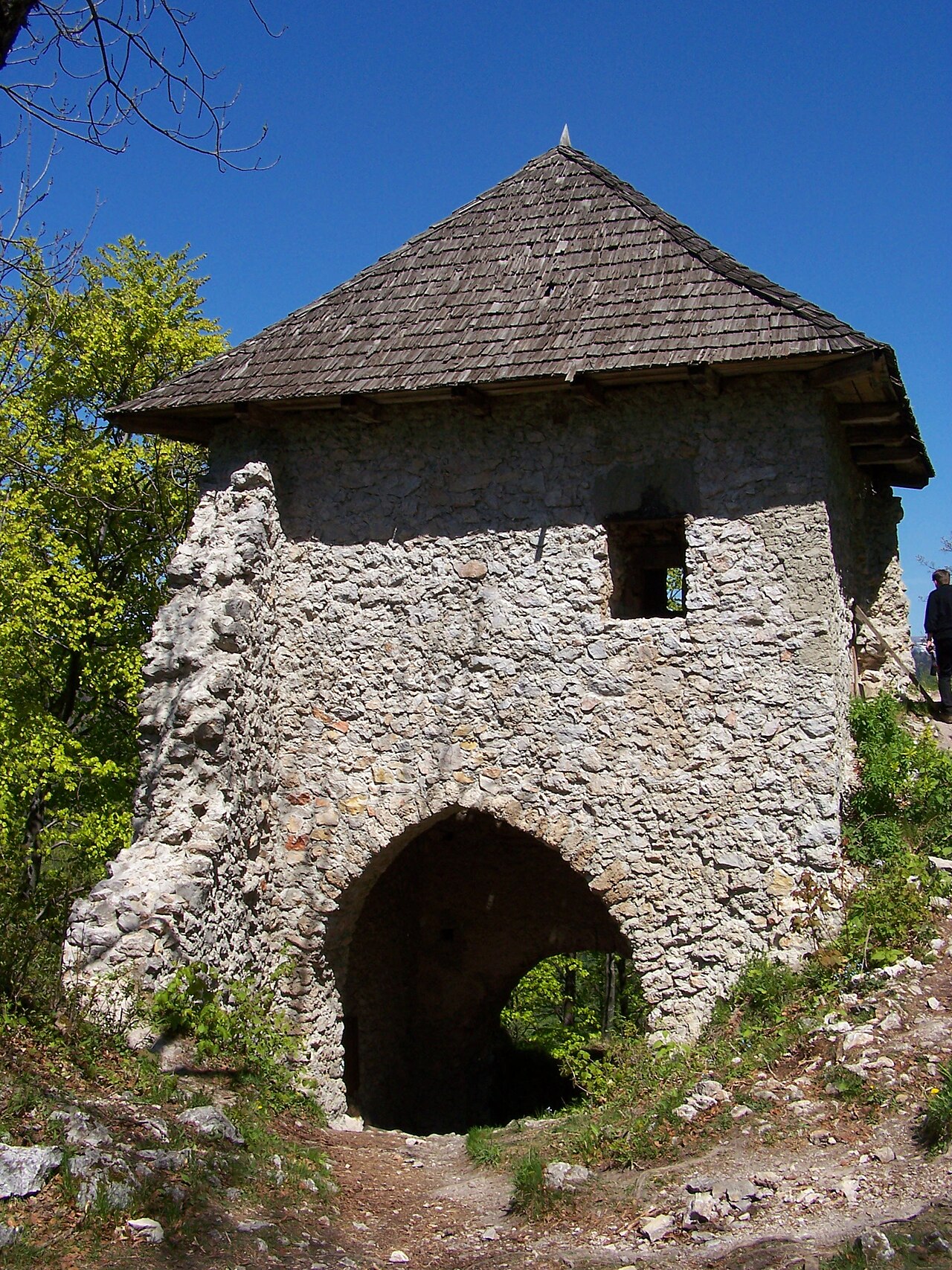
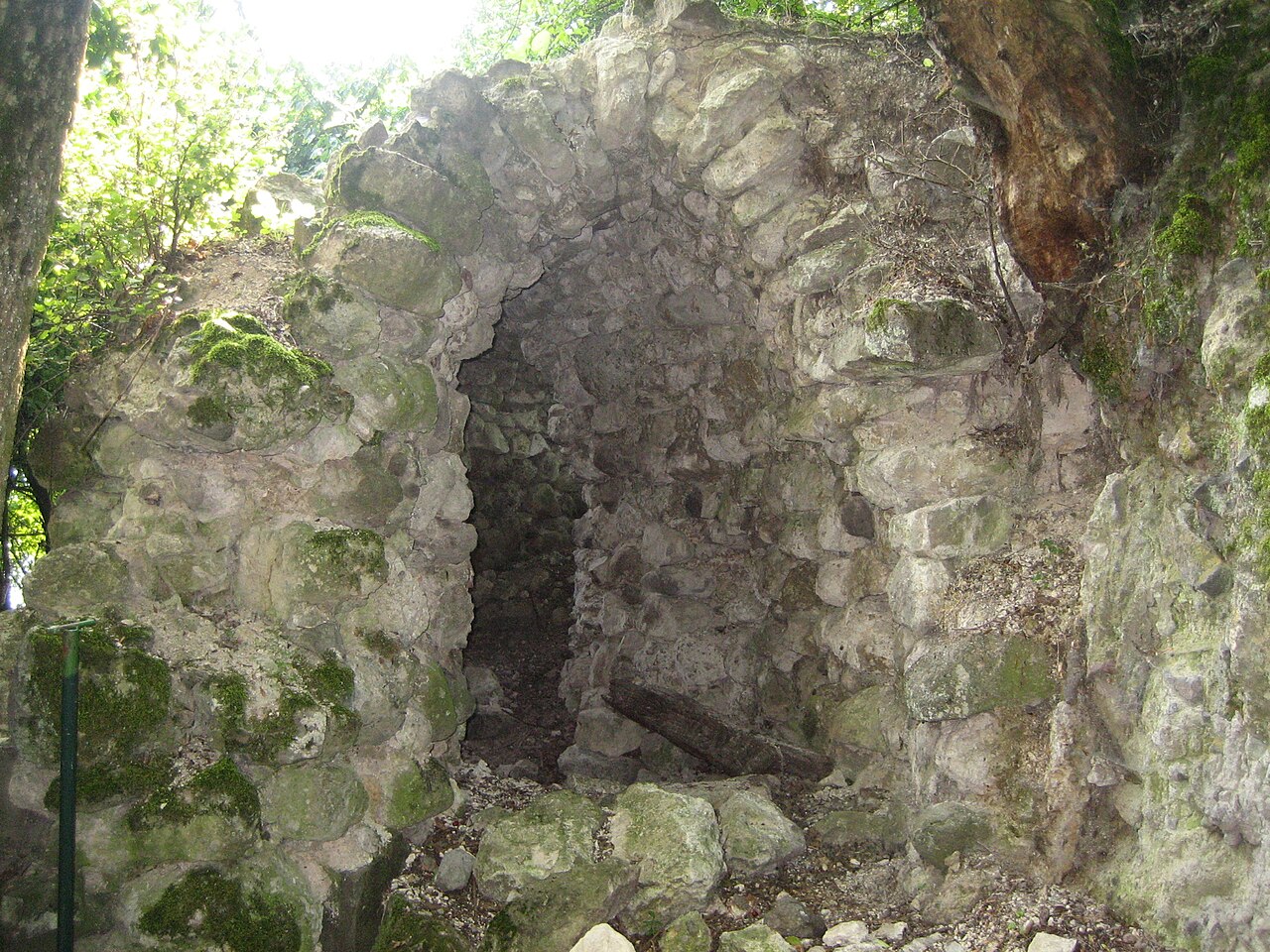
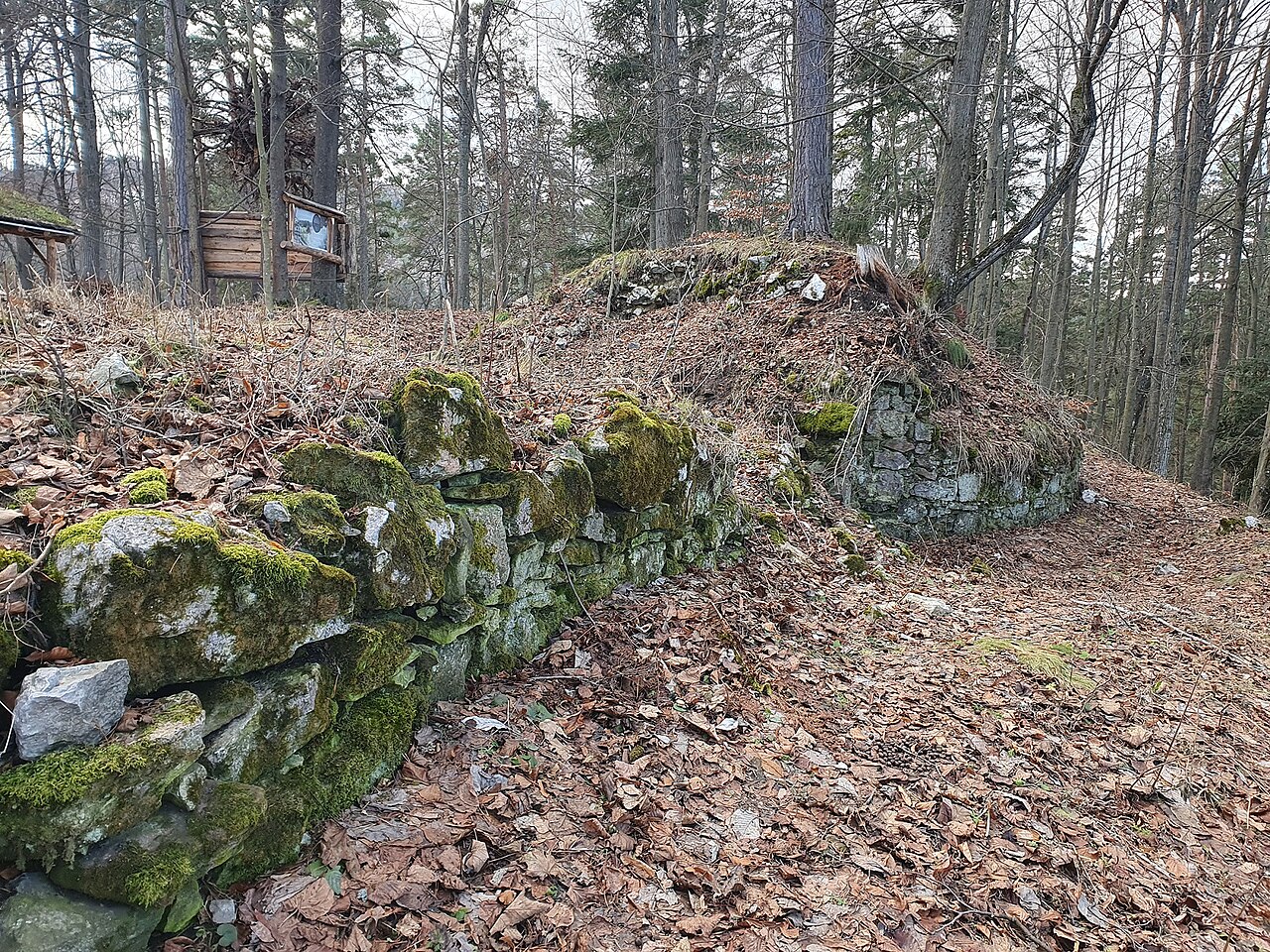
The castle was built primarily as a hill castle, designed to exploit the natural rock formations for defense. Its position atop a steep cliff allowed defenders to monitor and control the vital trade route passing below, which was essential for economic and military reasons. The remains of the castle suggest a complex layout adapted to the rugged terrain, with defensive walls, towers, and gates integrated into the natural rock to maximize protection. Although much of the structure is now in ruins, archaeological studies reveal the castle had multiple levels and a network of courtyards and chambers suited for both defense and residence.
History of ownership and notable figures
Matúš bašo and the bandit stronghold
One of the most notorious owners of Murán Castle was Matúš Bašo, a figure often described as a robber baron. During his tenure, the castle became a base for bandits who preyed on merchants and local villages, exploiting its strategic location to control and disrupt trade. This period marked the castle as a center of lawlessness and conflict. The royal army eventually laid siege to the fortress, and after a prolonged struggle, the castle fell in 1548. Matúš Bašo was captured and executed, ending his reign of terror.
Maria széchy, the venus of muráň
Another remarkable figure associated with Murán Castle is Maria Széchy, famously known as "The Venus of Muráň". She was an exceptionally independent and resourceful woman in the 17th century. Maria divorced her second husband to marry Ferenc Wesselényi, a powerful magnate and military leader. During a siege of Murán Castle, which was then held by her relatives, Maria played a critical role by cleverly allowing Wesselényi's troops inside the fortress through trickery, demonstrating her tactical acumen and loyalty to her new husband.
Sieges, conflicts, and decline
Ferenc Wesselényi later led a failed coup against Emperor Leopold I in 1666, known as the Wesselényi conspiracy. Although Wesselényi died before the coup could fully unfold, the political turmoil affected Murán Castle significantly. Maria Széchy took command of the castle's defense against the Imperial forces, showing notable courage and leadership. Despite being heavily outnumbered, she held out until surrendering to Charles of Lorraine in 1670. This event marked the beginning of the castle's decline.
Post-medieval history and current condition
In 1760, Murán Castle suffered extensive damage due to a fire, which accelerated its deterioration. Since then, it has remained in a state of ruins, with only fragments of its walls, towers, and fortifications still standing. The castle ruins have become a popular destination for hikers and history enthusiasts, offering panoramic views and a tangible connection to Slovakia's medieval past. Preservation efforts focus on stabilizing the ruins and facilitating safe public access while maintaining the site's historical integrity.
Cultural significance and legends
Murán Castle is surrounded by numerous romantic legends related to its colorful owners and turbulent history. The stories of Matúš Bašo's banditry and Maria Széchy's daring exploits contribute to the castle's mystique and cultural importance. These tales have been passed down through generations, enriching the folklore of the region and highlighting the castle's role beyond mere military functions.
Frequently asked questions (FAQ)
- What is the historical significance of Murán Castle Ruins?
- Murán Castle Ruins, built in the 13th century, played a crucial role in the defense of the region against invasions. It served as a royal residence and a strategic military outpost throughout its history, reflecting the architectural and cultural developments of medieval Slovakia.
- When was Murán Castle built?
- Murán Castle was constructed in the mid-13th century, with its first documented mention occurring in 1263. Over the centuries, it underwent various modifications and expansions, which contributed to its historical and architectural significance.
- How do I get to Murán Castle Ruins?
- To reach Murán Castle Ruins, visitors can drive to the village of Muráň, where parking is available. A short hike from the village leads to the castle site, providing stunning views of the surrounding landscape along the way.
- Is it possible to visit Murán Castle year-round?
- Yes, Murán Castle Ruins can be visited year-round, but accessibility may vary depending on weather conditions. The best time to visit is during the spring and autumn months when the weather is pleasant and the scenery is particularly beautiful.
- Can I enter the castle ruins?
- Visitors are free to explore the ruins of Murán Castle, as there are no entrance fees or guided tours required. However, it's advisable to wear sturdy shoes for the hike and be cautious while navigating the ruins.
- What are the opening hours of Murán Castle Ruins?
- Murán Castle Ruins do not have official opening hours since it is an open-site attraction. Visitors can access the ruins at any time, but daylight hours are recommended for a safe and enjoyable experience.
- Are there any nearby attractions to visit?
- Yes, nearby attractions include the picturesque village of Muráň and the beautiful Slovak Paradise National Park, known for its hiking trails and natural beauty. Combining your visit to the castle with these nearby sites offers a full day of exploration in the area.
- What are the ticket prices for visiting Murán Castle Ruins?
- There are no ticket prices to visit Murán Castle Ruins, as it is a free-access site. This makes it an ideal destination for budget-conscious travelers looking to explore Slovakia's rich history and stunning landscapes.
Information
Loading map...
Visitor reviews
No reviews yet. Been here? Write the first review and help other travelers!
Write the first reviewVisited this castle? Share your experience
Your review helps other travelers and adds first-hand knowledge to our encyclopedia.