Mouchli Castle
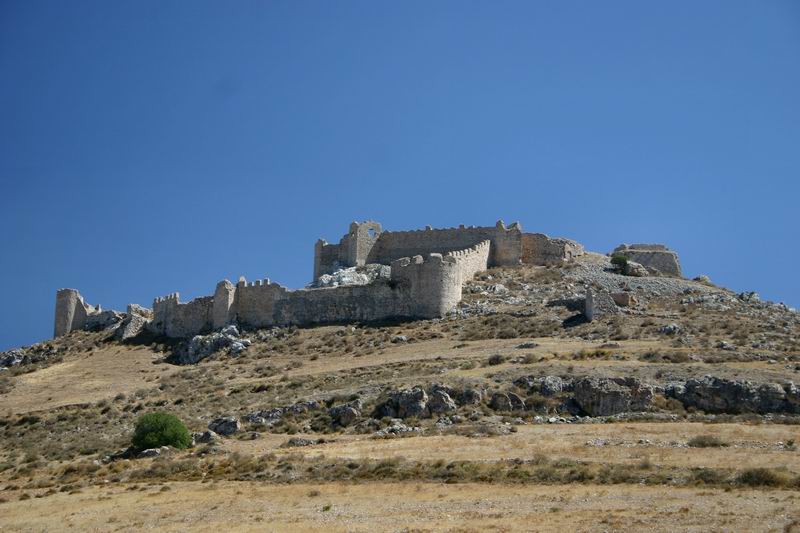
Mouchli Castle was a prominent Byzantine fortress located in the Tegean plain of the Peloponnese region in Greece. Strategically positioned on the edge of the Partheni Basin, it stood between the fertile Tegean plain and the Argolid, serving as a vital defensive and administrative center during the late Byzantine period. The castle's elevated location classifies it as a hill castle, taking advantage of the natural terrain for defense.
The origins of Mouchli Castle date back to the Middle Byzantine period, but it gained particular importance in the early 14th century when it became the seat of the Bishopric of Morea. This move occurred after the fall of the nearby town of Nikli, which had previously held this ecclesiastical role. The castle thus not only served military purposes but also became a religious and administrative hub in the region.
Historical significance and political context
During the turbulent years of the late Byzantine Empire, the Peloponnese was a contested region, with various powers vying for control. Mouchli Castle was one of the last strongholds in the area to resist the advancing forces of the Ottoman Empire. In the 1460s, following the fall of other Byzantine defenses in the Peloponnese, Mouchli succumbed to the army of Mehmed II, the Ottoman sultan known for conquering Constantinople in 1453.
The fall of Mouchli marked the end of significant Byzantine resistance in this part of the Peloponnese. After the Ottoman conquest, the castle lost its military and administrative importance. Over time, it was abandoned and fell into ruin, reflecting the shift in political power and the changing strategic landscape of the region.
Architectural features and layout
While detailed archaeological studies of Mouchli Castle are limited, it is understood that the fortress followed typical Byzantine military architectural principles. The castle likely featured thick defensive walls adapted to the natural contours of the hill, with battlements and towers positioned to maximize visibility and defensive capabilities. The location overlooking the Partheni Basin would have provided strategic surveillance over the surrounding plains and routes.
Inside the fortress, there would have been essential structures such as a keep or donjon, residential quarters for the garrison and clergy, and possibly a chapel reflecting its role as a bishopric seat. The castle's design balanced military defense with administrative and religious functions, typical of Byzantine fortifications in the late medieval period.
Decline and present condition
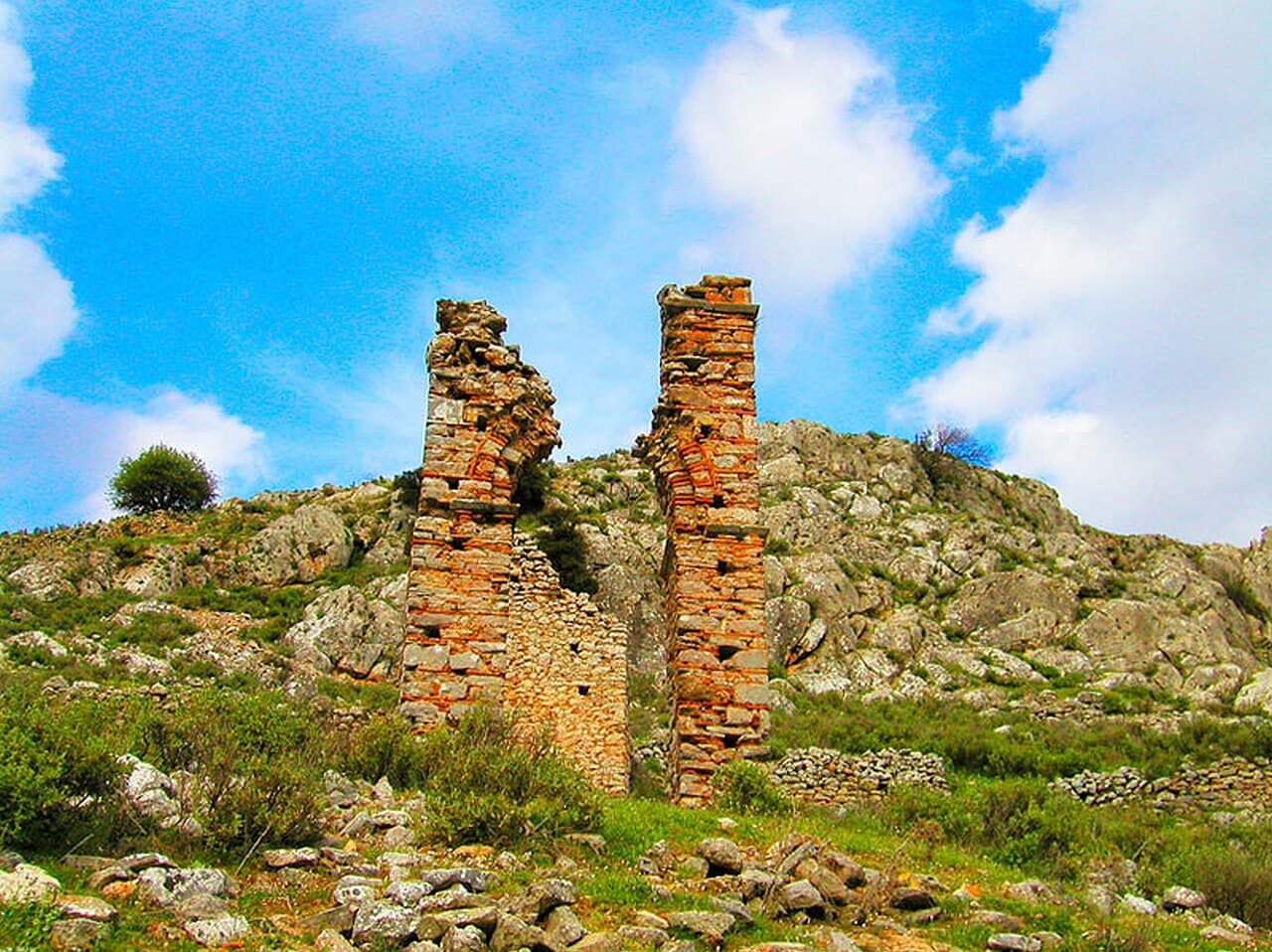
Following its capture by the Ottomans, Mouchli Castle rapidly declined in significance. The shift in regional power centers and military strategies rendered the fortress obsolete. Today, the site remains largely in ruins, classified as an archaeological site rather than a preserved or restored castle. The remnants of its walls and foundations offer valuable insights into Byzantine military architecture and the historical landscape of the Peloponnese.
Visitors and scholars interested in Byzantine history and medieval fortifications find Mouchli Castle a noteworthy example of the region's defensive heritage, despite its ruined state. Its location and historical role provide context for understanding the complex history of the Peloponnese during the decline of the Byzantine Empire and the rise of Ottoman control.
Frequently asked questions (FAQ)
- When was Mouchli Castle built and what was its original purpose?
- Mouchli Castle was built in the early 14th century as a Byzantine fortress and became the seat of the Bishopric of Morea after the fall of Nikli.
- What led to the decline of Mouchli Castle?
- The castle lost its significance after falling to the forces of Mehmed II in the 1460s and was subsequently abandoned following the Ottoman conquest.
- What architectural features characterize Mouchli Castle?
- Mouchli Castle featured thick defensive walls, battlements, towers, and a keep, typical of Byzantine military architecture adapted to its hilltop location.
- Is Mouchli Castle accessible to visitors today?
- The castle remains largely in ruins and is classified as an archaeological site, offering historical interest but limited visitor facilities.
- Why was Mouchli Castle important in Byzantine times?
- It served as a military, administrative, and religious center, especially after becoming the seat of the Bishopric of Morea in the early 14th century.
Photo gallery

Information
Loading map...
Visitor reviews
No reviews yet. Been here? Write the first review and help other travelers!
Write the first reviewVisited this castle? Share your experience
Your review helps other travelers and adds first-hand knowledge to our encyclopedia.