Moto Sakura Castle
Moto Sakura Castle (本佐倉城, Motosakura-jō) is a significant example of a Muromachi period hirayama-style castle located on the border between the town of Shisui and the city of Sakura in Chiba Prefecture, Japan. Constructed in the 15th century, this castle played an important role during the turbulent Late Medieval period in Japan. Though now in ruins, the site has been recognized and protected as a National Historic Site since 1998 due to its archaeological and cultural value.
Historical context and significance
The Muromachi period (1336–1573) was characterized by political fragmentation and frequent military conflicts among regional warlords. Moto Sakura Castle was built during this era as a defensive stronghold to control key routes and territory in the region. Its location near the border of Shisui and Sakura allowed it to serve as a strategic point for monitoring movement and asserting control over the surrounding lands.
As a hirayama-style castle, Moto Sakura was constructed on a hill rising from the plains, combining natural elevation with man-made fortifications. This style was common in the period and allowed for effective defense while maintaining accessibility to the surrounding agricultural areas.
Architectural features and layout
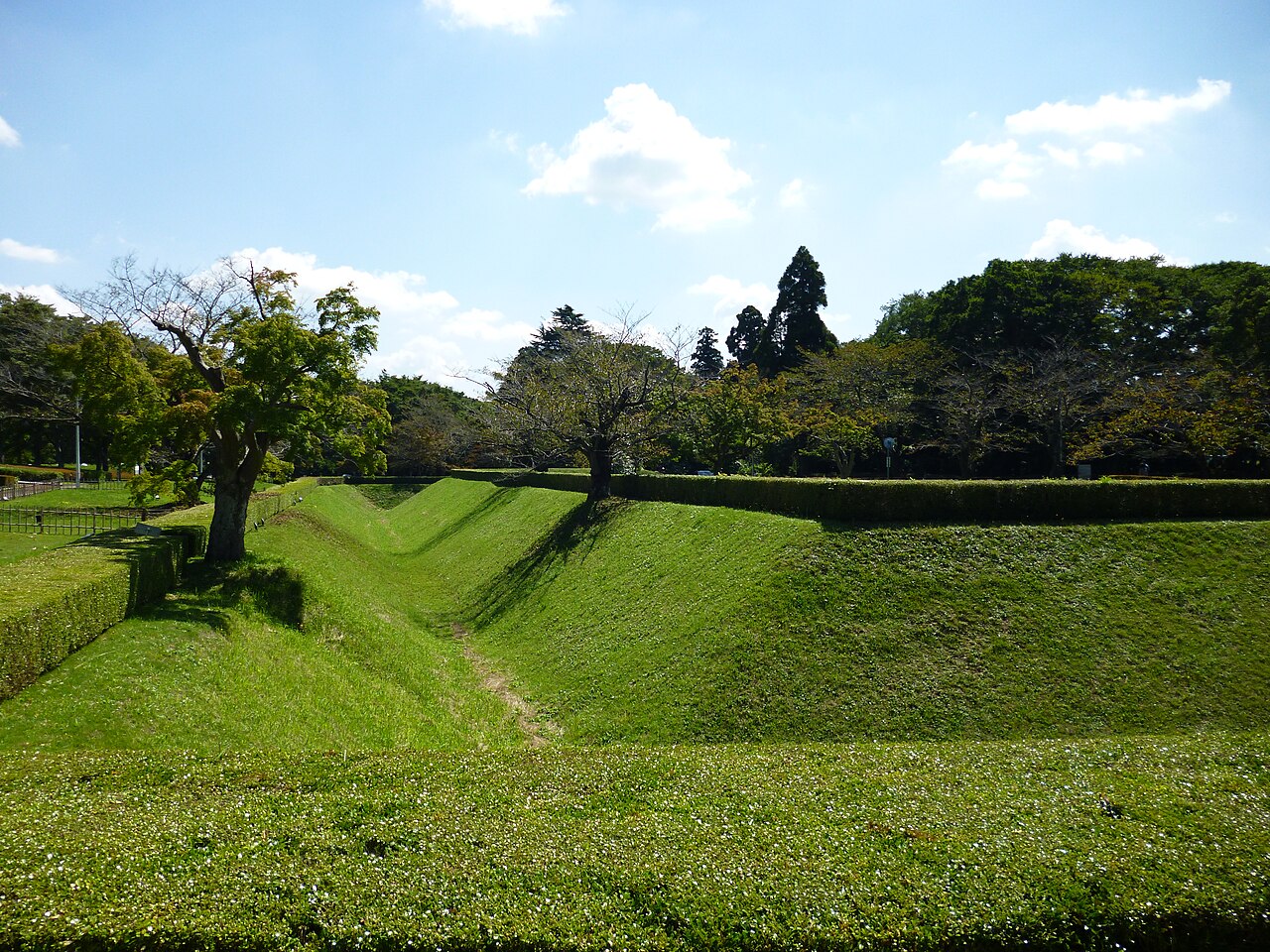
The castle's design incorporated typical elements of Late Medieval Japanese castles. It featured multiple baileys or courtyards separated by earthen walls and moats, a common defensive strategy to slow enemy advances. The hilltop location provided natural protection, enhanced by constructed stone walls and wooden palisades.
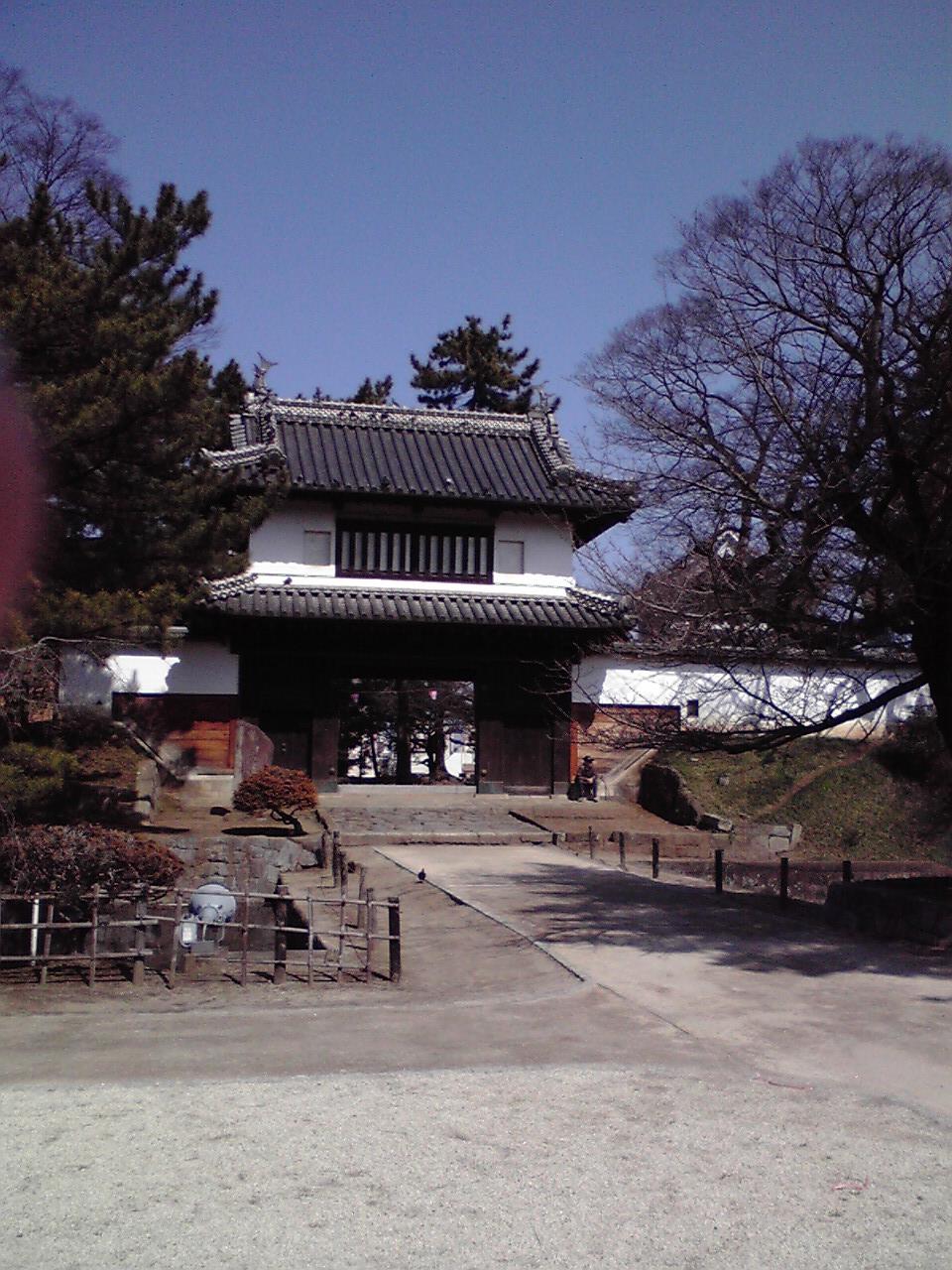
Though much of the original structure has not survived, archaeological excavations have revealed remnants of foundation stones, defensive ditches, and traces of gatehouses. These findings indicate a complex layout designed to maximize defense capabilities while supporting the residential and administrative functions of the castle.
Defensive structures
The castle utilized a combination of natural terrain and constructed defenses. Steep slopes around the hill limited access points, while moats and earthen embankments added layers of protection. The use of dry moats and earthen ramparts was typical for the period and region, adapted to the local topography.
Residential and administrative areas
Within the inner bailey, there would have been living quarters for the lord and retainers, as well as storage facilities and administrative buildings. Although no standing structures remain, foundation remains suggest a well-organized compound capable of supporting a small military and governing presence.
Decline and preservation
Following the unification of Japan in the late 16th century and the subsequent peace of the Edo period, many castles like Moto Sakura lost their military importance and were gradually abandoned. Over time, natural decay and human activity reduced the castle to ruins.
The site was formally recognized for its historical importance and designated a National Historic Site in 1998. Preservation efforts focus on protecting the archaeological remains and promoting public awareness of the castle's role in regional history.
Visiting Moto Sakura Castle ruins
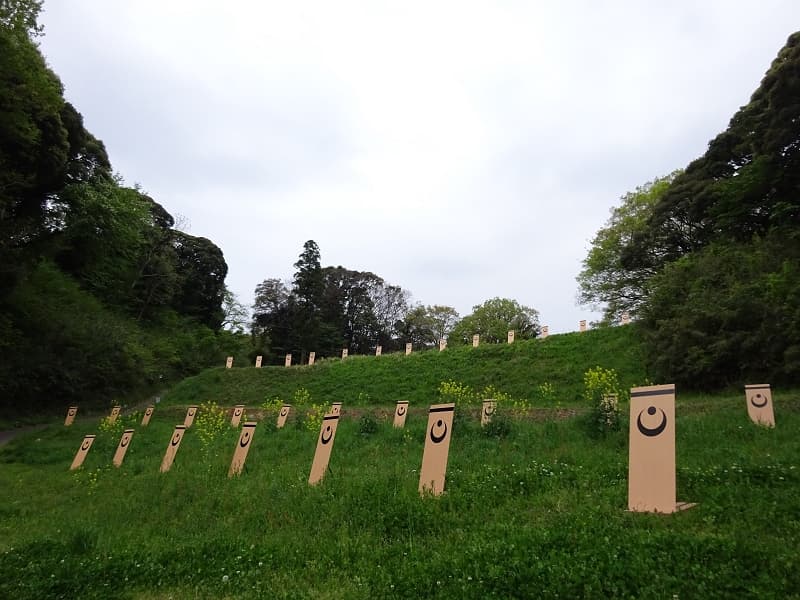
Today, visitors to the Moto Sakura Castle ruins can explore the site to appreciate the scale and layout of a typical hirayama-style castle from Japan's Late Medieval period. Informational signage and walking paths guide visitors through the remains of the fortifications and baileys.
The site offers insight into Japanese castle architecture and the strategic considerations of the period. Its location in Chiba Prefecture makes it accessible for those interested in Japanese history and archaeology.
Legacy and cultural importance
Moto Sakura Castle stands as a valuable archaeological site that helps historians and architects understand the development of Japanese castles during a period of military conflict and political change. Its remains provide tangible connections to the Muromachi period and the feudal history of the Kanto region.
The castle's designation as a National Historic Site underscores its significance as part of Japan's cultural heritage, preserving the memory of feudal Japan's military architecture and local governance.
Frequently asked questions (FAQ)
- What is the historical significance of Moto Sakura Castle?
- Moto Sakura Castle, built in the 16th century, served as a strategic military fortress during the Sengoku period. It played a crucial role in the power struggles of feudal Japan and is a testament to the architectural advancements of the time.
- When was Moto Sakura Castle constructed?
- Moto Sakura Castle was constructed in 1542 by the powerful daimyo, Takeda Shingen. It has since undergone various restorations, preserving its historical integrity while allowing visitors to experience its rich past.
- How do I get to Moto Sakura Castle?
- Moto Sakura Castle is easily accessible by public transportation, with nearby train and bus services connecting to major cities. Visitors can also reach the castle by car, with parking facilities available for those driving.
- What are the opening hours of Moto Sakura Castle?
- Moto Sakura Castle is open to visitors from 9 AM to 5 PM, with last admissions taken at 4:30 PM. It is advisable to check for seasonal variations in hours or special closures before planning your visit.
- Can I take guided tours of Moto Sakura Castle?
- Yes, guided tours are available at Moto Sakura Castle, providing in-depth insights into its history and architecture. These tours are led by knowledgeable guides and can enhance your understanding of the castle's significance.
- Is it possible to visit Moto Sakura Castle year-round?
- Yes, Moto Sakura Castle is open to visitors throughout the year, though the best time to visit is during the cherry blossom season in spring or the vibrant foliage in autumn. Each season offers a unique perspective of the castle's beauty.
- What are the ticket prices for visiting Moto Sakura Castle?
- Ticket prices for Moto Sakura Castle are reasonably priced, with discounts available for children and seniors. It's best to check the official website for the most current pricing and any special offers.
- Are there any nearby attractions to visit while at Moto Sakura Castle?
- Yes, several attractions are located near Moto Sakura Castle, including beautiful gardens and historical temples. Visitors can also explore local markets and cultural sites that reflect the rich heritage of the area.
- What architectural features should I look for at Moto Sakura Castle?
- Moto Sakura Castle showcases traditional Japanese castle architecture, including stone walls, moats, and wooden structures. The intricate design and layout provide insight into the defensive strategies of the era and the aesthetic values of the time.
Photo gallery

Information
Loading map...
Visitor reviews
No reviews yet. Been here? Write the first review and help other travelers!
Write the first reviewVisited this castle? Share your experience
Your review helps other travelers and adds first-hand knowledge to our encyclopedia.