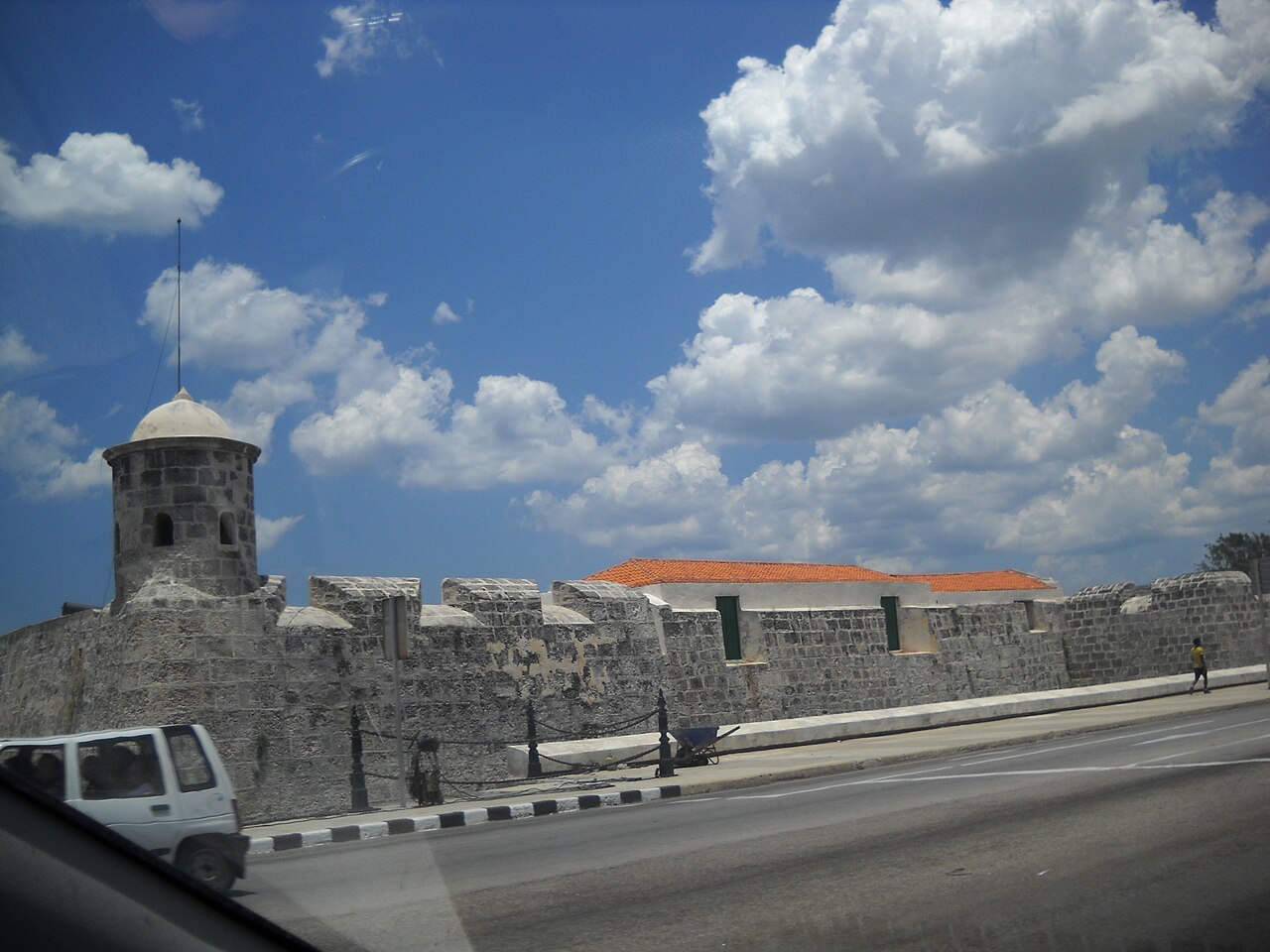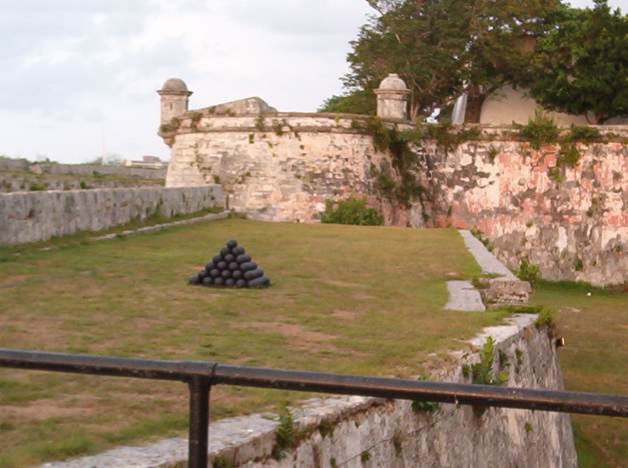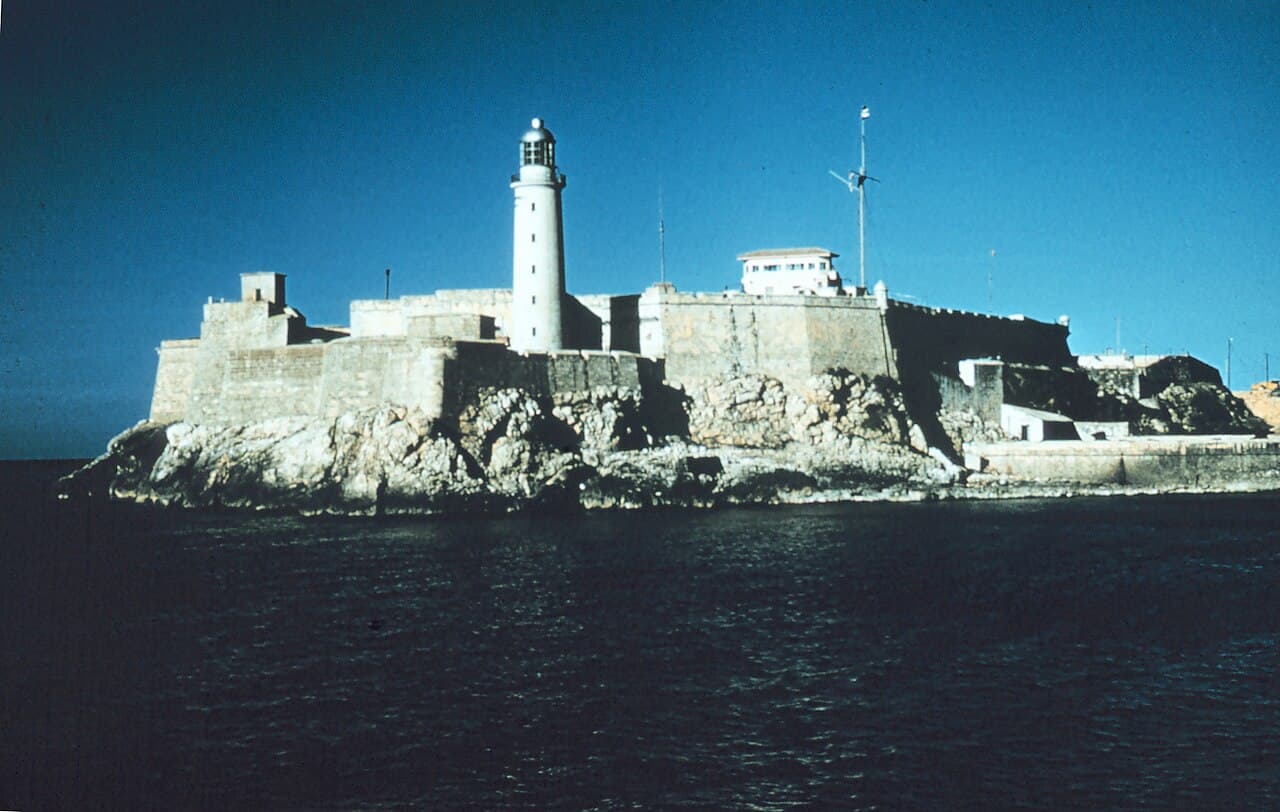
The Castillo de los Tres Reyes del Morro, commonly known as Morro Castle, is a prominent fortress located at the entrance of Havana harbor in Cuba. This imposing structure was strategically built to guard the harbor and protect the city from naval attacks and pirate incursions. Its commanding position on a rocky promontory allows it to oversee and control access to one of the most important ports in the Caribbean.
The fortress was designed by the renowned Italian military engineer Battista Antonelli (1547–1616), whose expertise in fortification architecture was sought by the Spanish Crown during the late 16th century. Although construction began in the late 16th century, the fortress underwent various phases of building and reinforcement over the centuries, with significant works continuing into the 18th century. This timeline reflects its evolution in response to advances in military technology and changing strategic needs.
Architectural design and features
Morro Castle exemplifies the post-medieval bastion fort style, characteristic of the period following the Renaissance, when artillery warfare demanded new defensive designs. The fortress is constructed primarily of robust stone masonry, featuring thick walls angled to deflect cannon fire. Its layout includes a series of bastions and curtain walls that form a star-shaped defensive perimeter, typical of trace italienne fortifications.
The main entrance is accessed via a drawbridge over a moat, leading to a fortified gatehouse. Inside, the castle contains gun platforms equipped with cannons that once covered the harbor entrance and adjacent coastline. The fortress also includes magazines for ammunition storage, barracks for troops, and command quarters. Its elevated position provides excellent visibility and overlapping fields of fire.
Historical significance and military role
Morro Castle was a critical element in the defense of Havana, a key Spanish colonial port and naval base in the Caribbean. The fortress was constructed to deter attacks from European rivals and pirates. In 1762, during the Seven Years' War, the castle was captured by the British in a major siege, marking a significant event in the fortress's history. The British occupation was brief, as the fortress was returned to Spain the following year under the Treaty of Paris (1763).
Following this, the Spanish enhanced Havana's defenses by building La Cabaña fortress in 1774, which complemented Morro Castle's role. Despite this, Morro Castle remained a vital defensive structure well into the 19th century, adapting to changing military technologies and threats.
Cultural and heritage importance
Today, Morro Castle stands as a symbol of Havana's colonial past and its strategic maritime importance. It is part of the Old Havana and its Fortification System, designated as a UNESCO World Heritage Site. The fortress attracts numerous visitors interested in military history, colonial architecture, and Cuban heritage.
The site offers panoramic views of the harbor and city skyline, making it a popular destination for tourists and locals alike. Preservation efforts have maintained much of the fortress's original structure, allowing visitors to explore its bastions, dungeons, and ramparts. The castle also hosts cultural events and exhibitions that highlight its historical legacy.
Construction history and evolution
Construction of Morro Castle began in 1589 under the direction of Battista Antonelli, who was commissioned by the Spanish Crown to fortify Havana against increasing threats. The initial phase focused on establishing the main fortress walls and bastions. Over the next century, the castle was expanded and reinforced to accommodate new artillery and improve defensive capabilities.
In the 18th century, particularly after the British siege of 1762, significant repairs and upgrades were made to strengthen the fortress. These included the addition of new gun emplacements and improvements to the living quarters for the garrison. The castle's design reflects the adaptation of Renaissance military engineering principles to the Caribbean environment.
Architectural style and influences
The design of Morro Castle is influenced by the Renaissance military architectural principles, especially the trace italienne style, which emphasized angular bastions and low, thick walls to withstand cannon fire. This style marked a departure from earlier medieval castles, which were more vertical and less resistant to artillery.
Antonelli's work on Morro Castle is part of a broader legacy of Spanish fortifications across the Americas, combining European design with adaptations for local materials and climate. The fortress's stone construction and strategic placement on a promontory demonstrate a careful integration of natural terrain into defensive planning.
Visiting morro castle
Visitors to Morro Castle can explore its extensive fortifications, including the bastions, ramparts, and the lighthouse that was added in the 19th century. The site includes a museum with exhibits on the fortress's history, military artifacts, and the broader context of Havana's colonial defense system.
The castle is accessible to the public year-round, offering guided tours that explain its historical and architectural significance. The panoramic views from the fortress provide excellent opportunities for photography and appreciation of Havana's coastal landscape.
Frequently asked questions (FAQ)
- What is Morro Castle known for?
- Morro Castle, or Castillo del Morro, is an iconic fortress located at the entrance of Havana Harbor in Cuba. It was built in the 16th century to protect the city from pirates and invaders, and it stands as a symbol of Cuba's colonial history and military architecture.
- When was Morro Castle built?
- Construction of Morro Castle began in 1589 and continued until the early 17th century. The castle was completed in 1628 and has since undergone various renovations to preserve its structure and historical significance.
- Can I visit Morro Castle?
- Yes, Morro Castle is open to visitors, allowing you to explore its historic grounds and learn about its fascinating history. Guided tours are available, providing insights into the castle's architecture and the role it played in Cuban history.
- What are the opening hours of Morro Castle?
- Morro Castle is typically open to visitors from 10:00 AM to 6:00 PM daily. However, it is advisable to check for any seasonal changes in opening hours or special events that might affect access.
- Is there an admission fee to enter Morro Castle?
- Yes, there is a nominal admission fee to enter Morro Castle, which helps maintain the site. The ticket price is generally affordable, making it accessible for both locals and tourists.
- When is the best time to visit Morro Castle?
- The best time to visit Morro Castle is during the cooler months, from November to April, when the weather is more pleasant for outdoor activities. Morning visits can also provide a quieter experience before the crowds arrive.
- How do I get to Morro Castle?
- Morro Castle is easily accessible from downtown Havana, either by taxi or public transportation. The castle is located on a prominent hill, so be prepared for a bit of a walk or steps to reach the entrance.
- What nearby attractions can I visit after Morro Castle?
- After exploring Morro Castle, consider visiting the nearby Fortaleza de La Cabaña, another historic fortress, or enjoying the beautiful views of Havana from the waterfront. The Old Havana area, with its vibrant culture and architecture, is also just a short journey away.
- Is Morro Castle accessible for visitors with disabilities?
- Morro Castle has limited accessibility due to its historic nature and hilly terrain. While some areas may be navigable, visitors with mobility challenges should plan accordingly and inquire about available accommodations prior to their visit.
Photo gallery

Photo by Dr. Anthony R. Picciolo, NOAA NODC•Public domain
Information
Loading map...
Visitor reviews
No reviews yet. Been here? Write the first review and help other travelers!
Write the first reviewVisited this castle? Share your experience
Your review helps other travelers and adds first-hand knowledge to our encyclopedia.