San Carlos de la Cabaña Fortress
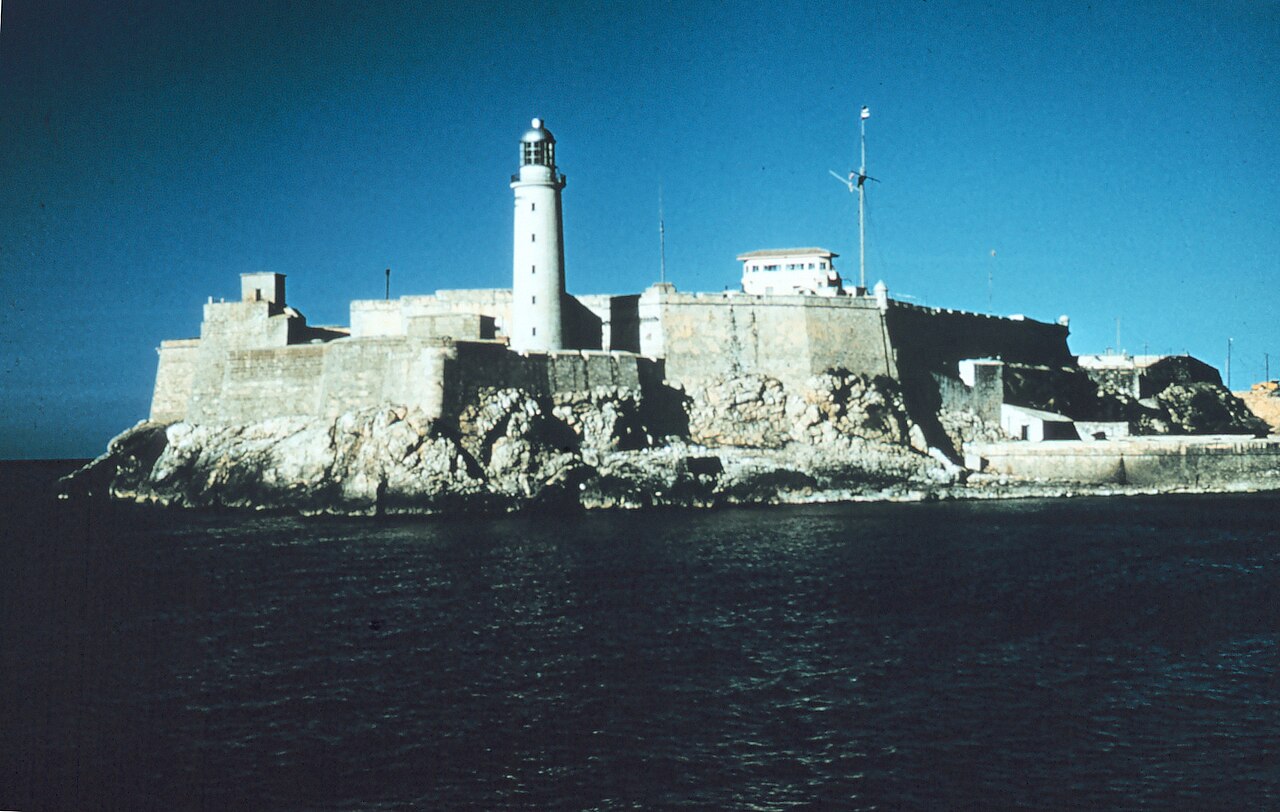
San Carlos de la Cabaña Fortress, commonly known as La Cabaña, is a monumental 18th-century bastioned fortress situated on a strategic hill overlooking the entrance to Havana's harbor in Cuba. It is recognized as the third-largest fortress in the Americas and forms an integral part of the Old Havana World Heritage Site, designated in 1982. The fortress stands prominently on a 60-meter hilltop adjacent to the historic Morro Castle, together dominating the harbor's eastern entrance.
Historical context and strategic importance
Constructed during the post-Renaissance period in the 18th century, San Carlos de la Cabaña Fortress was built by the Spanish Empire as a response to increasing threats from pirates, privateers, and rival colonial powers. Its primary purpose was to protect Havana, then one of the most important ports in the Caribbean, serving as a key naval base and commercial hub for the Spanish colonies.
The fortress was designed to complement the defenses of the nearby Morro Castle, creating a crossfire zone that secured the harbor entrance against enemy ships. This strategic positioning allowed the Spanish to control maritime access and safeguard the city from naval attacks effectively.
Architectural design and features
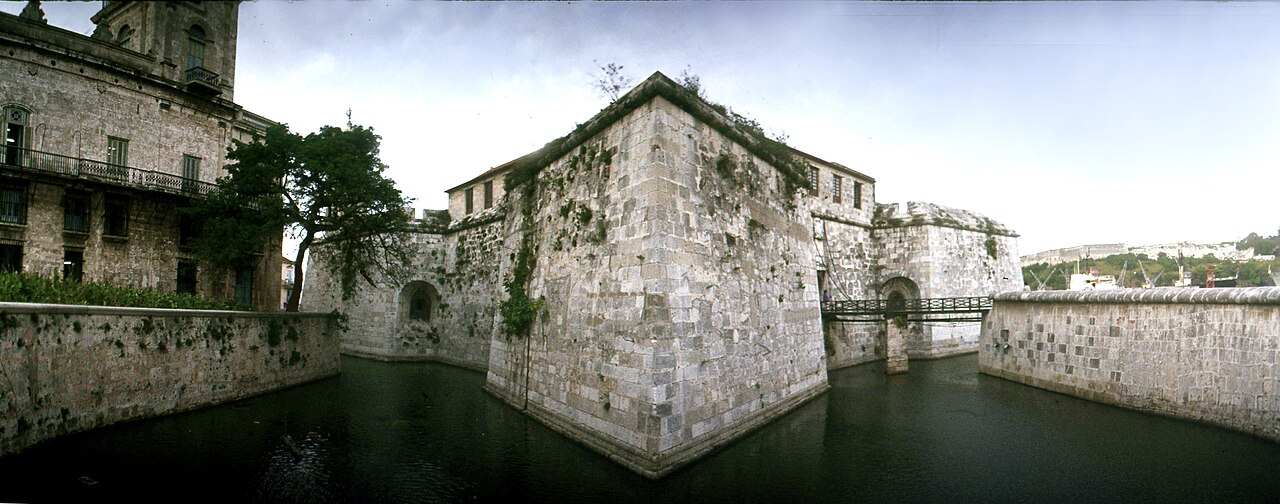
San Carlos de la Cabaña is a prime example of a bastioned fortress, a style that evolved from Renaissance military engineering principles emphasizing angled bastions and thick walls to withstand artillery fire. The fortress features a complex system of ramparts, bastions, moats, and curtain walls designed to maximize defensive capabilities.
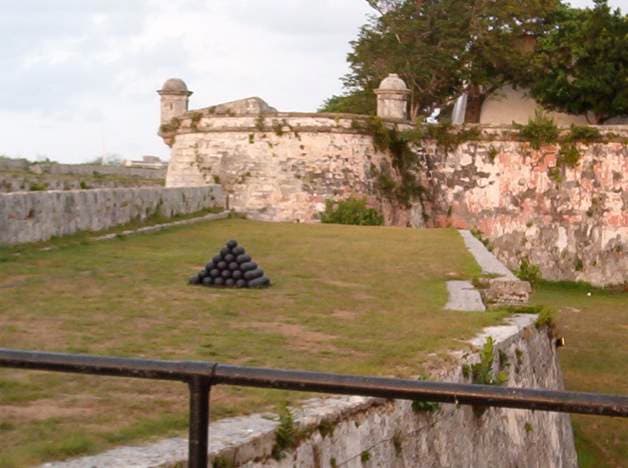
The fortress covers a vast area with multiple courtyards, barracks, powder magazines, and storage facilities. Its walls are constructed from robust stone and masonry, designed to absorb and deflect cannon fire. The bastions are positioned to provide overlapping fields of fire, minimizing blind spots and enhancing the fortress's defensive reach.
Inside the fortress, there are large garrison quarters that housed Spanish troops, as well as administrative buildings and facilities to support prolonged sieges. The layout reflects careful planning to accommodate both military and logistical needs.
Role through history and cultural significance
Throughout its history, La Cabaña Fortress played a crucial role in various military conflicts, including the defense against British attacks in the 18th century and later during the Cuban War of Independence. In the 20th century, the fortress was notably used during the Cuban Revolution, serving as a prison and headquarters for revolutionary forces.
Today, the fortress is an important cultural landmark and tourist attraction. It hosts the annual San Carlos de la Cabaña cannon ceremony, a reenactment of the traditional firing of the cannon at sunset, which is a popular event for visitors. The fortress also contains museums and exhibition spaces that showcase Cuba's military history and colonial heritage.
Preservation and visitor experience
San Carlos de la Cabaña Fortress is well preserved and maintained as part of Cuba's national heritage. Visitors can explore its extensive grounds, including the bastions, dungeons, and courtyards, gaining insight into the military architecture of the post-Renaissance era.
The fortress offers panoramic views of Havana's harbor and the city skyline, making it a favored spot for photography and historical tours. Guided visits provide detailed explanations of the fortress's construction, historical events, and architectural features.
Accessibility is generally good, though the hilltop location requires some walking. The site is open to the public with specific visiting hours and may charge a modest admission fee.
Frequently asked questions (FAQ)
- What is the historical significance of San Carlos de la Cabaña Fortress?
- San Carlos de la Cabaña Fortress, built in the 18th century, is one of the largest fortresses in the Americas and played a crucial role in the defense of Havana. It served as a military stronghold against various invasions and is a symbol of Cuba's colonial history. Today, it stands as a monument to the island's rich past and is a popular tourist attraction.
- When was San Carlos de la Cabaña Fortress built?
- Construction of the fortress began in 1763 and was completed in 1774. It was designed by the Spanish engineer Manuel de la Cruz, aimed at protecting Havana from naval attacks. The fortress's strategic location allows it to oversee the entrance of Havana Bay.
- Can I visit San Carlos de la Cabaña Fortress?
- Yes, visitors can explore San Carlos de la Cabaña Fortress, which offers guided tours to enhance the experience. The site features impressive architecture and stunning views of the city and harbor. Ensure to check the latest visitor guidelines and requirements before planning your visit.
- What are the opening hours for San Carlos de la Cabaña Fortress?
- San Carlos de la Cabaña Fortress is generally open to visitors from 9 AM to 5 PM, but hours may vary on public holidays or special occasions. It is advisable to confirm the hours before your visit to avoid any inconveniences. Evening events and activities might also be available on certain days.
- Is it possible to access San Carlos de la Cabaña Fortress by public transport?
- Yes, public transport options are available to reach San Carlos de la Cabaña Fortress, including buses and taxis from various points in Havana. Many visitors also enjoy walking along the scenic waterfront to reach the fortress. It is recommended to check local transport schedules for the most convenient routes.
- What are the ticket prices for visiting San Carlos de la Cabaña Fortress?
- The entrance fee to San Carlos de la Cabaña Fortress is typically affordable, with discounts available for students and seniors. Children under a certain age often enter for free. Prices may vary, so it’s best to verify the current rates upon arrival.
- When is the best time to visit San Carlos de la Cabaña Fortress?
- The best time to visit is during the dry season, which runs from November to April, when the weather is cooler and more pleasant. Visiting in the early morning or late afternoon can help you avoid the midday heat and crowds. Special events and reenactments often occur in the evenings, adding to the experience.
- Are there any nearby attractions to San Carlos de la Cabaña Fortress?
- Yes, nearby attractions include the historic Old Havana, the Morro Castle, and the beautiful Malecón promenade. These sites offer additional insights into Cuba's history and culture, making it easy to spend a full day exploring the area. Consider combining your visit to the fortress with these other landmarks for a richer experience.
Photo gallery

Information
Loading map...
Visitor reviews
No reviews yet. Been here? Write the first review and help other travelers!
Write the first reviewVisited this castle? Share your experience
Your review helps other travelers and adds first-hand knowledge to our encyclopedia.