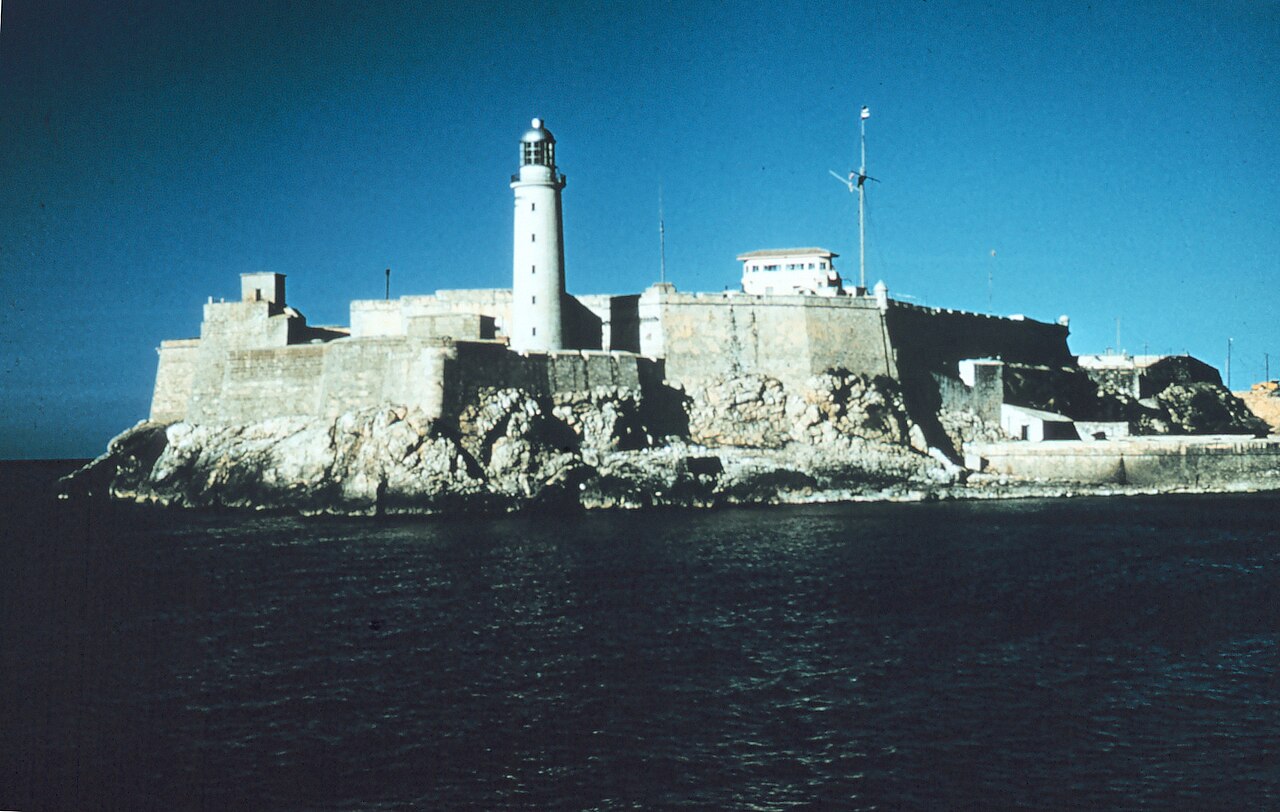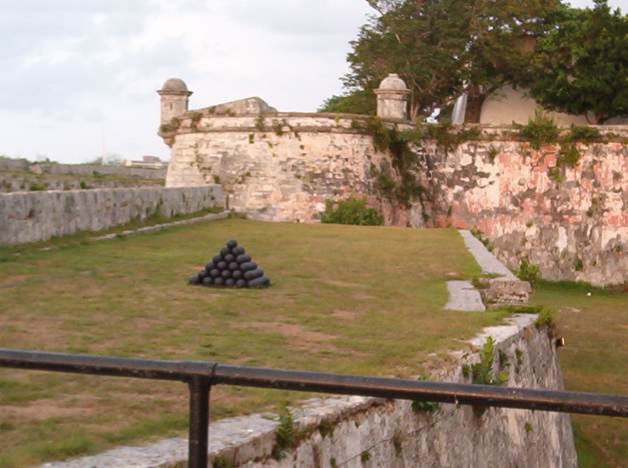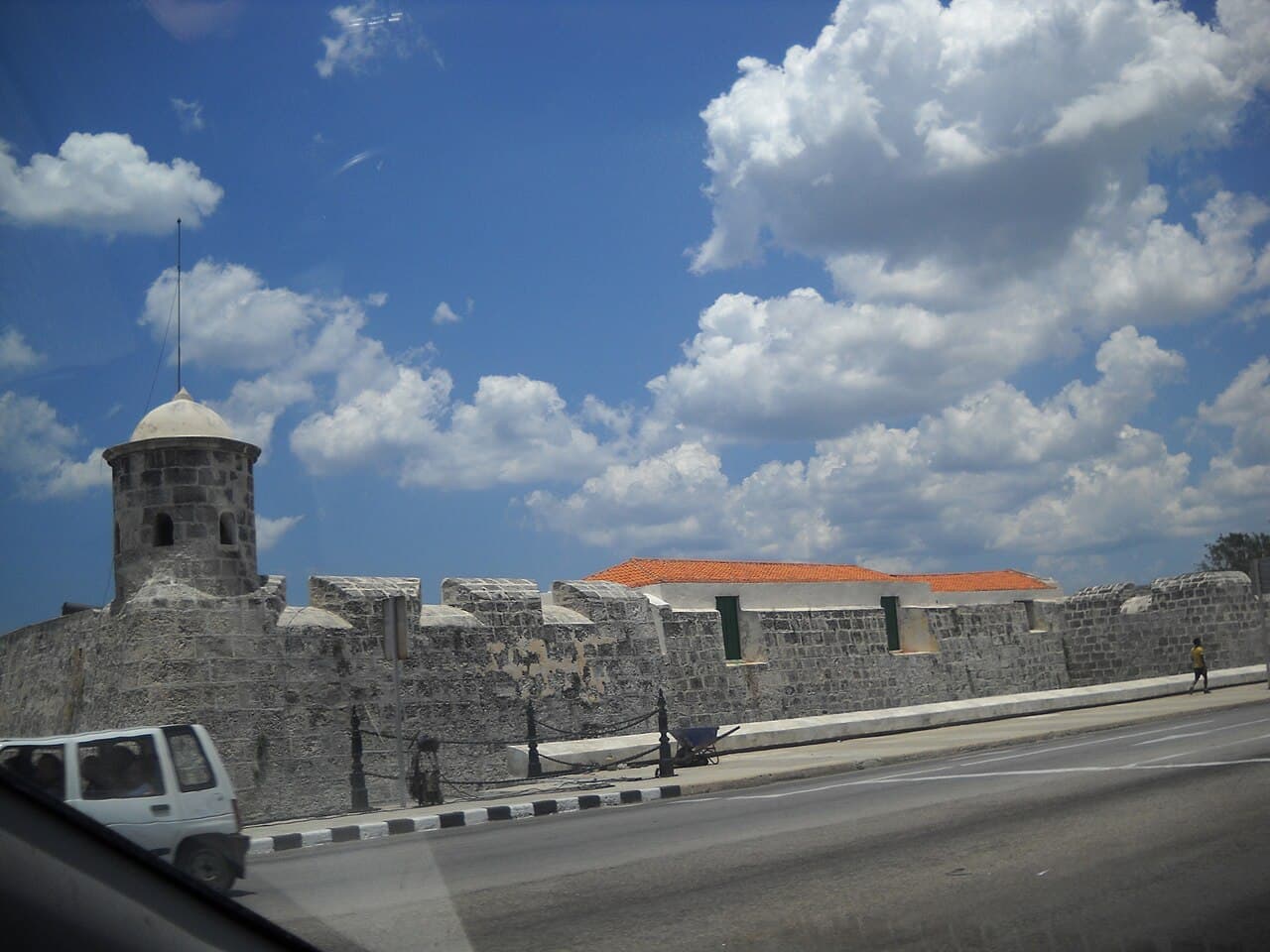
La Punta Castle, formally known as Castillo de San Salvador de La Punta, is a historic bastioned fortress located on the western shore at the entrance of Havana Bay in Cuba. This strategic position was critical for the defense of Havana, especially after the city suffered a significant attack in 1555 by the French pirate Jacques de Sores. The assault underscored the need for robust fortifications to protect the harbor and the city itself from future naval incursions.
The initial defense plans for La Punta were influenced by the work of the Italian military engineer Giovanni Battista Antonelli, who inspected Havana's defenses in 1558. Antonelli returned in 1559 with workmen to strengthen the site at La Punta and the opposing El Morro Castle on the eastern side of the bay entrance. Despite these early efforts, the construction of the current La Punta Castle structure did not commence until 1590, contemporaneous with the building of El Morro Castle.
Architectural design and construction
La Punta Castle was designed as a bastioned fortress, a style characteristic of the Renaissance period, reflecting the evolution of military architecture in response to the increasing use of artillery. The fort features a quadrilateral layout with bastioned walls that provided overlapping fields of fire, enhancing its defensive capabilities against naval and land attacks.
The external walls measure approximately 100 meters at their maximum length and 58 meters at their minimum, enclosing the fort's interior space. Positioned about 210 meters from Havana's central plaza, the castle was a key element in the city's defensive network. Notably, La Punta was historically linked to El Morro Castle by a heavy iron chain stretched across the bay's entrance. This chain could be tightened during times of threat to physically block enemy ships from entering Havana's harbor.
Historical significance and military engagements
In 1762, during the Seven Years' War, a British fleet commanded by Admiral Sir George Pocock attacked and captured Havana. La Punta Castle was nearly destroyed in this assault. Following the British occupation, the Spanish governor, Count de Ricla, ordered its reconstruction. The restoration was overseen by engineers Silvestre Abarca and Agustin Crame, who adhered closely to the original design plans, preserving the fort's Renaissance bastioned style.
By 1865, reports from the Corps of Engineers described La Punta Castle as housing a garrison of 60 men and equipped with 19 artillery pieces. This indicates that the fortress remained an active military installation well into the 19th century, although its strategic importance had diminished with advances in naval technology and changes in warfare.
Current condition and visitor experience
Today, La Punta Castle is well preserved as a historical monument, though it is relatively small and less architecturally elaborate compared to other Caribbean fortifications. Visitors can explore the site for a modest entrance fee, but the interior offers limited exhibits or displays. The castle's primary appeal lies in its historical context and its commanding position overlooking Havana Bay.
Despite its modest size, La Punta Castle remains a significant cultural landmark that contributes to understanding Havana's colonial military defenses. It complements the more extensive and famous El Morro Castle across the bay, together forming a defensive system that protected Havana for centuries.
Architectural features and defensive elements
The fortress's bastioned design includes angled walls and projecting bastions that allowed defenders to cover adjacent walls with gunfire, minimizing blind spots. The thick stone walls were constructed to withstand cannon fire, while the positioning at the bay's narrow entrance maximized control over naval access.
La Punta also included facilities typical of fortresses of its era, such as barracks, storage rooms for ammunition and supplies, and artillery platforms. The use of an iron chain to block the bay entrance was a strategic innovation, providing a physical barrier against enemy ships in addition to the fort's cannon defenses.
La Punta castle in the context of Havana's fortifications
La Punta Castle is part of a larger system of fortifications that secured Havana during the colonial period. Alongside El Morro Castle, it formed a crossfire defense at the bay entrance, deterring or delaying enemy fleets. Additional forts and walls within the city complemented these coastal defenses, reflecting the importance of Havana as a key port in the Spanish empire.
The castle's Renaissance bastioned style represents the adaptation of European military architecture to the Caribbean environment, balancing aesthetic considerations with practical defensive needs. Its survival and preservation offer valuable insights into the military history and colonial heritage of Cuba.
Frequently asked questions (FAQ)
- How do I visit La Punta Castle in Havana?
- La Punta Castle is open to visitors for a small entrance fee. It is located on the Malecón in Havana and can be accessed during regular daytime hours. Check local tourist information for current opening times.
- What is the historical significance of La Punta Castle?
- La Punta Castle was built in the 16th century to defend Havana Bay from pirate attacks and naval invasions. It played a key role in the city's defense system, especially during the British siege of 1762.
- Can I see the iron chain that linked La Punta Castle to El Morro?
- The iron chain that once linked La Punta Castle to El Morro Castle is no longer present. However, the historical significance of this defensive feature is interpreted at the site and in local museums.
- What architectural style is La Punta Castle built in?
- La Punta Castle is designed in the Renaissance bastioned fortress style, featuring angled bastions and thick stone walls adapted for artillery defense.
- Is La Punta Castle wheelchair accessible?
- Due to its historic structure and uneven surfaces, La Punta Castle may have limited accessibility for wheelchair users. Visitors are advised to inquire locally about access options.
Photo gallery

Photo by Callelinea•Public domain
Information
Address
Malecón, Havana, Cuba
Loading map...
Visitor reviews
No reviews yet. Been here? Write the first review and help other travelers!
Write the first reviewVisited this castle? Share your experience
Your review helps other travelers and adds first-hand knowledge to our encyclopedia.