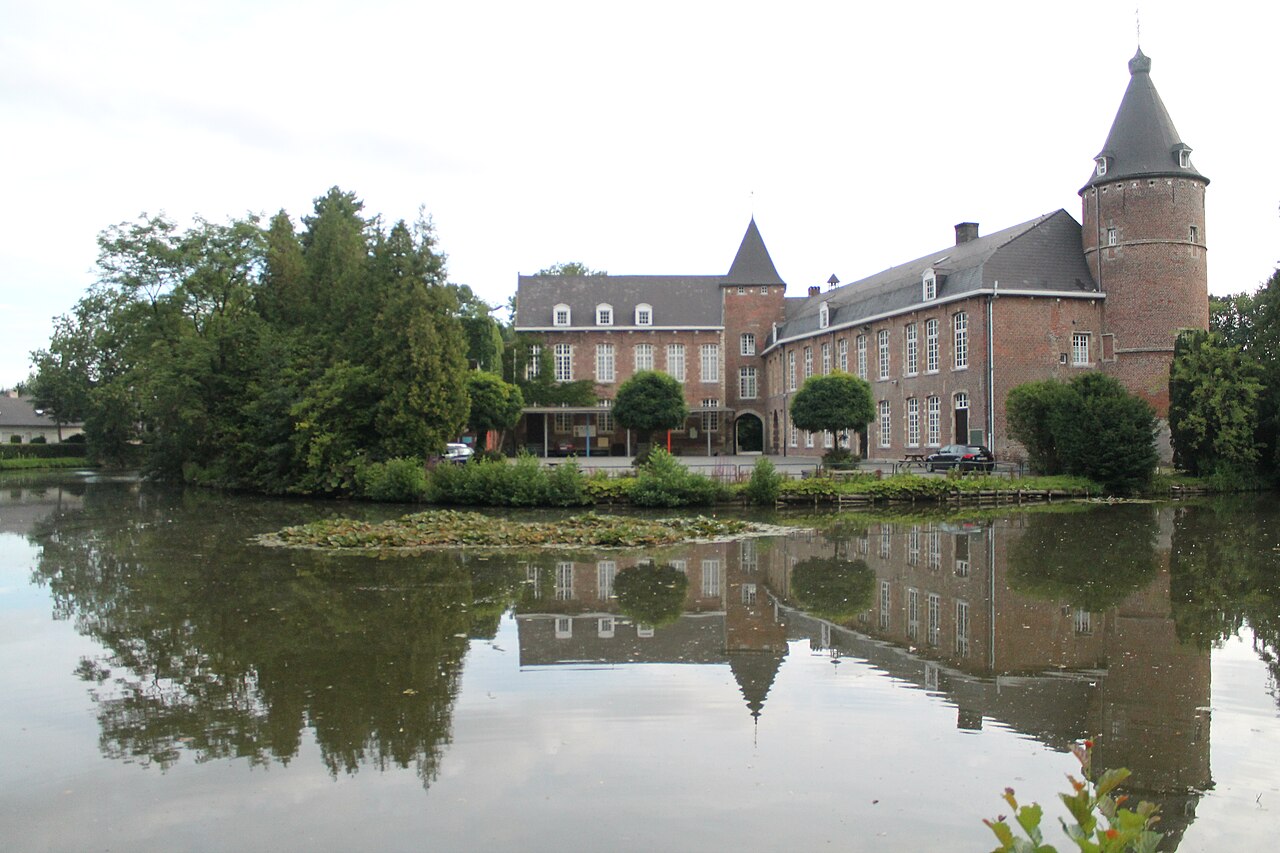
Moorsel Castle
Moorsel Castle is a notable example of a Renaissance water castle located in Aalst, Belgium. Its origins date back to the early medieval period when the estate was owned by the chapter of Dendermonde, likely from as early as 868. Throughout the centuries, the castle and its lands were closely linked to the Abbey of Affligem, a significant landowner in the region, which held the church and parish of Moorsel.
The historical context and ownership
The castle's history is deeply intertwined with ecclesiastical power in the region. The Abbey of Affligem was one of the largest landowners around Moorsel, and its influence shaped the development of the castle and the surrounding parish. The connection to the church is evident in the castle's origins and its function as a residence for high-ranking religious figures.
Construction and architectural features
In 1546, Abbot Karl de Croy, who was also the Bishop of Tournai, commissioned the construction of the current castle structure. This building was designed as a water castle, a type of fortified residence surrounded by a moat or water-filled ditch, which was a common defensive feature in the Low Countries during the Renaissance period. The castle was intended as a summer residence for the abbot, reflecting both his status and the architectural tastes of the time.
The castle exhibits characteristic Renaissance architectural elements, including symmetrical layouts, classical proportions, and ornamental details that distinguish it from medieval fortifications. The water defenses not only provided protection but also enhanced the aesthetic appeal of the residence. Today, the castle remains well-preserved in its original Renaissance condition, making it a valuable example of this period's architecture in Belgium.
Layout and defensive structures
The castle's design incorporates a surrounding moat that emphasizes its classification as a water castle. The moat served both defensive and symbolic purposes, marking the boundary between the fortified residence and the surrounding land. The structure likely includes a central residential block with corner towers or bastions, typical of Renaissance fortifications adapted for comfort and status rather than purely military use.
The cultural and historical significance
Moorsel Castle holds cultural importance as a representation of the Renaissance period's architectural and social developments in the region. Its association with Abbot Karl de Croy links it to notable historical figures in the ecclesiastical hierarchy of the 16th century. The castle's preservation allows insight into the lifestyle and status of religious elites during this era.
As a summer residence, the castle reflects the practice among high-ranking clergy to maintain multiple estates for leisure and administration. The castle's enduring condition provides a tangible connection to the Renaissance period's architectural innovations and regional history.
Preservation and current status
Moorsel Castle remains one of the few Renaissance water castles in Belgium preserved in its original form. Its well-preserved state offers scholars and visitors alike a rare opportunity to study Renaissance residential architecture in a fortified water setting. The castle's ongoing maintenance ensures that its historical and architectural value continues to be accessible.
Visiting Moorsel Castle
While Moorsel Castle is primarily a private or ecclesiastical property, it occasionally opens its doors for cultural events or guided tours. Visitors interested in Renaissance architecture and Belgian history can appreciate the castle's unique features and its picturesque setting within the Flemish landscape.
The castle's location in Aalst also makes it accessible to those exploring the rich heritage of East Flanders. Nearby attractions include other historic sites and the scenic countryside that characterizes the region.
Frequently asked questions (FAQ)
- What is the historical significance of Moorsel Castle?
- Moorsel Castle, located in Aalst, Belgium, dates back to the 14th century and is an important example of medieval architecture in the region. It has served various purposes over the centuries, including as a noble residence and a military stronghold, which reflects the turbulent history of the area.
- When was Moorsel Castle built?
- Moorsel Castle was originally constructed in the 14th century, with significant modifications and restorations occurring in the following centuries. Its architecture showcases a blend of medieval and renaissance styles, making it a captivating site for history enthusiasts.
- What are the opening hours for Moorsel Castle?
- Moorsel Castle is open to visitors from Tuesday to Sunday, with operating hours from 10 AM to 5 PM. It's advisable to check the castle's official website for any seasonal changes or special events that may affect opening times.
- Can I visit Moorsel Castle with a family?
- Yes, Moorsel Castle is family-friendly and welcomes visitors of all ages. The castle offers educational tours that are suitable for children, making it a great outing for families interested in history and architecture.
- Is it possible to access Moorsel Castle by public transport?
- Yes, Moorsel Castle is accessible via public transport. Visitors can take a train to Aalst and then use local buses or taxis to reach the castle, making it a convenient destination for those without a car.
- What are the ticket prices for Moorsel Castle?
- Ticket prices for Moorsel Castle are reasonable, with discounts available for children, seniors, and groups. It's best to check the castle's official website for current pricing and any special promotions that may be offered during your visit.
- When is the best time to visit Moorsel Castle?
- The best time to visit Moorsel Castle is during the spring and fall when the weather is mild and the surrounding gardens are in full bloom. Additionally, these seasons tend to have fewer tourists, allowing for a more enjoyable and immersive experience.
- Are there any nearby attractions to Moorsel Castle?
- Yes, Moorsel Castle is located near several attractions, including the historic town of Aalst and its charming marketplace. Visitors can also explore nearby parks and nature reserves for a complete day of sightseeing and relaxation.
Information
Loading map...
Visitor reviews
No reviews yet. Been here? Write the first review and help other travelers!
Write the first reviewVisited this castle? Share your experience
Your review helps other travelers and adds first-hand knowledge to our encyclopedia.