Montezuma Castle
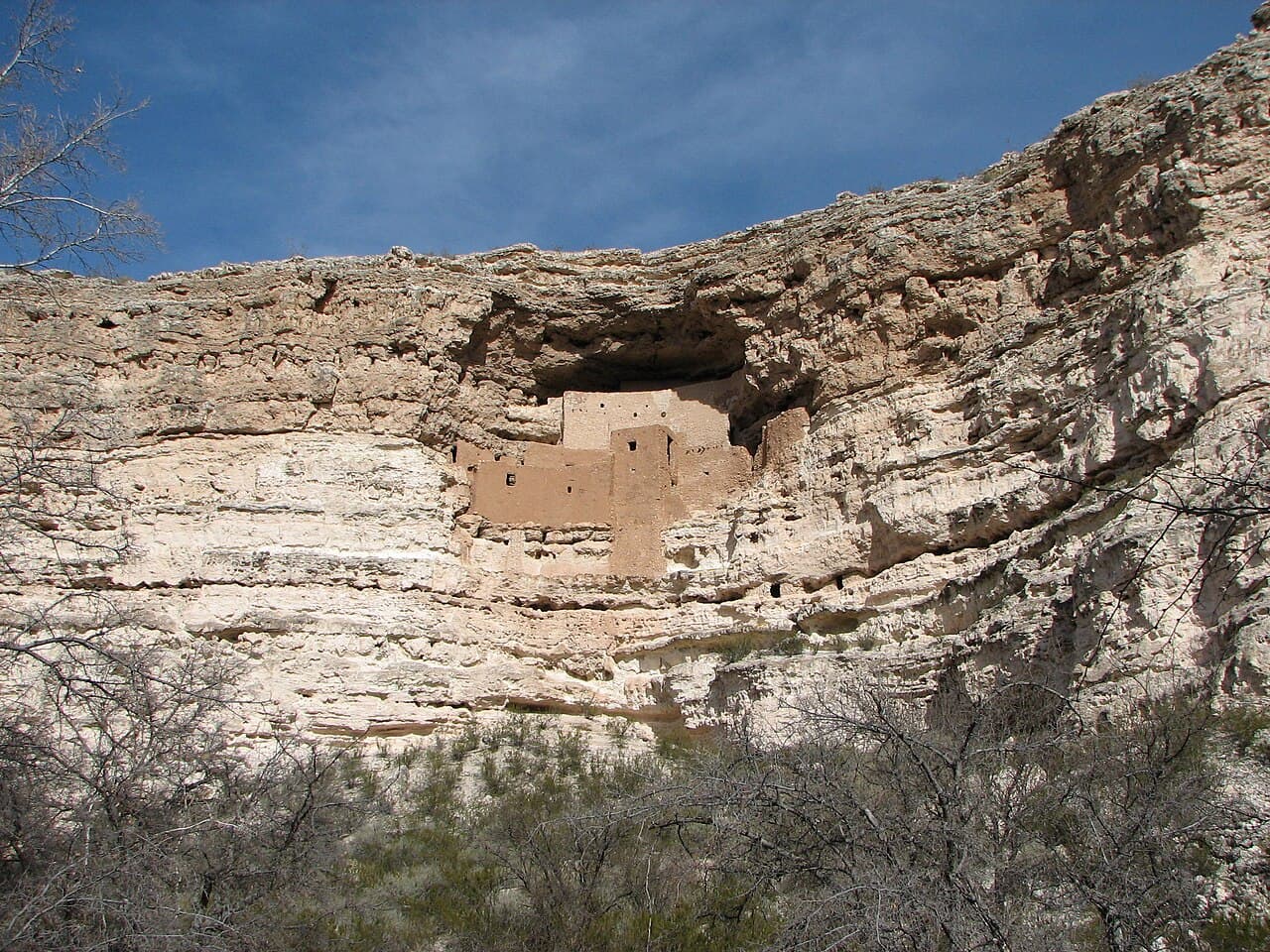
Montezuma Castle National Monument stands as one of the most remarkable and well-preserved prehistoric cliff dwellings in North America. Located in Camp Verde, Arizona, this ancient structure was ingeniously built by the Sinagua people around 700 years ago, showcasing their advanced architectural skills and adaptation to the harsh desert environment. Despite its name, Montezuma Castle is not a castle in the medieval European sense but rather a multi-storied cliff dwelling carved into a towering limestone cliff, embodying a strategic and protective design that resembles a fortress.
Historical significance and cultural heritage
The history of Montezuma Castle is deeply intertwined with the story of the Sinagua culture, who inhabited the region from approximately 1100 to 1425 AD. This community thrived in the riparian oasis along Beaver Creek, utilizing the natural resources and fertile land to sustain their agricultural lifestyle. The cliff dwelling itself comprises about 20 rooms arranged vertically, which served as living quarters and storage spaces for the Sinagua people.
On December 8, 1906, President Theodore Roosevelt recognized Montezuma Castle's immense ethnological and scientific value by designating it as one of the first four National Monuments under the newly passed Antiquities Act. This federal protection ensured the preservation of the site against looting and destruction, which had already diminished the original artifacts and cultural materials significantly.
Architectural features and construction
The cliff dwelling is built into a natural alcove in the limestone cliff face, approximately 100 feet above the valley floor. This elevated position provided natural defense against flooding and potential invaders, much like a fortress. The structure's walls are composed of limestone blocks held together with mud mortar, demonstrating the Sinagua's mastery of masonry and construction techniques.
Montezuma Castle consists of multiple levels connected by ladders and internal passageways, with rooms serving various functions including living spaces, storage areas, and ceremonial chambers. The design maximizes the use of natural light and ventilation through carefully placed windows and openings, which also offer panoramic views of the surrounding landscape.
Strategic location and environmental adaptation
The choice of location was critical to the Sinagua's survival and prosperity. Nestled in a limestone cliff overlooking Beaver Creek, the site provided access to fresh water, fertile soil for agriculture, and abundant wildlife for hunting. The cliff's natural overhang protected the dwelling from the harsh sun and rain, creating a microclimate that helped preserve the structure over centuries.
Preservation and visitor experience
Montezuma Castle National Monument attracts approximately 350,000 visitors annually who come to marvel at this enduring legacy of the Sinagua culture. Early visitors were once able to climb ladders to enter the dwelling, but due to concerns about preservation and safety, public access to the interior was discontinued in 1951. Today, visitors can view the cliff dwelling from a well-maintained trail and interpretive center that provides educational exhibits about the site's history, archaeology, and cultural significance.
The National Park Service manages the monument, ensuring ongoing conservation efforts and facilitating public education. The site offers a unique window into the ingenuity and resilience of the Sinagua people, allowing modern audiences to connect with a civilization that flourished in an unforgiving desert landscape centuries ago.
Archaeological research and findings
Excavations at Montezuma Castle and nearby sites such as "Castle A" have revealed a wealth of artifacts including pottery, tools, and remnants of food, which have greatly enhanced understanding of the Sinagua's daily life, trade networks, and cultural practices. These findings highlight the Sinagua's sophisticated craftsmanship and their interactions with neighboring cultures.
Montezuma Castle in the broader context of Native American history
Montezuma Castle is part of a larger network of Sinagua and other Native American settlements in the American Southwest. Its preservation provides valuable insights into pre-Columbian history and the diverse architectural traditions of indigenous peoples. The site stands as a testament to the adaptability and creativity of Native American cultures long before European contact.
Visitor information
- Location: Camp Verde, Arizona
- Managed by: National Park Service
- Visiting hours: Typically open daily from 8:00 AM to 5:00 PM, but visitors should check current schedules
- Admission: Entrance fees apply, with discounts for seniors, children, and annual passes available
- Accessibility: The site includes paved trails and a visitor center with exhibits; however, the cliff dwelling itself is not accessible for climbing
- Nearby attractions: Other archaeological sites and natural parks in the Verde Valley region
Montezuma Castle remains a symbol of cultural heritage and architectural ingenuity, inviting visitors to explore the rich history of the Sinagua people and their remarkable cliff dwelling. Its preservation as a National Monument ensures that future generations can continue to learn from and appreciate this extraordinary example of prehistoric architecture.
Frequently asked questions (FAQ)
- How do I get to Montezuma Castle National Monument?
- Montezuma Castle is located near Camp Verde, Arizona, accessible by car via State Route 260. Ample parking and visitor facilities are available on site.
- What is the best time to visit Montezuma Castle?
- The best time to visit is during the spring and fall when temperatures are milder, making outdoor exploration more comfortable.
- Can I enter the cliff dwelling at Montezuma Castle?
- Public access inside the cliff dwelling has been restricted since 1951 to protect the site. Visitors can view the structure from designated trails and observation points.
- What should I expect at the visitor center?
- The visitor center offers educational exhibits about the Sinagua culture, archaeological discoveries, and the natural environment surrounding Montezuma Castle.
- Is Montezuma Castle accessible for people with disabilities?
- The site includes paved trails and accessible facilities at the visitor center, but the cliff dwelling itself is not accessible due to its location on the cliff face.
Photo gallery

Information
Opening hours
8:00 AM - 5:00 PM daily
Ticket prices
Entrance fee applies
Current owner
National Park Service
Loading map...
Visitor reviews
No reviews yet. Been here? Write the first review and help other travelers!
Write the first reviewVisited this castle? Share your experience
Your review helps other travelers and adds first-hand knowledge to our encyclopedia.