Fort Matanzas National Monument
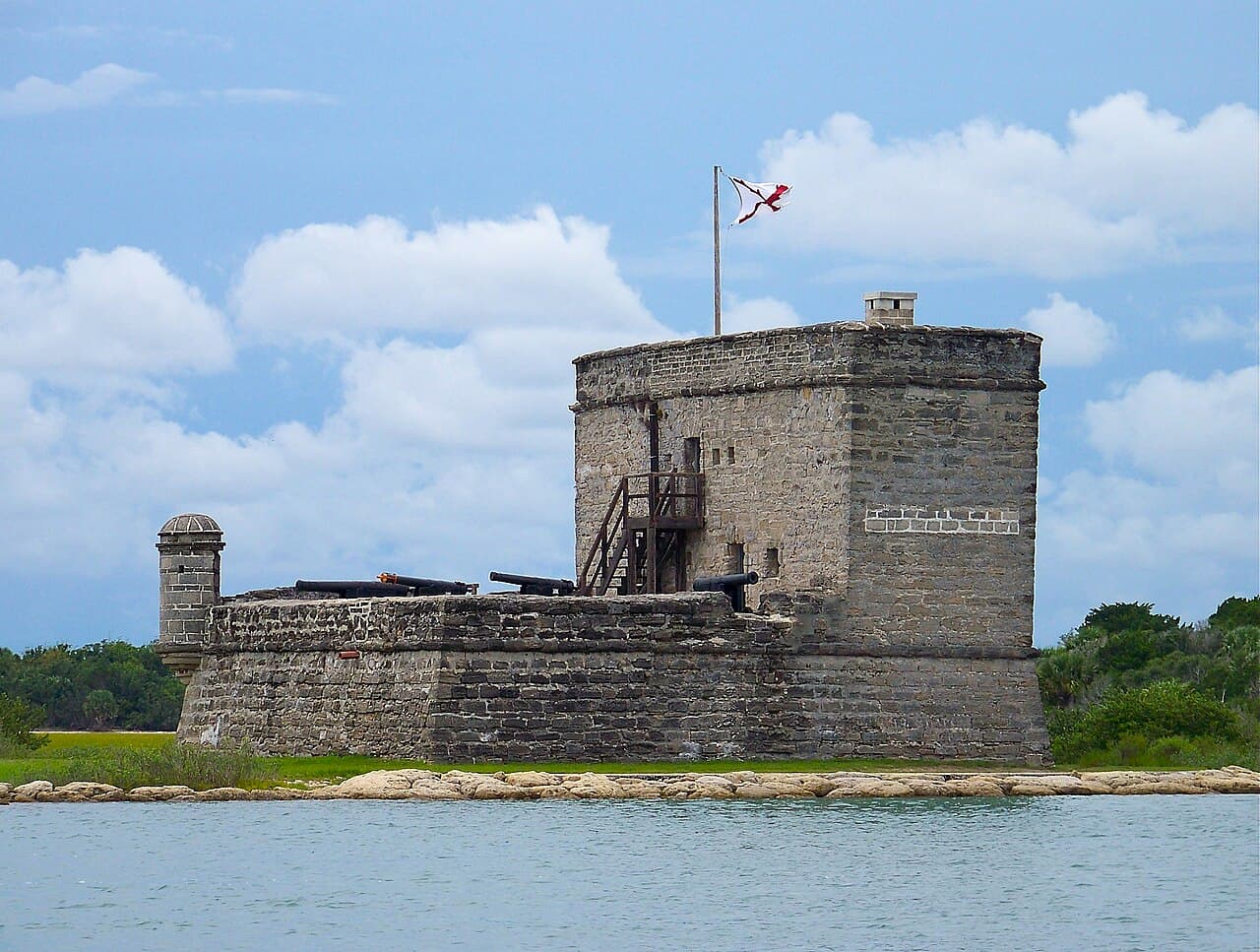
Fort Matanzas National Monument is a significant historical site located on the northern Atlantic coast of Florida, United States. This monument preserves a 1740 Spanish bastioned fortress originally constructed to guard the southern river approach to the city of St. Augustine. The fort stands as a testament to Spanish colonial military architecture and the strategic importance of Florida during the colonial era.
Historical background and strategic importance
The fort was built by the Spanish in 1740 following a series of conflicts with the British, who threatened Spanish control in the region. Its primary purpose was to protect the Matanzas Inlet, a vital waterway that provided access to St. Augustine from the south. The name "Matanzas"—meaning "slaughters" in Spanish—commemorates a 1565 massacre of French Huguenots by Spanish forces nearby, underscoring the area's turbulent colonial history.
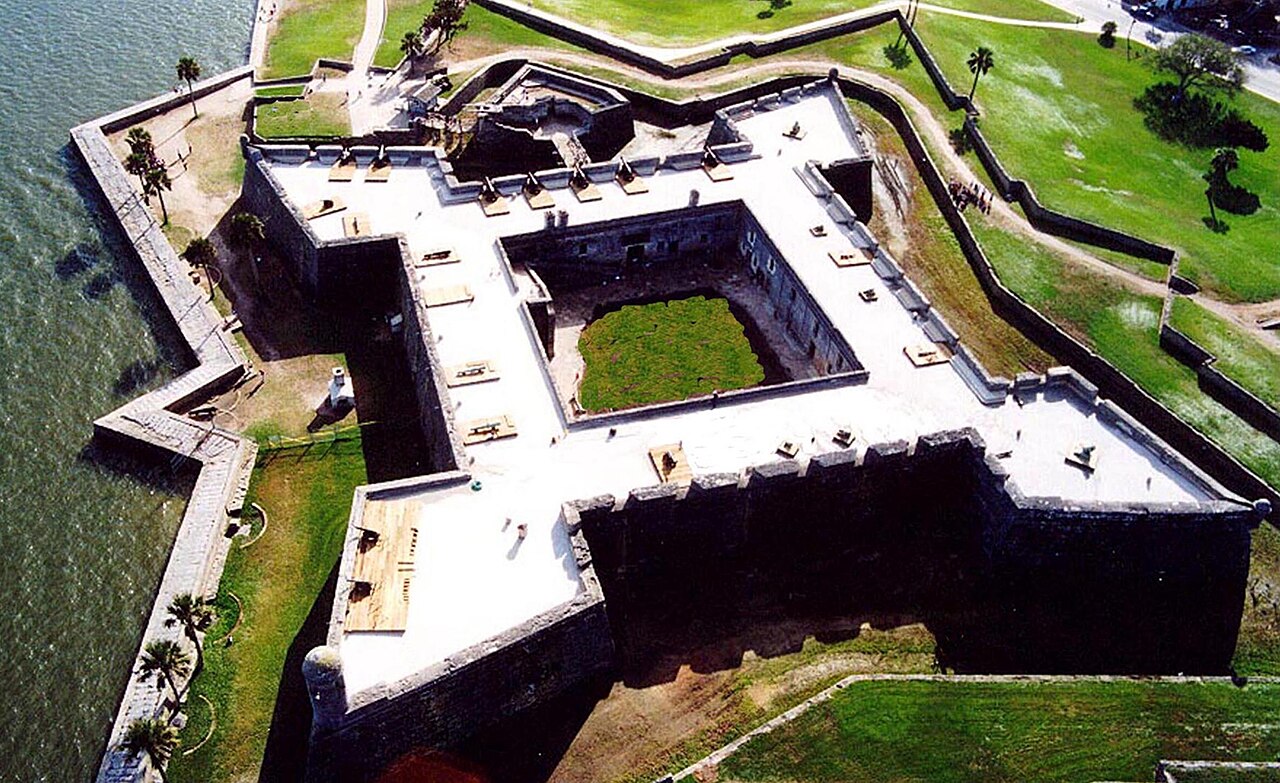
During the 18th century, Fort Matanzas played a crucial defensive role in the Spanish defense system, supplementing the larger and more famous Castillo de San Marcos located in St. Augustine. The fort's position allowed Spanish forces to control naval access and monitor enemy movements along the coast.
Architectural features and design
Fort Matanzas is classified as a bastioned fortress, a style characterized by angled bastions designed to provide overlapping fields of fire and reduce blind spots in defense. The fort is constructed primarily of coquina, a locally quarried sedimentary rock composed of shell fragments, which proved resilient against cannon fire.
The fort's layout is compact, featuring a rectangular plan with two bastions at opposite corners. Its walls are approximately 30 feet high and 8 feet thick, enclosing a courtyard with essential military facilities such as barracks, a powder magazine, and a well. The fort was designed to house a small garrison tasked with maintaining control over the inlet and repelling any naval incursions.
Defensive structures
The bastions were equipped with cannons positioned to cover the inlet and surrounding waters effectively. The fort's strategic design allowed defenders to fire upon approaching ships before they could threaten St. Augustine. Additionally, a wooden bridge connected the fort to the mainland, facilitating troop movements and supply deliveries.
Preservation and current status
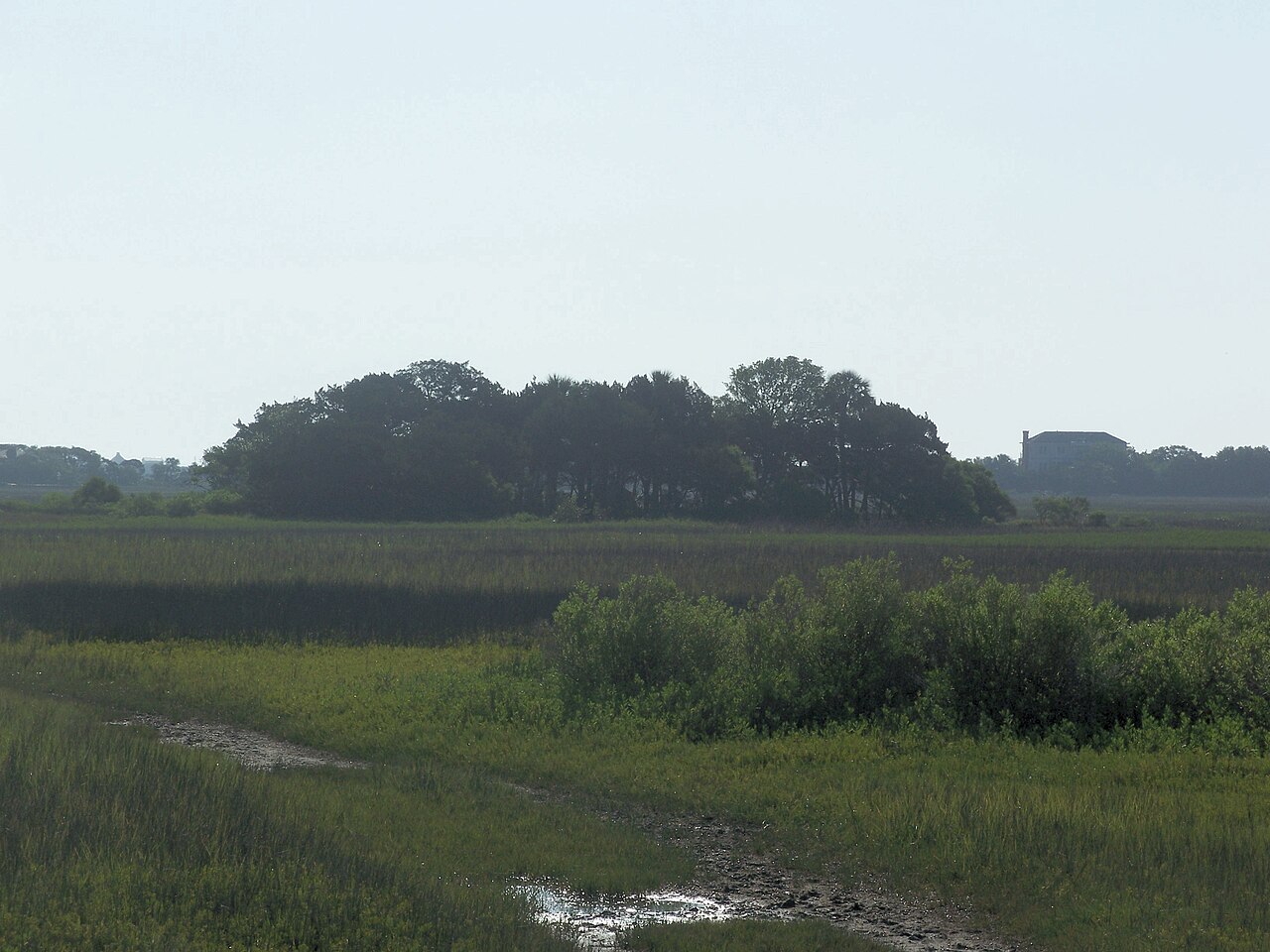
Fort Matanzas was designated a United States National Monument on October 15, 1924, reflecting its cultural and historical significance. Today, it is managed by the National Park Service in conjunction with the Castillo de San Marcos National Monument. The monument includes approximately 100 acres of salt marshes and barrier islands along the Matanzas River, preserving the natural landscape surrounding the fort.
The fort remains well preserved, with much of its original structure intact. Visitors can access the site by a short ferry ride from the mainland, offering a glimpse into colonial military life and the defensive strategies employed by the Spanish in the New World.
Visitor experience and educational value
Today, Fort Matanzas serves as an educational resource, providing interpretive programs, guided tours, and exhibits that detail the fort's history, construction, and role in colonial conflicts. Visitors can explore the fort's bastions, walls, and interior spaces, gaining insight into 18th-century military architecture and Spanish colonial history.
The surrounding natural environment also offers opportunities for wildlife observation and appreciation of Florida's coastal ecosystems, enhancing the site's appeal beyond its historical significance.
Frequently asked questions (FAQ)
- What is the historical significance of Fort Matanzas National Monument?
- Fort Matanzas National Monument, built in 1742, served as a military outpost for the Spanish crown to protect St. Augustine from British invasions. It is a significant example of Spanish colonial military architecture and reflects the strategic importance of the area during colonial conflicts.
- When was Fort Matanzas National Monument established as a national monument?
- Fort Matanzas was designated as a national monument on October 15, 1924. This recognition was aimed at preserving the fort's historical and architectural value for future generations.
- What are the opening hours for Fort Matanzas National Monument?
- Fort Matanzas National Monument is open daily from 9:00 AM to 5:30 PM, except on certain holidays. Visitors should check the official website for any seasonal changes or special events that may affect regular hours.
- Can I access Fort Matanzas by boat?
- Yes, visitors can access Fort Matanzas by a ferry service that operates from the visitor center to the fort. This scenic boat ride enhances the experience, offering a unique perspective of the surrounding waterways.
- Is Fort Matanzas accessible for individuals with disabilities?
- Yes, Fort Matanzas is committed to accessibility and provides facilities for individuals with disabilities. The visitor center and certain areas of the fort are designed to accommodate those with mobility challenges.
- What is the best time to visit Fort Matanzas National Monument?
- The best time to visit Fort Matanzas is during the spring and fall months when temperatures are milder, and crowds are generally smaller. Visiting during these seasons allows for a more enjoyable experience as you explore the fort and its surroundings.
- What are the ticket prices for visiting Fort Matanzas National Monument?
- Admission to Fort Matanzas National Monument is free of charge. However, there may be a small fee for the ferry ride to the fort, which provides access to the historical site.
- Are there any nearby attractions to visit when at Fort Matanzas?
- Yes, nearby attractions include the historic city of St. Augustine, the Castillo de San Marcos, and various beautiful beaches. Exploring the area provides a rich experience of Florida's history and natural beauty.
Photo gallery

Information
Loading map...
Visitor reviews
No reviews yet. Been here? Write the first review and help other travelers!
Write the first reviewVisited this castle? Share your experience
Your review helps other travelers and adds first-hand knowledge to our encyclopedia.