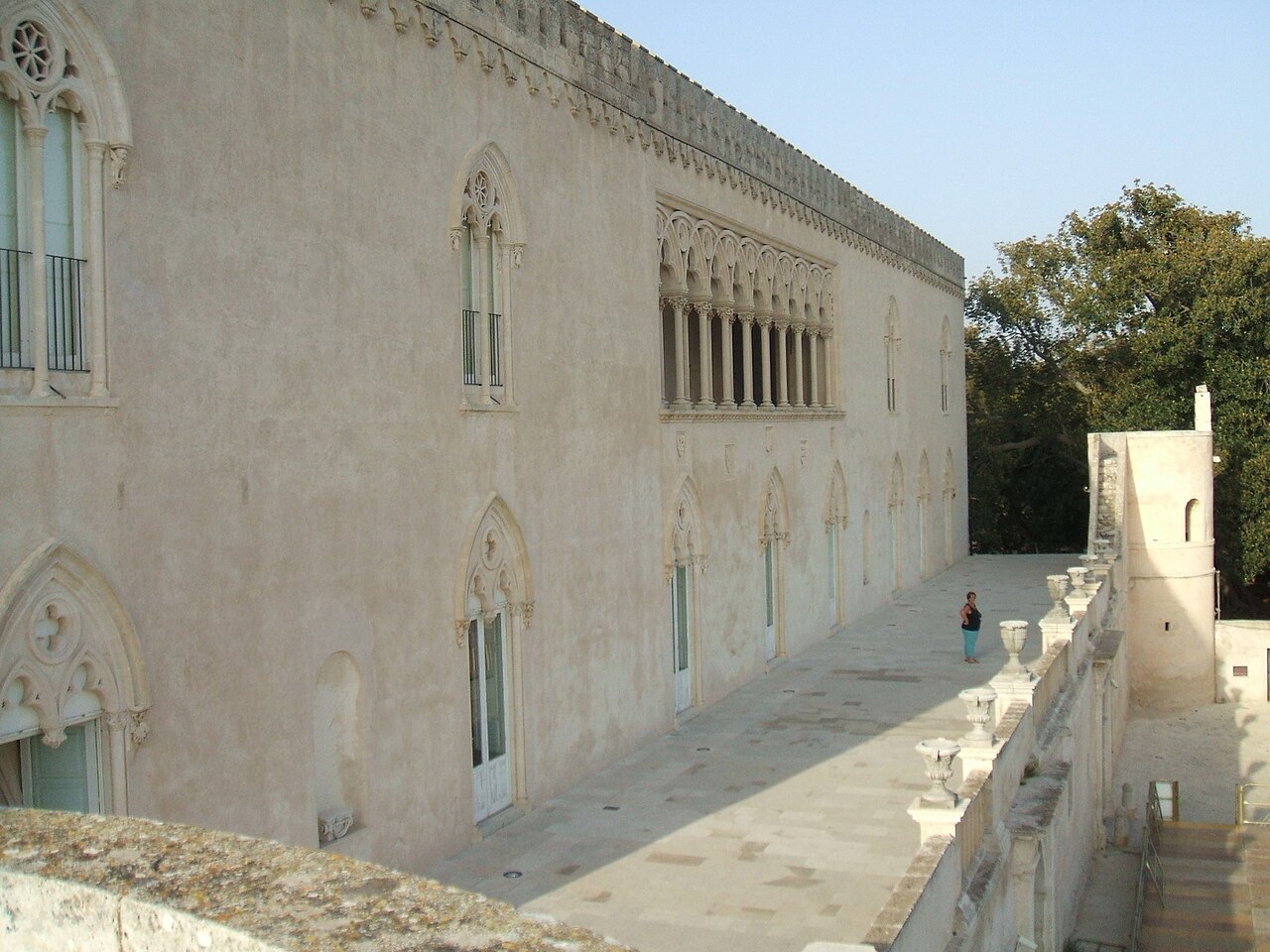
Modica Castle
Modica Castle stands prominently atop a rocky hill in the historic city of Modica, Sicily. As a hill castle with origins tracing back to the 8th century, it has played a pivotal role in the political, military, and judicial history of the region. This fortress, once the seat of the Counts of Modica and later governors, embodies centuries of Sicilian medieval and early modern heritage.
The castle’s strategic location on a natural promontory surrounded by steep cliffs on three sides provided formidable defense advantages, making it a key military stronghold. Over its long history, the structure evolved to meet changing needs, serving as a noble residence, military fortress, prison, and administrative center. Despite partial destruction, notably from the devastating 1693 earthquake, the castle remains largely restored and accessible to visitors, offering a tangible connection to Sicily’s layered past.
Historical significance and political role
The origins of Modica Castle are rooted in the early medieval period, with initial construction in the 8th century AD. It was designed not only as a residence for the ruling family but also for military defense and incarceration purposes. By the mid-13th century, the castle had become the residence of the Counts of Modica, a noble family holding extensive regional authority under the Kingdom of Sicily.
Its importance is documented in historical records such as the 1255 papal bull addressed to Fra Ruffino de’ Minori, and the 1272 Statuta Castrorum Siciliae compiled under King Charles I of Anjou, which lists Modica Castle among the royal fortresses. Throughout the 14th and 15th centuries, the castle was a center of noble and royal activity. Notable events include hosting King Frederick IV of Aragon in 1366 and King Martin I of Sicily in 1401, underscoring its role as a royal refuge and political hub.
From 1361, the castle housed the Gran Corte (Great Court), a major judicial institution. This role expanded in 1392 to include courts of First and Second Appeals, making the castle a significant center of regional justice. Into the 19th century, it served as a civil and criminal tribunal and court of assizes, reflecting its continued administrative importance. Until 1865, the castle also functioned as the district capital offices for the Intendency of Syracuse.
Following the unification of Italy, the castle’s administrative and religious functions declined, leading to gradual abandonment. However, archaeological excavations have revealed a continuous human presence in the area from the Bronze Age through the Hellenistic, Roman, and Arab periods, highlighting the site’s long-standing strategic and cultural significance.
Architectural features and structural evolution
The castle’s architecture reflects its millennium-long evolution, adapting to military, residential, and judicial needs. Originally, it featured five towers and four gates connected by defensive walls. Most of these were lost due to the 1693 earthquake and subsequent urban development, but some key elements remain.
Defensive structures
A prominent surviving feature is a 14th-century polygonal tower, exemplifying medieval military design. The castle’s position on a rocky spur with natural cliffs on three sides enhanced its defensive capabilities. An underground tunnel carved through the rock served as a military passage for patrols, illustrating the complex defensive network.
Prison facilities
Within the castle courtyard are the remains of medieval prison cells carved directly into the rock. These include separate square rooms designated for different prisoner categories such as women, common criminals, gentlemen, and those awaiting trial. Two deep pits about seven meters in depth, secured by iron grates, were used to confine the most dangerous inmates, allowing light and air but preventing escape.
Religious spaces
The castle housed religious structures integral to its community. The church of Madonna del Medagliere, built in 1930 atop the ruins of the earlier San Leonardo church, historically served the spiritual needs of prisoners until 1865. Additionally, the remains of the church of San Cataldo are visible, which served as a private chapel for the Counts and Governors, indicating the integration of religious life within the fortress.
Communal elements
Externally, three bell niches once held bells that regulated daily life by marking hours and important events. Though now walled up, they attest to the castle’s role as a vibrant administrative and social center. The castle’s foundations reveal substantial load-bearing walls and paved surfaces, highlighting the scale and durability of its construction.
Archaeological discoveries and preservation efforts
Modern archaeological investigations have uncovered a wealth of artifacts beneath the castle, including furnishings, funerary objects, ceramics, bronze coins, and pottery. These finds provide insight into the daily life and material culture of the castle’s inhabitants over centuries.
Excavations have also revealed the foundations of earlier structures and the extent of the castle’s defensive walls, enabling historians to reconstruct its historical layout. The castle’s preservation as a restored monument allows visitors to explore its complex history and architectural evolution firsthand.
Visiting modica castle today
Today, Modica Castle is a significant cultural and historical attraction in Sicily. Its well-preserved features, including the polygonal tower, prison remains, and religious sites, offer a comprehensive glimpse into medieval and early modern life. Visitors can explore the castle’s courtyards, defensive structures, and underground tunnels, gaining an understanding of its multifaceted role over more than a millennium.
The castle’s location provides panoramic views of Modica and the surrounding landscape, enhancing its appeal as a destination. Educational signage and guided tours help contextualize the castle’s history, architecture, and archaeological significance.
Modica Castle stands as a testament to Sicily’s rich heritage, illustrating the island’s strategic importance and the enduring legacy of its noble and judicial institutions.
Frequently asked questions (FAQ)
- What is Modica Castle known for?
- Modica Castle, also known as Castello dei Conti, is renowned for its historical significance and stunning views over the town of Modica. It dates back to the 9th century and has witnessed numerous historical events, making it a pivotal landmark in the region.
- When was Modica Castle built?
- Modica Castle was originally constructed in the 9th century during the Arab rule in Sicily. Over the centuries, it has undergone several renovations and restorations, reflecting various architectural styles and historical influences.
- Can I visit Modica Castle?
- Yes, Modica Castle is open to visitors who wish to explore its rich history and breathtaking scenery. Guided tours are available to provide insights into the castle's past and its role in the history of Modica.
- What are the opening hours for Modica Castle?
- Modica Castle is typically open to the public from 9 AM to 7 PM, but hours may vary seasonally, so it's advisable to check ahead before your visit. Special events and holidays may also affect the opening times.
- Is it possible to access Modica Castle with limited mobility?
- Access to Modica Castle can be challenging for individuals with limited mobility due to its elevated location and uneven pathways. However, efforts are being made to improve accessibility, so it's best to inquire in advance about available accommodations.
- What is the best time to visit Modica Castle?
- The best time to visit Modica Castle is during the spring and fall when the weather is mild and the crowds are smaller. These seasons provide a comfortable climate for exploring the castle and enjoying the surrounding scenic views.
- Are there any nearby attractions to visit in Modica?
- Yes, Modica is home to several nearby attractions, including the stunning San Giorgio Church and the beautiful historic center, which is a UNESCO World Heritage site. Visitors can also enjoy local chocolate shops and traditional Sicilian cuisine in the area.
- How much does it cost to enter Modica Castle?
- The ticket prices for Modica Castle are generally affordable, with discounts available for students and seniors. It's recommended to check the official website for the latest pricing information and any special offers before your visit.
Information
Website
Visit websiteSources & official resources
Verify the information above using these authoritative references.
Loading map...
Visitor reviews
No reviews yet. Been here? Write the first review and help other travelers!
Write the first reviewVisited this castle? Share your experience
Your review helps other travelers and adds first-hand knowledge to our encyclopedia.