Mikhailovskaya Battery — Ukraine castle

Mikhailovskaya Battery

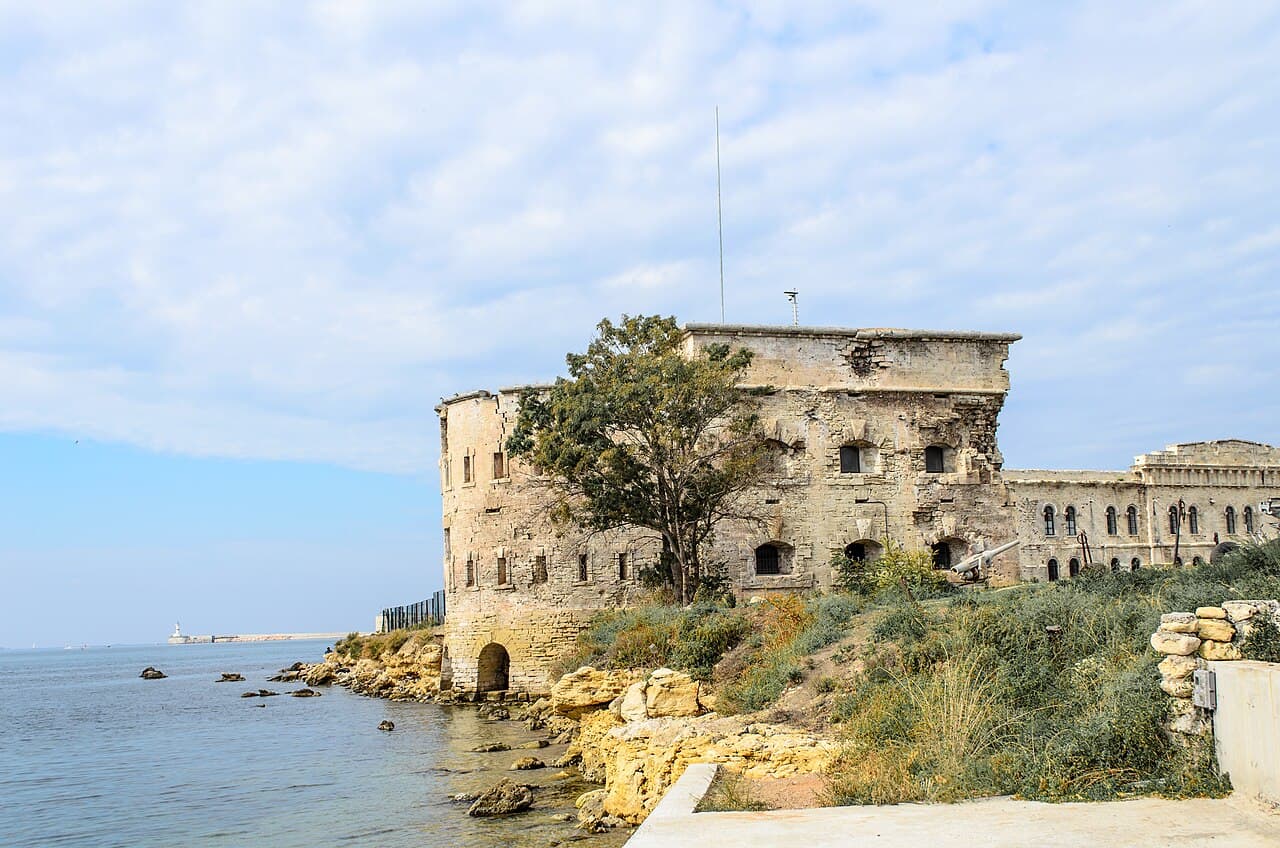
Mikhailovskaya Battery fortress in Ukraine
Modern (19th–20th c.)

The Mikhailovskaya Battery is a notable example of a 19th-century bastioned fortress located in Ukraine. Constructed during the modern period, this fortress was part of a broader network of coastal defenses designed to protect key maritime and land approaches. Its architectural design reflects the military engineering principles of the time, emphasizing bastioned fortifications that allowed for improved defensive capabilities against artillery and infantry assaults.

Historical context and strategic importance

Built in the 19th century, the Mikhailovskaya Battery played a crucial role in the defense system of the region. During this period, many fortresses were upgraded or newly constructed to address advances in artillery technology and changing military tactics. The battery was strategically positioned to guard important waterways and coastal areas, which were vital for trade and military movements.

Architectural features of the bastioned fortress

The design of the Mikhailovskaya Battery follows the bastioned fortress model, characterized by angular bastions projecting outward from the main walls. These bastions allowed defenders to cover adjacent walls with overlapping fields of fire, eliminating blind spots and strengthening the fortress's defensive perimeter. The walls were typically thick and constructed to withstand cannon fire, often incorporating earthworks and stone masonry.

Defensive structures

The fortress includes multiple bastions, curtain walls, and ravelins—detached outworks designed to absorb enemy attacks before they reached the main walls. The layout was carefully planned to maximize the defensive advantages provided by the terrain and to integrate artillery positions effectively.

Artillery and armaments

As a battery, the fortress was equipped with various artillery pieces positioned on the bastions and within the fortress to provide overlapping fields of fire. These guns were intended to repel naval and land assaults, reflecting the military doctrines of the 19th century. The placement of artillery was crucial for controlling the surrounding approaches and maintaining dominance over strategic points.

Preservation and current status

Today, the Mikhailovskaya Battery remains an important historical site, although its condition varies depending on preservation efforts. It stands as a testament to the military architecture of the modern period in Ukraine. The fortress offers valuable insights into bastioned fortification design and the evolution of coastal defenses during a time of significant technological and tactical change.

Visiting and cultural significance

While specific visiting information may vary, the Mikhailovskaya Battery attracts interest from historians, architects, and tourists interested in military history and fortification architecture. Its location in Ukraine adds to the cultural heritage of the region, highlighting the strategic importance of coastal defenses in the 19th century.

Frequently asked questions (FAQ)

How do I get to Mikhailovskaya Battery?
Mikhailovskaya Battery is located in the heart of Sevastopol, Ukraine. You can easily reach it by public transport, taxi, or by walking from nearby attractions. The site is well-signposted, making it accessible for visitors.
What is the historical significance of Mikhailovskaya Battery?
Mikhailovskaya Battery is a prominent historical military fortification that played a crucial role during the Crimean War. Constructed in the mid-19th century, it served as a defensive structure protecting the port of Sevastopol. The battery is recognized for its strategic importance and architectural design, reflecting the military history of the region.
When was Mikhailovskaya Battery built?
Construction of Mikhailovskaya Battery began in 1852 and was completed in 1856. It was specifically designed to enhance the defenses of Sevastopol during the tumultuous period of the Crimean War. The battery showcases the military engineering techniques of its time.
Can I visit Mikhailovskaya Battery?
Yes, Mikhailovskaya Battery is open to visitors who wish to explore its historical significance and architecture. Guided tours are often available, providing insights into its history and function. Be sure to check the opening hours before your visit.
Why is Mikhailovskaya Battery an important architectural site?
Mikhailovskaya Battery is considered an important architectural site due to its unique design and construction methods used in the 19th century. The structure features robust stonework and strategic placements that highlight military architectural principles of the era. It stands as a testament to the engineering capabilities of its time.
Is it possible to take guided tours at Mikhailovskaya Battery?
Yes, guided tours are available at Mikhailovskaya Battery, offering a comprehensive look at its history and architecture. These tours are led by knowledgeable guides who can provide detailed information and answer any questions you may have. It’s advisable to book your tour in advance, especially during peak tourist seasons.
What are the opening hours for Mikhailovskaya Battery?
Mikhailovskaya Battery typically opens to visitors from 10 AM to 6 PM, but hours may vary based on the season. It's recommended to check the official website or contact local tourist information for the most up-to-date information on opening times. This ensures you plan your visit accordingly.
What are the ticket prices for Mikhailovskaya Battery?
Ticket prices for Mikhailovskaya Battery are generally affordable, making it accessible to a wide range of visitors. Discounts may be available for students, seniors, and groups. Be sure to check the official site for the latest pricing information before your visit.
What are some nearby attractions to Mikhailovskaya Battery?
Nearby attractions include the Sevastopol Naval Museum and the panoramic museum complex, which offers further insights into the city's rich maritime history. Additionally, the beautiful Black Sea waterfront is within walking distance, providing a scenic backdrop for visitors. Exploring these sites can enhance your overall experience in Sevastopol.

Photo gallery

Mikhailovskaya Battery
Click to view

Photo by Engineer gena•CC BY-SA 4.0

1 photo • Click any image to view in full screen

Information

Bastioned Fortress

Loading map...

Visitor reviews

No reviews yet. Been here? Write the first review and help other travelers!

Write the first review

Visited this castle? Share your experience

Your review helps other travelers and adds first-hand knowledge to our encyclopedia.
Write a review

(5/5)

0/2000 characters

Your review will be visible after admin approval

Nearby castles

1.1 km
Konstantin Battery — Ukraine castle

Konstantin Battery

Sevastopol, Ukraine

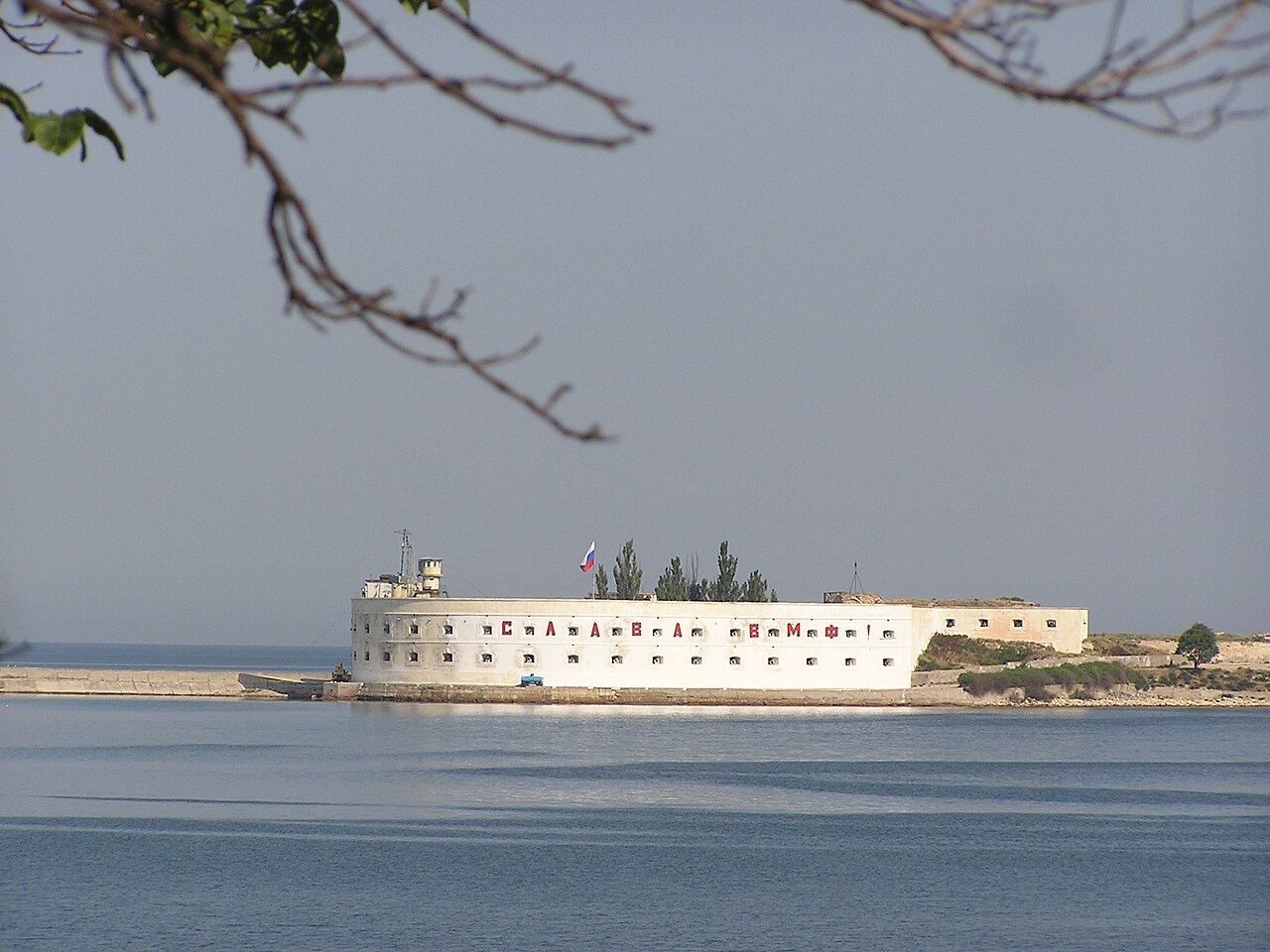
The Konstantin Battery, also known as Fort Constantine, is a prominent bastioned fortress located on the northern side of Sevastopol in Crimea. Constructed in the 19th century and completed in 1840, this fortification was named in honor of Grand Duke Konstantin Pavlovich, the younger brother of Alexander I of Russia. Its strategic position was crucial for the defense of Sevastopol, a key naval base on the Black Sea.Historical context and strategic importanceDuring the early 19th century, the Russian Empire focused on strengthening its military presence in the Black Sea region. The Konstantin Battery was part of a larger network of fortifications designed to protect Sevastopol's harbor and naval facilities from potential naval attacks. Its construction reflects the military engineering advancements of the Modern period, particularly in the use of bastioned fort designs that allowed for improved defensive firepower and coverage.Architectural features and designThe fortress exemplifies the bastioned fortress style, characterized by angular bastions projecting outward from the curtain walls. These bastions provided overlapping fields of fire, minimizing blind spots and enabling defenders to cover the approaches effectively. The Konstantin Battery was equipped with heavy artillery positioned to command the northern approaches to Sevastopol's harbor.The layout includes thick masonry walls, embrasures for cannons, and defensive ditches. The design was intended to withstand artillery bombardment, which was becoming increasingly powerful during this period. The battery's robust construction and strategic placement made it a formidable defensive installation.Role in military conflictsThe Konstantin Battery played a significant role during the Crimean War (1853–1856), when Sevastopol was besieged by allied forces of Britain, France, the Ottoman Empire, and Sardinia. The fortress's artillery positions contributed to the city's defense, though the prolonged siege eventually led to severe damage to many fortifications in the area.Despite the damage sustained during the war, the battery remained an important military site in subsequent years, reflecting the evolving nature of coastal fortifications in response to advancements in artillery and naval warfare.Current status and museumToday, the Konstantin Battery is preserved as a historical monument and houses a museum operated by the Russian Geographical Society. The museum offers visitors insights into the fortress's military history, the broader context of Sevastopol's defense system, and the technological developments in fortification design during the 19th century.The site includes exhibitions of artillery pieces, historical documents, and detailed models of the fortress. Visitors can explore the bastions, walls, and underground chambers, gaining a comprehensive understanding of the fortress's operational role and architectural significance.Architectural legacy and cultural significanceThe Konstantin Battery stands as a well-preserved example of 19th-century bastioned fortress architecture in the Black Sea region. Its historical importance is linked to its role in the defense of Sevastopol, a city with a rich military heritage. The fortress contributes to the cultural landscape of Crimea and serves as an educational resource for military historians, architects, and tourists interested in coastal fortifications.

Modern (19th–20th c.)
Details
15.9 km
Cembalo — Ukraine castle

Cembalo

Balaklava, Ukraine

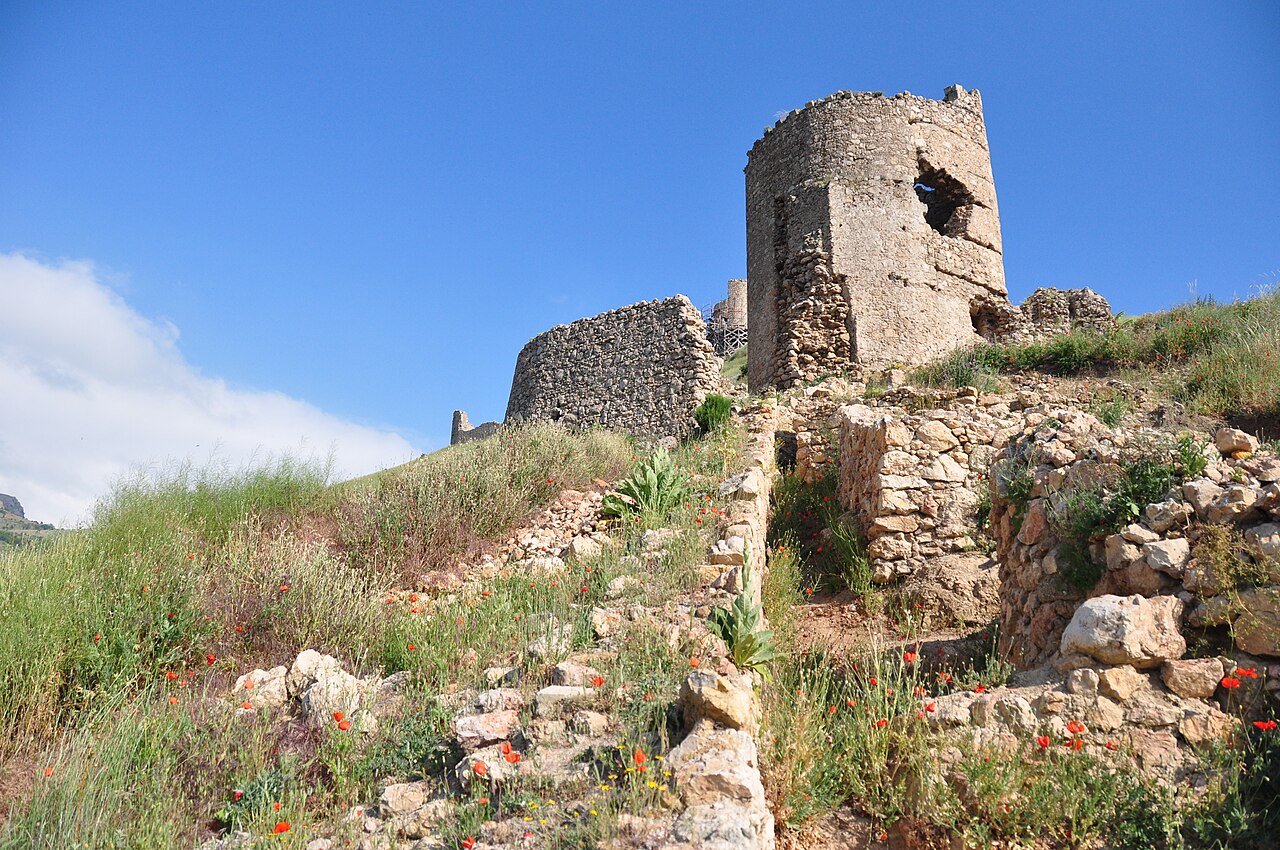
Cembalo Fortress, also known as the Balaklava Fortress, is a significant 14th-century bastioned fortress located in the town of Balaklava on the Crimean Peninsula, Ukraine. This fortress was constructed during the late medieval period and served as a key defensive stronghold guarding the strategic harbor of Balaklava, which lies on the Black Sea coast. The fortress's position atop a rocky promontory provided commanding views over the bay and surrounding landscape, making it an essential military installation for controlling maritime access and protecting the region from naval threats.Historical background and strategic importanceThe origins of Cembalo Fortress trace back to the 14th century when the Genoese Republic established it as part of their extensive network of fortifications in the Black Sea region. The Genoese were prominent maritime traders and sought to secure their commercial routes and colonies against rival powers and pirates. Cembalo was one of several fortresses built to protect Genoese interests, particularly their lucrative trade in the Crimean area.Throughout its history, the fortress witnessed numerous conflicts and changes in control, reflecting the volatile political landscape of the Black Sea region. It was a crucial defensive point during the Genoese period and later under the Ottoman Empire, which took over the Crimean Peninsula in the 15th century. The fortress's bastioned design was adapted to withstand artillery assaults, a feature that became increasingly important as gunpowder weapons evolved.Architectural features and designCembalo Fortress exemplifies the bastioned fortress architectural style, characterized by angular bastions projecting from the curtain walls to provide overlapping fields of fire and eliminate blind spots. This design was a response to the growing use of cannons and firearms in siege warfare during the late medieval period.The fortress walls are constructed of thick stone masonry, designed to absorb and deflect cannonballs. The bastions are strategically placed to cover the approaches to the fortress, including the harbor entrance. The fortress complex includes defensive walls, towers, gates, and internal courtyards that supported garrison activities and storage of supplies.Defensive structuresThe bastions at Cembalo are the fortress's most prominent defensive features, allowing defenders to cover adjacent walls with crossfire. The walls are punctuated by embrasures and loopholes for firearms, enabling defenders to repel attackers effectively. The main gate was fortified with additional defensive measures such as a barbican and portcullis to control access.Internal layout and facilitiesWithin the fortress, there were barracks for soldiers, storage rooms for weapons and provisions, and cisterns to collect rainwater, ensuring sustainability during sieges. The fortress's elevated position also allowed for signal communication with other nearby fortifications and ships at sea.Role in regional conflicts and legacyOver the centuries, Cembalo Fortress played a vital role in the defense of the Crimean coast. It was involved in various military engagements, including conflicts between the Genoese, the Ottoman Empire, and later Russian forces. The fortress's strategic location made it a coveted military asset for controlling the Black Sea trade routes.Today, the fortress stands as a partially preserved historical monument. Its ruins attract visitors interested in medieval military architecture and the complex history of the Crimean Peninsula. The fortress's bastioned design offers insight into the evolution of fortification techniques in response to the advent of gunpowder weaponry.Visiting cembalo fortressVisitors to Cembalo Fortress can explore the surviving walls and bastions, enjoying panoramic views of the Black Sea and Balaklava Bay. The site provides a tangible connection to the region's medieval past and Genoese maritime heritage. While the fortress is not fully restored, its remains are accessible for educational and touristic purposes.Guided tours often highlight the fortress's architectural features and historical significance, making it a valuable destination for those interested in military history and coastal fortifications.

Late Medieval (14th–15th c.)
Details
16.7 km
Kyz-Kule — Ukraine castle

Kyz-Kule

, Ukraine

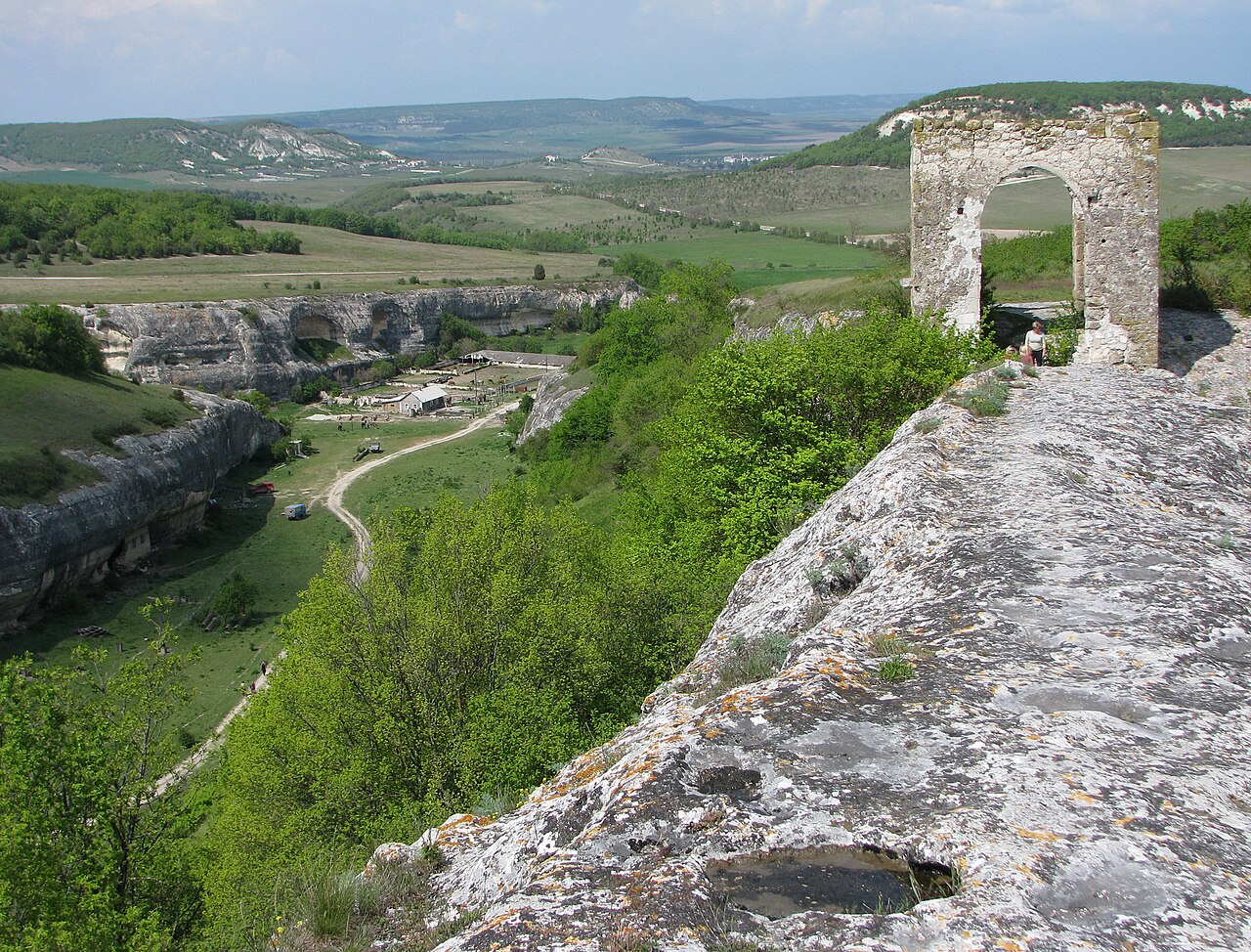
Kyz-Kule castle is a significant example of late medieval hill castles located in Ukraine. Constructed in the 15th century, this fortress reflects the defensive architectural techniques of the period and the strategic importance of elevated positions in castle design. Its name, which translates to "Maiden's Tower," suggests historical legends or local lore associated with the site. Historical context and significance The 15th century was a time of considerable political and military activity in Eastern Europe, including the territories that now constitute Ukraine. Castles like Kyz-Kule were built primarily for defensive purposes, guarding key routes and local settlements against invasions and raids. The castle's location on a hill provided natural advantages for surveillance and defense, enabling defenders to spot approaching enemies from a distance. Architectural features and layout Kyz-Kule exemplifies the typical characteristics of a hill castle with its elevated position dominating the surrounding landscape. The castle likely featured robust stone walls, battlements, and defensive towers designed to withstand sieges common in the late medieval period. While detailed architectural plans are scarce, the castle's remains suggest a compact fortress with a central keep or donjon, surrounded by curtain walls and possibly a moat or ditch for added protection. Defensive structures The castle's defensive system would have included arrow slits and thick walls to repel attackers. The entrance was probably fortified with a gatehouse and possibly a drawbridge, typical of late medieval fortifications. The elevated site itself acted as a natural defense, reducing the need for extensive outerworks. Residential and functional areas Within the walls, there would have been living quarters for the lord and garrison, storage rooms, and possibly a chapel. The castle served not only as a military stronghold but also as an administrative center overseeing the surrounding lands. Preservation and current condition Today, Kyz-Kule castle exists primarily as ruins, with some sections of the original walls and towers still visible. The site attracts visitors interested in medieval history and architecture, offering insights into the defensive strategies of the late medieval period in Ukraine. Preservation efforts focus on stabilizing the remaining structures to prevent further decay. Visiting information and cultural importance While exact visiting hours and facilities may vary, the castle is accessible to the public and serves as a cultural landmark. It provides an opportunity to explore the region's medieval heritage and understand the historical context of fortifications in Eastern Europe. Kyz-Kule castle remains an important monument reflecting the turbulent history and architectural ingenuity of the 15th century. Its enduring presence on a strategic hilltop continues to capture the interest of historians, architects, and visitors alike.

Late Medieval (14th–15th c.)
Details