Cembalo
Cembalo Fortress, also known as the Balaklava Fortress, is a significant 14th-century bastioned fortress located in the town of Balaklava on the Crimean Peninsula, Ukraine. This fortress was constructed during the late medieval period and served as a key defensive stronghold guarding the strategic harbor of Balaklava, which lies on the Black Sea coast. The fortress's position atop a rocky promontory provided commanding views over the bay and surrounding landscape, making it an essential military installation for controlling maritime access and protecting the region from naval threats.
Historical background and strategic importance
The origins of Cembalo Fortress trace back to the 14th century when the Genoese Republic established it as part of their extensive network of fortifications in the Black Sea region. The Genoese were prominent maritime traders and sought to secure their commercial routes and colonies against rival powers and pirates. Cembalo was one of several fortresses built to protect Genoese interests, particularly their lucrative trade in the Crimean area.
Throughout its history, the fortress witnessed numerous conflicts and changes in control, reflecting the volatile political landscape of the Black Sea region. It was a crucial defensive point during the Genoese period and later under the Ottoman Empire, which took over the Crimean Peninsula in the 15th century. The fortress's bastioned design was adapted to withstand artillery assaults, a feature that became increasingly important as gunpowder weapons evolved.
Architectural features and design
Cembalo Fortress exemplifies the bastioned fortress architectural style, characterized by angular bastions projecting from the curtain walls to provide overlapping fields of fire and eliminate blind spots. This design was a response to the growing use of cannons and firearms in siege warfare during the late medieval period.
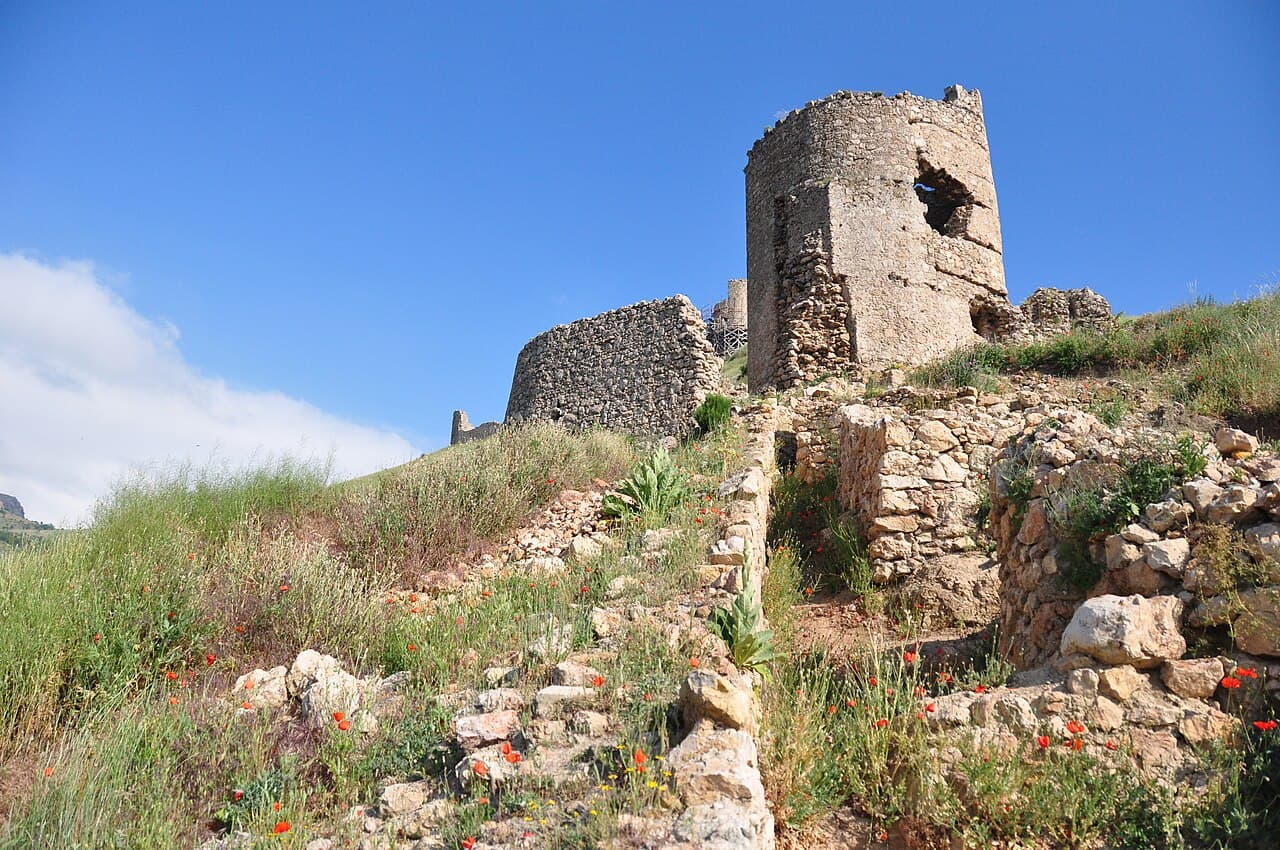
The fortress walls are constructed of thick stone masonry, designed to absorb and deflect cannonballs. The bastions are strategically placed to cover the approaches to the fortress, including the harbor entrance. The fortress complex includes defensive walls, towers, gates, and internal courtyards that supported garrison activities and storage of supplies.
Defensive structures
The bastions at Cembalo are the fortress's most prominent defensive features, allowing defenders to cover adjacent walls with crossfire. The walls are punctuated by embrasures and loopholes for firearms, enabling defenders to repel attackers effectively. The main gate was fortified with additional defensive measures such as a barbican and portcullis to control access.
Internal layout and facilities
Within the fortress, there were barracks for soldiers, storage rooms for weapons and provisions, and cisterns to collect rainwater, ensuring sustainability during sieges. The fortress's elevated position also allowed for signal communication with other nearby fortifications and ships at sea.
Role in regional conflicts and legacy
Over the centuries, Cembalo Fortress played a vital role in the defense of the Crimean coast. It was involved in various military engagements, including conflicts between the Genoese, the Ottoman Empire, and later Russian forces. The fortress's strategic location made it a coveted military asset for controlling the Black Sea trade routes.
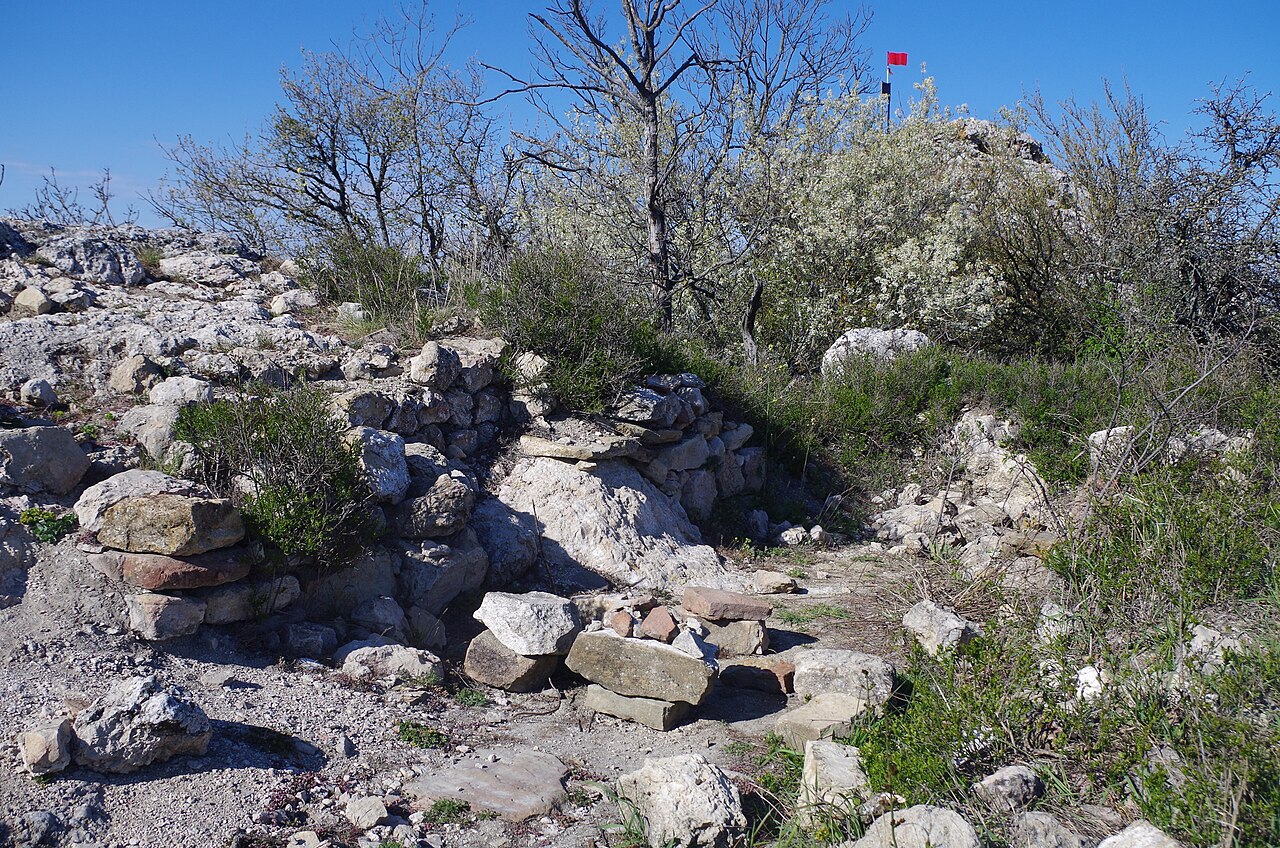
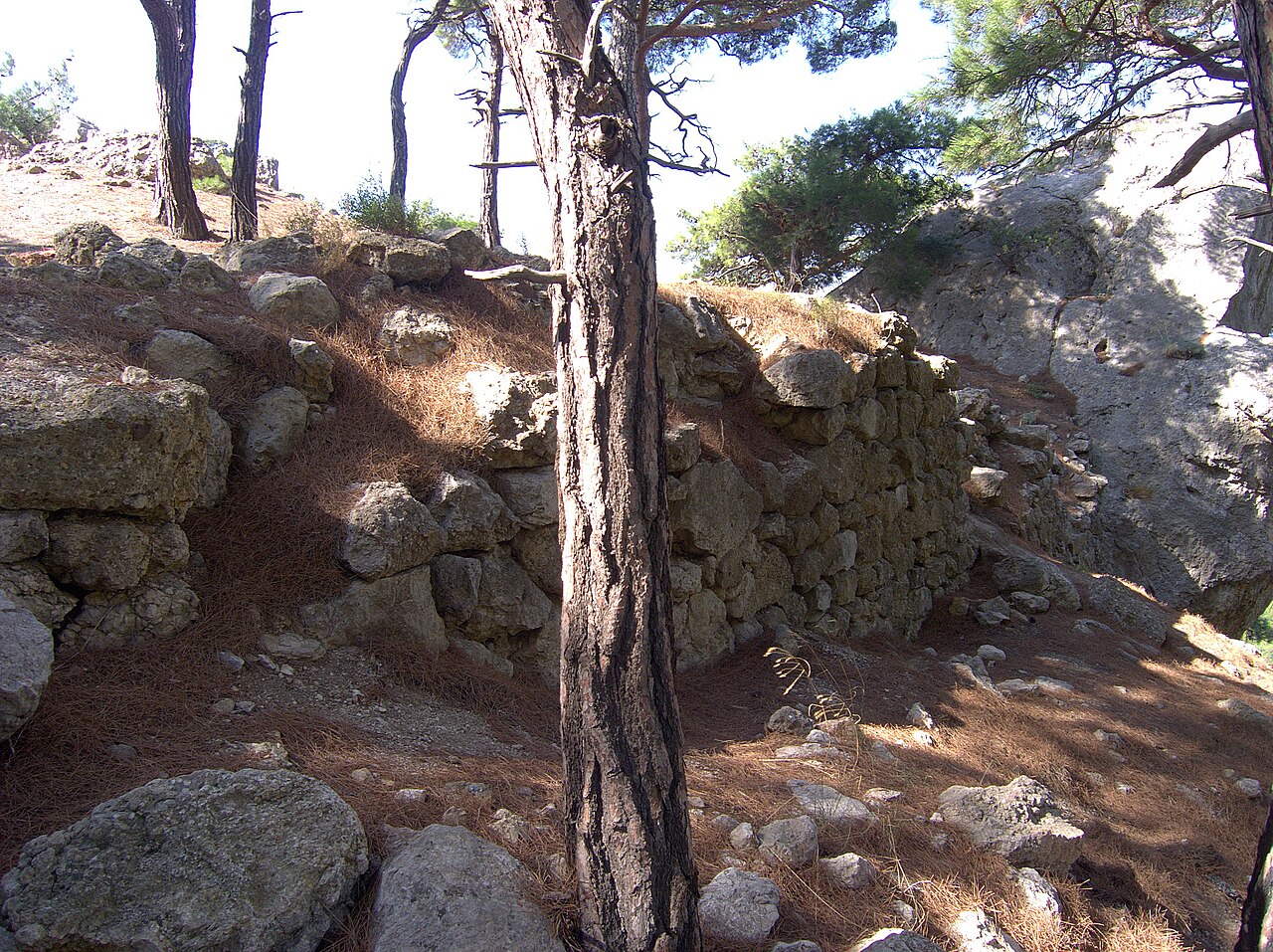
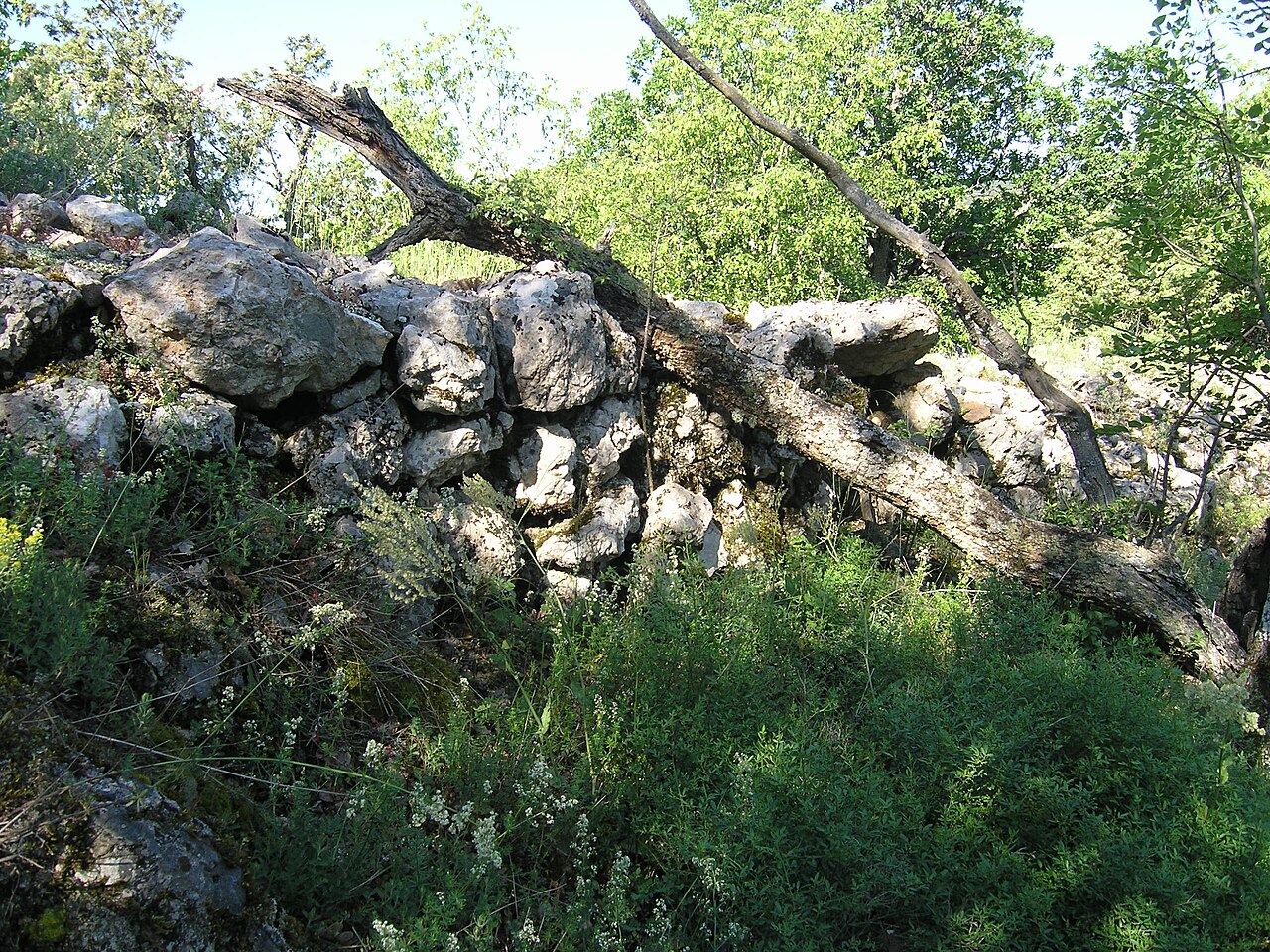
Today, the fortress stands as a partially preserved historical monument. Its ruins attract visitors interested in medieval military architecture and the complex history of the Crimean Peninsula. The fortress's bastioned design offers insight into the evolution of fortification techniques in response to the advent of gunpowder weaponry.
Visiting cembalo fortress
Visitors to Cembalo Fortress can explore the surviving walls and bastions, enjoying panoramic views of the Black Sea and Balaklava Bay. The site provides a tangible connection to the region's medieval past and Genoese maritime heritage. While the fortress is not fully restored, its remains are accessible for educational and touristic purposes.
Guided tours often highlight the fortress's architectural features and historical significance, making it a valuable destination for those interested in military history and coastal fortifications.
Frequently asked questions (FAQ)
- How do I get to Cembalo Fortress in Balaklava?
- Cembalo Fortress is located in Balaklava, Crimea. It can be reached by car or local bus services from the city of Sevastopol, which is about 20 kilometers away.
- What is the historical significance of Cembalo Fortress?
- Cembalo Fortress was built by the Genoese in the 14th century to protect their trading interests in the Black Sea. It played a key defensive role during the late medieval period and later under Ottoman control.
- Can I explore the interior of Cembalo Fortress?
- Visitors can walk along the fortress walls and explore some of the surviving bastions and defensive structures. However, parts of the interior are in ruins and access may be limited for safety reasons.
- When is the best time to visit Cembalo Fortress?
- The best time to visit is during late spring to early autumn when the weather is mild and suitable for outdoor exploration. Summers can be hot, so early morning visits are recommended.
- Is there an entrance fee for Cembalo Fortress?
- Entrance to Cembalo Fortress is generally free, as it is an open historical site managed by the local municipality.
Photo gallery

Information
Current owner
Municipality
Loading map...
Visitor reviews
No reviews yet. Been here? Write the first review and help other travelers!
Write the first reviewVisited this castle? Share your experience
Your review helps other travelers and adds first-hand knowledge to our encyclopedia.