Migdal Afek
Migdal Afek, located near the city of Rosh HaAyin in Israel, is a remarkable historic site that encapsulates a rich tapestry of cultural and architectural heritage spanning several millennia. This hill castle stands on a strategic vantage point overlooking the Afek Pass, an important corridor along the ancient Via Maris trade route, which connected the Mediterranean coast to the inland regions. The site’s history is deeply intertwined with the Second Temple period, the Crusader Kingdom of Jerusalem, and subsequent Byzantine, Mamluk, and Ottoman occupations.
Archaeological evidence reveals that human activity at Migdal Afek dates back to the Bronze and Iron Ages, highlighting its long-standing significance. During the Second Temple period, a Jewish settlement thrived here, as demonstrated by burial caves fashioned in the distinctive Jerusalem style and numerous artifacts from the Roman and Byzantine eras. The site was destroyed in 67 CE during the First Jewish–Roman War, when Roman forces quelled the Jewish rebellion, marking a pivotal moment in its early history.
The crusader fortress of Mirabel
In the early 12th century, the site was transformed by the Crusaders, who built a fortress known as Mirabel atop the ruins of Roman and Byzantine structures. Constructed by the influential Ibelin family, this castle was strategically positioned on the hill to control the Afek Pass. Its design featured a ring wall approximately two meters thick encircling a central donjon or keep, a typical defensive arrangement of hill castles in the Crusader period.
Mirabel played a significant role in the political and military struggles of the Crusader Kingdom of Jerusalem. It was notably involved in the rivalry between Queen Melisende and her son Baldwin III, reflecting the castle’s importance as a power center. The fortress fell to Muslim forces under Saladin in 1187 during his campaigns to reclaim the Holy Land. It was destroyed in 1191 during the Third Crusade but later rebuilt by the Mamluks, underscoring its continuing strategic value.
Ottoman period and later developments
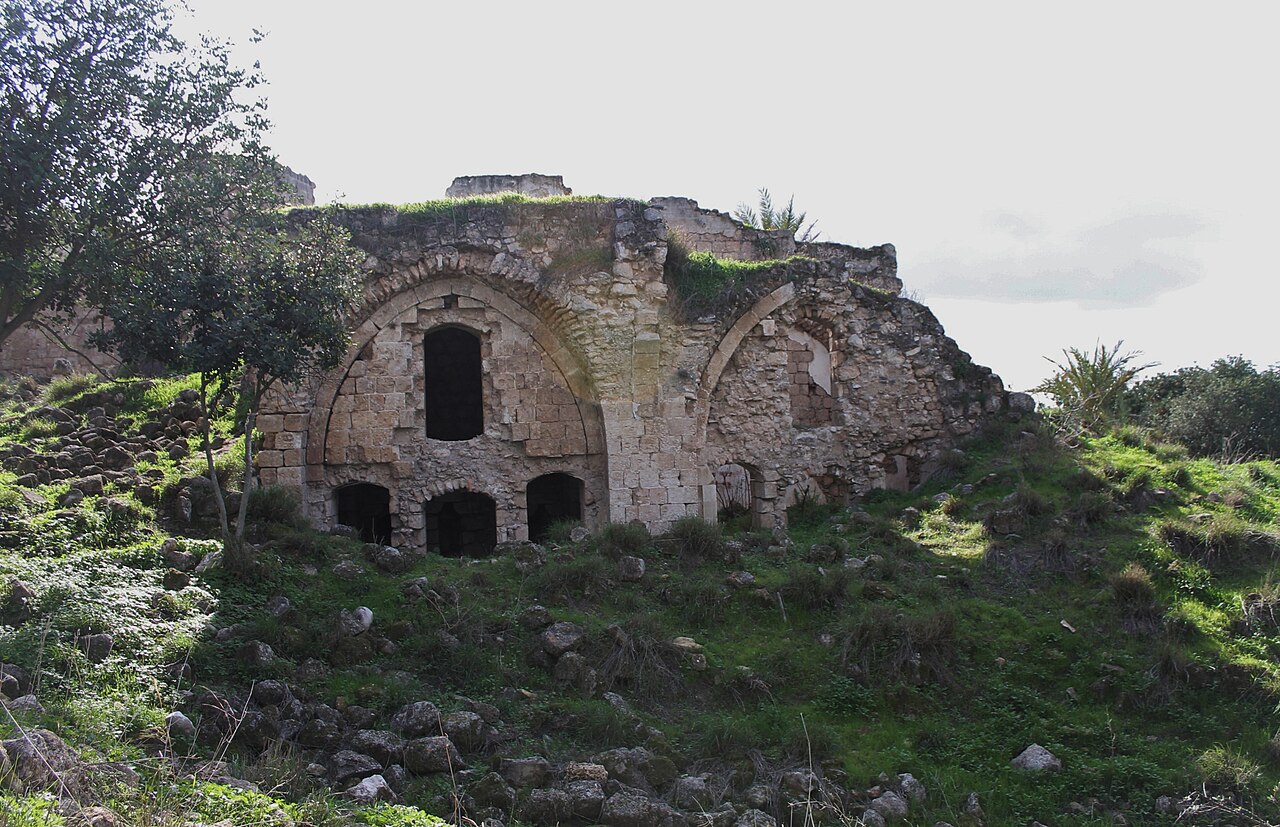
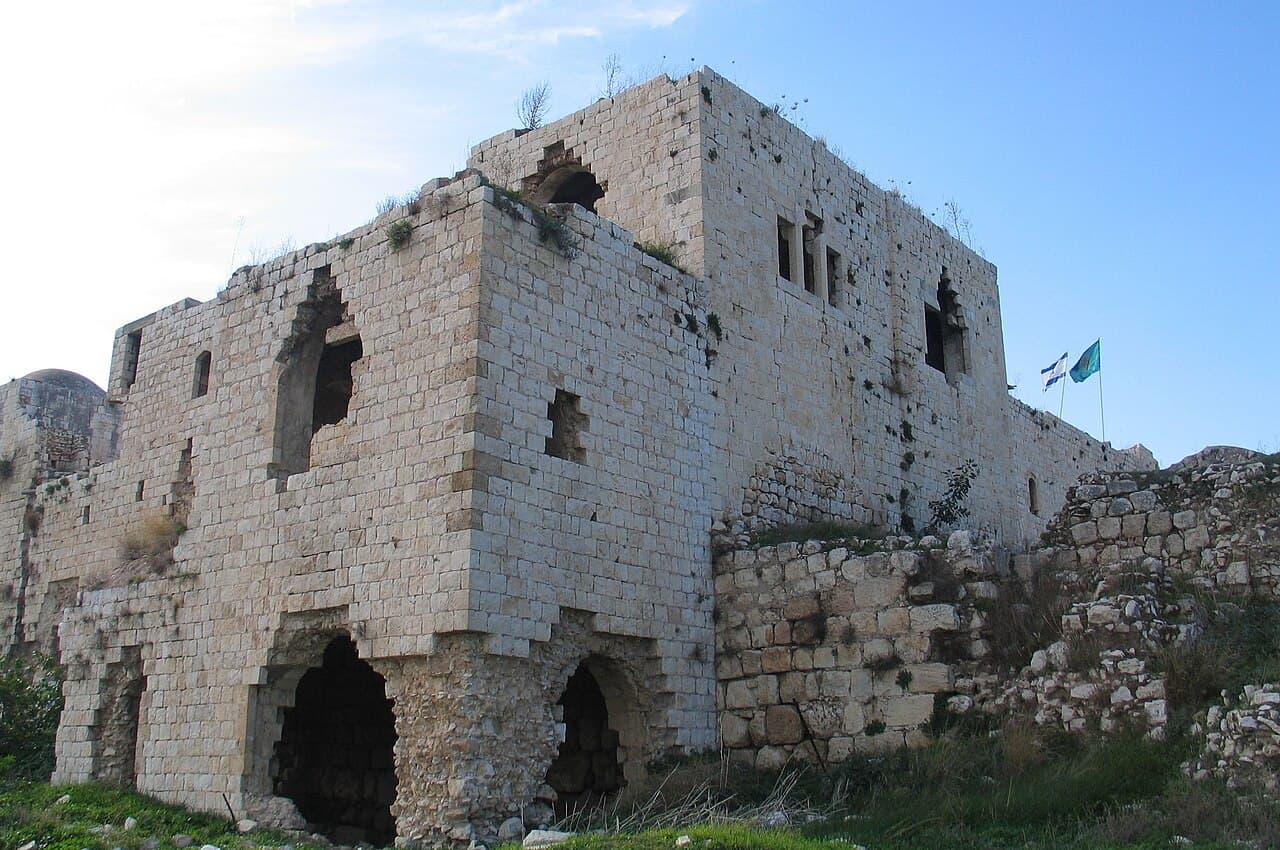
During the Ottoman era, the site saw intermittent use and adaptation. In the 17th century, the local Rayyān family constructed a two-story manor house directly atop the Crusader ruins. This residence incorporated and built upon the medieval masonry, reflecting the evolving architectural styles and habitation patterns of the region. The manor remains today as a testament to the layered history of occupation at Migdal Afek.
Adjacent to the castle, an Arab village known as Majdal Yaba or Majdal Ṣādiq developed, thriving from at least the 16th century until its depopulation in 1948 during the conflicts surrounding the establishment of the State of Israel. The site also played a role in World War I battles and was used as a clandestine base for Jewish arms manufacturing in the 1940s.
Architectural features and archaeological remains
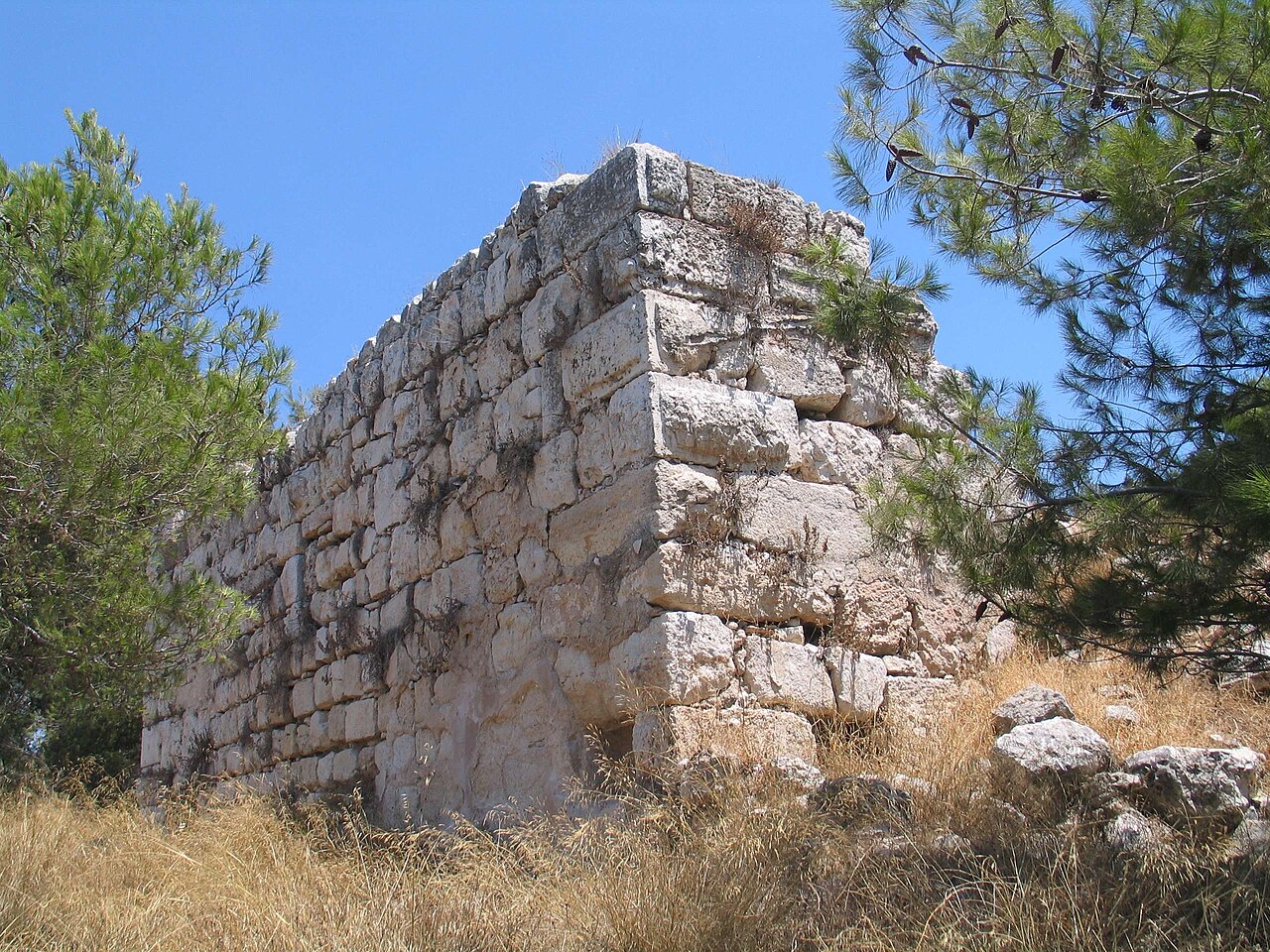
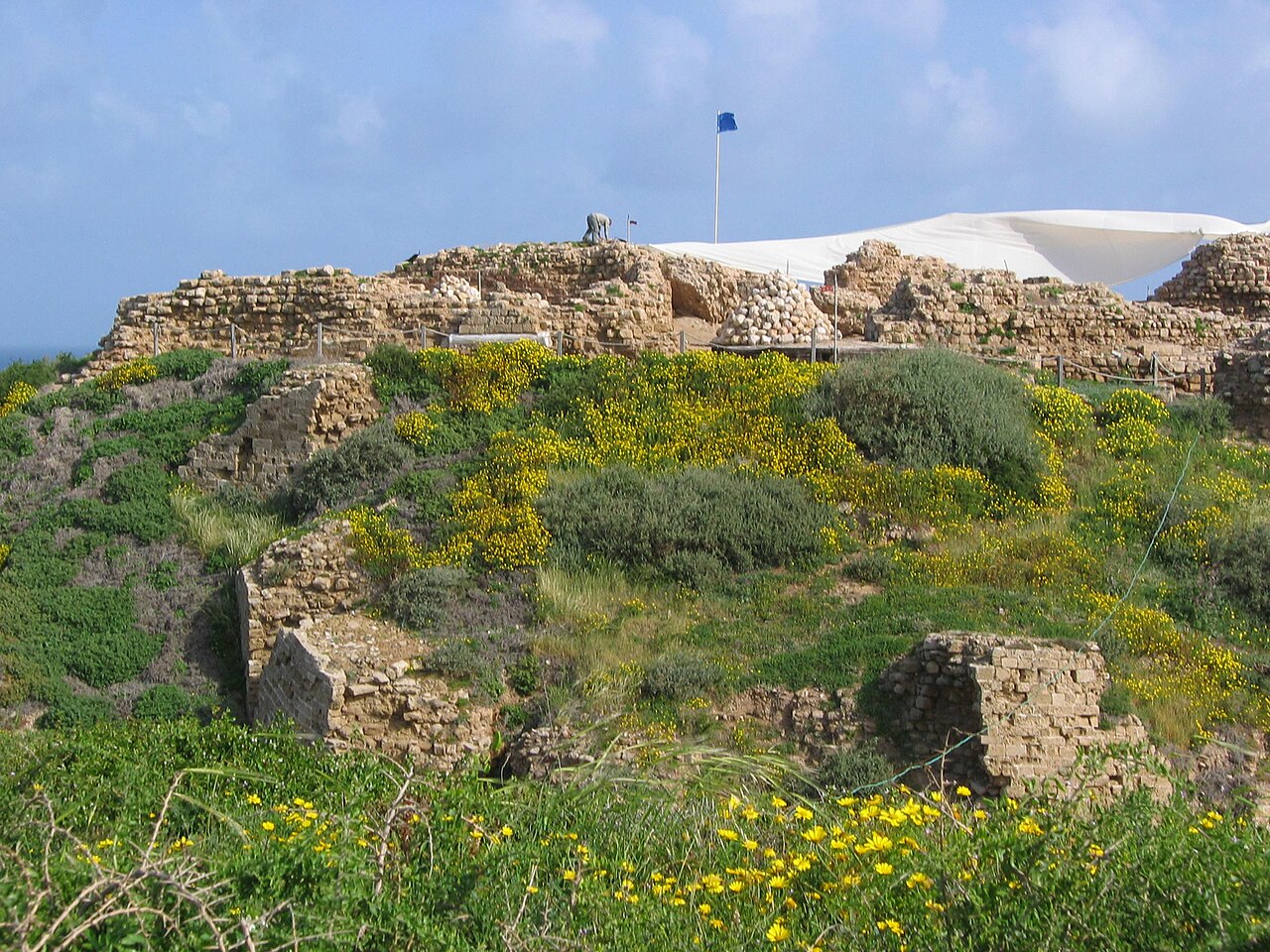
The castle’s layout centers on the preserved Crusader fortress remains, including the thick ring wall and the central donjon. Despite alterations by later Ottoman constructions, much of the original Crusader masonry endures, allowing visitors to appreciate the fortress’s defensive design and commanding hilltop position. This vantage point afforded control over the narrow Afek Pass, a crucial passageway for trade and military movements.
A remarkable architectural element is a reused stone lintel with a Greek inscription dating to the 4th or 5th century CE. This lintel, inscribed with a dedication to the "Martyrion of Saint Kyrikos," indicates the presence of a Byzantine-era shrine at the site. The Crusaders incorporated this stone into their castle doorway, exemplifying the practice of reusing earlier building materials and preserving a tangible connection to the site’s Byzantine heritage.
The Ottoman manor house remains are integrated with the Crusader ruins, illustrating the continuity of occupation and architectural adaptation. The surrounding landscape features burial caves from the Second Temple period, decorated stones, inscriptions, and pottery fragments from Roman and Byzantine times, providing a comprehensive archaeological record of the site’s diverse cultural phases.
Preservation and public access
Today, Migdal Afek is designated as a national park covering approximately 1,700 dunams, including the castle ruins and lands formerly associated with the adjacent village of Majdal Yaba. Preservation efforts completed by 2021 have stabilized the fortress remains and Ottoman structures, enabling visitors to explore the site’s layered history. The park offers a unique opportunity to witness the architectural evolution from ancient Jewish settlement through Crusader fortifications to Ottoman habitation.
Migdal Afek’s combination of Crusader defensive architecture, Byzantine religious elements, and Ottoman residential construction makes it a significant cultural and historical landmark in Israel. Its commanding hilltop location and rich archaeological finds continue to attract scholars, historians, and tourists interested in the complex history of the Levant.
Frequently asked questions (FAQ)
- How do I get to Migdal Afek national park?
- Migdal Afek national park is located near Rosh HaAyin in Israel and is accessible by car and public transportation. Visitors can reach the site via local roads connecting to major highways, with parking available on site.
- What is the historical significance of Migdal Afek?
- Migdal Afek has a rich history spanning from the Second Temple period through the Crusader, Mamluk, and Ottoman eras. It was a strategic fortress controlling the Afek Pass and played roles in regional conflicts and trade.
- Can I visit the Crusader fortress remains at Migdal Afek?
- Yes, the Crusader fortress remains are accessible to visitors within the national park. The site has been preserved and stabilized, allowing exploration of the ring wall, donjon, and other architectural features.
- When is the best time to visit Migdal Afek?
- The park is open daily from 08:00 to 17:00. Visiting during the spring and autumn months offers pleasant weather for exploring the outdoor archaeological site.
- Is there an entrance fee to visit Migdal Afek?
- Admission to Migdal Afek national park is free, making it an accessible destination for tourists and locals interested in history and nature.
Photo gallery

Information
Opening hours
08:00-17:00, daily
Ticket prices
Free
Current owner
Israel Nature and Parks Authority
Website
Visit websiteSources & official resources
Verify the information above using these authoritative references.
Loading map...
Visitor reviews
No reviews yet. Been here? Write the first review and help other travelers!
Write the first reviewVisited this castle? Share your experience
Your review helps other travelers and adds first-hand knowledge to our encyclopedia.