Arsuf
Arsuf, historically known as Apollonia in antiquity and later as Arsur during the Crusader period, is a significant archaeological site located on the Mediterranean coast of modern-day Israel, within the municipality of Herzliya. The site, also referred to as Tel Arshaf in Israeli archaeology, offers a rare glimpse into a continuous urban settlement that spans from the Persian period through the Crusader era, encompassing Hellenistic, Roman, Byzantine, Early Islamic, and Mamluk phases of history.
Ancient origins and early history
The city of Apollonia was originally founded by the Phoenicians during the late 6th century BCE, under the Persian Empire's influence. It was strategically situated on a sandy coastal area featuring a prominent cliff overlooking the Mediterranean Sea, approximately 34 kilometers south of Caesarea. This prime location allowed it to serve as a vital maritime and commercial hub throughout antiquity.
During the Hellenistic period, Apollonia flourished as a Greek city, maintaining its coastal prominence. Under Roman rule, it continued to develop, later transitioning into the Byzantine period when it was renamed Sozusa or Sozusa in Palaestina to distinguish it from its Libyan namesake. The city's urban fabric during these eras was marked by typical Mediterranean features such as fortified walls, residential quarters, public buildings, and religious structures.
Early islamic and crusader periods
Following the Muslim conquest in 640 CE, the city became known as Arsuf. It was fortified extensively to resist Byzantine counterattacks, reflecting its strategic importance on the coastal frontier between the Islamic world and the Byzantine Empire. The fortifications included robust city walls and defensive towers, which were likely enhanced over time.
In 1101, during the Crusades, Arsuf was captured by the Kingdom of Jerusalem. It became a crucial stronghold for the Crusaders, controlling access along the coast and serving as a defensive bulwark against Muslim forces. The fortress and city played a pivotal role during the Third Crusade, particularly in the Battle of Arsuf in 1191, where Richard the Lionheart's forces defeated Saladin's army nearby.
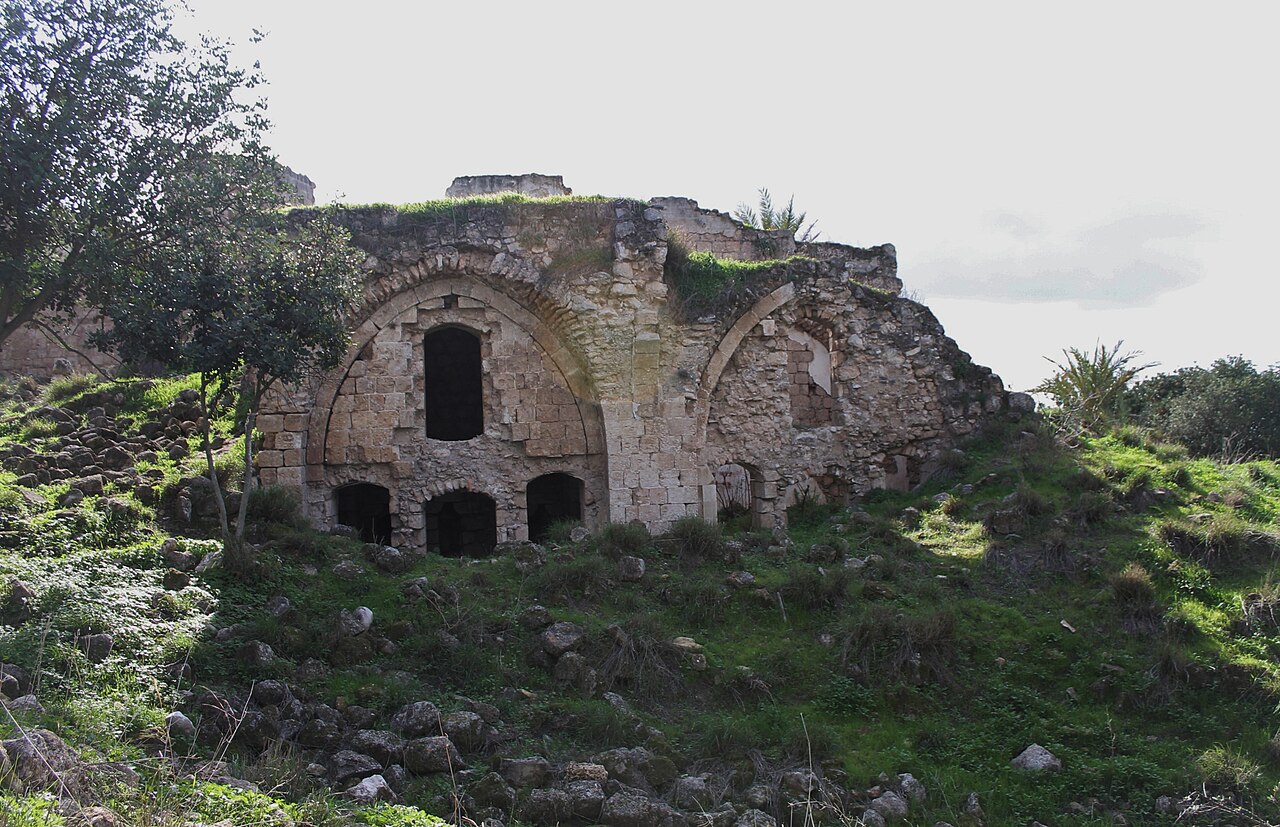
The Crusader fortress featured typical military architecture of the period, including thick stone walls, battlements, a keep, and a gatehouse. These structures were designed to withstand prolonged sieges and to control the surrounding territory.
Decline and destruction under mamluk rule
In 1265, the city and its fortress fell to the Mamluks, who decisively destroyed the settlement and fortifications to prevent further Crusader use. This marked the end of Arsuf as a fortified city and its decline into ruins.
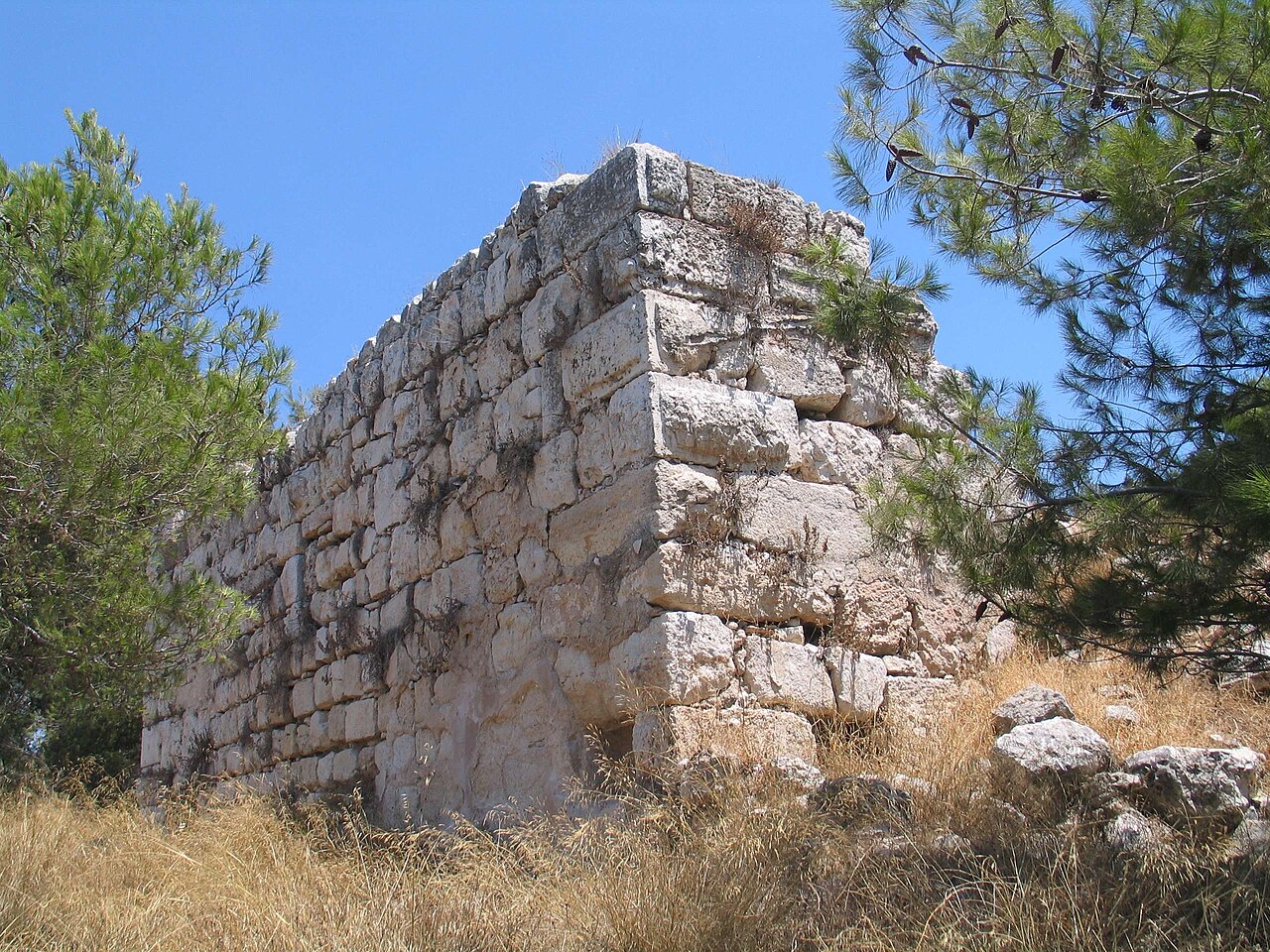
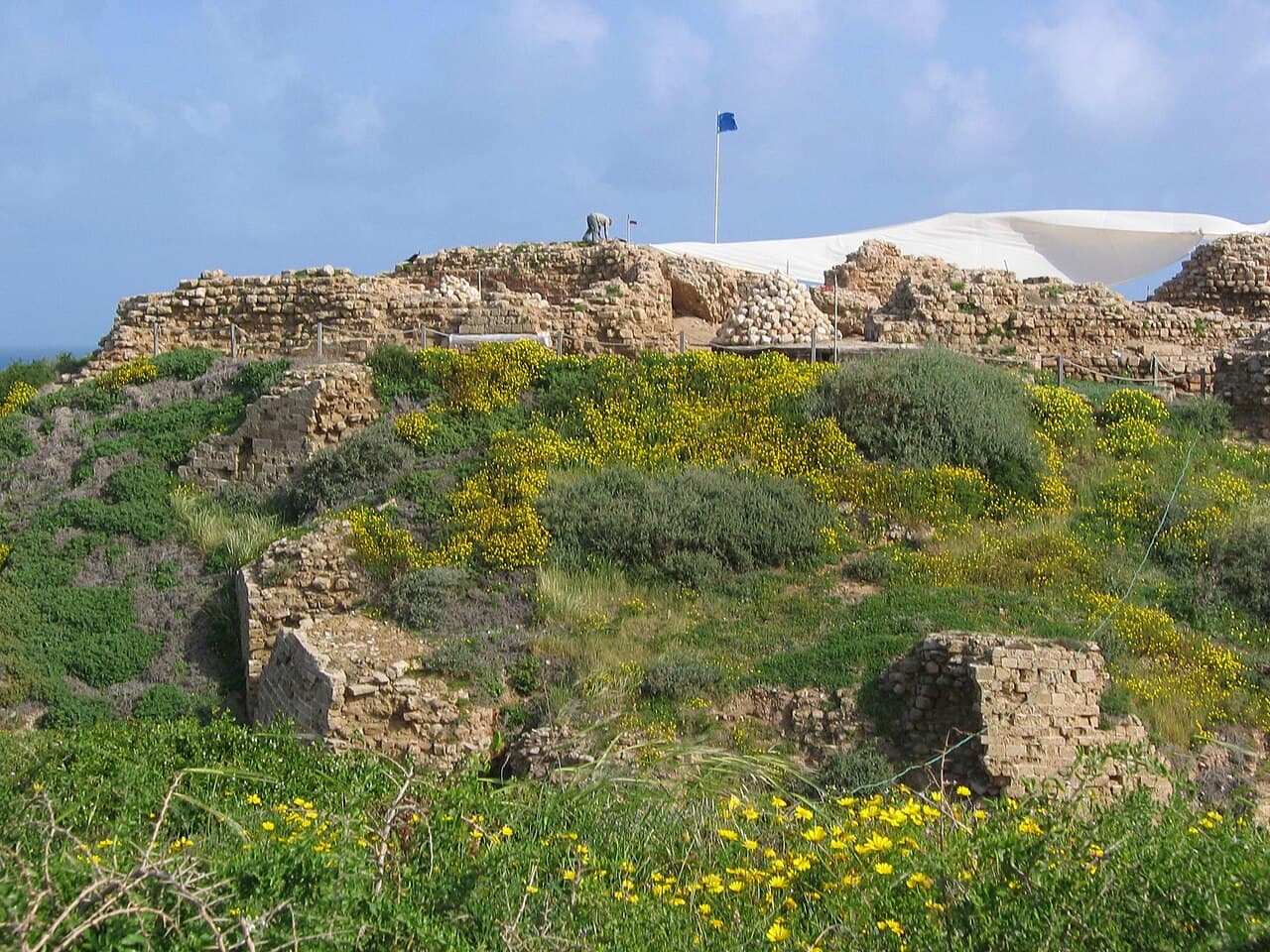
The ruins today primarily consist of the remains of the Crusader castle and city walls, along with earlier archaeological layers from the Phoenician through Byzantine periods. These ruins provide valuable insights into the military, urban, and cultural history of the eastern Mediterranean coast.
Archaeological excavations and modern significance
Since intensive excavations began in 1994, the site has been extensively studied, revealing a wealth of artifacts and architectural features spanning over two millennia. The findings include fortification walls, residential buildings, public spaces, and artifacts illustrating the diverse cultural influences that shaped Arsuf.
In 2002, the area was designated as Apollonia National Park, opening the site to the public. Visitors can explore the archaeological remains, enjoy panoramic views of the Mediterranean, and learn about the site's layered history through informative displays and guided tours.
Architectural features and layout
The site of Arsuf includes remnants of a fortified city typical of Mediterranean coastal settlements. The Crusader fortress was constructed with thick stone walls and featured a keep or donjon, which served as the last line of defense. The walls were equipped with battlements and towers at strategic points to provide overlapping fields of fire.
Earlier layers reveal a complex urban layout with residential quarters, public buildings, and religious structures from the Byzantine period, including churches and possibly a bishop's residence. The city's location on a cliff provided natural defense, supplemented by man-made fortifications.
Cultural and historical importance
Arsuf stands as a testament to the region's turbulent history, reflecting the succession of civilizations that dominated the eastern Mediterranean. Its strategic coastal position made it a coveted site for Phoenicians, Greeks, Romans, Byzantines, Muslims, Crusaders, and Mamluks alike.
The Battle of Arsuf remains one of the most notable military engagements of the Crusades, symbolizing the intense conflict between Christian and Muslim powers during the 12th century. The site's archaeological richness continues to contribute to understanding medieval warfare, urban development, and intercultural interactions.
Visiting arsuf and apollonia national park
Today, visitors to Apollonia National Park can walk among the ruins of Arsuf, viewing the remains of the Crusader fortress walls, towers, and gatehouses. The park offers walking trails along the cliff edge with views of the Mediterranean Sea, picnic areas, and educational signage detailing the site's history.
The park is accessible year-round, with no entrance fee, making it a popular destination for tourists, history enthusiasts, and locals. Guided tours are occasionally available, providing deeper insights into the archaeological findings and historical context.
Frequently asked questions (FAQ)
- What is the historical significance of Arsuf?
- Arsuf was a strategic coastal city from the Phoenician period through the Crusades, known for the Battle of Arsuf in 1191 during the Third Crusade.
- Can I visit the ruins of Arsuf today?
- Yes, the ruins are part of Apollonia National Park in Herzliya, Israel, open daily from 8:00 to 17:00 with free admission.
- What remains can be seen at Arsuf?
- Visitors can see Crusader fortress walls, towers, gatehouses, and archaeological layers from Phoenician to Byzantine periods.
- When was Arsuf founded?
- Arsuf, originally called Apollonia, was founded by the Phoenicians in the late 6th century BCE during the Persian period.
- Why was Arsuf important during the Crusades?
- Arsuf was a key stronghold for the Crusaders, controlling coastal access and was the site near the Battle of Arsuf in 1191.
Photo gallery

Information
Opening hours
8:00-17:00, daily
Ticket prices
Free
Current owner
Israeli National Parks Authority
Loading map...
Visitor reviews
No reviews yet. Been here? Write the first review and help other travelers!
Write the first reviewVisited this castle? Share your experience
Your review helps other travelers and adds first-hand knowledge to our encyclopedia.