Mheer Castle
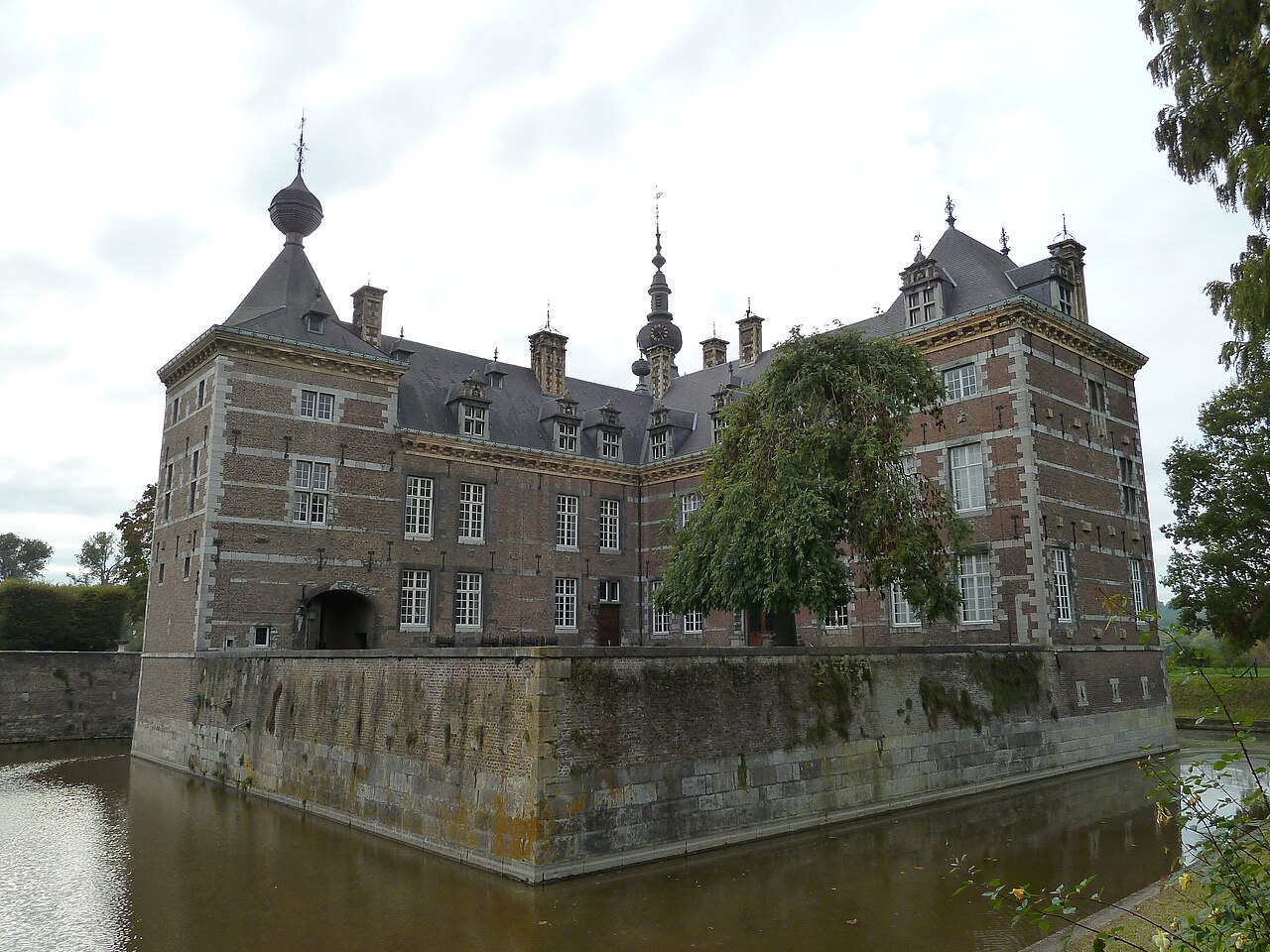
Mheer Castle, locally known as Kasteel van Mheer, is a notable historic fortress situated in the village of Mheer, within the province of Limburg, Netherlands. This castle stands as a remarkable example of a late medieval hill castle that has undergone significant architectural evolution from its origins in the 14th century to its present form.
The earliest known reference to a stone house on the site dates back to 1314, although the presence of the Lords of Mheer was documented around the year 1100, suggesting that the original fortification likely predates the 14th century. The castle initially served as the residence of the local nobility and was strategically positioned against the slope of a hill, which provided natural defensive advantages. This location also allowed for the construction of a dry moat surrounding the castle, enhancing its fortifications.
Historical ownership and lineage
In the 14th century, the castle passed into the hands of the Van Imstenraedt family through marriage. This family maintained ownership until 1668, after which the castle was inherited by the De Loë family, who remain the proprietors to this day. This continuity of ownership has contributed to the preservation and ongoing care of the castle over centuries.
Architectural evolution and structure
Original medieval castle
The original 14th-century castle was likely composed of three wings arranged around a central courtyard, with the fourth side enclosed by a curtain wall. This layout was typical for fortified noble residences of the period, combining both residential and defensive functions. Today, only fragments of the original walls remain, offering valuable insights into medieval construction techniques and defensive architecture.
17th-century reconstruction and later modifications
During the 17th century, the castle underwent a significant rebuilding phase. This reconstruction was carried out on the original medieval foundations and incorporated surviving wall fragments from the initial structure. The rebuilding reflected changing architectural styles and residential needs, transitioning the castle from a primarily defensive fortress to a more comfortable noble residence. The bailey—the outer courtyard area—dates from the 16th and 17th centuries, indicating the expansion and enhancement of the castle's defensive and domestic spaces during this period.
Subsequent centuries, extending into the 20th century, saw continued modifications and restorations. These efforts have helped maintain the castle's structural integrity and adapt it for modern use while respecting its historic character.
Defensive features and setting
Mheer Castle's position on a hillside provided natural protection and strategic oversight of the surrounding landscape. The presence of a dry moat is a distinctive feature, serving as a defensive barrier without the need for water. This design choice was common in hill castles where water supply for moats was limited or impractical. The castle's fortifications include remnants of curtain walls and defensive towers that once guarded the entrances and vulnerable points.
Cultural significance and current status
As a privately owned estate of the De Loë family, Mheer Castle remains an important cultural landmark in Limburg. Its layered history, from medieval origins through Renaissance and later periods, reflects broader trends in Dutch noble architecture and regional history. The castle exemplifies the adaptive reuse of medieval structures over time, blending preservation with modernization.
Visitors and scholars alike value Mheer Castle for its historical depth, architectural features, and picturesque setting. While not always open to the public due to private ownership, the castle contributes to the cultural heritage and identity of the region.
Frequently asked questions (FAQ)
- What is the historical significance of Mheer Castle?
- Mheer Castle is significant for its origins in the 14th century and its continuous ownership by noble families, reflecting the architectural evolution of a late medieval hill castle in Limburg.
- Can I visit Mheer Castle?
- Mheer Castle is privately owned by the De Loë family, so public access may be limited. It is advisable to check locally for any visiting opportunities or special events.
- What architectural features are notable at Mheer Castle?
- Notable features include the dry moat, remnants of the original 14th-century curtain walls, the three-wing layout around the courtyard, and the 16th-17th century bailey.
- When was the castle rebuilt?
- The castle was extensively rebuilt in the 17th century on the medieval foundations, incorporating original wall fragments, with further modifications into the 20th century.
- Why is the castle situated on a hill?
- The hillside location provided natural defensive advantages and allowed for the construction of a dry moat, enhancing the castle's fortifications without reliance on water.
Information
Sources & official resources
Verify the information above using these authoritative references.
Loading map...
Visitor reviews
No reviews yet. Been here? Write the first review and help other travelers!
Write the first reviewVisited this castle? Share your experience
Your review helps other travelers and adds first-hand knowledge to our encyclopedia.