
Meung-sur-Loire Castle
The Château de Meung-sur-Loire stands as a significant medieval castle located in the heart of the village of Meung-sur-Loire, within the Loiret department of the Centre-Val de Loire region in France. Approximately 20 kilometres west of Orléans, this castle commands a strategic position on a small hill overlooking the Loire River. Its origins trace back to the early 12th century, with the first fortification constructed in 1101 under the reign of King Louis VI, the Fat. The castle initially served as a stronghold for the Meung family, notable for the literary figure Jean de Meung, who completed the famed medieval poem Roman de la Rose.
Medieval origins and episcopal significance
Throughout its history, the Château de Meung-sur-Loire was closely tied to the Bishops of Orléans, who used it as their country residence from the 12th century until the 18th century. The oldest surviving parts of the castle date from the early 13th century, built by Bishop Manassès de Seignelay (1207–1221). The castle's main structure is a rectangular plan building flanked by three robust towers, with a fourth tower having been lost over time. These defensive elements reflect the castle's dual role as both a residence and a fortress.
Architectural evolution and defensive features
During the Hundred Years' War, the castle was militarized and transformed into a fortress to withstand sieges. It was occupied by the English until its liberation by Joan of Arc on 14 June 1429, a pivotal moment shortly after the lifting of the siege of Orléans. The castle's fortifications included a tower with a drawbridge added at the end of the 15th century or early 16th century, enhancing its defensive capabilities.
The castle's dungeons and medieval torture instruments, including devices used for water torture, remain preserved beneath the structure, offering a glimpse into the harsh realities of medieval justice and defense.
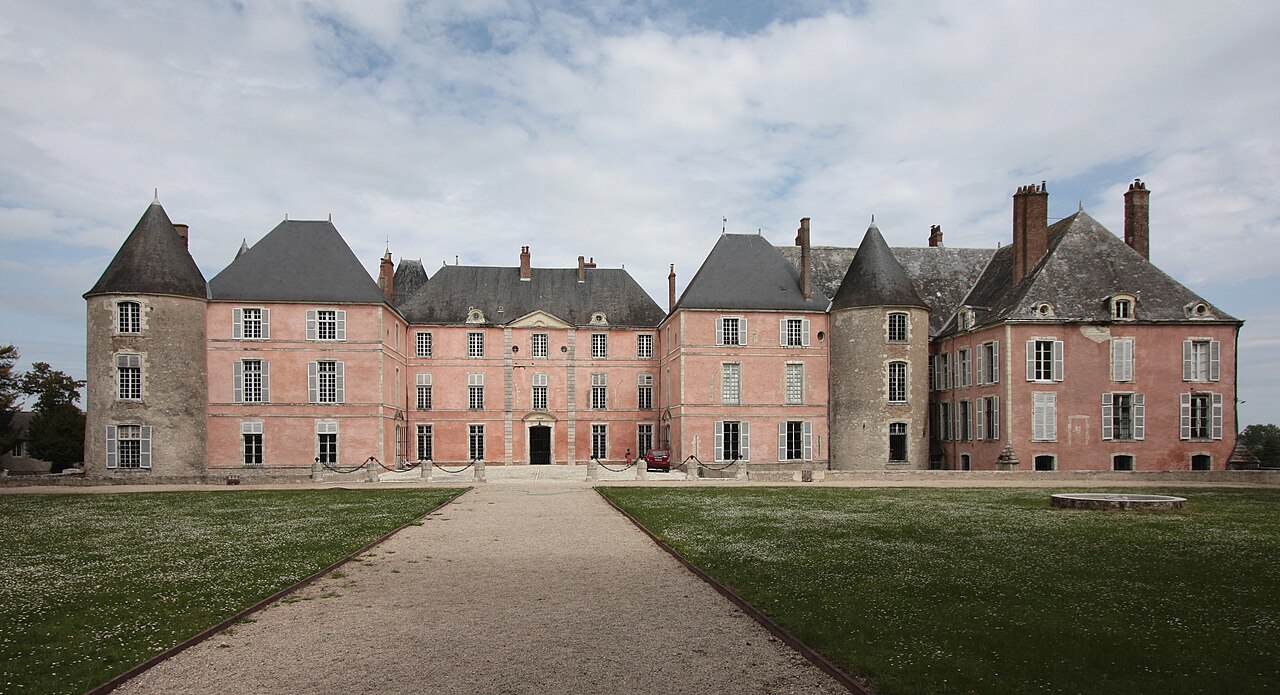
Photo by Manfred Heyde • CC BY-SA 3.0
Renaissance to classical transformations
Following periods of abandonment, especially during the Wars of Religion, the castle underwent significant transformation in the 17th and 18th centuries. Bishop Louis-Gaston Fleuriau d'Armenonville spearheaded renovations that converted the fortress into a more comfortable episcopal residence. The rear façade was rebuilt in the Classical style, reflecting contemporary tastes and the evolving function of the castle from military stronghold to stately home.
In the mid-18th century, a new wing was added to the southeast, featuring a grand staircase that served the upper floors. The castle chapel, constructed in 1784, exemplifies Neoclassical architecture and houses sculpture work by the artist Delaistre. Two pavilions in the grounds, contemporary with the chapel, complement the estate's refined aesthetic.
Notable historical events and figures
The castle's history is marked by several notable events and personalities. During the 15th century, the poet François Villon was imprisoned here by the bishop and narrowly escaped execution thanks to the intervention of King Louis XI. In the late 18th century, the Spanish Enlightenment thinker and politician Pablo de Olavide sought refuge at the castle during the Reign of Terror (1791–1794).
In 1791, the castle was sold at auction to Baron Jean-Jacques Lecoulteux, a future founder of the Banque de France and mayor of Meung-sur-Loire. The 19th century saw radical interior modifications, resulting in 21 rooms furnished in diverse stylistic periods, showcasing the castle's layered history.
Architectural highlights and visitor experience
Today, visitors to the Château de Meung-sur-Loire can explore its well-preserved medieval towers, the rectangular main building, and the historic dungeons. The castle's proximity to the collegial church enhances its historical atmosphere. The mixture of Gothic defensive architecture and later Classical and Neoclassical additions offers a comprehensive view of evolving castle design from the High Medieval period through the 18th century.
The castle's unique combination of military fortification and episcopal residence makes it a compelling destination for those interested in medieval history, architectural evolution, and French cultural heritage.
Frequently asked questions (FAQ)
- What is the historical significance of Meung-sur-Loire Castle?
- Meung-sur-Loire Castle is a remarkable example of medieval architecture, reflecting the rich history of the region. Originally built in the 12th century, it served as a strategic fortification and residence, influencing local politics and culture throughout the ages.
- When was Meung-sur-Loire Castle built?
- The construction of Meung-sur-Loire Castle began in the 12th century, with various modifications and expansions occurring over the centuries. Its architectural style showcases the transition from Romanesque to Gothic influences, making it a significant historical landmark.
- What are the opening hours for Meung-sur-Loire Castle?
- Meung-sur-Loire Castle is generally open to visitors from 10 AM to 6 PM, but hours may vary seasonally. It is advisable to check the official website for the most current information before planning your visit.
- Can I visit Meung-sur-Loire Castle with a wheelchair?
- Yes, Meung-sur-Loire Castle strives to be accessible to all visitors, including those with mobility challenges. There are designated pathways and ramps to help navigate the grounds, though some areas may have limited access due to their historical nature.
- What are the ticket prices for visiting Meung-sur-Loire Castle?
- Tickets for Meung-sur-Loire Castle are reasonably priced, typically around €8 for adults and reduced rates for children and seniors. It's recommended to check for any special events or guided tours that may have different pricing.
- When is the best time to visit Meung-sur-Loire Castle?
- The best time to visit Meung-sur-Loire Castle is during the spring and early fall when the weather is mild and the gardens are in full bloom. This period also tends to be less crowded, allowing for a more enjoyable experience.
- Is it possible to take guided tours of Meung-sur-Loire Castle?
- Yes, guided tours are available at Meung-sur-Loire Castle, offering visitors a deeper insight into its history and architecture. These tours are typically led by knowledgeable guides who can share fascinating stories and facts about the castle.
- What nearby attractions should I visit while in Meung-sur-Loire?
- While visiting Meung-sur-Loire Castle, consider exploring nearby attractions such as the charming village of Meung-sur-Loire itself, the historic botanical garden, and the scenic banks of the Loire River. Each location offers unique experiences that complement your visit to the castle.
Photo gallery

Information
Website
Visit websiteSources & official resources
Verify the information above using these authoritative references.
Loading map...
Visitor reviews
No reviews yet. Been here? Write the first review and help other travelers!
Write the first reviewVisited this castle? Share your experience
Your review helps other travelers and adds first-hand knowledge to our encyclopedia.