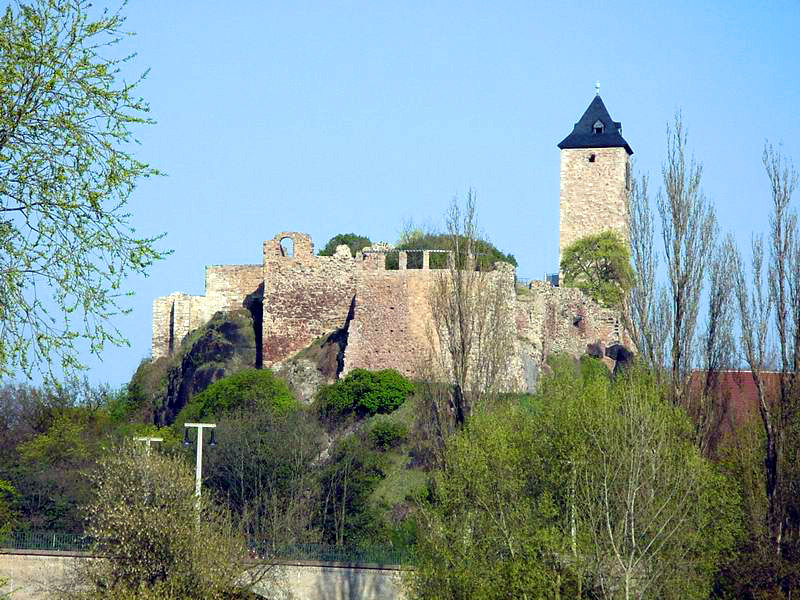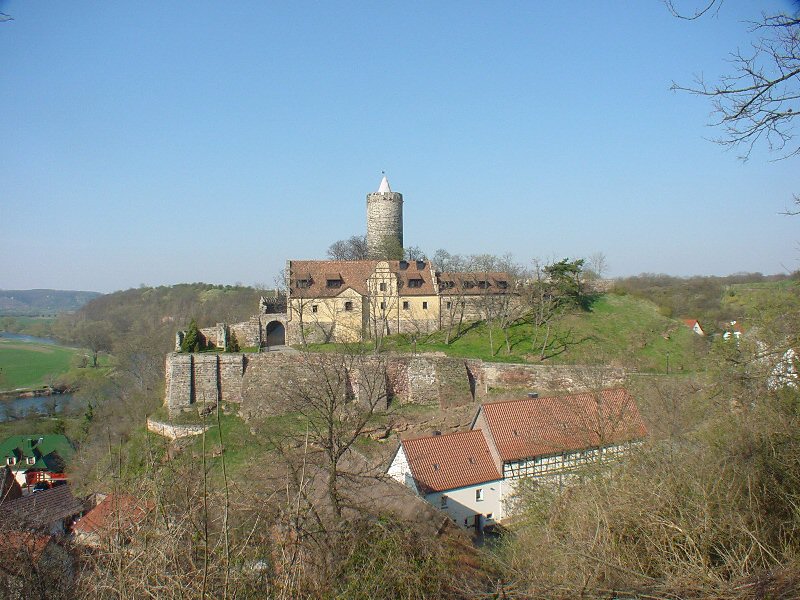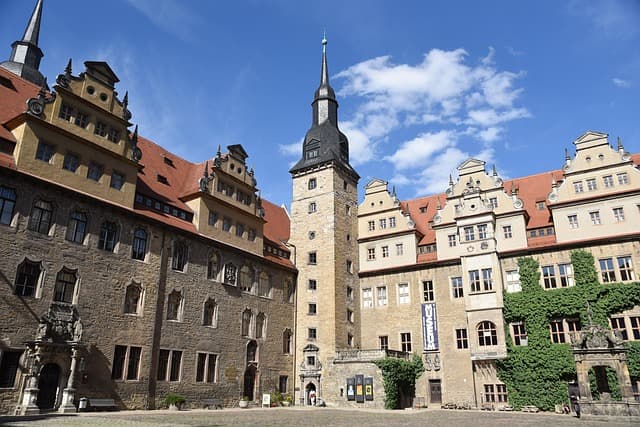
Merseburg Castle
Merseburg Castle stands as a remarkable example of a late medieval hill castle located in the historic town of Merseburg in Saxony-Anhalt, Germany. Built between 1470 and 1500, this castle played a significant role in the region's political and ecclesiastical history. Its strategic position atop a hill overlooking the Saale River allowed it to serve both defensive and administrative functions throughout the centuries.
Historical background and significance
The origins of Merseburg Castle date back to the late 15th century, during a period marked by territorial consolidation and the strengthening of princely power within the Holy Roman Empire. Constructed primarily as a residence for the bishops of Merseburg, the castle also functioned as a center for ecclesiastical authority and governance. Over time, it became a symbol of the bishopric's influence and a focal point for regional politics.
Throughout its history, Merseburg Castle witnessed numerous events that shaped the cultural and political landscape of Saxony-Anhalt. Its proximity to the Saale River facilitated trade and communication, enhancing the castle's importance. Despite periods of conflict and changing ownership, the castle has retained much of its original character due to careful preservation efforts.
Architectural features and style
Late medieval construction and design
The castle's architecture reflects the late medieval style prevalent in the region during the late 15th century. Its robust stone walls, fortified towers, and defensive structures exemplify the military and residential needs of the era. The design incorporates elements typical of hill castles, including elevated positioning for surveillance and protection.
Structural components and layout
Merseburg Castle features a complex layout with multiple wings and courtyards, designed to accommodate both residential quarters and administrative offices. The main keep and surrounding walls were constructed to withstand sieges, with narrow windows and battlements providing defensive advantages. The castle's interior includes vaulted ceilings, grand halls, and chapels that highlight the ecclesiastical significance of the site.
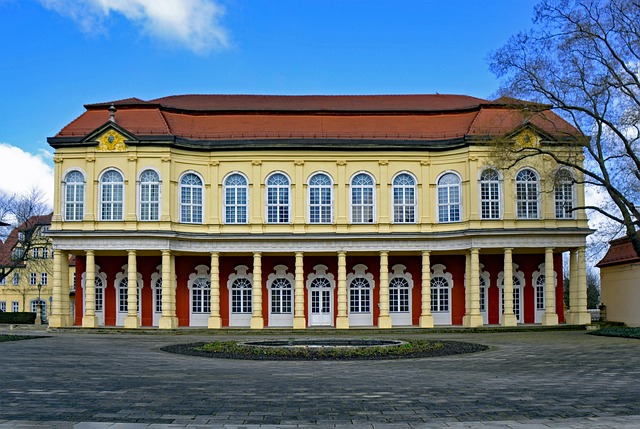
Photo by lapping
Restoration and preservation efforts
Today, Merseburg Castle is classified as restored, reflecting extensive conservation work undertaken to maintain its structural integrity and historical authenticity. Restoration projects have focused on repairing damaged stonework, preserving original architectural details, and adapting the site for public access without compromising its medieval character.
The castle now serves as a cultural venue and museum, offering visitors insights into the region's history and medieval architecture. Interpretive displays and guided tours provide educational experiences that connect the public with the castle's storied past.
Visiting Merseburg Castle
Visitors to Merseburg Castle can explore its well-preserved fortifications, elegant halls, and picturesque courtyards. The castle's elevated location offers scenic views of the Saale River and the surrounding town, enhancing the visitor experience. Its accessibility and maintained grounds make it a popular destination for history enthusiasts and tourists alike.
The castle hosts various cultural events throughout the year, including medieval festivals, concerts, and exhibitions, further enriching its role as a living monument to the region's heritage.
Architectural and cultural legacy
Merseburg Castle remains an important architectural landmark in Saxony-Anhalt, embodying the characteristics of late medieval hill castles in Germany. Its blend of defensive features and residential elegance offers valuable insights into the lifestyle and power structures of the time. The castle's preservation ensures that future generations can appreciate its historical and cultural significance.
Frequently asked questions (FAQ)
- What is the historical significance of Merseburg Castle?
- Merseburg Castle is a remarkable example of medieval architecture and has played a vital role in the history of the region. It was the residence of the bishops of Merseburg and served as an important cultural and political center during the Middle Ages.
- When was Merseburg Castle built?
- The construction of Merseburg Castle began in the 10th century, with significant expansions and modifications occurring over the centuries. The castle showcases a blend of architectural styles, reflecting its long and varied history.
- Can I visit Merseburg Castle?
- Yes, Merseburg Castle is open to the public, allowing visitors to explore its rich history and stunning architecture. Guided tours are available to provide insight into the castle's past and its significance in the region.
- What are the opening hours for Merseburg Castle?
- Merseburg Castle typically opens its doors to visitors from Tuesday to Sunday, with specific hours that may vary seasonally. It’s advisable to check their official website for the most up-to-date information on opening times before your visit.
- How much do tickets to Merseburg Castle cost?
- Ticket prices for Merseburg Castle are generally affordable, with discounts available for students, seniors, and groups. Children under a certain age may enter for free, making it an accessible destination for families.
- Is it possible to access Merseburg Castle with a wheelchair?
- Yes, Merseburg Castle is committed to accessibility and provides facilities for visitors with limited mobility. While some areas may have restrictions due to the castle's historical structure, efforts have been made to ensure a welcoming experience for all.
- When is the best time to visit Merseburg Castle?
- The best time to visit Merseburg Castle is during the spring and summer months when the weather is pleasant, and outdoor events are often held. Additionally, the gardens surrounding the castle are in full bloom, enhancing the overall experience.
- Are there any nearby attractions to visit while in Merseburg?
- Absolutely! In addition to Merseburg Castle, visitors can explore the beautiful Merseburg Cathedral and the charming old town. These sites offer a deeper understanding of the region's history and architecture, making for a delightful day trip.
Photo gallery

Photo by ZYX


Information
Address
Domplatz
Loading map...
Visitor reviews
No reviews yet. Been here? Write the first review and help other travelers!
Write the first reviewVisited this castle? Share your experience
Your review helps other travelers and adds first-hand knowledge to our encyclopedia.