Meknes Pottery Museum
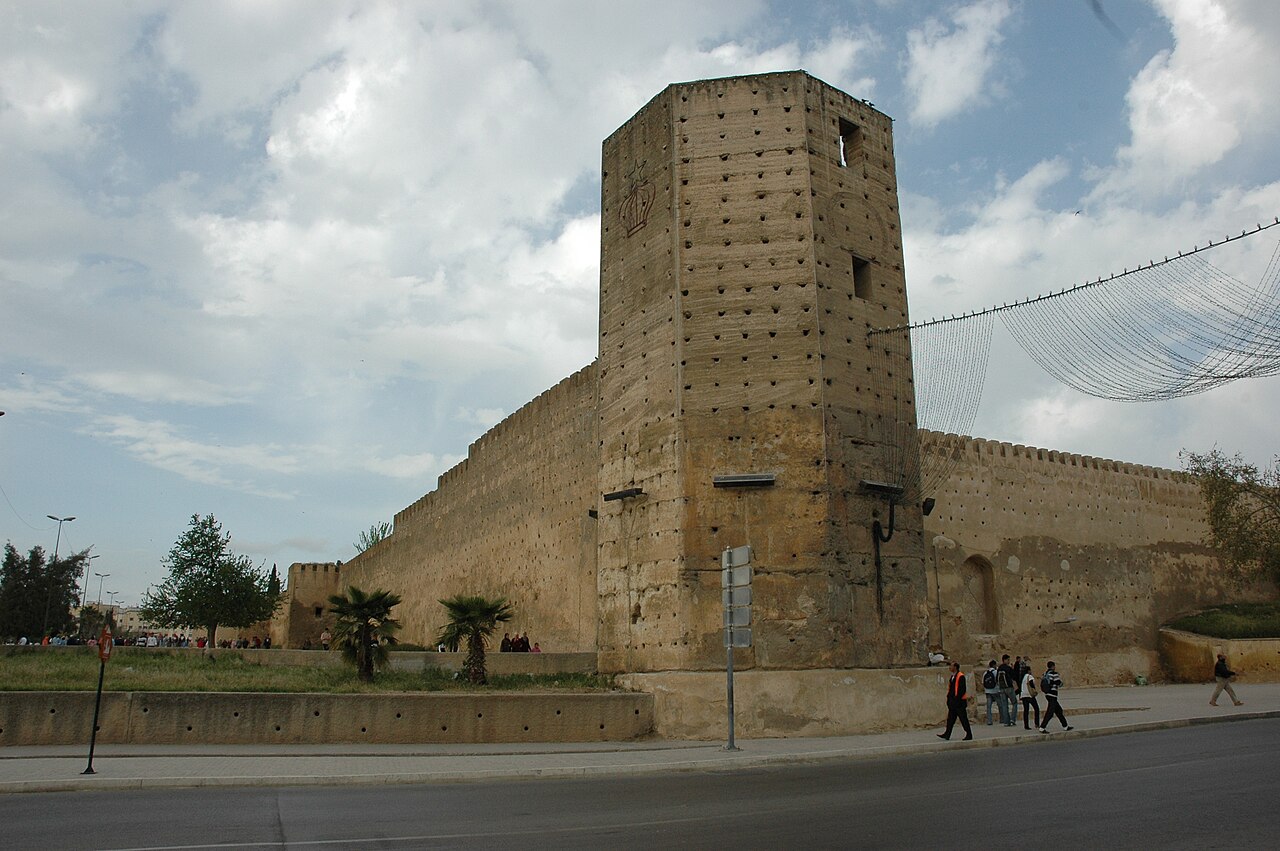
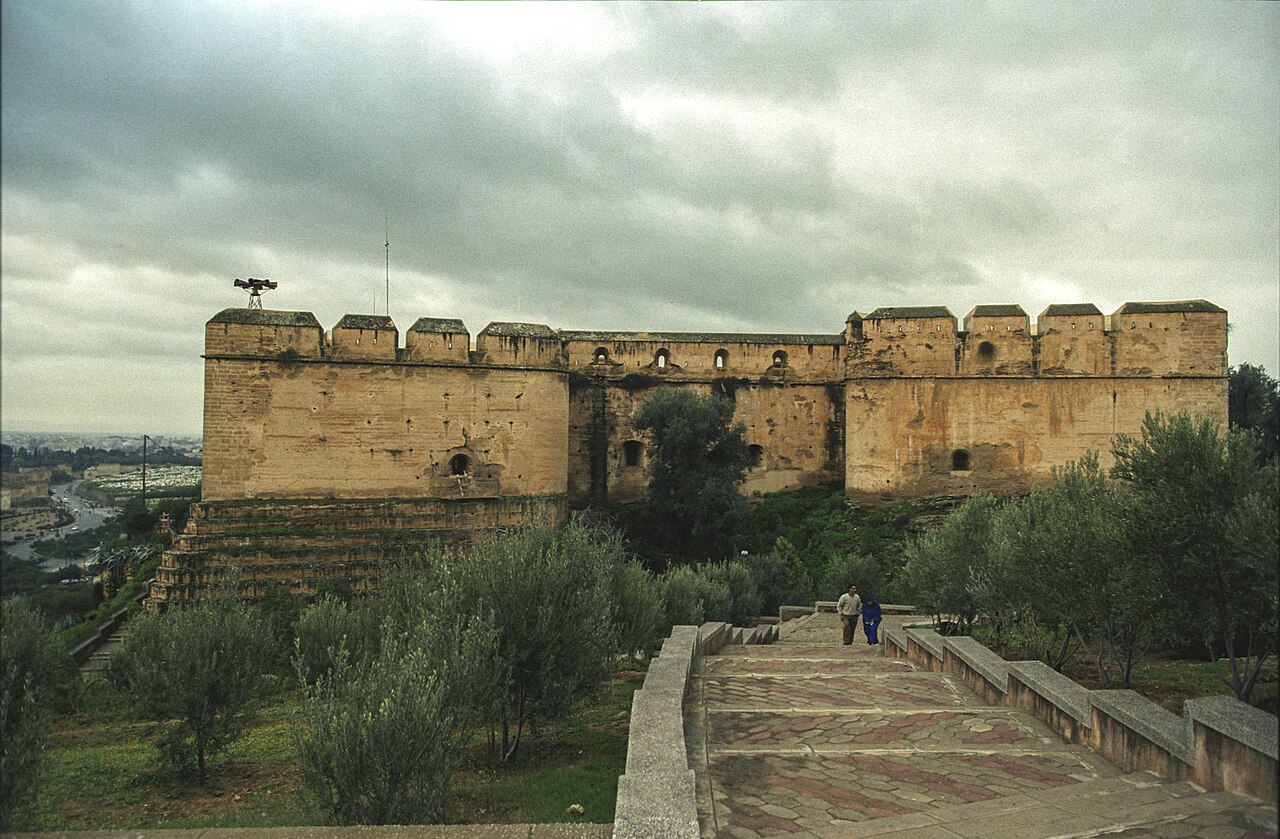
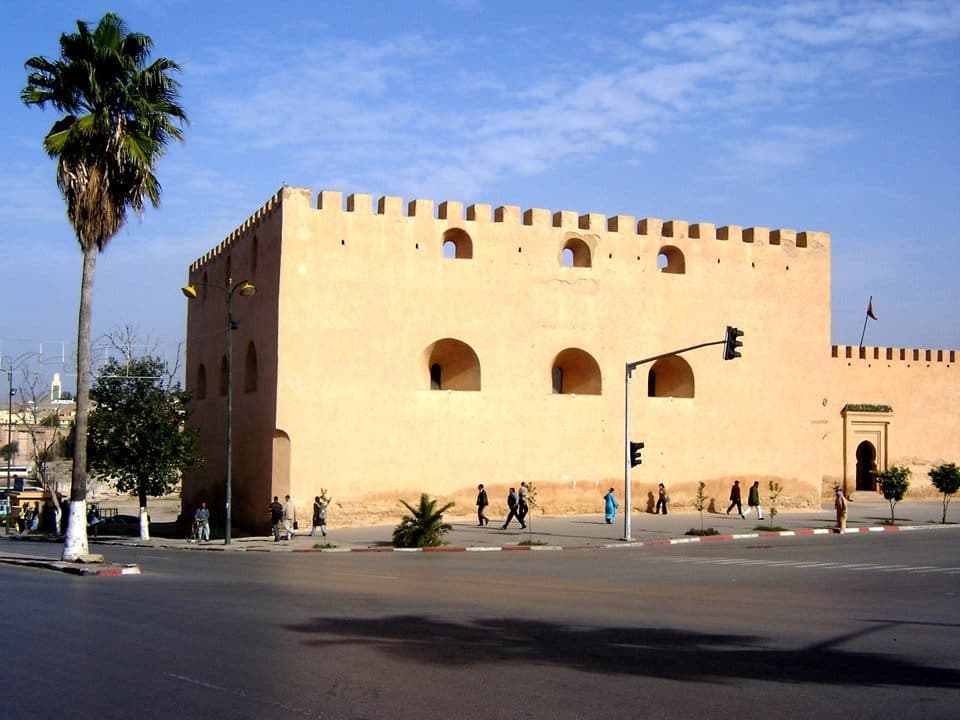
Borj Belkari (Arabic: برج بالقاري, romanized: Burj bel-kari) is a prominent bastion tower constructed in the 17th century as part of the extensive defensive walls of the Kasbah of Sultan Moulay Ismail in Meknes, Morocco. This tower exemplifies the military architecture of the Renaissance period within Moroccan fortifications, reflecting the strategic importance of the Kasbah during the reign of Sultan Moulay Ismail, who ruled from 1672 to 1727.
Historical context and significance
The Kasbah of Meknes was established by Sultan Moulay Ismail as a fortified imperial city and served as the capital of Morocco during his reign. The Kasbah's walls, including the Borj Belkari bastion, were designed to protect the city from invasions and internal uprisings. The 17th century saw extensive military and architectural developments under Moulay Ismail, who invested heavily in fortifications to secure his rule.
Borj Belkari was one of several bastions constructed along the Kasbah's perimeter, featuring thick walls and defensive elements typical of bastioned fortresses. These bastions were built to withstand artillery attacks and provide overlapping fields of fire to defend the city effectively.
Architectural features of Borj Belkari
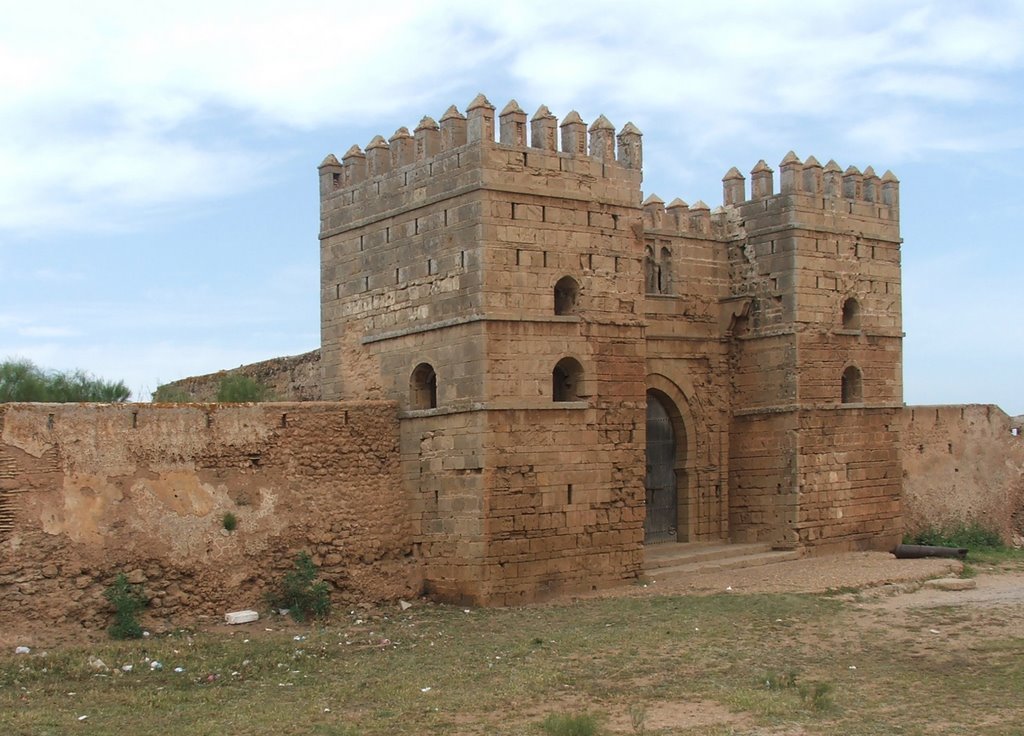
The tower is a classic example of a bastioned fortress element, characterized by its robust construction and angular bastions designed to eliminate blind spots in defense. The walls are made from local stone and brick, with a plaster finish that was typical of Moroccan fortifications of the era.
Borj Belkari features embrasures for cannons and muskets, reflecting the adaptation of traditional fortifications to gunpowder weaponry. The tower's design includes a raised platform for artillery and a parapet with merlons for infantry protection.
The interior of the tower includes chambers that were likely used for garrison troops and storage of arms and supplies. The strategic placement of the tower within the Kasbah's walls allowed defenders to cover adjacent sections of the fortifications, creating a strong defensive network.
Transition to cultural use: the pottery museum
In 2003, Borj Belkari was repurposed to house the Meknes Pottery Museum, showcasing the rich tradition of Moroccan ceramics. This adaptive reuse preserved the historical structure while providing a cultural venue that highlights local craftsmanship.
The museum exhibits a variety of pottery styles from different regions of Morocco, including traditional techniques and contemporary works. The setting within a historic bastion tower adds to the visitor experience by connecting the art of pottery with the heritage of Meknes.
Visiting Borj Belkari and the pottery museum
Visitors to Borj Belkari can explore both the architectural features of the bastion and the extensive collection of Moroccan ceramics. The museum offers insight into the artisanal history of the region and the defensive legacy of the Kasbah.
Located within the fortified walls of the Kasbah, the tower is accessible to tourists interested in both military history and Moroccan cultural heritage. The combination of fortress architecture and pottery exhibits makes it a unique destination in Meknes.
Frequently asked questions (FAQ)
- What is Borj Belkari and where is it located?
- Borj Belkari is a 17th-century bastion tower located within the Kasbah of Sultan Moulay Ismail in Meknes, Morocco.
- When was Borj Belkari built and for what purpose?
- Borj Belkari was built in the 17th century as part of the defensive walls of the Kasbah to protect the city from invasions.
- What can visitors see at the Meknes Pottery Museum?
- The museum displays a wide range of Moroccan pottery styles, showcasing traditional and contemporary ceramic art.
- Is Borj Belkari open to the public?
- Yes, Borj Belkari is open to visitors as a museum and historical site within the Kasbah of Meknes.
- Who owns and manages Borj Belkari today?
- The tower and museum are managed by the Moroccan Ministry of Culture.
Photo gallery

Information
Current owner
Moroccan Ministry of Culture
Loading map...
Visitor reviews
No reviews yet. Been here? Write the first review and help other travelers!
Write the first reviewVisited this castle? Share your experience
Your review helps other travelers and adds first-hand knowledge to our encyclopedia.