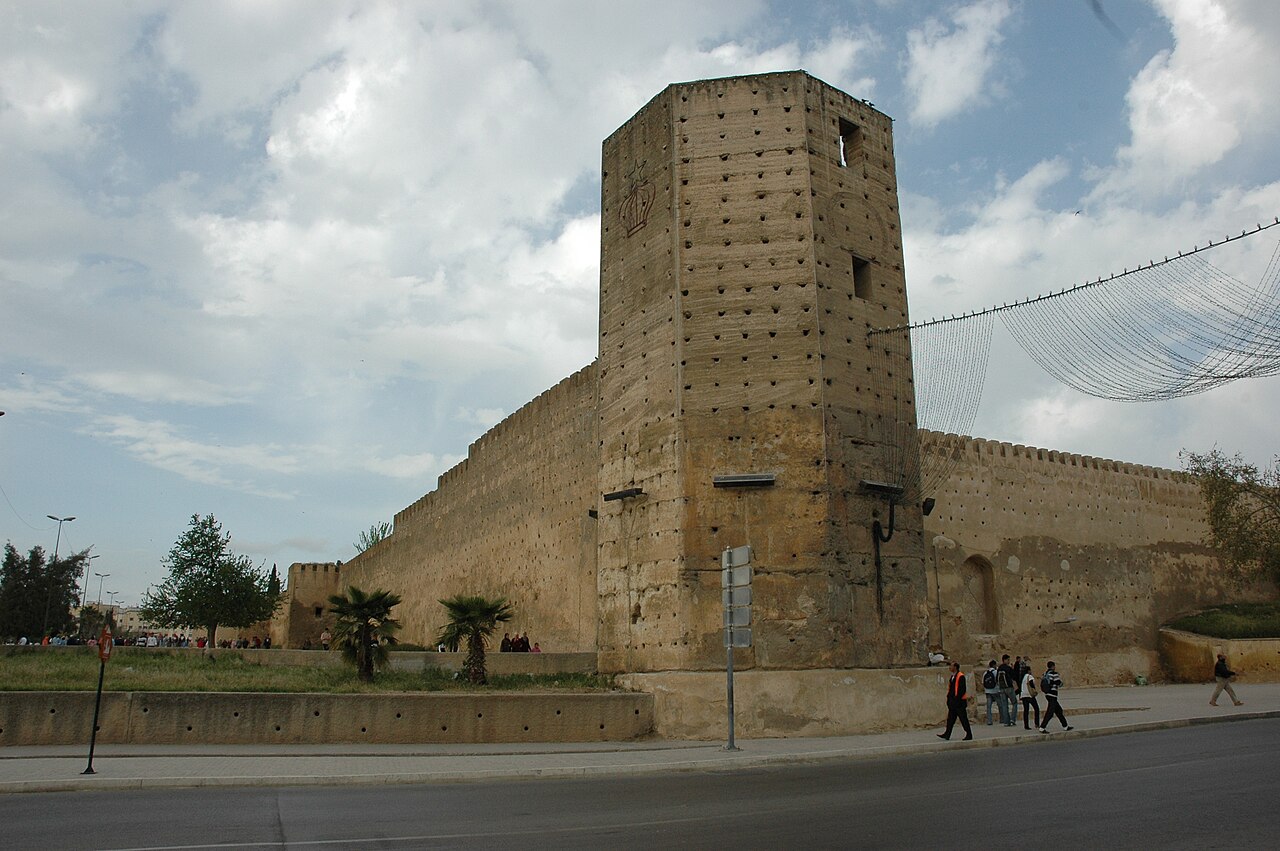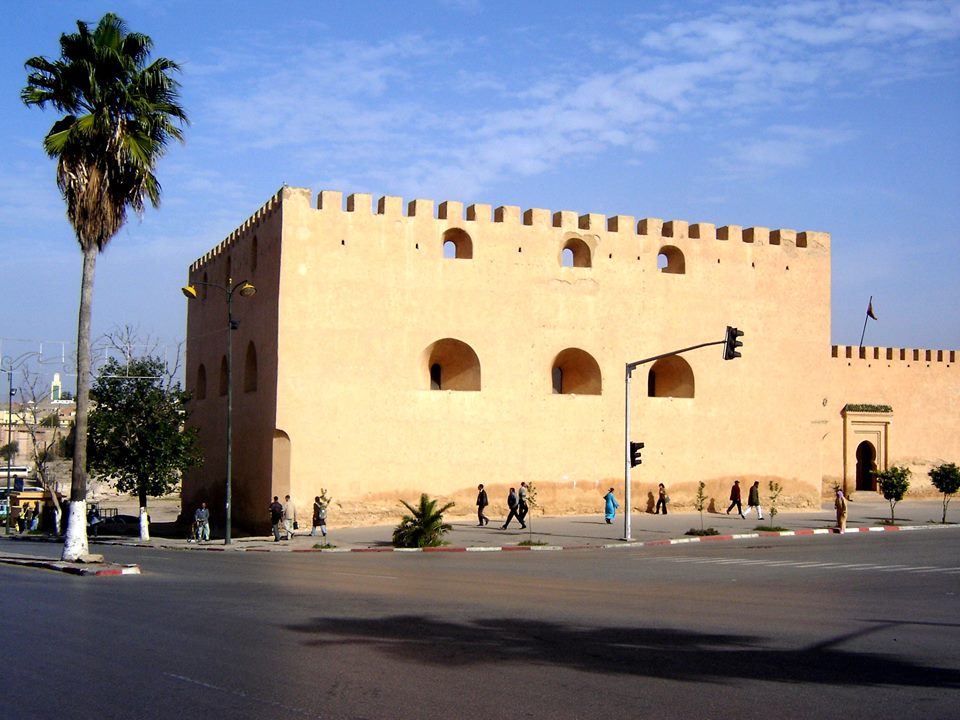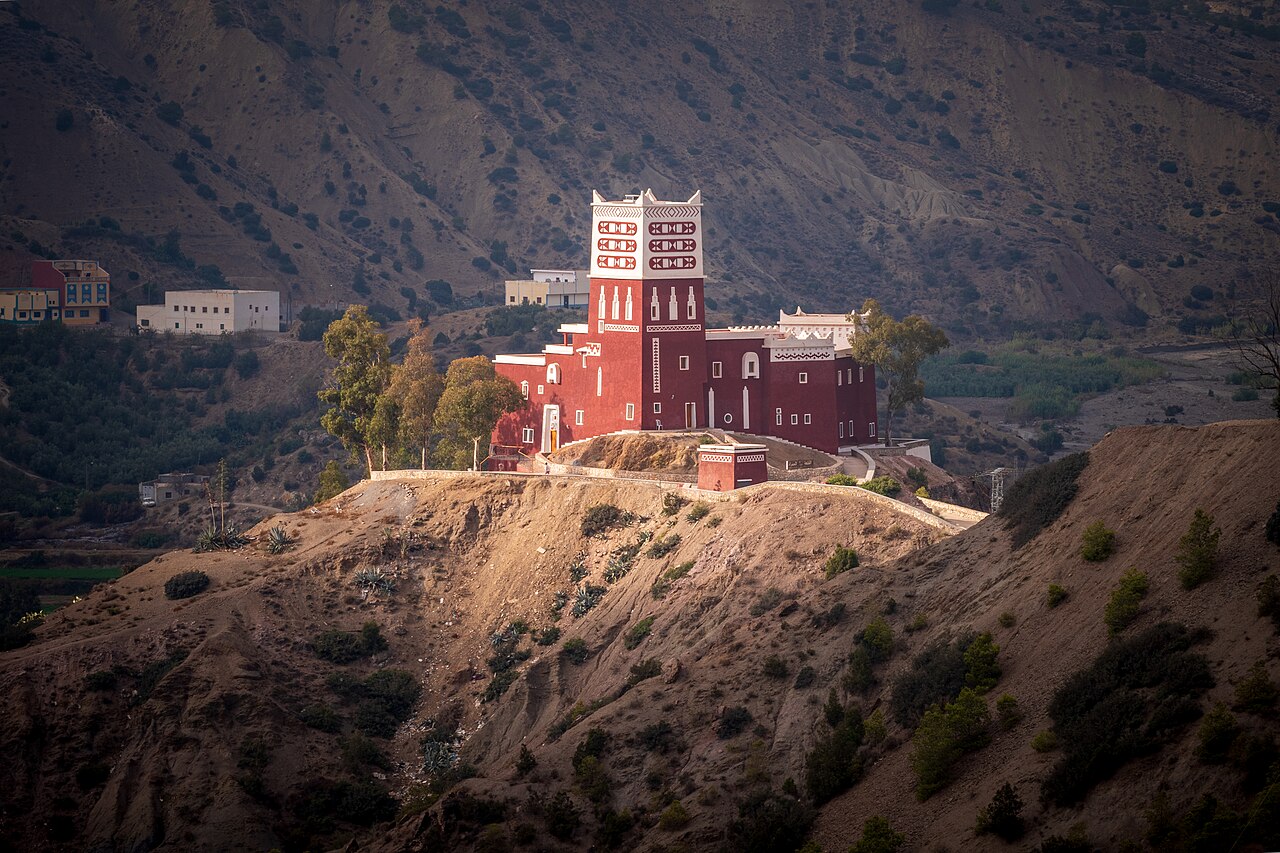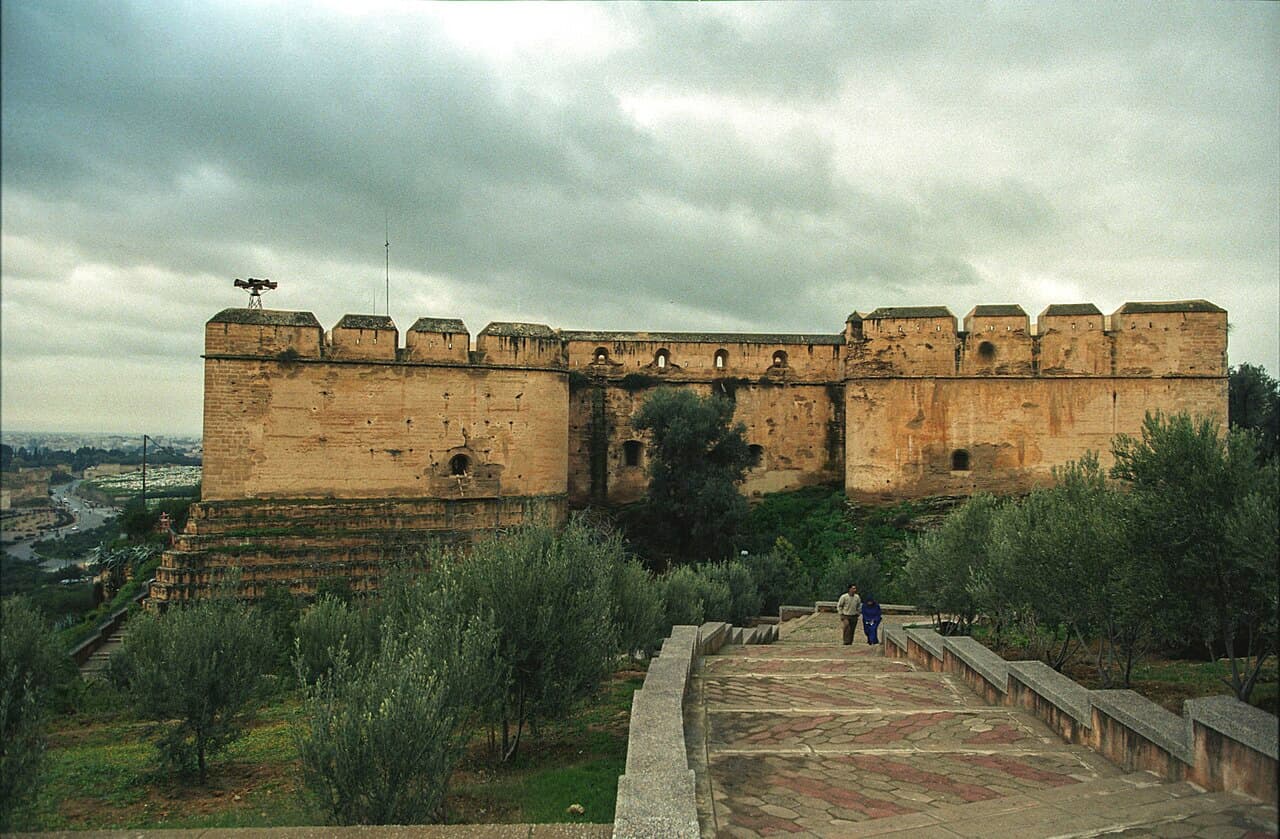
Borj Nord, also known as Burj al-Shamal or Al-Burj ash-Shamali in Arabic, is a prominent 16th-century Renaissance hill castle located in the historic city of Fez, Morocco. Constructed in 1582 under the rule of the Saadi dynasty, this fortress was strategically positioned on a hill overlooking the city to serve as a defensive stronghold. It reflects the influence of European military architecture of the period, particularly modeled after the Portuguese forts built along the Moroccan coast in the 16th century.
Historical background and strategic importance
The establishment of Borj Nord came during a time when the Saadi dynasty sought to consolidate control over Fez and its surroundings. The fort was designed not only to defend the city against external threats but also to exert control over the local population. Its location on a hill provided a commanding view of Fez and the surrounding landscape, allowing for early detection of enemy movements and effective artillery deployment.
Architectural features and military innovations
Borj Nord is among the largest defensive structures surrounding Fez and represents one of the few Moroccan forts to incorporate European-style bastioned military architecture adapted for the gunpowder age. Its design includes thick walls, bastions for mounting artillery, and angular fortifications intended to deflect cannon fire. The fortress's layout reflects the transition from medieval to early modern fortification techniques, emphasizing artillery defense rather than traditional high walls and towers.
Bastions and walls
The fortress features multiple bastions arranged to cover all approaches, enabling crossfire and overlapping fields of defense. The walls are constructed from robust stone masonry, designed to withstand bombardments. The angular bastions are characteristic of Renaissance military architecture, allowing defenders to cover the base of the walls and reduce blind spots.
Interior structures
Inside the fortress, there are barracks, storage rooms, and artillery platforms. The internal layout was functional, focused on accommodating troops and munitions necessary for sustained defense. The design also includes cisterns to collect and store water, ensuring the garrison could endure sieges.
Role during the Saadi dynasty and subsequent periods
During the late 16th and early 17th centuries, Borj Nord played a critical role in the military and political landscape of Morocco. It helped the Saadi rulers maintain authority over Fez, a city with a history of resistance and internal strife. The fortress also served as a deterrent against Portuguese and Ottoman ambitions in the region.
Over time, as military technology and political dynamics evolved, the fort's military significance diminished. However, its robust construction ensured its survival through various conflicts and changes in governance.
Modern use as the Museum of Arms
Today, Borj Nord is open to the public as the Museum of Arms, showcasing a vast collection of Moroccan and international weaponry. The museum highlights the evolution of arms and armor, with exhibits ranging from traditional swords and firearms to modern military equipment. The fortress itself serves as an educational site, illustrating the adaptation of Moroccan fortifications to European military innovations.
The museum also benefits from the fortress's elevated position, offering panoramic views of Fez and its medina, adding to the visitor experience. Preservation efforts have maintained the structure's integrity, allowing visitors to appreciate both its historical and architectural significance.
Visiting information and cultural significance
Borj Nord is a key cultural landmark in Fez, attracting tourists interested in Moroccan history, military architecture, and the Saadi period. Its combination of Renaissance military design and Moroccan heritage makes it unique among fortifications in the region.
Photo gallery

Information
Loading map...
Visitor reviews
No reviews yet. Been here? Write the first review and help other travelers!
Write the first reviewVisited this castle? Share your experience
Your review helps other travelers and adds first-hand knowledge to our encyclopedia.