Meghri Fortress — Armenia castle

Meghri Fortress

Meghri fortress in Armenia
Meghri, Armenia
High Medieval (11th–13th c.)
Partially Preserved

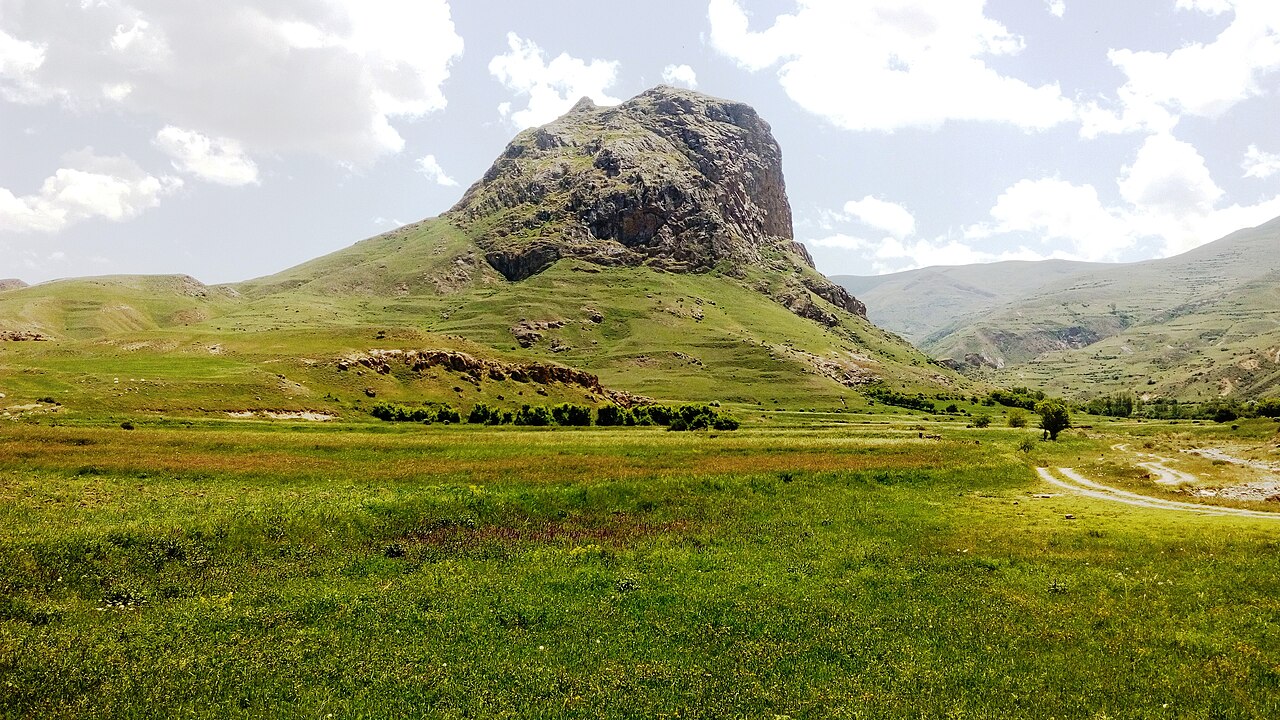
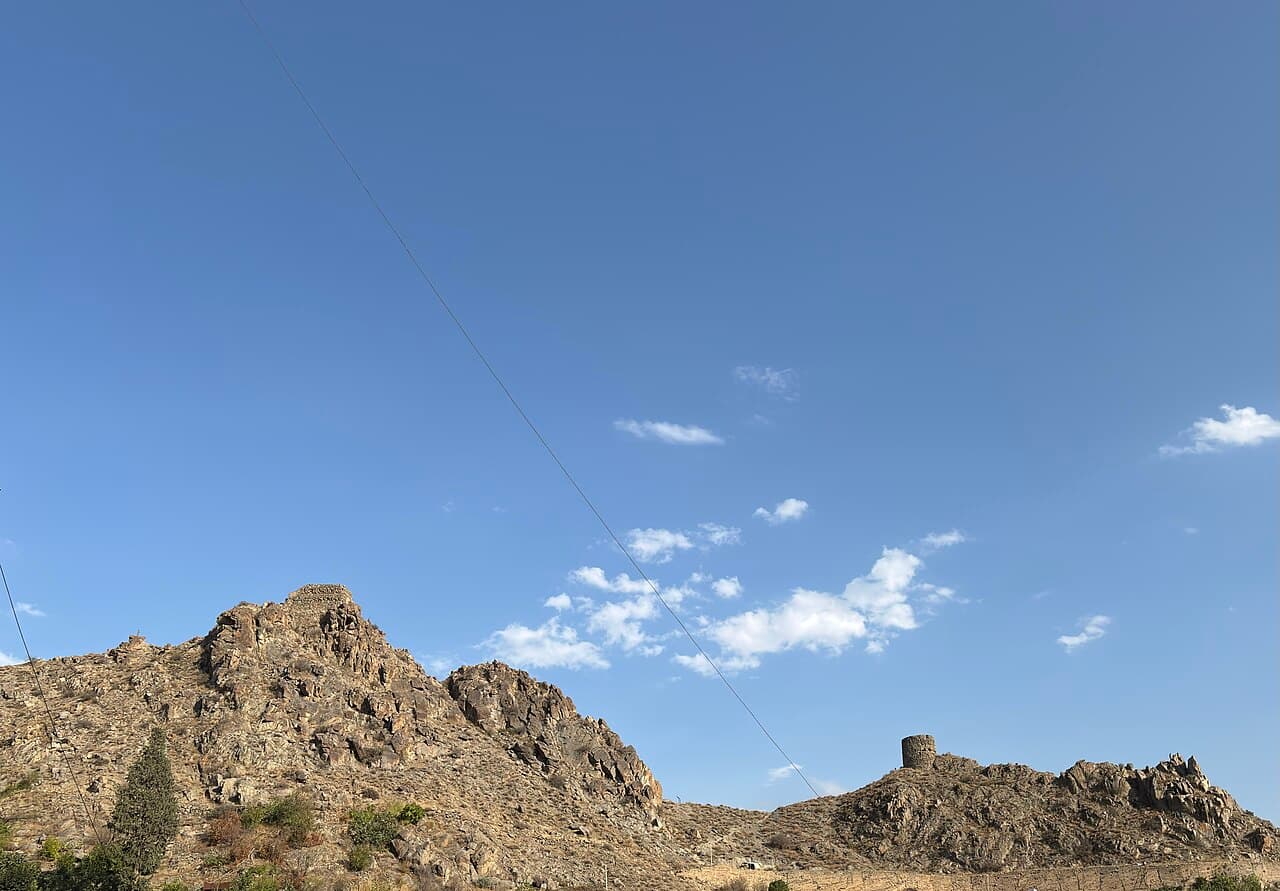
Meghri Fortress (Armenian: Մեղրու բերդ) is a prominent 11th-century bastioned fortress situated in the town of Meghri, Armenia. Perched on a strategic hill overlooking the old section of the town from the north, the fortress exemplifies medieval military architecture designed to defend the region during the High Medieval period.

Historical context and significance

Constructed in the 11th century, Meghri Fortress played a crucial role in the defense of the southern borders of the medieval Armenian Kingdom. This period was marked by frequent conflicts and invasions, necessitating the construction of robust fortifications. The fortress's location on elevated terrain allowed for excellent surveillance of the surrounding area, enabling early detection of approaching enemies.

Meghri itself, as a town, has historically been a significant settlement due to its position near trade routes connecting Armenia with Persia and other neighboring regions. The fortress thus not only served military purposes but also helped secure important commercial pathways.

Architectural features and design

Meghri Fortress is classified as a bastioned fortress, a style characterized by projecting bastions that provide defensive fire coverage along the walls. This form of fortification was advanced for its time, allowing defenders to cover blind spots and repel attackers more effectively.

The fortress's walls are constructed from local stone, with thick ramparts designed to withstand siege weaponry. The bastions are strategically positioned to cover all approaches, creating overlapping fields of fire. The entrance to the fortress was likely heavily fortified, possibly featuring a gatehouse and defensive towers to control access.

Inside the fortress, there would have been various structures including barracks, armories, and storage rooms to support a garrison. Though detailed records of the internal layout are limited, the fortress's design reflects typical Armenian military architecture of the High Medieval period, blending functionality with the rugged terrain.

Defensive elements

The fortress's walls are punctuated by loopholes and embrasures for archers and crossbowmen. The bastions allowed defenders to deliver flanking fire against attackers attempting to scale the walls. The elevated position further enhanced the fortress's defensive capabilities, making direct assaults costly for enemies.

Current condition and preservation

Today, Meghri Fortress remains a partially preserved historical monument. While some sections of the walls and bastions survive, others have deteriorated due to centuries of exposure to the elements and lack of continuous maintenance. Restoration efforts have been limited but are important for preserving this cultural heritage site.

The fortress is accessible to visitors interested in Armenian medieval history and military architecture. Its hilltop location offers panoramic views of Meghri and the surrounding landscape, providing insight into the strategic considerations behind its placement.

Visiting Meghri fortress

Visitors to Meghri can explore the ruins of the fortress, appreciating its defensive structures and the commanding views it offers. The site is an important cultural landmark in southern Armenia and contributes to understanding the region's historical military architecture.

While facilities at the site may be minimal, the fortress's historical significance and scenic location make it a worthwhile destination for history enthusiasts and those interested in Armenian heritage.

Nearby attractions

Meghri town itself offers a glimpse into traditional Armenian life and culture. Nearby natural landscapes, including the Meghri River and surrounding mountains, provide opportunities for hiking and exploration.

Architectural legacy

Meghri Fortress stands as a testament to the military engineering skills of medieval Armenian builders. Its bastioned design influenced subsequent fortifications in the region and reflects the adaptation of European military architectural concepts to local conditions during the High Medieval period.

The fortress's enduring presence highlights the importance of fortified structures in securing Armenia's borders and protecting its communities through turbulent historical periods.

Frequently asked questions (FAQ)

How do I get to Meghri Fortress?
Meghri Fortress is located in Meghri, Armenia, and can be accessed by road. If you're traveling from Yerevan, it's approximately a 5-6 hour drive south, offering scenic views along the way. Local transport options, such as buses or taxis, are also available to reach the fortress.
What is the historical significance of Meghri Fortress?
Meghri Fortress dates back to the medieval period and played a crucial role in the defense of the region against invasions. It is believed to have been built during the 5th century and has witnessed various historical events, making it a significant cultural landmark in Armenia. The fortress also reflects the architectural styles of its time.
When was Meghri Fortress built?
The exact date of construction is not definitively known, but Meghri Fortress is thought to have been established in the 5th century. Over the years, it has undergone various renovations and restorations, adapting to the changing needs of its inhabitants. This long history contributes to its charm and significance.
Can I enter Meghri Fortress?
Yes, visitors are welcome to explore Meghri Fortress. There are no strict entry restrictions, allowing you to wander through its ancient walls and enjoy the panoramic views of the surrounding landscape. However, it's advisable to respect the site's historical integrity while visiting.
Why is Meghri Fortress a popular tourist attraction?
Meghri Fortress attracts visitors due to its rich history and stunning architecture, as well as its breathtaking views of the Meghri mountains and the Aras River valley. The fortress offers a glimpse into Armenia's medieval past, making it a perfect spot for history enthusiasts and photographers alike. Its serene location also provides a peaceful escape into nature.
Is it possible to visit Meghri Fortress year-round?
Yes, Meghri Fortress is open for visitors year-round, although accessibility may vary with weather conditions, especially in winter. The best time to visit is during the spring and fall when the weather is mild, and the surrounding landscapes are most vibrant. Summer can be hot, while winter may bring snow, adding a unique charm to the fortress.
What are the opening hours for Meghri Fortress?
Meghri Fortress does not have formal opening hours, as it is an outdoor site accessible at any time of the day. However, it's recommended to visit during daylight hours for the best experience and safety. Planning your visit earlier in the day allows you to enjoy the fortress with fewer crowds.
What are some nearby attractions to Meghri Fortress?
In addition to Meghri Fortress, visitors can explore the nearby ancient city of Agarak and the picturesque landscapes of the Meghri region. The stunning Aras River and the surrounding mountains offer excellent hiking opportunities. Local cultural sites, including traditional Armenian churches, are also worth visiting in the area.
What are the ticket prices for Meghri Fortress?
There is no official ticket price for entering Meghri Fortress, as it is an open historical site. Visitors can enjoy free access, making it an affordable destination for those exploring the region. However, donations to help preserve the site are always appreciated.

Photo gallery

Meghri Fortress
Click to view

Photo by Well-read MountainMan•CC BY-SA 4.0

1 photo • Click any image to view in full screen

Information

Bastioned Fortress

Loading map...

Visitor reviews

No reviews yet. Been here? Write the first review and help other travelers!

Write the first review

Visited this castle? Share your experience

Your review helps other travelers and adds first-hand knowledge to our encyclopedia.
Write a review

(5/5)

0/2000 characters

Your review will be visible after admin approval

Nearby castles

34.9 km
Baghaberd — Armenia castle

Baghaberd

, Armenia

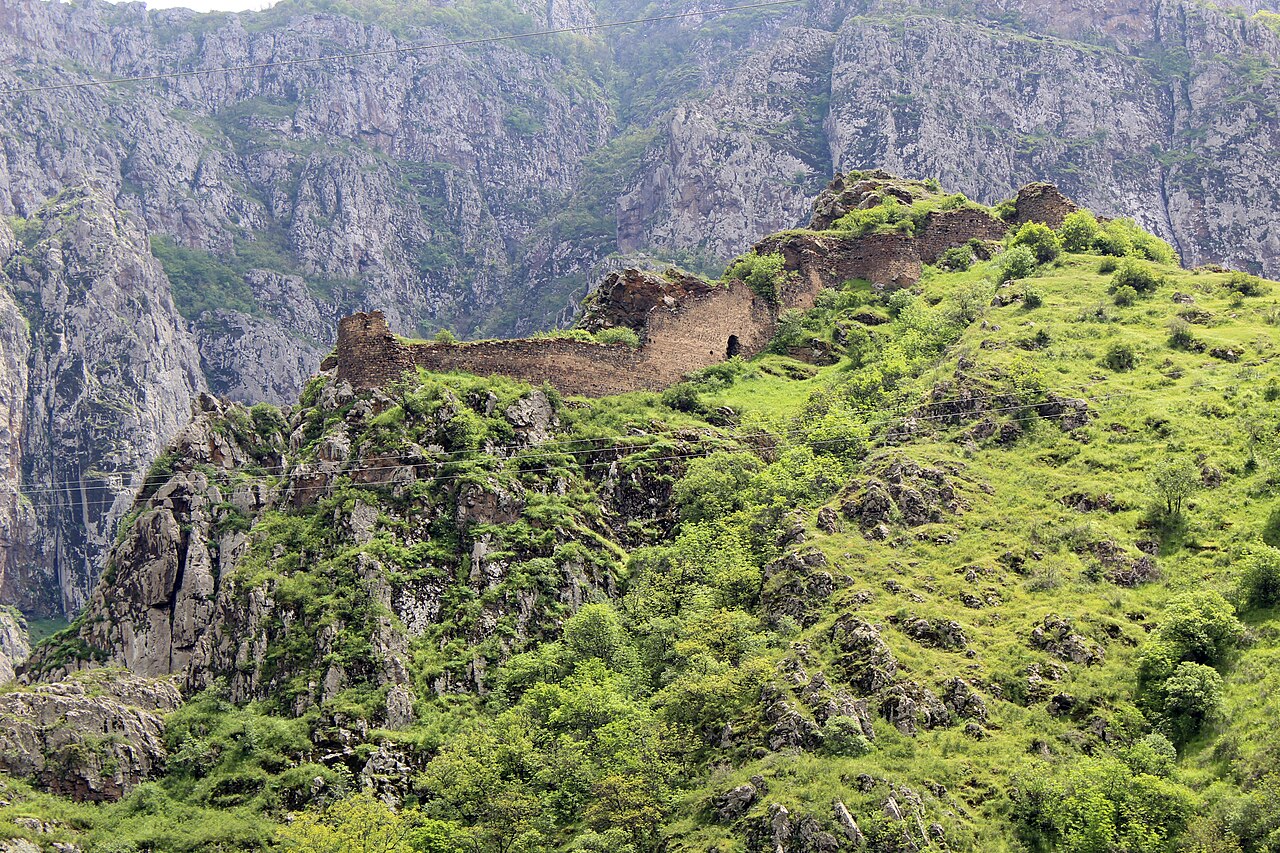
Baghaberd fortress is a significant early medieval hill castle located in the Syunik region of modern-day Armenia, near the village of Andokavan. Constructed in the 4th century, it served as a formidable military stronghold throughout the history of the Kingdom of Syunik until its capture in 1170. The fortress was a crucial component of the military-strategic defense system protecting the capital city of Kapan, the heart of the kingdom during the period from 970 to 1170. Its strategic location atop a hill provided commanding views of the surrounding terrain, making it nearly impregnable and a vital bastion against invasions. Historical significance and strategic role Baghaberd played a central role in the defense network of the Syunik province, one of the key regions of Greater Armenia. The fortress is referenced by multiple historical figures and chroniclers, including Shapuh Bagratuni in the 9th century, Hovhannes Draskhanakerttsi in the 10th century, and several 13th-century historians such as Vardan Areveltsi, Mkhitar Ayrivanetsi, and Stepanos Orbelian. These sources highlight Baghaberd’s importance as a military and administrative center. Throughout its history, the fortress withstood numerous sieges and served as a refuge for the local population during times of conflict. Its capture in 1170 marked a significant turning point in the region’s political landscape, coinciding with the decline of the Kingdom of Syunik and the rise of new powers in the South Caucasus. Architectural features and layout As a hill castle, Baghaberd’s architecture was designed to maximize natural defensive advantages. The fortress is situated on a rocky outcrop, surrounded by steep cliffs on several sides, which naturally limited access and made direct assaults difficult. The walls were constructed with local stone, featuring thick ramparts and battlements that provided protection for defenders. The fortress complex included multiple defensive layers, such as curtain walls, towers, and fortified gates. The design incorporated watchtowers positioned to provide overlapping fields of vision, enabling early detection of approaching enemies. Inside the walls, there were residential quarters, armories, and storage facilities to sustain prolonged sieges. Defensive innovations Baghaberd’s builders took advantage of the natural terrain to enhance its defenses, integrating the rocky landscape into the fortress walls. The use of steep slopes and funneled attackers into vulnerable positions. Additionally, the fortress likely featured moats or ditches carved into the rock to further deter enemy advances. Cultural and historical context The fortress’s role as a military stronghold was intertwined with the political and cultural identity of the Kingdom of Syunik. During the medieval period, Syunik was a semi-independent Armenian principality that maintained its autonomy amid larger regional empires. Baghaberd symbolized the resilience and strategic acumen of the Syunik rulers. Its historical mentions across centuries by Armenian historians underscore its enduring importance. The fortress also served as a center for local governance and a symbol of authority in the region. Current condition and preservation Today, Baghaberd stands as partially preserved ruins that attract historians, archaeologists, and visitors interested in Armenia’s medieval heritage. The fortress’s remains include sections of the original walls, towers, and foundations, offering valuable insights into early medieval Armenian military architecture. Preservation efforts focus on stabilizing the ruins and facilitating access for educational and tourism purposes. The site’s location in the Syunik region makes it accessible for visitors exploring Armenia’s rich historical landscape. Visiting Baghaberd fortress Visitors to Baghaberd can explore the rugged terrain and witness the impressive remnants of this 4th-century fortress. The site offers panoramic views of the surrounding valleys and mountains, providing a tangible connection to Armenia’s medieval past. Due to its hilltop position, reaching the fortress requires a moderate hike, and visitors are advised to wear suitable footwear and prepare for uneven paths. The site is open year-round, with the best visiting seasons being late spring through early autumn when weather conditions are favorable.

Early Medieval (5th–10th c.)
Details
35.4 km
Jushin Castle — Iran castle

Jushin Castle

, Iran

Jushin Castle (Persian: قلعه جوشین) is a significant historical fortress situated in Varzaqan County within the East Azerbaijan Province of Iran. This hill castle is notable for its origins tracing back to the Sasanian Empire, reflecting the architectural and military strategies of that era. Positioned strategically on elevated terrain, the castle was designed to oversee and control the surrounding region, a common characteristic of defensive structures from the period. Historical context and significance The Sasanian Empire (224–651 AD) was known for its extensive fortification efforts across its territories, and Jushin Castle is a testament to their military architecture. The castle's longevity indicates its importance as a defensive stronghold during a time of frequent conflicts and territorial disputes. Its location in East Azerbaijan places it within a historically contested borderland, where Persian and neighboring powers often clashed. Architectural features and construction Jushin Castle exemplifies the typical hill castle construction, utilizing the natural topography to enhance its defensive capabilities. The fortress likely includes robust stone walls and battlements designed to repel invaders and provide vantage points for surveillance. Although detailed architectural surveys are limited, the castle's remnants suggest a complex layout with multiple defensive layers. Defensive structures The castle's elevated position would have been complemented by thick walls and possibly towers or bastions to monitor approaching enemies. The use of natural rock formations integrated into the castle's design would have added to its resilience against siege tactics common in the late antique period. Materials and techniques Construction materials likely included locally sourced stone and mortar, typical of Sasanian military architecture. The craftsmanship would have reflected the empire's advanced engineering skills, aimed at creating durable and imposing fortifications. Role in regional history Throughout its history, Jushin Castle served as a military bastion controlling key routes in the mountainous terrain of East Azerbaijan. Its strategic importance would have extended into the Islamic period, where such fortresses continued to play roles in regional defense and administration. Later periods While the castle's primary construction dates to the Sasanian period, it is possible that it underwent modifications or repairs during subsequent Islamic dynasties, adapting to evolving military technologies and political needs. Current condition and preservation Today, Jushin Castle stands as a partially preserved ruin, with many of its original structures eroded or collapsed over centuries. The site offers valuable insights into early medieval military architecture in Iran and continues to attract interest from historians and archaeologists. Access and archaeological research Access to the site is subject to local conditions, and archaeological efforts have been limited but crucial in documenting the castle's layout and historical context. Preservation efforts aim to protect the remaining structures from further deterioration.

Early Medieval (5th–10th c.)
Details
36.5 km
Halidzor Fortress — Armenia castle

Halidzor Fortress

Kapan, Armenia

Halidzor Fortress is a significant historical stronghold located in the Syunik Province of Armenia, near the town of Kapan. Positioned strategically on a hill overlooking the Voghji River, the fortress stands at an elevation of 1,051 metres (3,448 feet) above sea level. This elevated location provided a commanding view of the surrounding landscape, making it an ideal defensive position during its time of use. Historical background and strategic importance The fortress dates back to the 17th century, a period marked by frequent conflicts and shifting powers in the region. It was constructed during the post-medieval era when Armenian territories faced invasions and internal unrest. Halidzor Fortress played a crucial role in the defense system of Syunik, serving as a military stronghold against invading forces. Its location near Kapan, a key settlement in Syunik, highlights its importance in controlling regional trade routes and protecting local communities. The fortress was part of a network of fortifications designed to secure the area from Ottoman and Persian incursions during the turbulent centuries of the early modern period. Architectural features and layout Halidzor Fortress is classified as a hill castle, built primarily on elevated terrain to maximize defensive advantages. The ruins reveal a complex structure adapted to the contours of the hill, with thick defensive walls constructed from local stone. The fortress included multiple defensive elements such as battlements, towers, and fortified gates, although much of these features are now in ruins. Despite its ruined state, archaeological studies have uncovered remnants of the fortress's internal layout, including the remains of living quarters, storage rooms, and possibly a chapel or religious structure. The design reflects typical Armenian military architecture of the period, emphasizing strong fortifications combined with functional spaces for garrisoned troops. Role in regional conflicts and legends Halidzor Fortress is notably linked to the resistance efforts of local Armenian forces against Ottoman and Persian armies. It is famously associated with the defense led by the Armenian military commander David Bek in the early 18th century. Bek used Halidzor as a base for guerrilla warfare and organized resistance, making it a symbol of Armenian resilience during this era. The fortress's history is intertwined with tales of sieges and battles, where its defenders withstood prolonged attacks despite limited resources. These events have contributed to the fortress's cultural significance and its place in Armenian national heritage. Current condition and preservation efforts Today, Halidzor Fortress exists as ruins, with only parts of its walls and foundations still visible. The site is an important archaeological and tourist destination, attracting visitors interested in Armenian history and medieval military architecture. Preservation efforts focus on stabilizing the remaining structures and promoting awareness of the fortress's historical value. Access to the site is available from Kapan, making it a feasible day trip for tourists exploring the Syunik region. Interpretive signage and guided tours help visitors understand the fortress's historical context and architectural features. Geographical and cultural context Located in the mountainous terrain of southern Armenia, Halidzor Fortress benefits from the natural defensive advantages offered by its hilltop position. The surrounding landscape includes rugged hills and river valleys, which historically served both as barriers and routes for movement during military campaigns. The fortress contributes to the rich cultural tapestry of the Syunik Province, an area known for its historical sites, monasteries, and fortifications. It complements other nearby landmarks, providing insight into the region's strategic importance over several centuries.

Post-Renaissance (17th–18th c.)
Details