Jushin Castle
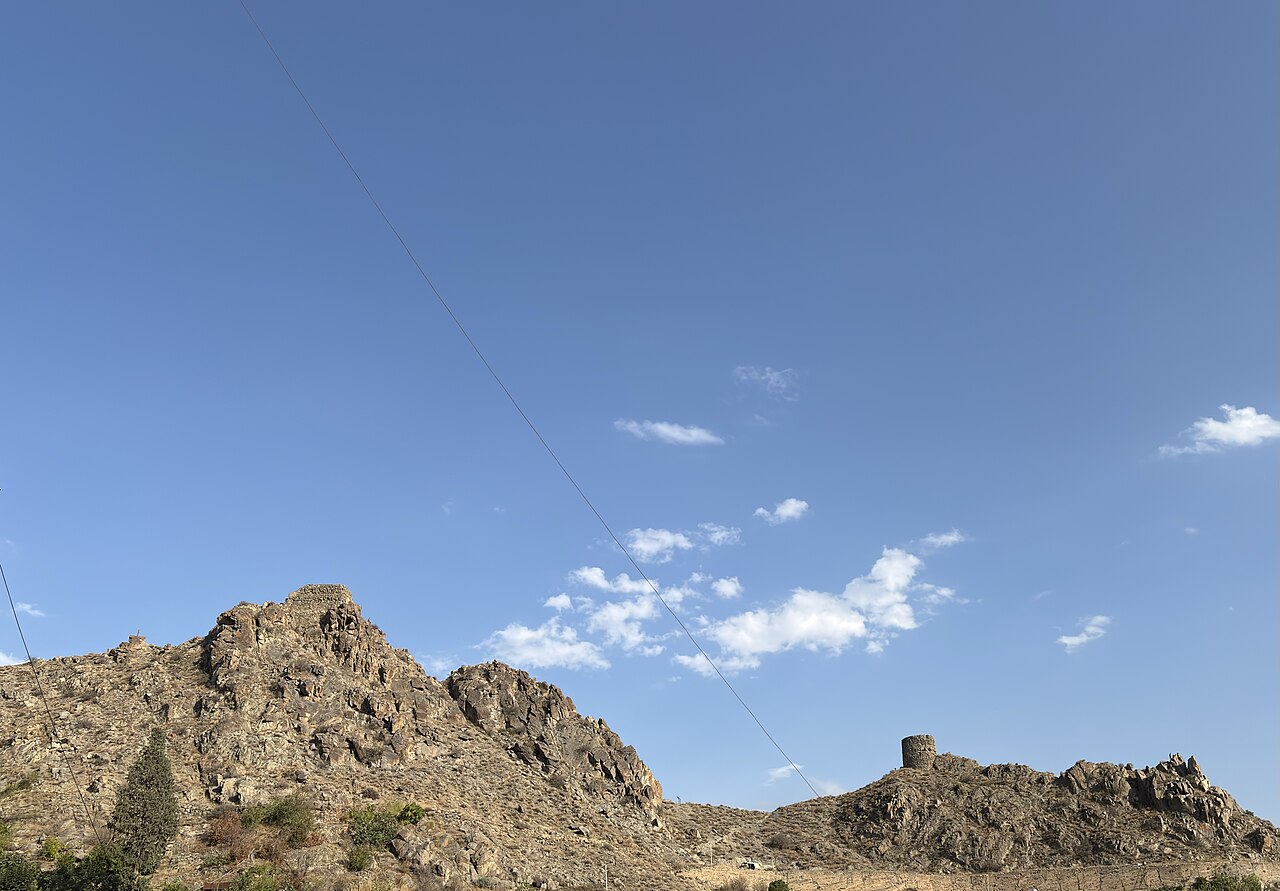
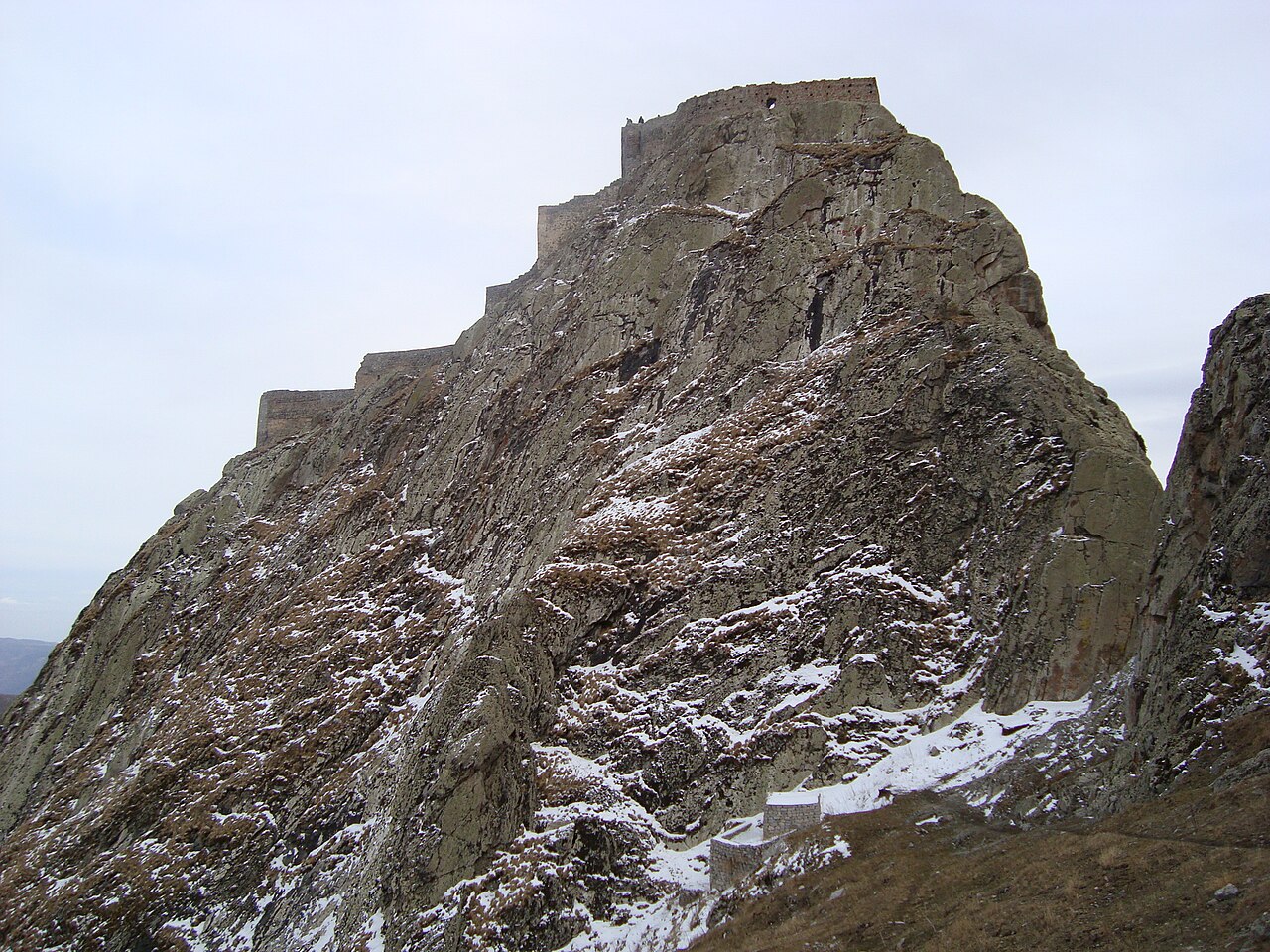
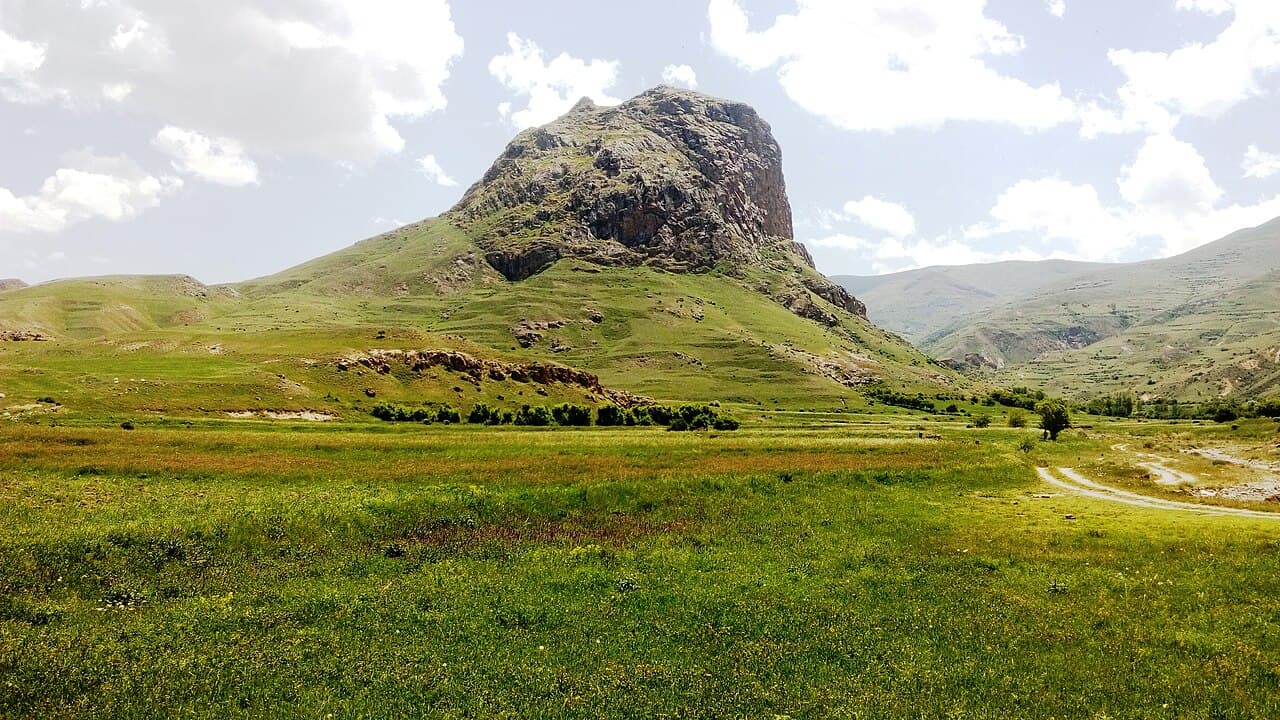
Jushin Castle (Persian: قلعه جوشین) is a significant historical fortress situated in Varzaqan County within the East Azerbaijan Province of Iran. This hill castle is notable for its origins tracing back to the Sasanian Empire, reflecting the architectural and military strategies of that era. Positioned strategically on elevated terrain, the castle was designed to oversee and control the surrounding region, a common characteristic of defensive structures from the period.
Historical context and significance
The Sasanian Empire (224–651 AD) was known for its extensive fortification efforts across its territories, and Jushin Castle is a testament to their military architecture. The castle's longevity indicates its importance as a defensive stronghold during a time of frequent conflicts and territorial disputes. Its location in East Azerbaijan places it within a historically contested borderland, where Persian and neighboring powers often clashed.
Architectural features and construction
Jushin Castle exemplifies the typical hill castle construction, utilizing the natural topography to enhance its defensive capabilities. The fortress likely includes robust stone walls and battlements designed to repel invaders and provide vantage points for surveillance. Although detailed architectural surveys are limited, the castle's remnants suggest a complex layout with multiple defensive layers.
Defensive structures
The castle's elevated position would have been complemented by thick walls and possibly towers or bastions to monitor approaching enemies. The use of natural rock formations integrated into the castle's design would have added to its resilience against siege tactics common in the late antique period.
Materials and techniques
Construction materials likely included locally sourced stone and mortar, typical of Sasanian military architecture. The craftsmanship would have reflected the empire's advanced engineering skills, aimed at creating durable and imposing fortifications.
Role in regional history
Throughout its history, Jushin Castle served as a military bastion controlling key routes in the mountainous terrain of East Azerbaijan. Its strategic importance would have extended into the Islamic period, where such fortresses continued to play roles in regional defense and administration.
Later periods
While the castle's primary construction dates to the Sasanian period, it is possible that it underwent modifications or repairs during subsequent Islamic dynasties, adapting to evolving military technologies and political needs.
Current condition and preservation
Today, Jushin Castle stands as a partially preserved ruin, with many of its original structures eroded or collapsed over centuries. The site offers valuable insights into early medieval military architecture in Iran and continues to attract interest from historians and archaeologists.
Access and archaeological research
Access to the site is subject to local conditions, and archaeological efforts have been limited but crucial in documenting the castle's layout and historical context. Preservation efforts aim to protect the remaining structures from further deterioration.
Frequently asked questions (FAQ)
- What is the historical significance of Jushin Castle?
- Jushin Castle dates back to the Sasanian Empire and served as a strategic military fortress in East Azerbaijan, Iran, controlling key routes and regional defense.
- Can visitors access Jushin Castle today?
- The castle is a partially preserved ruin. Access depends on local conditions, and visitors should check with local authorities for current visiting possibilities.
- What architectural features characterize Jushin Castle?
- As a hill castle, Jushin Castle features stone walls, battlements, and a strategic elevated position typical of Sasanian military architecture designed for defense and surveillance.
Photo gallery

Information
Loading map...
Visitor reviews
No reviews yet. Been here? Write the first review and help other travelers!
Write the first reviewVisited this castle? Share your experience
Your review helps other travelers and adds first-hand knowledge to our encyclopedia.