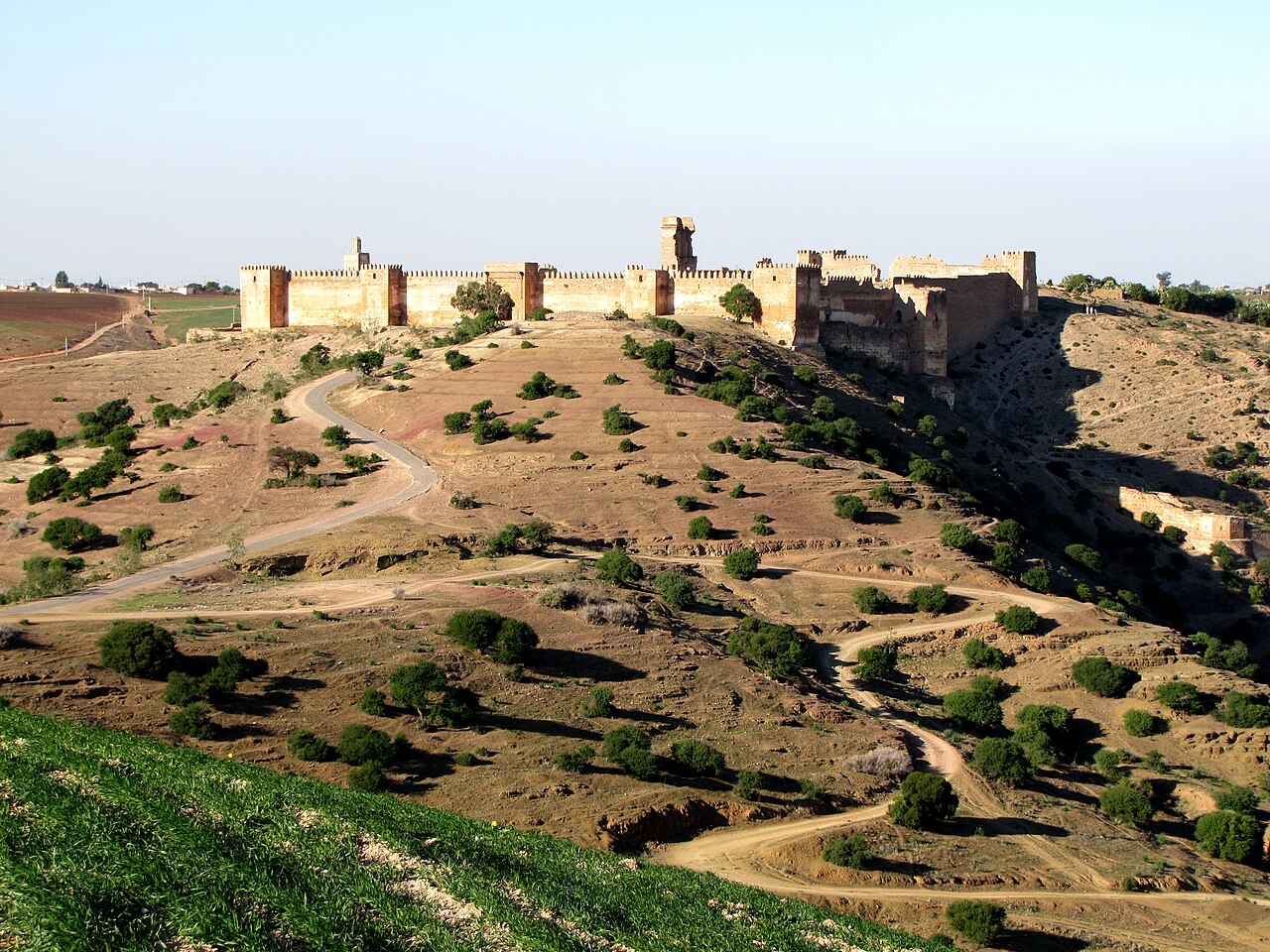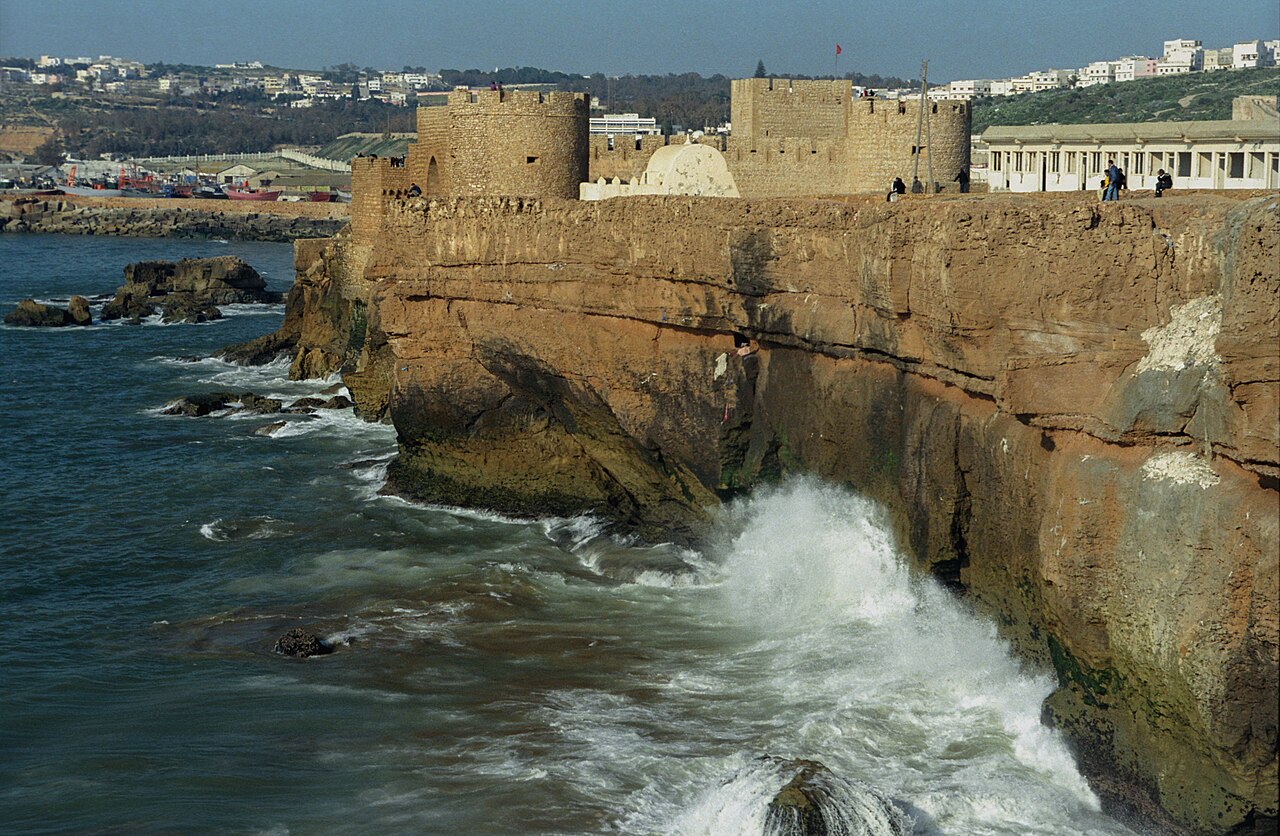
Mazagan Fortress is a significant 16th-century Renaissance hill castle located on the Atlantic coast of Morocco. Constructed by the Portuguese during their period of expansion along the Moroccan coast, the fortress was originally built to secure strategic maritime routes and protect colonial interests. It stands as a notable example of Renaissance military architecture adapted to the North African environment.
Historical background and strategic importance
The construction of Mazagan began in the early 1500s when the Portuguese sought to strengthen their presence in Morocco. The fortress was part of a network of coastal fortifications designed to control trade and military movements along the Atlantic seaboard. Its location on a hill provided a commanding view of the surrounding area, enabling early detection of approaching ships and potential invaders.
Throughout the 16th century, Mazagan played a vital role in the Portuguese defense system against local Moroccan forces and rival European powers. The fortress witnessed several conflicts and sieges as control of the region shifted between European and Moroccan rulers. Eventually, the fortress was handed over to the Moroccan Sultanate, marking the end of Portuguese colonial control.
Architectural features and design
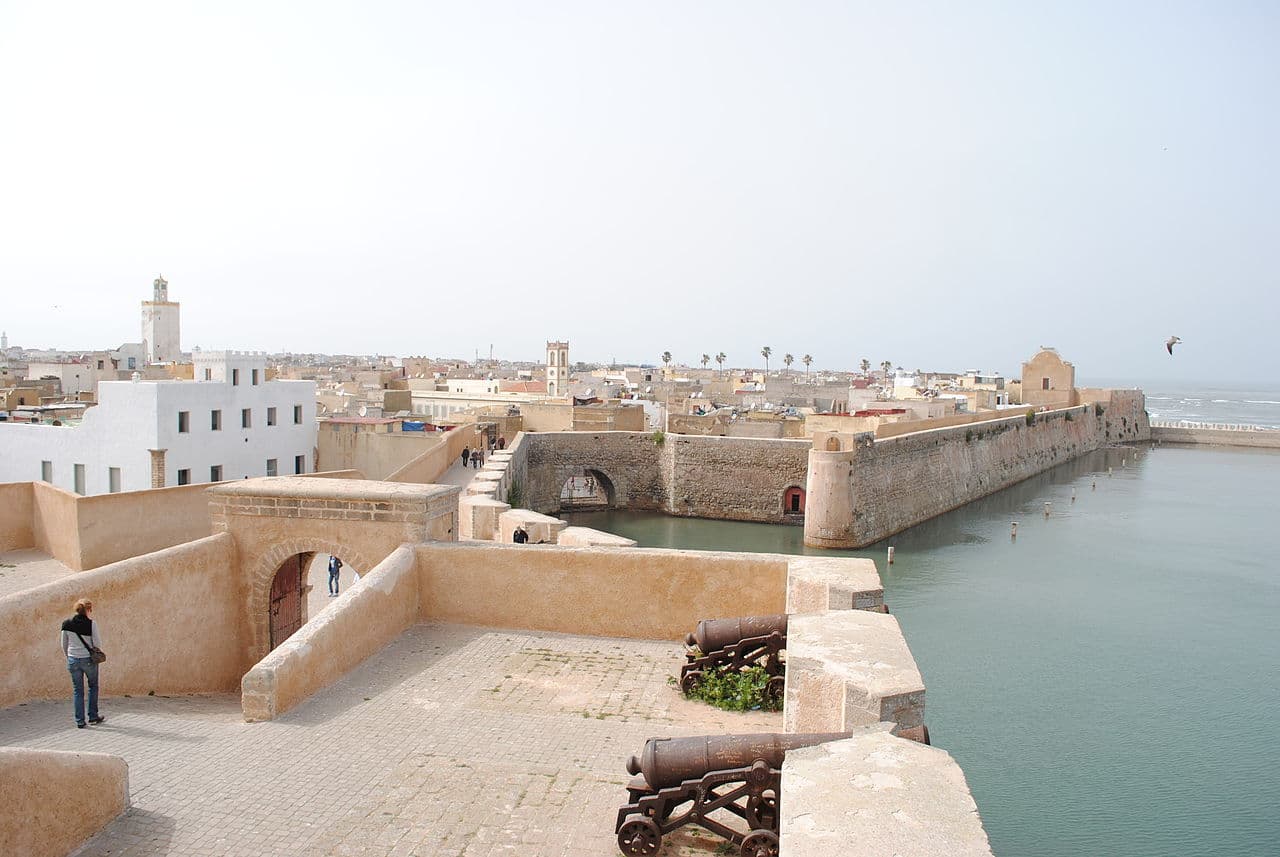
Mazagan Fortress exhibits typical characteristics of Renaissance fortifications, including thick stone walls, angled bastions, and a complex system of defensive structures designed to withstand artillery bombardment. The fortress's layout follows the principles of early modern military engineering, emphasizing both defense and the ability to mount counterattacks.
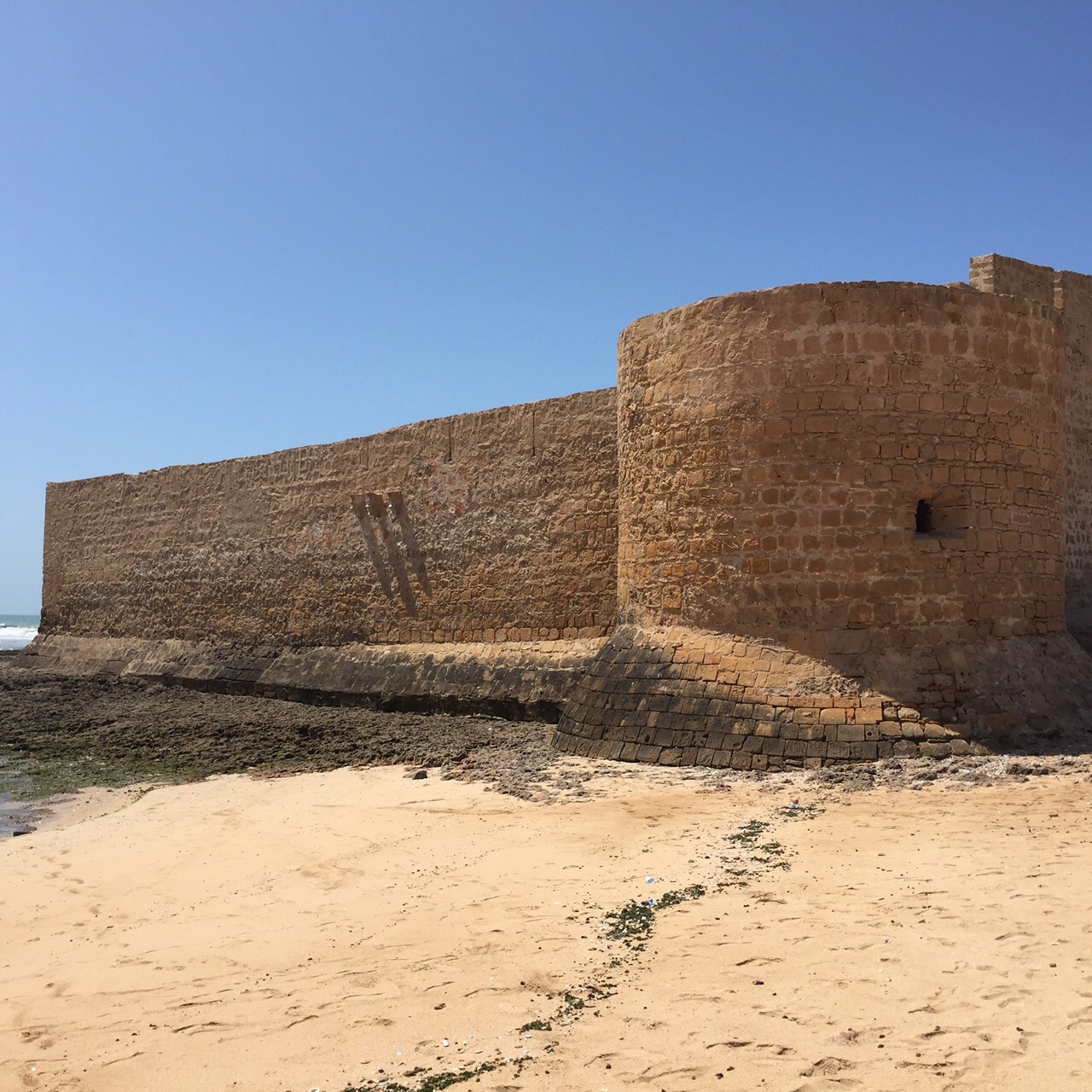
The fortress includes several key elements such as bastions, curtain walls, ramparts, and a moat. The bastions are positioned to provide overlapping fields of fire, minimizing blind spots and enhancing the fortress's defensive capabilities. The walls are constructed from local stone, reflecting the adaptation of European design to regional materials and conditions.
Inside the fortress, there were quarters for soldiers, storage rooms for ammunition and supplies, and command posts. The design also incorporated provisions for water supply and food storage, enabling defenders to withstand prolonged sieges.
Adaptations to local environment
The fortress's construction took into account the coastal climate and terrain. The use of durable stone materials helped resist erosion from salty sea air and harsh weather. The hilltop position not only offered strategic military advantages but also mitigated flooding risks common in coastal areas.
Cultural significance and current status
Mazagan Fortress is an important cultural heritage site in Morocco, representing the period of Portuguese influence and the broader history of European colonial ventures in North Africa. It reflects the exchange of architectural and military knowledge between Europe and Morocco during the Renaissance.
Today, the fortress remains well-preserved in parts, although some sections have suffered from natural decay and lack of maintenance. It attracts historians, architects, and tourists interested in military history and Renaissance architecture. Conservation efforts aim to protect the site and promote its historical value.
Visitor information
Visitors to Mazagan can explore the fortress's extensive walls, bastions, and internal buildings. The site offers panoramic views of the Atlantic Ocean and surrounding landscape. Guided tours often highlight the fortress's architectural features and historical context.
Frequently asked questions (FAQ)
- What is the historical significance of Mazagan Castle?
- Mazagan Castle, built in the 16th century by the Portuguese, is a UNESCO World Heritage site that showcases the blend of European and Moroccan architectural styles. It played a crucial role in maritime trade and military defense during its time, reflecting the history of colonial influence in North Africa.
- When was Mazagan Castle built?
- Construction of Mazagan Castle began in 1514 and was completed in 1541. The castle served as a strategic fortification to protect the Portuguese interests in the region and has since become a symbol of the historical interactions between different cultures.
- Can I visit Mazagan Castle?
- Yes, visitors can explore Mazagan Castle and its impressive ruins. Guided tours are available, providing insights into its rich history and architecture, making it a great destination for history enthusiasts.
- What are the opening hours of Mazagan Castle?
- Mazagan Castle is typically open to visitors from 9 AM to 5 PM daily. However, it is advisable to check for any seasonal changes or special closures before planning your visit.
- Is it possible to access Mazagan Castle by public transport?
- Yes, Mazagan Castle is accessible by public transport, with various local buses connecting to the nearby town of El Jadida. Additionally, taxis and rideshare services are available for a more direct route to the castle.
- What is the best time to visit Mazagan Castle?
- The best time to visit Mazagan Castle is during the spring (March to May) and fall (September to November) when the weather is mild and pleasant. These months also tend to be less crowded, allowing for a more enjoyable experience.
- Are there nearby attractions to Mazagan Castle?
- Yes, nearby attractions include the beautiful beaches of El Jadida, the charming old medina, and the Cistern of El Jadida, which is another UNESCO World Heritage site. Exploring these sites can enhance your visit to the area.
- What are the ticket prices for visiting Mazagan Castle?
- Ticket prices for Mazagan Castle are generally affordable, with discounts available for students and seniors. It's best to check the official website or visitor center for the most current pricing information before your visit.
Photo gallery

Information
Loading map...
Visitor reviews
No reviews yet. Been here? Write the first review and help other travelers!
Write the first reviewVisited this castle? Share your experience
Your review helps other travelers and adds first-hand knowledge to our encyclopedia.