Castle Souira Qedima
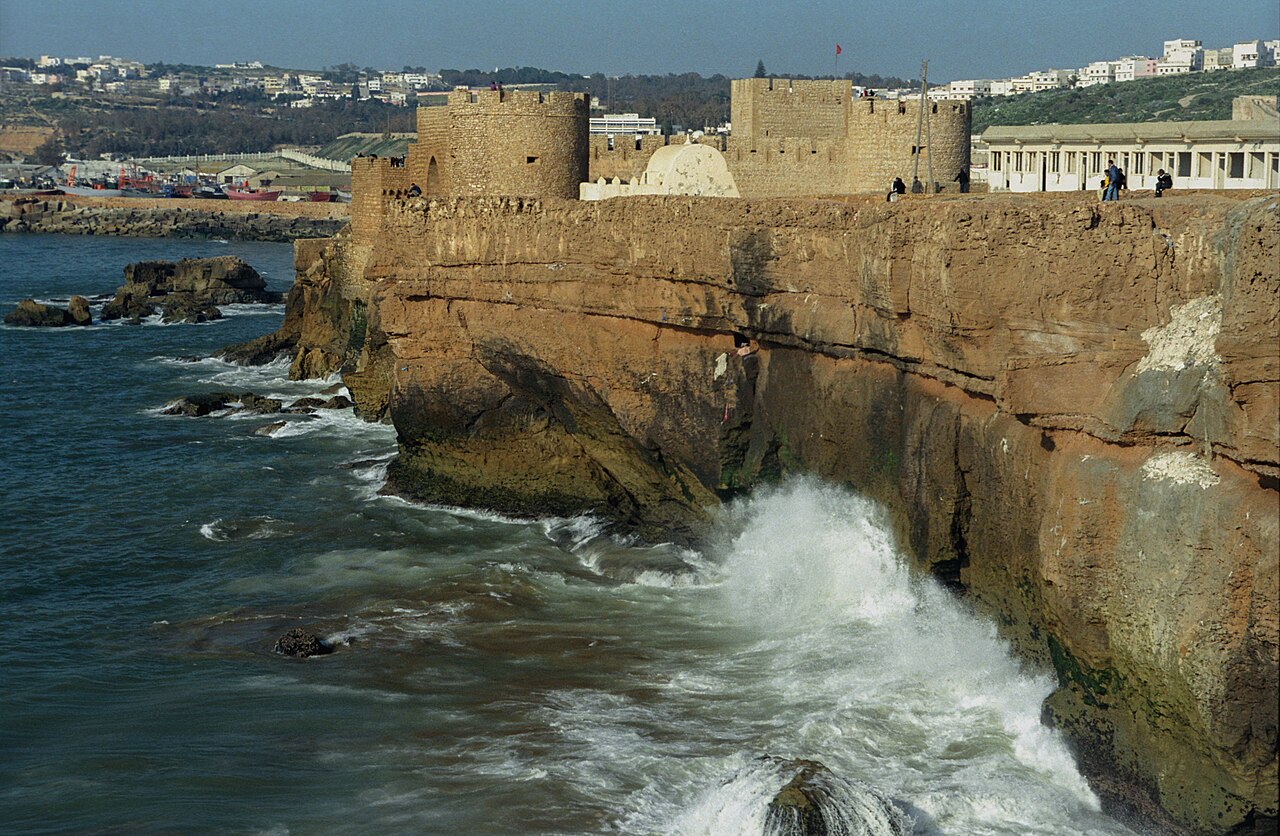
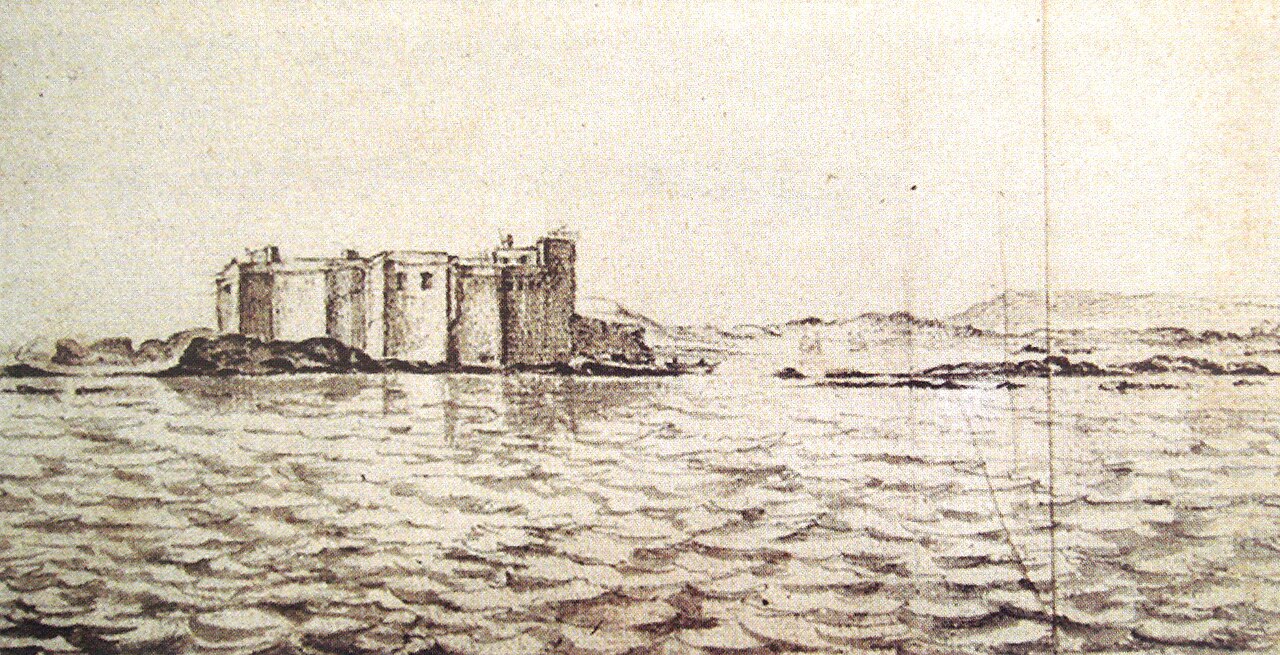
Castle Souira Qedima, also known historically as Aguz, is a significant hill castle located on the Atlantic coast of Morocco. This fortress occupies a strategic position overlooking the ocean, serving as a defensive stronghold and a point of control over maritime routes. The castle's location on a rocky promontory provided natural defenses, which were enhanced by its architectural features.
Historical background and strategic importance
The origins of Castle Souira Qedima trace back to the medieval period, with its foundations likely laid during the high medieval era. The site was historically known as Aguz and functioned as a fortified trading post and military outpost. Its position along the Moroccan coast made it a critical asset for controlling access to the interior regions and monitoring maritime traffic along the Atlantic.
Throughout its history, the castle played a role in various conflicts and power struggles involving local Moroccan dynasties and foreign powers. Its fortifications were adapted over time to meet evolving military needs, reflecting the changing political landscape of the region.
Architectural features and layout
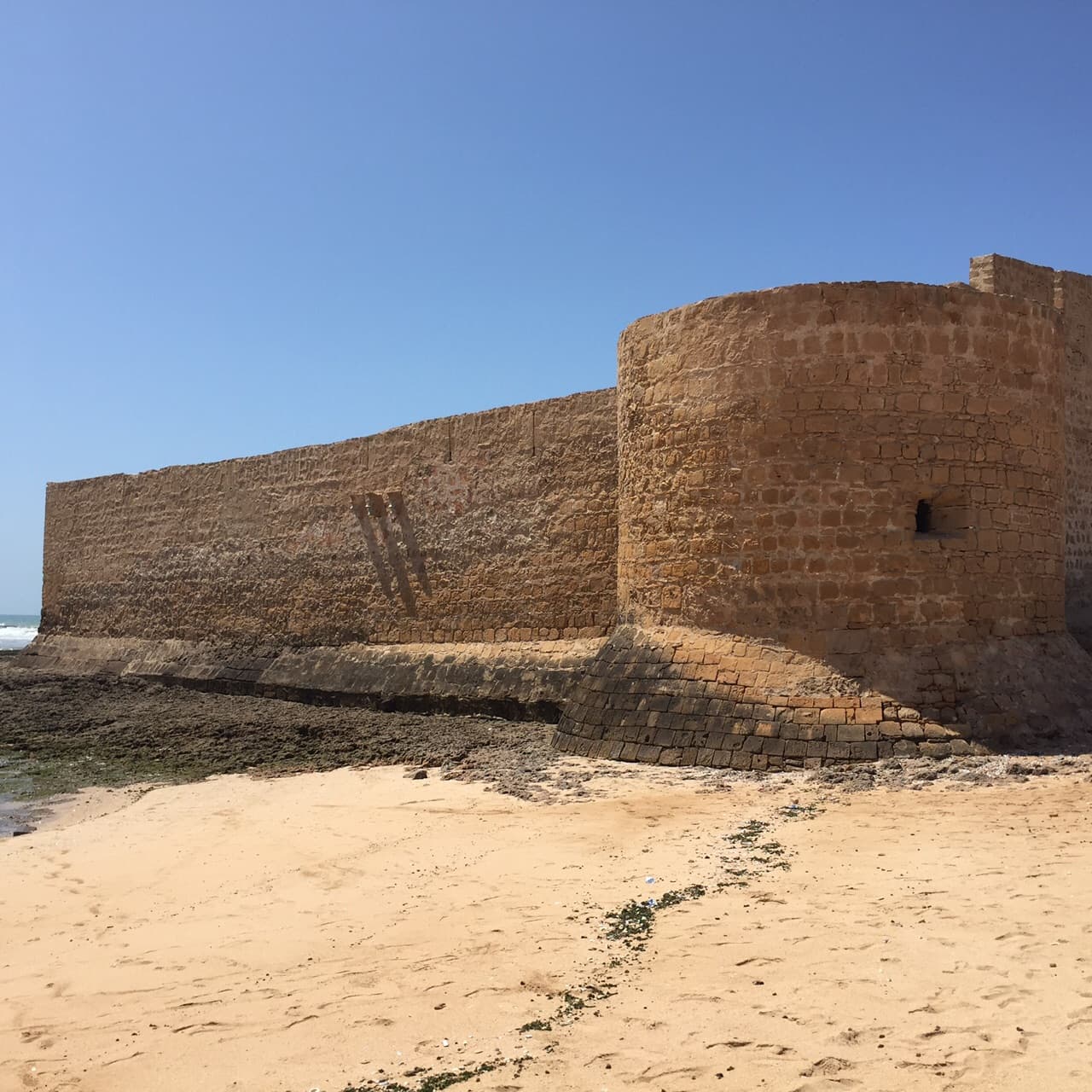
Castle Souira Qedima is characterized by its robust defensive structures typical of a hill castle. The castle's walls are constructed from stone, designed to withstand sieges and attacks from both land and sea. The elevated position allowed defenders to observe approaching enemies from a distance and provided a tactical advantage in combat.
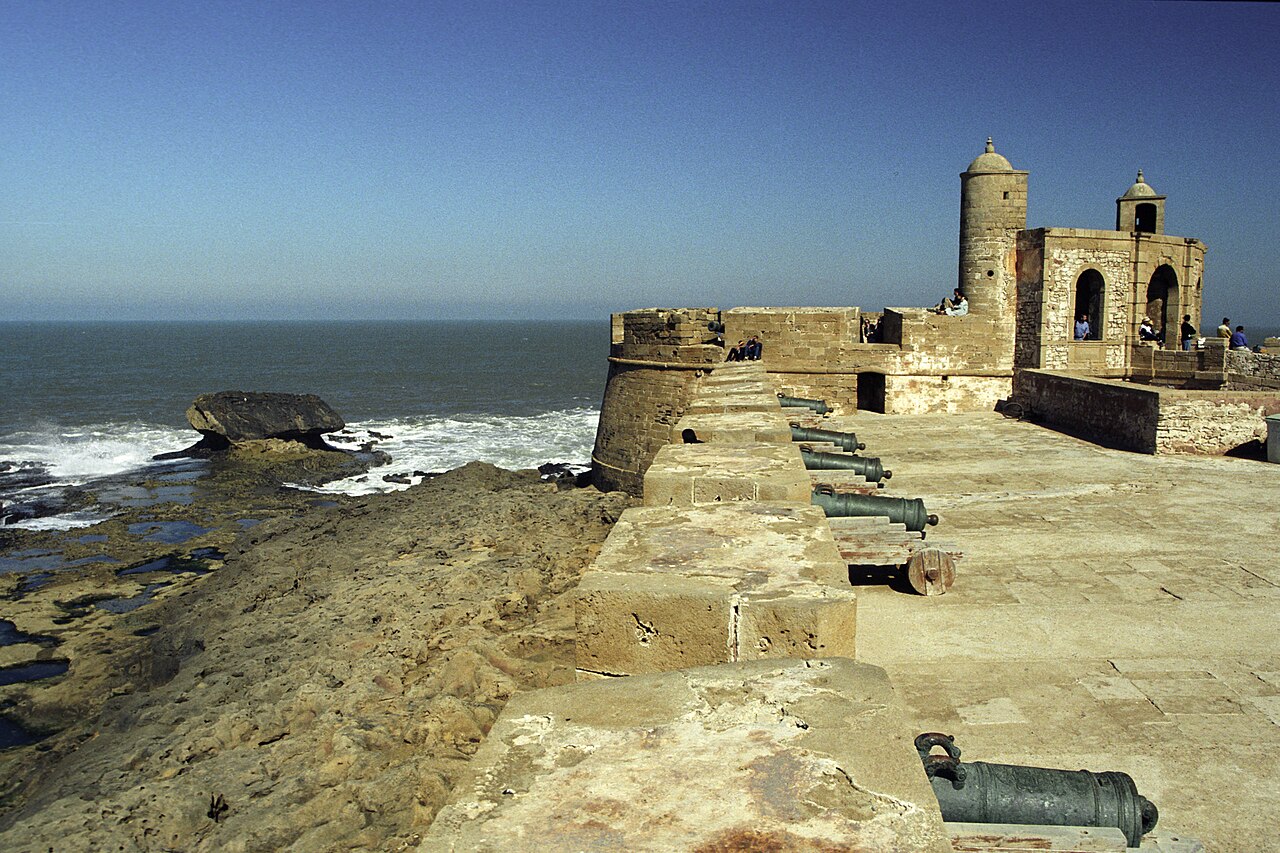
The castle complex includes remnants of towers and battlements that once formed a continuous defensive perimeter. These features enabled archers and soldiers to defend the castle effectively. The entrance was likely fortified with a gatehouse and possibly a drawbridge, common defensive elements in medieval fortifications.
Within the walls, there would have been courtyards, residential quarters, and storage areas to support the garrison stationed at the castle. Although much of the structure is now in ruins, archaeological evidence suggests a well-planned layout optimized for defense and habitation.
Cultural significance and preservation
Today, Castle Souira Qedima stands as an important archaeological site that offers insight into the medieval military architecture of Morocco. It reflects the historical interactions between local Moroccan powers and external influences, including European maritime interests.
The castle is partially preserved, with sections of its walls and towers still visible. Preservation efforts focus on maintaining the site as a cultural heritage landmark, attracting scholars and visitors interested in Morocco's medieval past.
Visiting castle souira qedima
Visitors to Castle Souira Qedima can explore the ruins and enjoy panoramic views of the Atlantic Ocean. The castle's hilltop location provides a unique perspective on the coastal landscape and the historical significance of the site. Access to the castle may require a short hike due to its elevated position.
The site offers an opportunity to learn about medieval fortifications in North Africa and the role of coastal castles in regional defense and trade. Nearby towns provide amenities and additional historical attractions, enriching the visitor experience.
Frequently asked questions (FAQ)
- What is the historical significance of Castle Souira Qedima?
- Castle Souira Qedima, historically known as Aguz, served as a strategic coastal fortress in medieval Morocco, controlling maritime routes and local trade.
- Can I visit Castle Souira Qedima today?
- Yes, the castle is partially preserved and open to visitors who can explore the ruins and enjoy views of the Atlantic coast. Access may involve a short hike due to its hilltop location.
- What architectural features are notable at Castle Souira Qedima?
- The castle features stone defensive walls, remnants of towers and battlements, and a layout typical of hill castles designed for strategic defense.
- When was Castle Souira Qedima built?
- The castle dates back to the high medieval period, though exact construction dates are uncertain.
- Is Castle Souira Qedima accessible for people with limited mobility?
- Due to its elevated hilltop position and uneven terrain, accessibility may be challenging for visitors with limited mobility.
Photo gallery

Information
Loading map...
Visitor reviews
No reviews yet. Been here? Write the first review and help other travelers!
Write the first reviewVisited this castle? Share your experience
Your review helps other travelers and adds first-hand knowledge to our encyclopedia.