Komoro Castle
Komoro Castle is a historically significant hill castle located in Komoro, Japan, with origins dating back to the Sengoku Period. Founded in 1554 by the renowned warlord Takeda Shingen, the castle was strategically established on the grounds of two earlier fortifications, Otome Castle and Nabebuta Castle. This location was chosen to help administer the important Eastern Shinshu region, a key area during the turbulent times of feudal Japan.
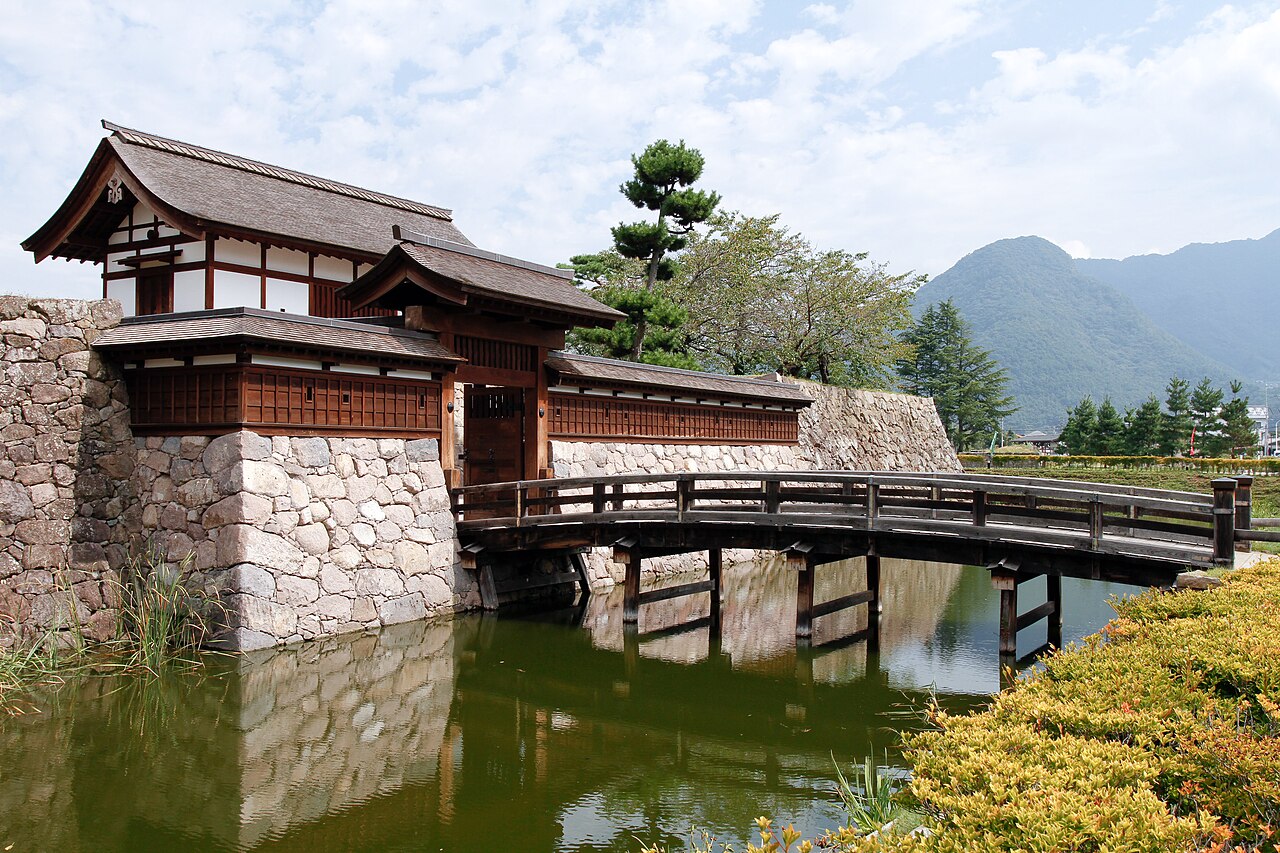
The castle's construction reflects the military and administrative needs of the period, combining natural topography with man-made defenses typical of hill castles in Japan. The castle complex was expanded and enhanced under the rule of Sengoku Hidehisa, who became lord in 1590. His son, Tadamasa, further developed the castle, contributing to its defensive and residential structures. Notably, the Otemon gate, which survives today as an Important Cultural Property, and the foundational remains of the tenshu (main keep) date from this period of expansion.
Architectural features and layout
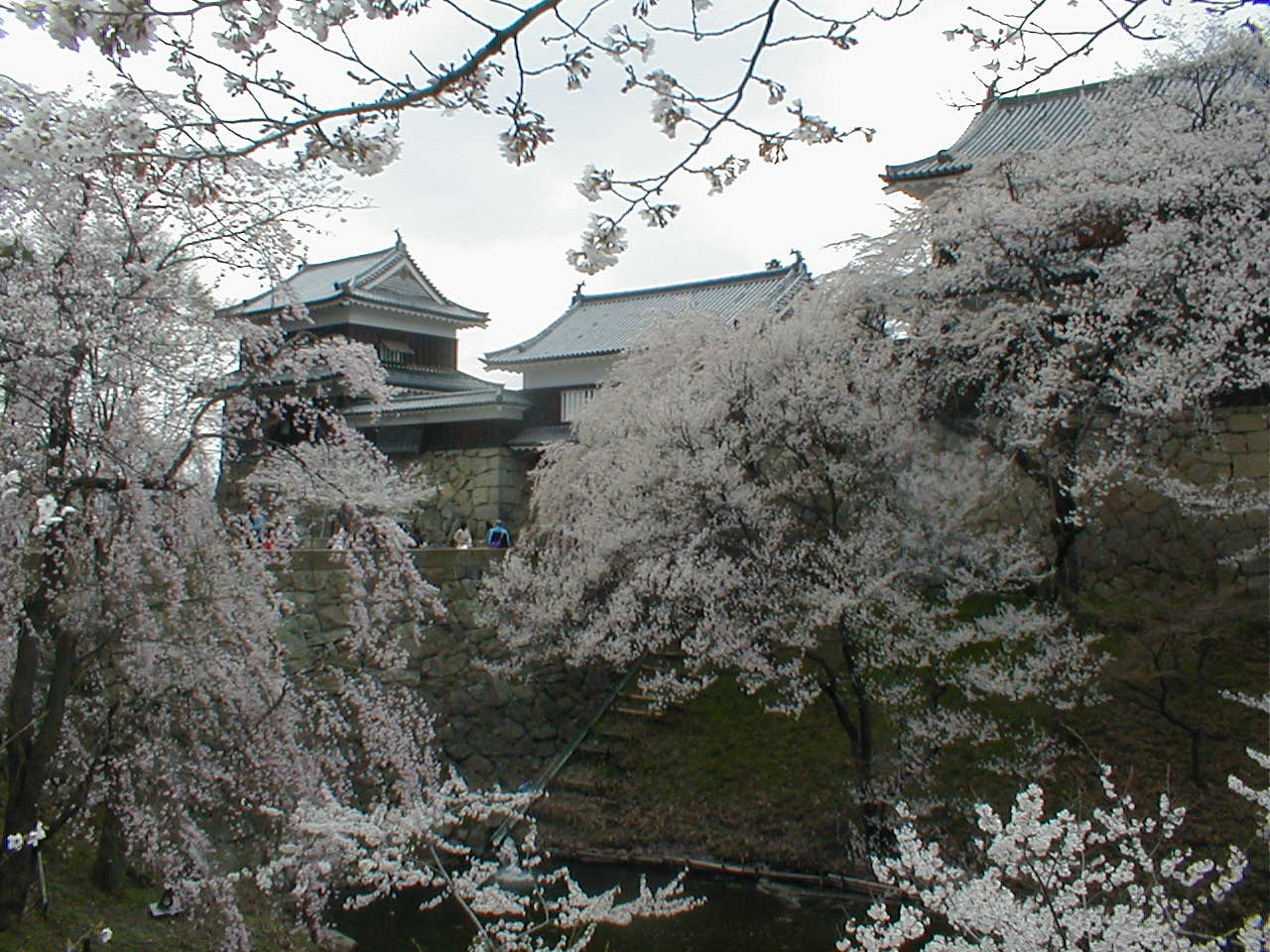
Komoro Castle is distinguished by its adaptation to the natural hill terrain, utilizing steep slopes and natural barriers to enhance defense. The castle's design includes multiple baileys, stone walls, and moats, characteristic of Japanese castles built during the late Sengoku period. The Otemon gate serves as a principal entrance and is an excellent example of period gate architecture, featuring robust wooden construction and traditional joinery techniques.
The castle's tenshu foundation, although no longer supporting the original keep, provides valuable insight into the scale and design of the main tower, which was a symbol of authority and a final defensive stronghold. Surrounding structures likely included residential quarters, storehouses, and administrative buildings, arranged to facilitate both defense and governance.
Defensive elements
The castle's position on a hill afforded natural defensive advantages, supplemented by man-made fortifications such as stone walls and moats. The layout was designed to slow and expose attacking forces, with narrow pathways and strategically placed gates. The preservation of the Otemon gate allows visitors to appreciate the craftsmanship and defensive considerations of the era.
Historical significance and ownership
Komoro Castle played a vital role during the Sengoku Period, a time marked by intense military conflict and political upheaval in Japan. Established by Takeda Shingen, one of the era's most powerful daimyos, the castle helped secure Takeda control over the region.
After the Takeda clan's decline, the castle passed to Sengoku Hidehisa, a general under Toyotomi Hideyoshi, who governed the castle from 1590. His son, Sengoku Tadamasa, continued to enhance the castle's structure and importance. Through these transitions, Komoro Castle remained a significant military and administrative center in the region.
Post-sengoku developments
Following the Sengoku Period, the castle's military importance waned as Japan entered the peaceful Edo Period. Parts of the castle were dismantled or fell into disrepair, but key structures like the Otemon gate survived, preserving the castle's legacy. Today, Komoro Castle stands as a cultural heritage site, reflecting the architectural and historical narratives of feudal Japan.
Visitor experience and preservation
The castle grounds are partially preserved, offering visitors a glimpse into its historical layout and architectural features. The Otemon gate is accessible and located opposite the main park and Sannomon gate, providing a distinct entrance experience.
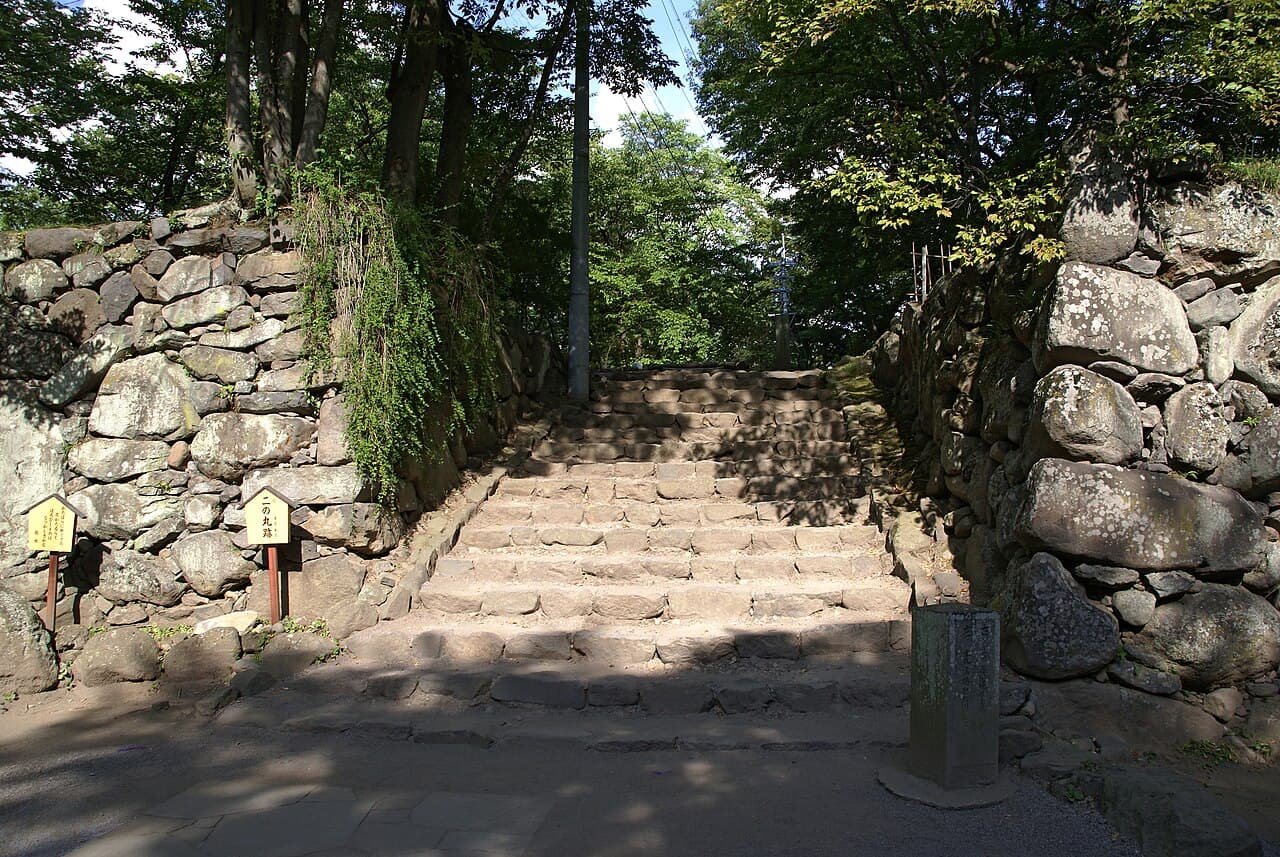
Visitors are encouraged to explore the castle ruins, which include stone foundations and earthworks that outline the former castle's extent. Informational signage and guided tours help contextualize the site's importance and the castle's role in Japan's feudal history.
Komoro Castle is an important cultural asset, with ongoing efforts to maintain and preserve its remaining structures. Its location in Komoro city makes it an accessible destination for those interested in Japanese history, castle architecture, and the Sengoku era.
Practical information for visitors
- Location: Komoro, Nagano Prefecture, Japan
- Access: The Otemon gate is near Komoro Station, but on the opposite side from the main park and Sannomon gate.
- Condition: Partially preserved ruins with accessible gates and foundations
- Visiting hours and ticket prices: Typically open during daylight hours with free access, but visitors should check local sources for current details.
Frequently asked questions (FAQ)
- How do I get to Komoro Castle?
- Komoro Castle is located in Komoro city, Nagano Prefecture. The Otemon gate is near Komoro Station but on the opposite side from the main park and Sannomon gate. Visitors can reach the castle easily by train and a short walk.
- What is the historical significance of Komoro Castle?
- Komoro Castle was founded by Takeda Shingen in 1554 during the Sengoku Period to control Eastern Shinshu. It later came under the rule of Sengoku Hidehisa and his son Tadamasa, playing a key role in regional administration and defense.
- Can I visit the Otemon gate?
- Yes, the Otemon gate is preserved as an Important Cultural Property and is accessible to visitors. It is located opposite the main park and Sannomon gate, offering a unique perspective on the castle's architecture.
- What remains of Komoro Castle today?
- Today, Komoro Castle is partially preserved with key structures like the Otemon gate and the tenshu foundation intact. Visitors can explore the ruins, including stone walls and earthworks that outline the original castle layout.
- When is the best time to visit Komoro Castle?
- The castle grounds are best visited during the spring and autumn when the weather is pleasant, and the surrounding landscape enhances the historical atmosphere of the site.
Photo gallery

Information
Sources & official resources
Verify the information above using these authoritative references.
Loading map...
Visitor reviews
No reviews yet. Been here? Write the first review and help other travelers!
Write the first reviewVisited this castle? Share your experience
Your review helps other travelers and adds first-hand knowledge to our encyclopedia.