Matara Star Fort
The Matara Star Fort (Sinhala: මාතර තාරකා කොටුව Mathara Tharaka Kotuwa; Tamil: விண்மீன் கோட்டை, romanized: Viṇmīṉ Kōṭṭai) is a distinctive bastioned fortress located in Matara, Sri Lanka, on the eastern bank of the Nilwala River. It stands approximately 350 metres (1,150 ft) from the gate of the larger Matara Fort, highlighting its strategic importance in the colonial defense system during the 18th century. Constructed in 1765 by the Dutch East India Company, the fort was originally named Redoute Van Eck, reflecting its European origins and military purpose.
Historical background and strategic role
The Matara Star Fort was built during the post-Renaissance period, a time when European powers were consolidating their control over maritime trade routes and colonial territories in Asia. The Dutch, having wrested control of coastal Sri Lanka from the Portuguese, sought to strengthen their defensive network. The fort's location on the Nilwala River allowed control over riverine access and provided a defensive position protecting the nearby Matara Fort, which itself had a longer history dating back to the Portuguese construction in 1560.
The Portuguese Matara Fort was substantially rebuilt by the Dutch in 1640 after their capture of the region, including the important port city of Galle. This larger fortification features a massive stone rampart that separates the Nilwala Ganga lagoon from the ocean, serving as a key coastal defense installation.
Architectural design and features
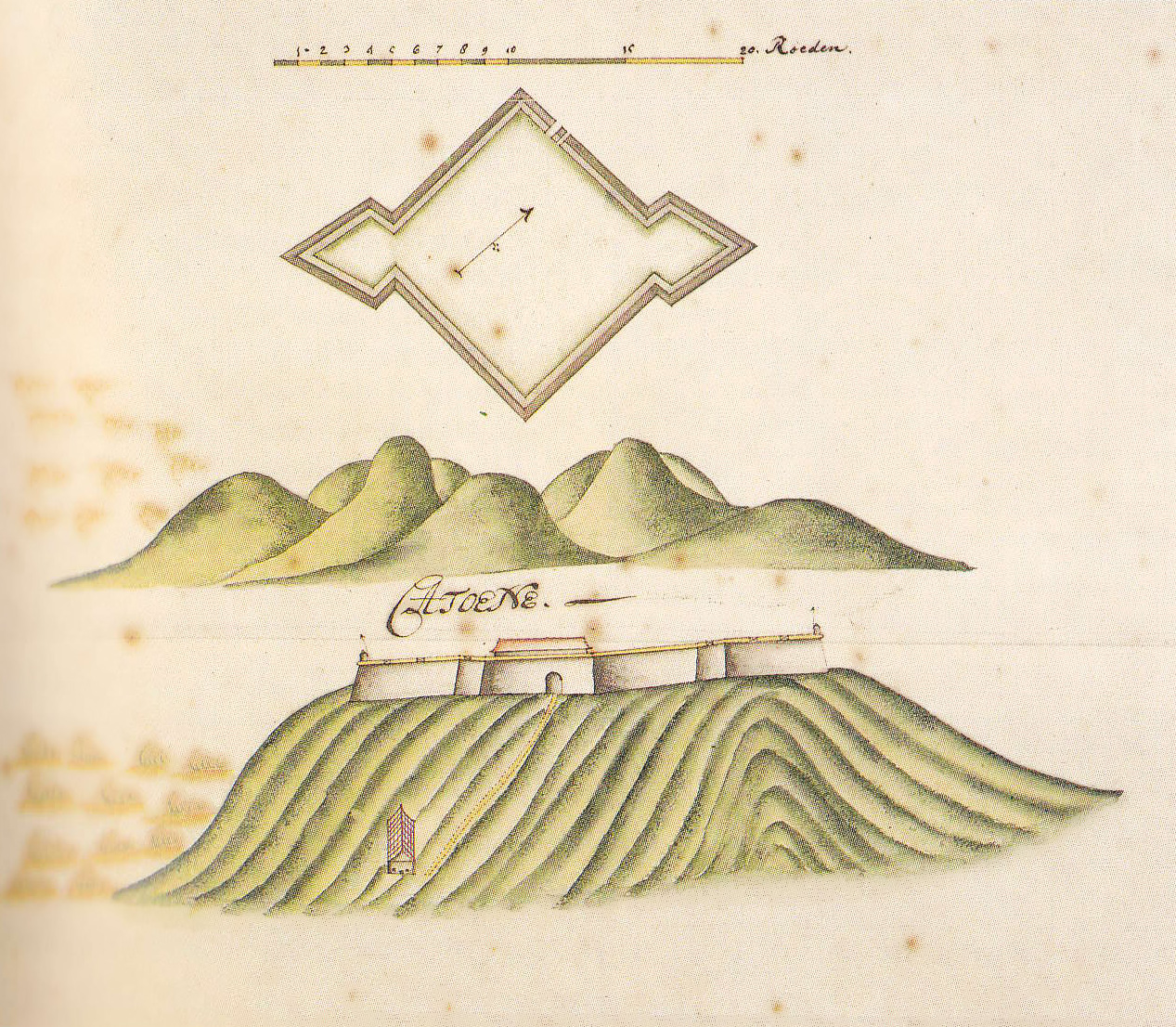
The Star Fort is a classic example of a bastioned fortress, a military architectural style that became prominent in the 17th and 18th centuries. Its design is characterized by a star-shaped layout with angled bastions projecting outward to provide overlapping fields of fire, minimizing blind spots and enhancing defense against artillery and infantry attacks.
The fort's compact size and geometric precision reflect the Dutch expertise in military engineering. Unlike the larger Matara Fort, which is a coastal fortress with thick stone ramparts, the Star Fort was intended as a smaller, more agile redoubt to guard the river approach. Its walls were constructed with local materials and reinforced to withstand cannon fire, while its bastions allowed defenders to cover all approaches effectively.
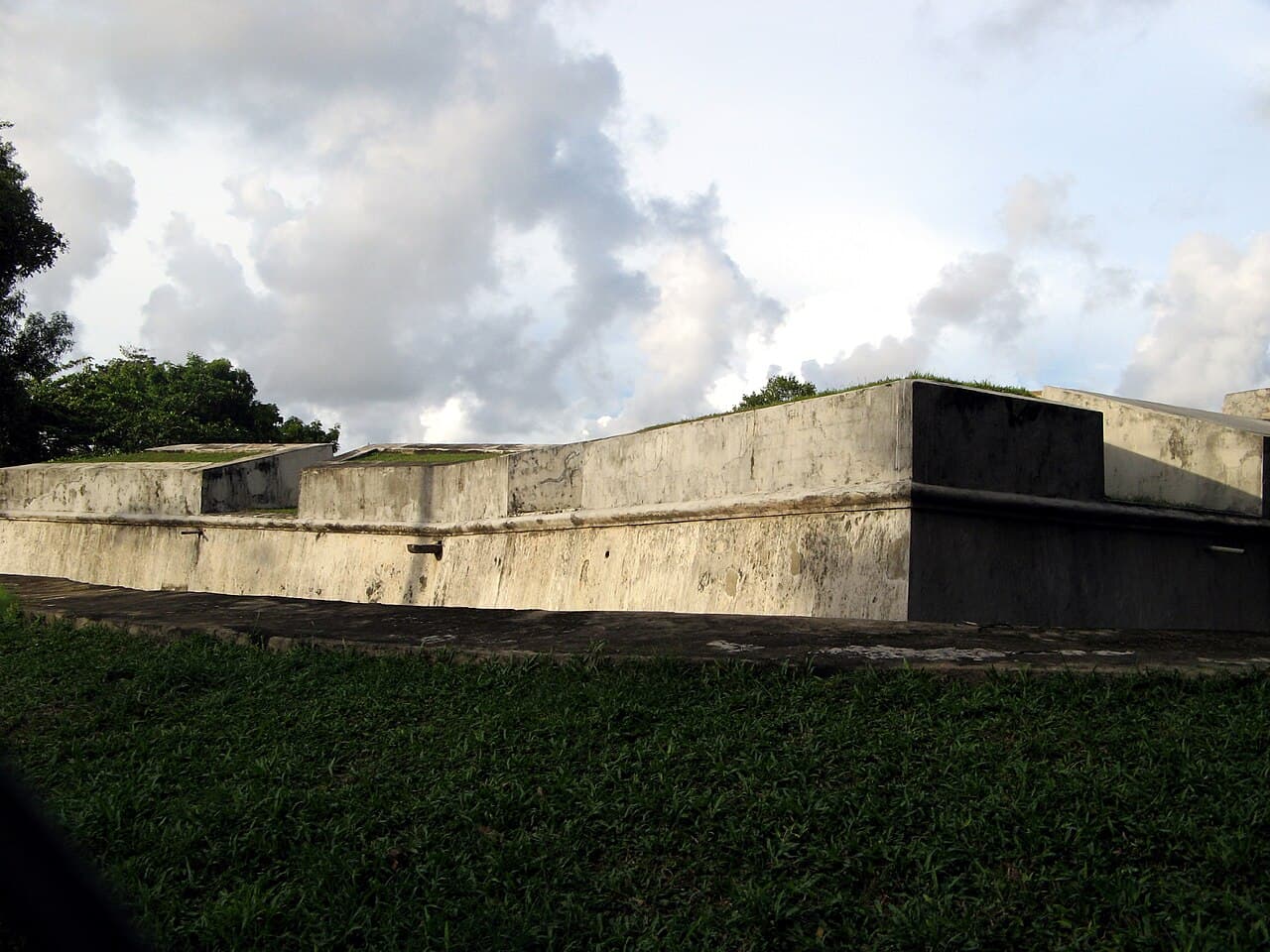
Within the fort, remnants of defensive structures such as ramparts, parapets, and embrasures can still be observed. The fort's layout also includes provisions for garrison quarters and storage, typical of Dutch colonial military installations designed for sustained defense.
Colonial significance and military history
The Matara Star Fort played a crucial role in the Dutch colonial strategy in Sri Lanka, serving as a forward defensive position protecting the economically and strategically vital southern coast. The fort's construction in 1765 came at a time when the Dutch were consolidating their control against local kingdoms and European rivals.
Though the fort did not witness major battles, it was part of a network of fortifications that ensured Dutch dominance over the region's maritime trade. The fort's proximity to the larger Matara Fort allowed coordinated defense and control of river and coastal access, which was essential for maintaining colonial order and protecting trade routes.
Preservation and current status
Today, the Matara Star Fort remains a significant historical and architectural landmark. Its well-preserved bastioned walls and distinctive star shape attract visitors interested in colonial military architecture and Sri Lanka's colonial history. The fort's location near the Nilwala River provides scenic views and a tangible connection to the island's maritime past.
Efforts to maintain and conserve the fort have helped protect its structural integrity, allowing it to serve as a cultural heritage site. Visitors can explore the fort's layout and imagine the strategic military functions it served during the turbulent colonial period.
Relationship with matara fort and local heritage
The Matara Star Fort complements the larger and older Matara Fort, which was originally built by the Portuguese in 1560 and later extensively remodeled by the Dutch in 1640. Together, these forts illustrate the layered colonial history of Sri Lanka, showcasing Portuguese and Dutch military architecture and their adaptations to local geography.
The Matara Fort itself is notable for its massive stone ramparts that separate the Niwala Ganga lagoon from the Indian Ocean, controlling access to the port and surrounding areas. The Star Fort's position on the riverbank provided an additional line of defense, guarding the approach from inland waterways.
Both forts are integral to understanding the colonial military strategy and the cultural landscape of southern Sri Lanka. They remain prominent landmarks within the city of Matara, contributing to the region's historical tourism and educational initiatives.
Frequently asked questions (FAQ)
- What is the historical significance of Matara Star Fort?
- Matara Star Fort, built by the Dutch in the 17th century, is a remarkable example of colonial military architecture in Sri Lanka. It played a crucial role in controlling the coastal trade routes and defending the area against invasions.
- When was Matara Star Fort constructed?
- The fort was constructed in 1660 as part of the Dutch efforts to strengthen their hold on the southern coast of Sri Lanka. Its strategic location made it a key defensive structure during the colonial period.
- What are the opening hours for Matara Star Fort?
- Matara Star Fort is open to visitors daily from 8:00 AM to 5:00 PM. It's advisable to visit earlier in the day to fully enjoy the historical site and its surrounding views.
- Can I enter Matara Star Fort without a ticket?
- Yes, entry to Matara Star Fort is free for all visitors. This makes it an accessible destination for both local and international tourists looking to explore its rich history.
- Is it possible to explore nearby attractions after visiting Matara Star Fort?
- Absolutely! After exploring Matara Star Fort, visitors can easily access nearby attractions such as the Matara Beach and the ancient Weherahena Temple, both of which are just a short drive away.
- What is the best time to visit Matara Star Fort?
- The best time to visit Matara Star Fort is during the dry season, from November to April, when the weather is pleasant and ideal for outdoor exploration. Early mornings or late afternoons are also recommended to avoid the midday heat.
- How do I get to Matara Star Fort?
- Matara Star Fort is conveniently located in the city of Matara, easily accessible by public transportation or private vehicle. Buses and trains frequently connect Matara with major cities like Colombo, making it a straightforward trip for visitors.
- What can I expect from the architecture of Matara Star Fort?
- The architecture of Matara Star Fort showcases a blend of Dutch colonial and local influences, featuring thick stone walls and a star-shaped layout. Visitors can admire its strategic design while enjoying panoramic views of the surrounding area.
Photo gallery

Information
Current owner
Sri Lankan government
Loading map...
Visitor reviews
No reviews yet. Been here? Write the first review and help other travelers!
Write the first reviewVisited this castle? Share your experience
Your review helps other travelers and adds first-hand knowledge to our encyclopedia.