Galle Fort
Galle Fort (Sinhala: ගාලු කොටුව Galu Kotuwa; Tamil: காலிக் கோட்டை, romanized: Kālik Kōṭṭai) is a prominent bastioned fortress located on the southwest coast of Sri Lanka, overlooking the Bay of Galle. Originally constructed in 1588 by the Portuguese, the fort was later extensively rebuilt and fortified by the Dutch from 1649 onwards, reflecting the strategic maritime importance of the region during the Renaissance period. This fortification stands as a remarkable example of the fusion between European military architecture and South Asian traditions, a characteristic that led to its inscription as a UNESCO World Heritage Site under criterion iv.
Historical background and construction phases
The initial construction of Galle Fort was undertaken by the Portuguese as part of their efforts to control the lucrative spice trade routes in the Indian Ocean. The original fortifications were modest, primarily designed to defend against rival colonial powers and local resistance. However, when the Dutch seized control of the area in the mid-17th century, they recognized the fort's strategic value and undertook significant reconstruction to transform it into a robust bastioned fortress.
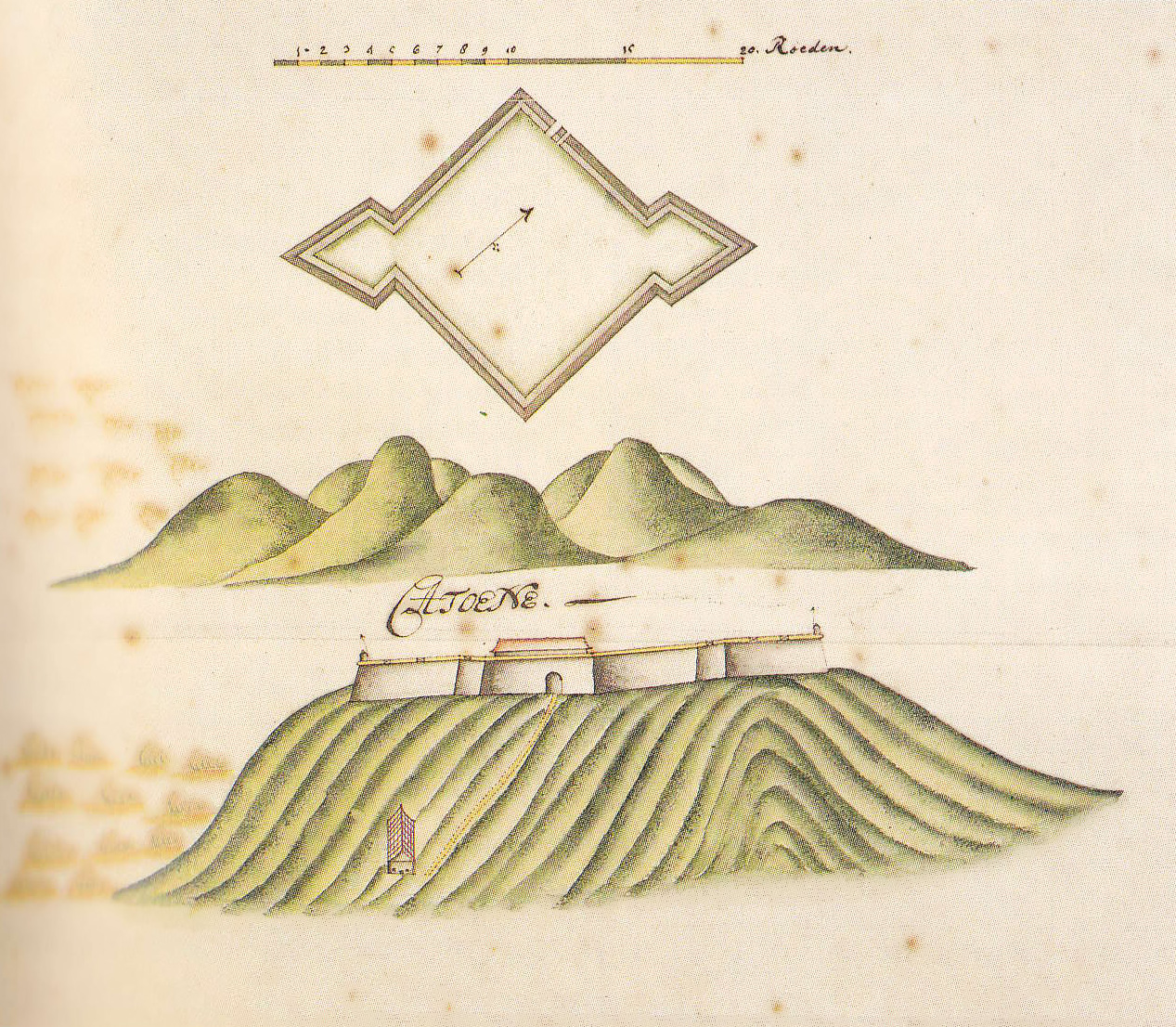
The Dutch enhancements, begun in 1649, included the construction of thick ramparts, bastions, and extensive defensive walls designed to withstand artillery attacks. The fort's layout was adapted to the principles of European bastioned fortification, with angular bastions allowing for crossfire and improved defense. These bastions are named after prominent Dutch figures and reflect the military architectural style prevalent in Europe during the Renaissance.
Architectural features and urban ensemble
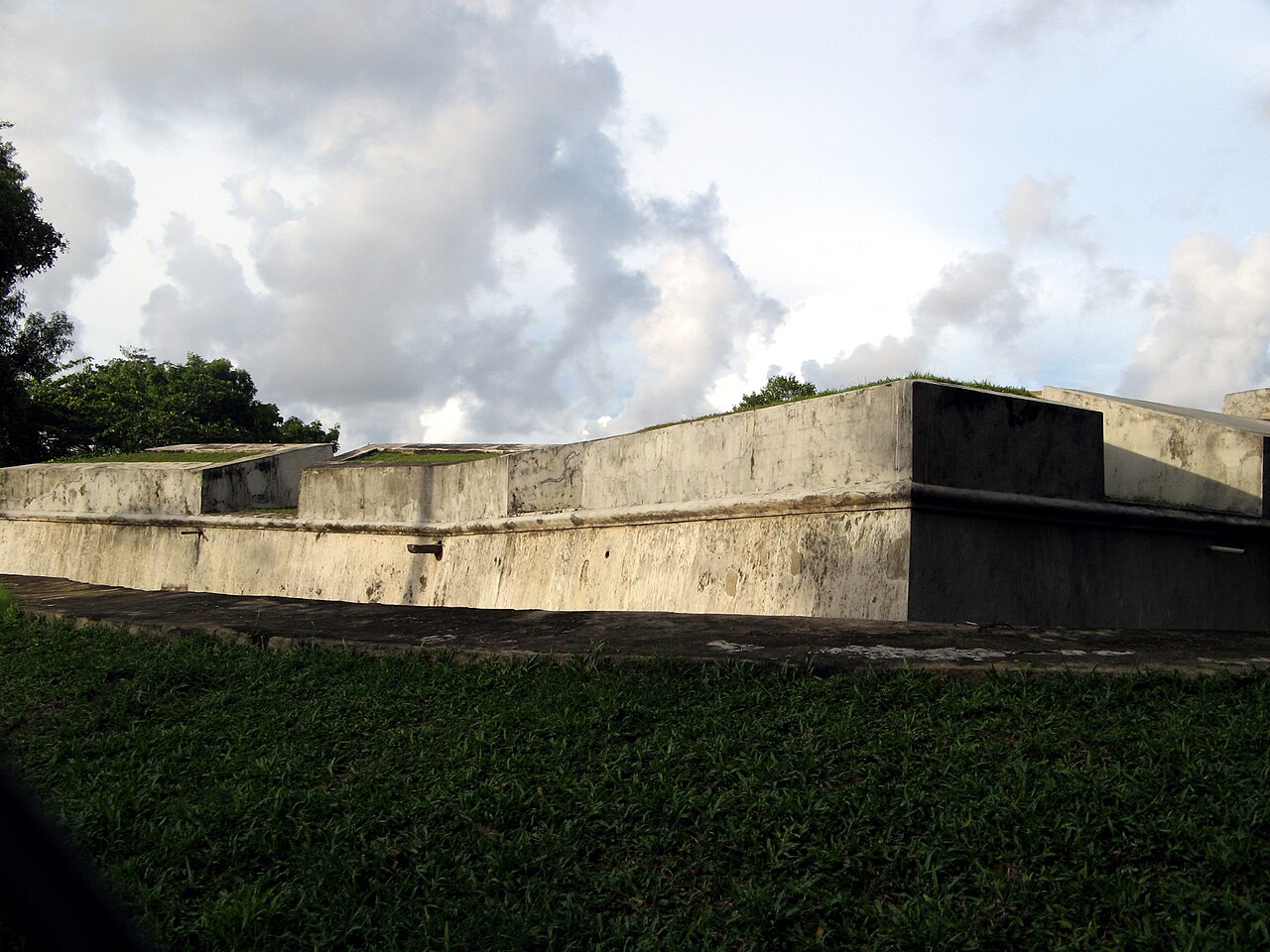
Galle Fort is notable for its well-preserved ramparts, bastions, and gates that exemplify the bastioned fortress typology. The fort's walls, built with coral stone and granite, are remarkably thick and have withstood centuries of weather and conflict. The fortifications include several bastions such as the Hornwork Bastion, Sun Bastion, and Flag Bastion, each strategically positioned to cover different approaches.
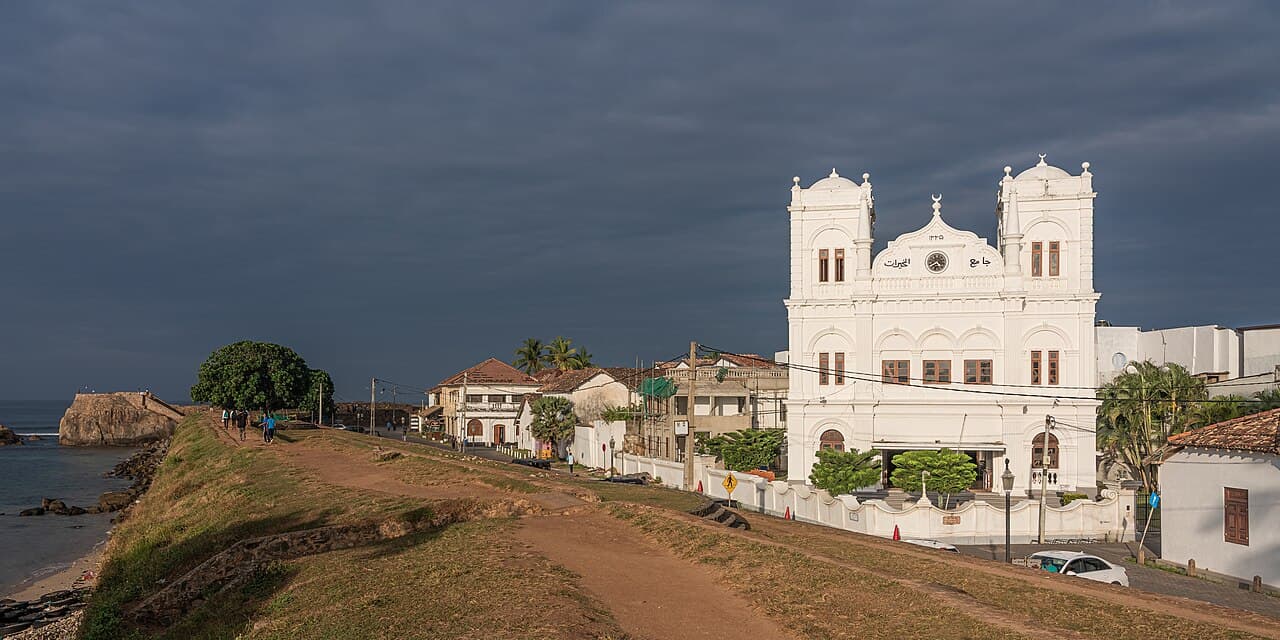
Within the fort's walls lies a unique urban ensemble that blends European colonial architecture with South Asian cultural influences. The streets are laid out in a grid pattern, featuring colonial-era buildings such as churches, warehouses, and residences. Notable structures include the Dutch Reformed Church, built in the 18th century, and the Old Dutch Hospital, which has been repurposed as a shopping and dining precinct.
The fort's design also incorporates elements adapted to the tropical climate, such as verandas and courtyards, which facilitate ventilation and shade. This architectural synthesis is a key reason for the fort's recognition as a cultural heritage site.
Cultural significance and modern preservation
Today, Galle Fort remains a living heritage site with a vibrant multi-ethnic and multi-religious community residing within its walls. Its preservation is managed by the Archaeological Department of Sri Lanka, which has undertaken extensive restoration to maintain the fort's structural integrity and historical character.
The fort notably withstood the 2004 Boxing Day tsunami, which caused damage to parts of the adjacent coastal town but left the fort largely intact. Restoration efforts following the tsunami have reinforced its resilience and preserved its historical fabric.
As a UNESCO World Heritage Site, Galle Fort attracts visitors worldwide who come to explore its rich history, architectural beauty, and cultural diversity. The fort's combination of military, residential, and commercial spaces offers a comprehensive glimpse into the colonial and post-colonial history of Sri Lanka.
Visitor experience and accessibility
Visitors to Galle Fort can explore its extensive ramparts and bastions, enjoy panoramic views of the Indian Ocean, and wander through its narrow streets lined with colonial buildings. The fort hosts several museums, galleries, and shops that showcase local crafts and history.
Walking tours and guided visits provide insights into the fort's construction, historical events, and architectural details. The site is accessible year-round, with the best times to visit being during the dry season when the weather is most favorable.
Frequently asked questions (FAQ)
- What is the historical significance of Galle Fort?
- Galle Fort is significant for its role in controlling maritime trade routes during the Portuguese and Dutch colonial periods and for its unique blend of European and South Asian architectural styles.
- When was Galle Fort built and by whom?
- The fort was originally built by the Portuguese in 1588 and extensively fortified by the Dutch from 1649 onwards.
- Can I visit the ramparts and bastions of Galle Fort?
- Yes, visitors can freely explore the fort's ramparts and bastions, which offer panoramic views of the Indian Ocean and the surrounding town.
- Is Galle Fort a UNESCO World Heritage Site?
- Yes, Galle Fort is recognized as a UNESCO World Heritage Site for its cultural and architectural significance.
- How was Galle Fort affected by the 2004 tsunami?
- The fort withstood the 2004 Boxing Day tsunami with minimal damage, and restoration efforts have preserved its structure.

Information
Current owner
Archaeological Department of Sri Lanka
Loading map...
Visitor reviews
No reviews yet. Been here? Write the first review and help other travelers!
Write the first reviewVisited this castle? Share your experience
Your review helps other travelers and adds first-hand knowledge to our encyclopedia.