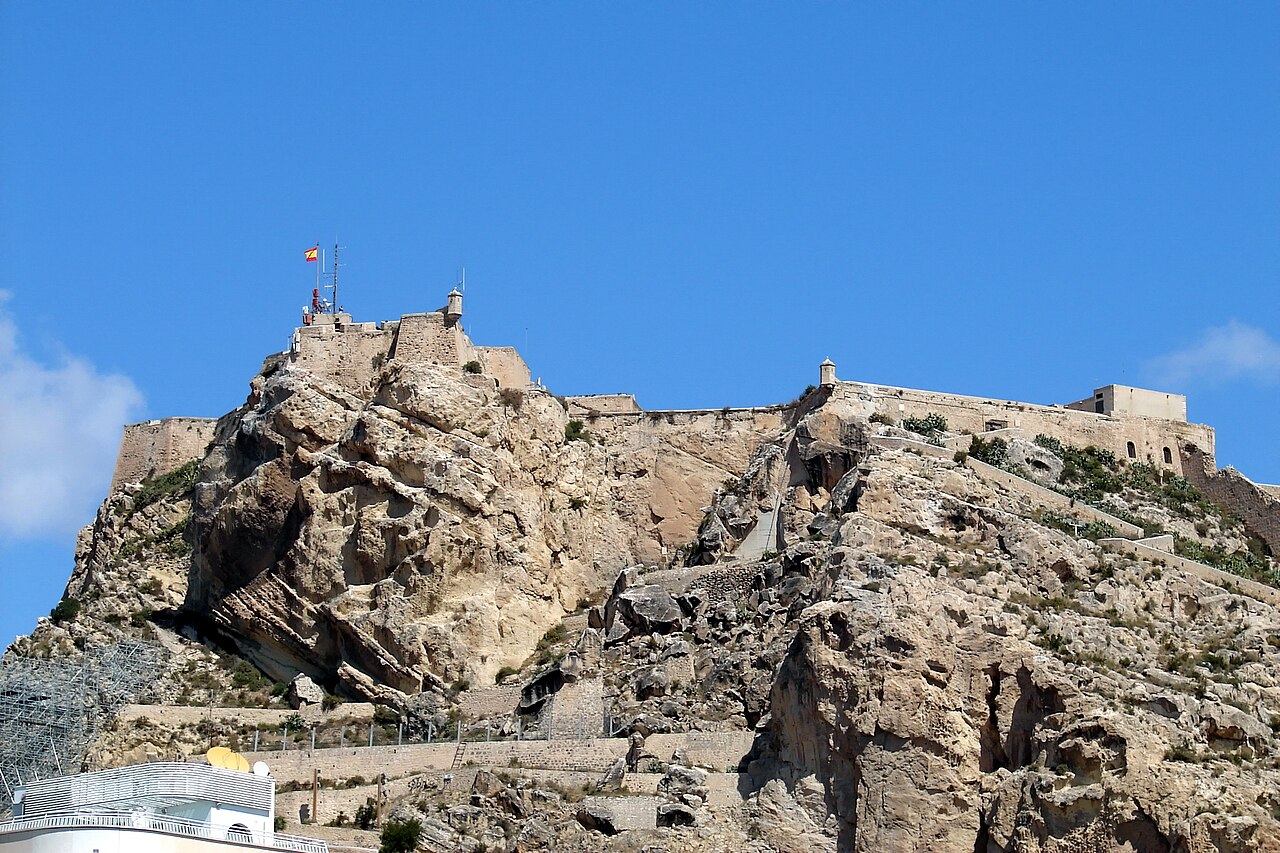
Marquis de los Vélez Castle
Marquis de los Vélez Castle, also known locally as Castillo del Marqués de los Vélez, is a prominent historical fortress located in the heart of Cuevas del Almanzora, a town in the province of Almería, Spain. This castle represents a significant example of military and residential architecture from the late medieval and Renaissance periods, reflecting the region's complex history of conquest and settlement.
The origins of the castle site date back to the late 13th or early 14th century, when an Arab defensive watchtower was likely established here. This early fortification was part of the broader network of Muslim military structures designed to control and defend strategic points in the territory during the time of the Nasrid Kingdom of Granada. The watchtower's remains were later incorporated into the castle's keep, preserving a tangible link to the Islamic period of southern Spain.
The construction and architectural layout
The present castle was primarily constructed in the first half of the 16th century by Don Pedro Fajardo y Chacón, the 1st Marquess of Los Vélez. Don Pedro was a notable nobleman and military leader who also commissioned the nearby Vélez-Blanco Castle and Mula Castle in Murcia around the same period. The castle's design reflects the transitional architectural styles of the era, combining defensive features with residential and administrative functions.
The castle has an irregular rectangular layout, enclosed by robust walls that create a fortified perimeter. Inside these walls are several key structures, including the former palace of the Marquis and a keep that likely integrates the original Arab tower. This keep served as the strongest defensive point and a residence for the lord of the castle.
Casa de la Tercia: a neoclassical addition
Within the castle grounds stands the Casa de la Tercia, a fortified warehouse built in the 18th century in the neoclassical style. This building was originally used to collect and store taxes, reflecting the castle's role as an administrative center. Over time, the Casa de la Tercia was repurposed as a prison, adding to the site's diverse historical functions.
Historical significance and cultural heritage
The castle's strategic location in Cuevas del Almanzora made it a key military and administrative site during the turbulent period of the Reconquista and subsequent consolidation of Christian rule in Andalusia. Its construction by the Marquess of Los Vélez marked the assertion of noble power in the region and the transformation of former Islamic fortifications into Renaissance-style residences.
Today, the castle houses the Museo Antonio Manuel Campoy, which contains one of Andalusia's premier collections of modern art. This collection was amassed by the renowned Spanish art critic Antonio Manuel Campoy and includes works by celebrated artists such as Pablo Picasso, Joan Miró, and Antoni Tàpies. The museum also features a gallery of Francisco de Goya lithographs and a small archaeology section dedicated to the El Argar Bronze Age culture, highlighting the region's deep historical roots.
Current use and visitor information
The castle is currently restored and serves multiple community functions. Apart from the museum, the castle also contains a public library and a police station, integrating heritage with contemporary civic life. Visitors can freely access the castle during opening hours, although some facilities like the museum and library may occasionally be closed for maintenance or special events.
The castle's architecture retains an Arab influence visible in the design of its keep and overall layout, offering visitors a glimpse into the layered history of southern Spain. Its blend of medieval fortification, Renaissance palace elements, and neoclassical additions make it a unique site for those interested in military architecture, noble residences, and cultural heritage.
Architectural features worth noting
- Keep incorporating the original Arab watchtower – the oldest part of the complex, showcasing Islamic military architecture.
- Irregular rectangular walls – designed for defense and to enclose the palace and administrative buildings.
- Casa de la Tercia – an 18th-century neoclassical warehouse and former prison.
- Palace of the Marquis – residential quarters reflecting Renaissance noble architecture.
Legacy of Don Pedro Fajardo y Chacón
Don Pedro Fajardo y Chacón played a crucial role in the architectural and political landscape of southeastern Spain during the 16th century. His construction of the Marquis de los Vélez Castle, along with other castles such as Vélez-Blanco and Mula, exemplifies the transition from medieval fortresses to Renaissance palatial complexes. These castles symbolized the consolidation of noble power and the Christian reconquest of former Muslim territories.
Marquis de los Vélez Castle remains a significant monument illustrating this historical transformation, preserving elements from its Islamic origins through to its Renaissance and neoclassical phases.
Frequently asked questions (FAQ)
- How do I visit Marquis de los Vélez Castle?
- Marquis de los Vélez Castle is open daily from 10:00 to 18:00. Visitors can freely explore the castle grounds, although the museum and library may have limited hours or occasional closures.
- What is the historical significance of Marquis de los Vélez Castle?
- The castle reflects the transition from an Arab watchtower to a Renaissance fortress built by Don Pedro Fajardo y Chacón in the 16th century, marking noble power in Andalusia.
- Can I see art collections at the castle?
- Yes, the Museo Antonio Manuel Campoy inside the castle houses modern art collections including works by Picasso, Miró, and Tàpies, as well as Goya lithographs.
- Is the castle accessible for visitors with mobility issues?
- The castle has some uneven terrain and historic structures, which may present challenges for visitors with mobility issues. It is advisable to check accessibility options before visiting.
- What architectural styles are represented in the castle?
- The castle features a mix of architectural styles including late medieval military design, Renaissance noble residences, and an 18th-century neoclassical warehouse called Casa de la Tercia.
Information
Opening hours
10:00-18:00, daily
Ticket prices
Free
Current owner
Municipality
Address
Plaza la Libertad, Cuevas del Almanzora, Almería, Spain
Loading map...
Visitor reviews
No reviews yet. Been here? Write the first review and help other travelers!
Write the first reviewVisited this castle? Share your experience
Your review helps other travelers and adds first-hand knowledge to our encyclopedia.