Marinid Walls of Algeciras
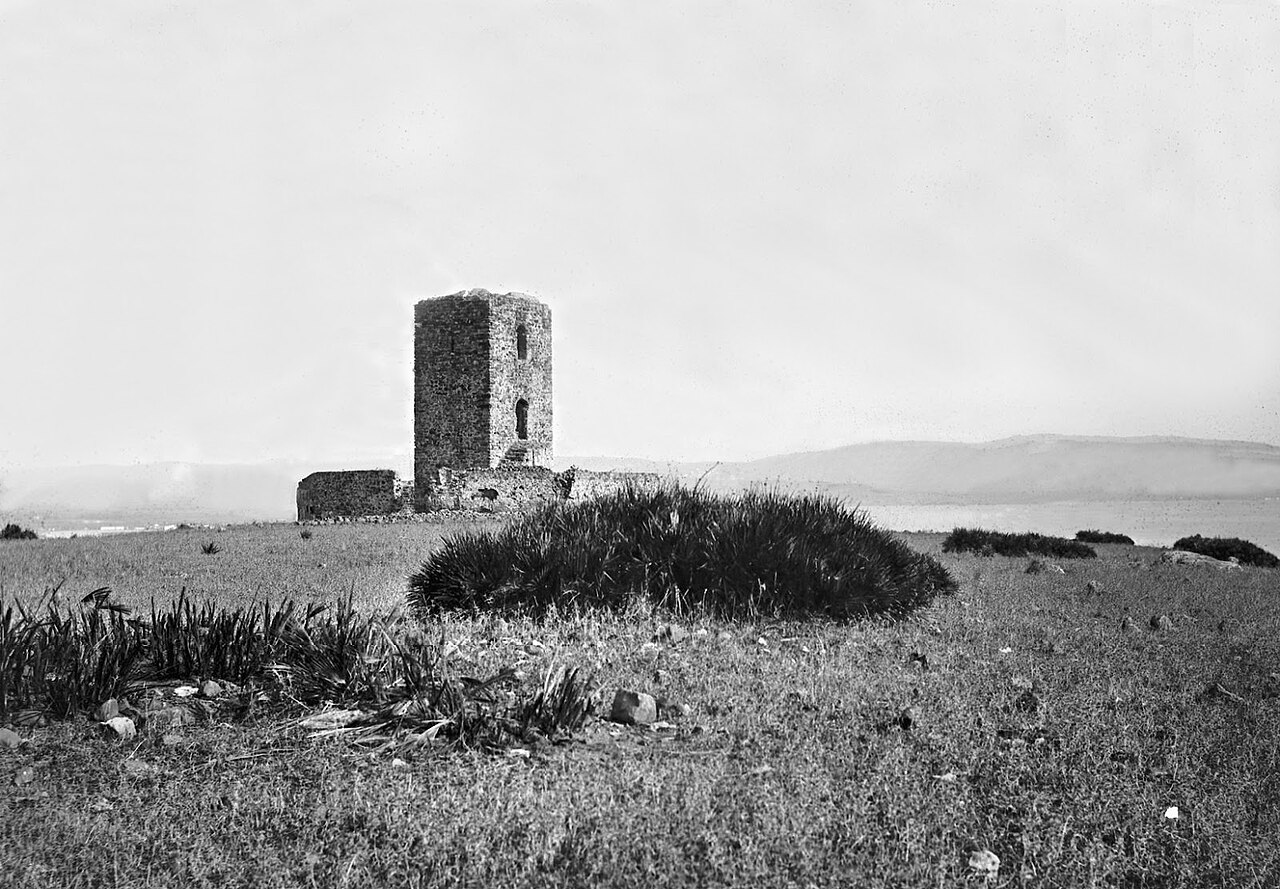
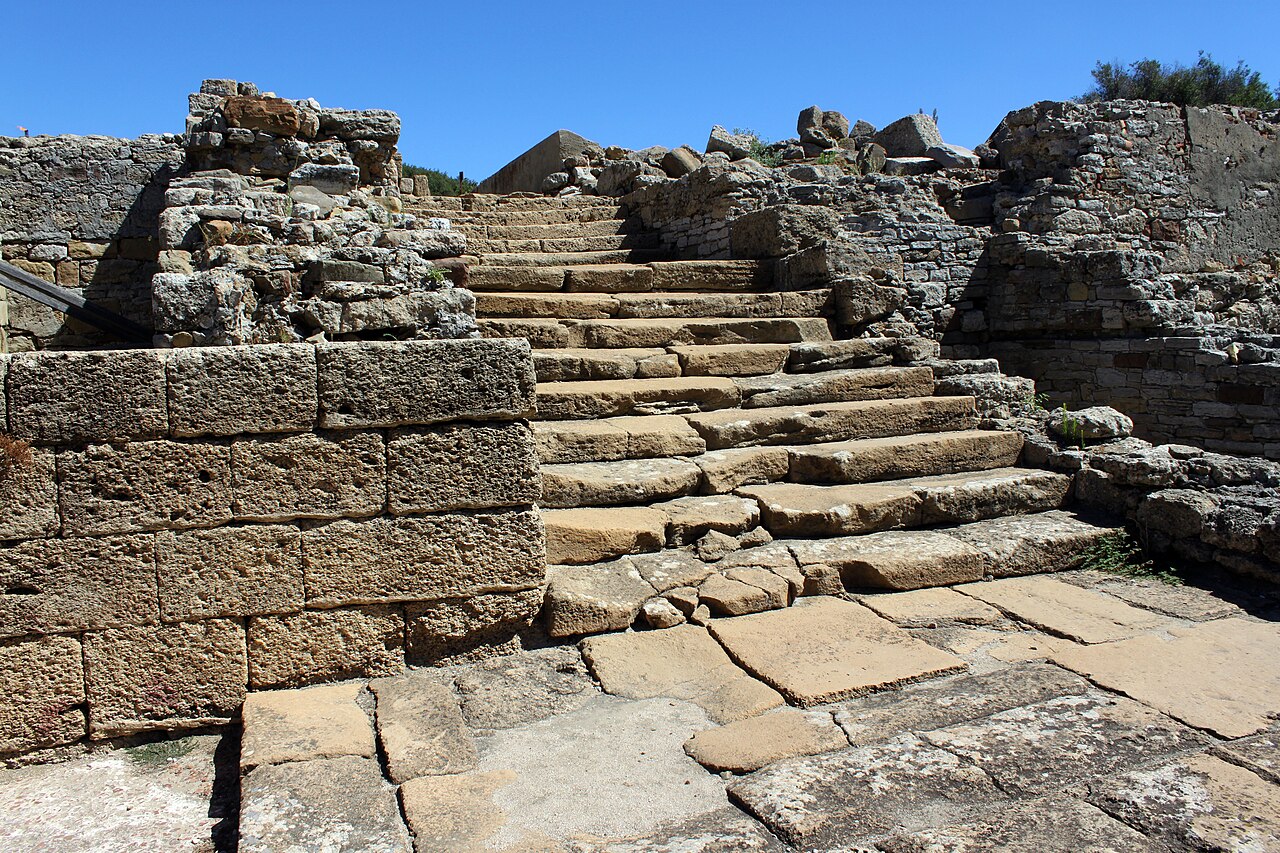
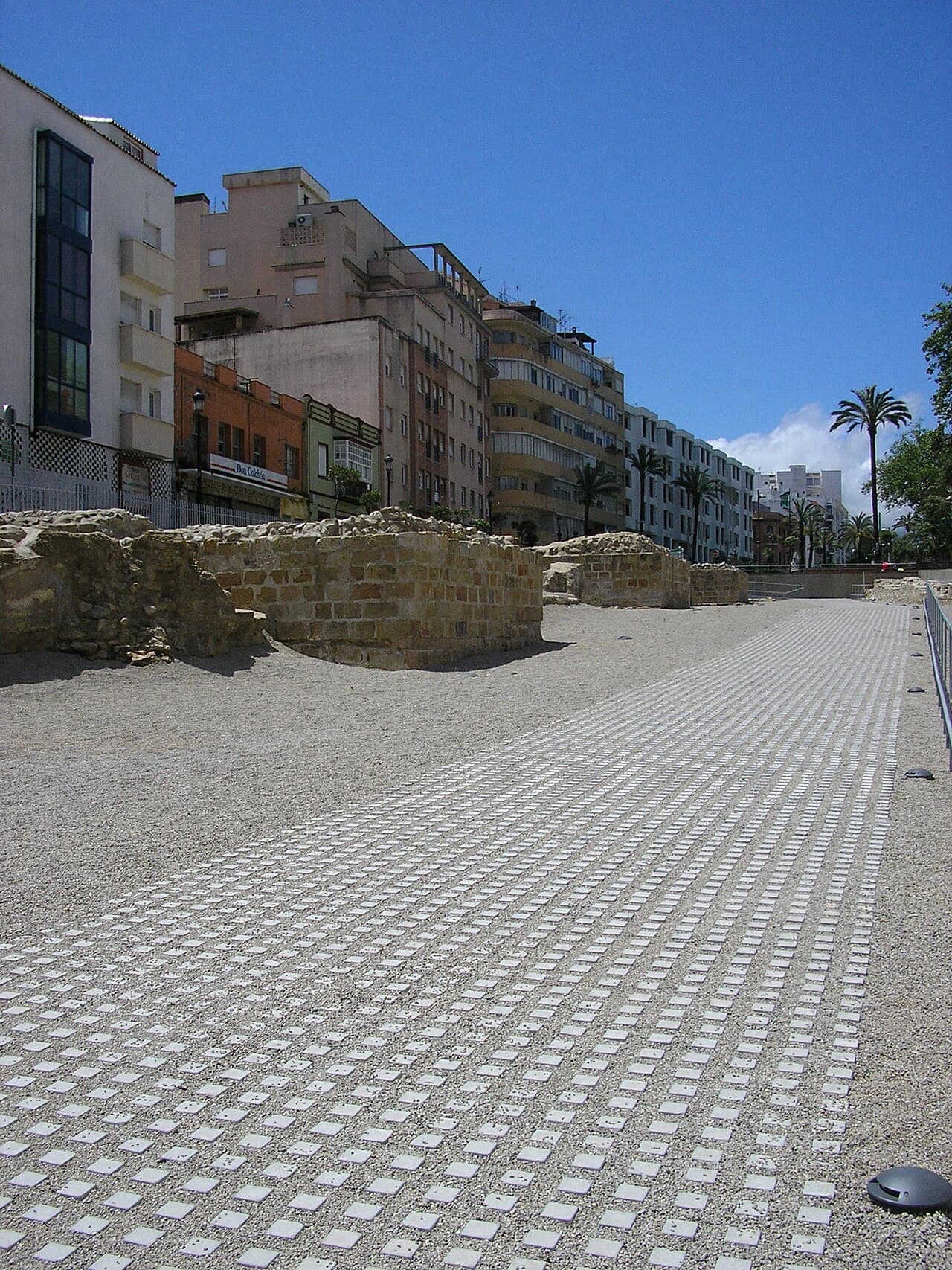
The Marinid Walls of Algeciras (Spanish: Parque Arqueológico de las Murallas Meriníes de Algeciras) represent an important example of medieval bastioned fortress architecture situated in the city of Algeciras, Spain. These walls have been recognized as a Bien de Interés Cultural since 1985, highlighting their cultural and historical significance within the region.
The walls' construction history is complex and layered. Originally attributed to the Marinid dynasty in the late 13th century, recent epigraphic research published in 2012 has refined this understanding. The archaeological remains encompass pre-1342 Islamic fortifications of uncertain precise date, which were subsequently subjected to significant reconstruction and remodeling by the Castilian forces between approximately 1344 and 1350. This rebuilding followed the Castilian conquest of Algeciras and was driven by the need to repair damage inflicted during the Castilian siege.
Following the Castilian occupation, the Nasrid dynasty of Granada reconquered Algeciras in 1369. Upon their return, the Nasrids demolished portions of the walls and obscured Castilian inscriptions that detailed the previous occupation, reflecting the turbulent political and military history of the region during the late medieval period.
Architectural features and fortification elements
The surviving structures include a prominent gate known as the Puerta de Gibraltar (Gibraltar Gate) or Puerta del Fonsario (Fonsario Gate). This gate is a key feature of the walls and provides insight into the architectural styles employed during different phases of construction.
The gate and its stylistic influences
When the Castilian masons undertook the rebuilding of the gate, they largely retained the original Islamic-era outline. Notably, the gate features square towers that are characteristic of Islamic military architecture of the period. This stylistic continuity underscores the blending of cultural influences in the fortress's construction and the persistence of Islamic architectural traditions even during Christian reconstruction efforts.
Decorative elements and Mudéjar patterns
The access bridge to the gate crosses a moat and is decorated with intricate interlacing brickwork circles along its sides. This decoration is reminiscent of Mudéjar patterns, a style that blends Islamic artistic motifs with Christian architectural forms. Similar patterns can be found in the Courtyard of the Maidens within the Mudéjar section of the Alcázar of Seville, dated to the 14th century. This connection highlights the cultural exchange and artistic syncretism that characterized the Iberian Peninsula during the medieval period.
Historical context and strategic importance
The walls of Algeciras served as a critical defensive structure controlling access to the city, which was strategically located near the Strait of Gibraltar. This position made the city a focal point of military and political contestation between Muslim and Christian powers during the Reconquista.
The initial construction by Islamic rulers aimed to fortify the city against external threats, while the Castilian reconstruction reflected the shifting control and the need to reinforce defenses after the siege. The Nasrid demolition and alteration of the walls after their recapture in 1369 further illustrate the dynamic military history and the symbolic importance of the walls as markers of power and control.
Preservation and archaeological significance
Today, the Marinid Walls of Algeciras stand as partially preserved remnants of a once extensive fortification system. The site offers valuable archaeological insights into medieval military architecture, Islamic and Christian interactions, and the evolution of defensive strategies in southern Spain.
Ongoing archaeological study continues to refine the understanding of the walls' chronology and construction phases, contributing to broader knowledge of the region's history during the High and Late Medieval periods. The walls are accessible to the public as part of an archaeological park, allowing visitors to explore these historic fortifications and appreciate their architectural and historical complexity.
Visiting information and cultural heritage
The site is open for visitors interested in medieval architecture and Spanish history. Its designation as a Bien de Interés Cultural ensures protection and promotes awareness of its significance. Visitors can observe the distinctive architectural features, including the gate, towers, moat, and decorative brickwork, which collectively illustrate the fusion of Islamic and Christian influences in fortress design.
The Marinid Walls of Algeciras remain an important cultural landmark in Andalusia, reflecting the region's layered history and the enduring legacy of its medieval fortifications.
Frequently asked questions (FAQ)
- What is the historical significance of the Marinid Walls of Algeciras?
- The Marinid Walls of Algeciras are a remarkable example of 14th-century military architecture, built during the reign of the Marinid dynasty. They served as a defensive structure protecting the city from invasions and are a testament to the strategic importance of Algeciras in medieval times.
- When was the Marinid Walls of Algeciras constructed?
- The construction of the Marinid Walls began in the 13th century and was completed during the 14th century. These walls were part of the city's fortifications, reflecting the architectural style and military needs of that era.
- Can I visit the Marinid Walls of Algeciras?
- Yes, visitors can explore the Marinid Walls of Algeciras. The site is open to the public, allowing you to walk along the walls and enjoy the panoramic views of the surrounding area, making it a fantastic opportunity for photography and historical appreciation.
- What are the opening hours for the Marinid Walls of Algeciras?
- The Marinid Walls are typically open daily from 10 AM to 6 PM, but it's advisable to check local listings or the official tourism website for any seasonal changes or special holidays that may affect the hours.
- Is it possible to access the Marinid Walls of Algeciras with mobility aids?
- Access to the Marinid Walls can be challenging due to uneven surfaces and elevation changes. However, some areas may be navigable with assistance, so it's best to contact the local tourism office for specific accessibility information before your visit.
- What is the best time to visit the Marinid Walls of Algeciras?
- The best time to visit the Marinid Walls is during the spring and fall months when the weather is mild and pleasant. Avoiding the peak summer heat will enhance your experience as you explore the historical site.
- Are there any nearby attractions to visit while in Algeciras?
- Yes, nearby attractions include the historic Plaza Alta, the beautiful beaches of Algeciras, and the scenic natural park of Los Alcornocales. These sites offer a variety of experiences, from cultural exploration to outdoor activities, making for a well-rounded visit.
- What are the ticket prices for visiting the Marinid Walls of Algeciras?
- Entry to the Marinid Walls is generally free, but there may be a small fee for guided tours or special events. Always check in advance for the most current pricing and any available discounts for students or seniors.
Photo gallery

Information
Loading map...
Visitor reviews
No reviews yet. Been here? Write the first review and help other travelers!
Write the first reviewVisited this castle? Share your experience
Your review helps other travelers and adds first-hand knowledge to our encyclopedia.