The Fuerte de Isla Verde is a significant 18th-century coastal fortress located on Isla Verde, a small island near the historic town of Algeciras in southern Spain. Constructed in the early 1700s, this fortification was part of Spain's strategic response to the loss of Gibraltar to British forces in 1704. Its primary role was to strengthen the coastal defenses around the Bay of Gibraltar and to guard the vital maritime approaches to the bay, which had become a contested zone between Spanish and British interests.
Construction of the fort began in 1734 under the supervision of Juan de Subreville, a Spanish military engineer responsible for designing several fortifications in the region. The fort's design took advantage of the island's natural shape, adopting a roughly triangular layout that maximized defensive coverage. Built primarily from masonry, the fort featured a curtain wall with a scarped base to deter enemy landings and assaults. Its single entrance was strategically placed on the northwest corner, near the beach, and was fortified over time to resist attacks.
Architectural features and fortifications
The fort's perimeter was defended by several artillery batteries positioned to create overlapping fields of fire with neighboring fortifications, such as Fuerte de San García. On the eastern side, the Algeciras Battery (also known as the San Cristóbal Battery) was about 20 meters wide and originally held four to five cannons. The southeast side featured the larger Main Battery (or Santa Bárbara Battery), a 40-meter-wide platform equipped with thirteen heavy guns facing the entrance to the bay. On the western side, the smaller San García Battery housed two guns with firing arcs covering the adjacent Punta Rodeo shore battery.
Inside the fort, several buildings served essential military functions. Living quarters near the Algeciras Battery accommodated up to seventy soldiers, with separate areas for officers and enlisted men. Nearby storerooms held provisions and ammunition. Adjacent to the San García Battery were the gunners’ barracks and an artillery storage facility protected by a large masonry shoulder called an espaldón, designed to shield the fort from enemy cannon fire.
At the center of the island stood the main magazine, a heavily fortified structure with thick walls to minimize the risk of accidental explosions or damage from enemy fire. A well provided fresh water to the garrison, ensuring self-sufficiency during sieges or prolonged operations.
Historical context and military engagements
The fort was built in the aftermath of the capture of Gibraltar in 1704, when British forces seized the territory during the War of the Spanish Succession. Spain sought to reinforce its coastal defenses to contest British control and protect key maritime routes. The fort played an active role during the Battle of Algeciras in 1801, supporting French naval operations against British fleets. British troops attempted to capture the fort during the conflict but were repelled, underscoring its strategic importance.
Throughout the 18th and early 19th centuries, the fort underwent several expansions and modifications. In 1745, under the direction of Lorenzo de Solís, a provisional artillery position called the San Joaquín Battery was added near the entrance. By 1821, the fort had expanded to include five artillery batteries, enhancing its firepower and defensive capabilities.
During the Peninsular War in 1810, many Spanish fortifications around the Bay of Gibraltar were destroyed by British forces to prevent their use by the advancing French army. However, the Fuerte de Isla Verde was spared and continued to be reinforced throughout the 19th century.
Later developments and modern history
As artillery technology advanced in the 19th and early 20th centuries, the fort's military significance gradually declined. In 1919, control of the fort passed from the military to the newly established Board of Harbour Works. The site was repurposed for port-related activities, including the relocation of munitions storage facilities.
During World War II, the fort was reactivated with the construction of two machine-gun bunkers, a cylindrical anti-aircraft machine gun position, and supporting barracks designed to house a detachment of 40 soldiers. These additions reflected the evolving nature of coastal defense in the mid-20th century.
The 1960s saw significant changes as port expansions led to the partial demolition of original fort structures to accommodate warehouses and factories. Despite this, the fort's historical value was recognized, leading to its designation as a protected heritage site in 1985 and receiving special status from the Andalusian government in 1993.
Archaeological discoveries and preservation efforts
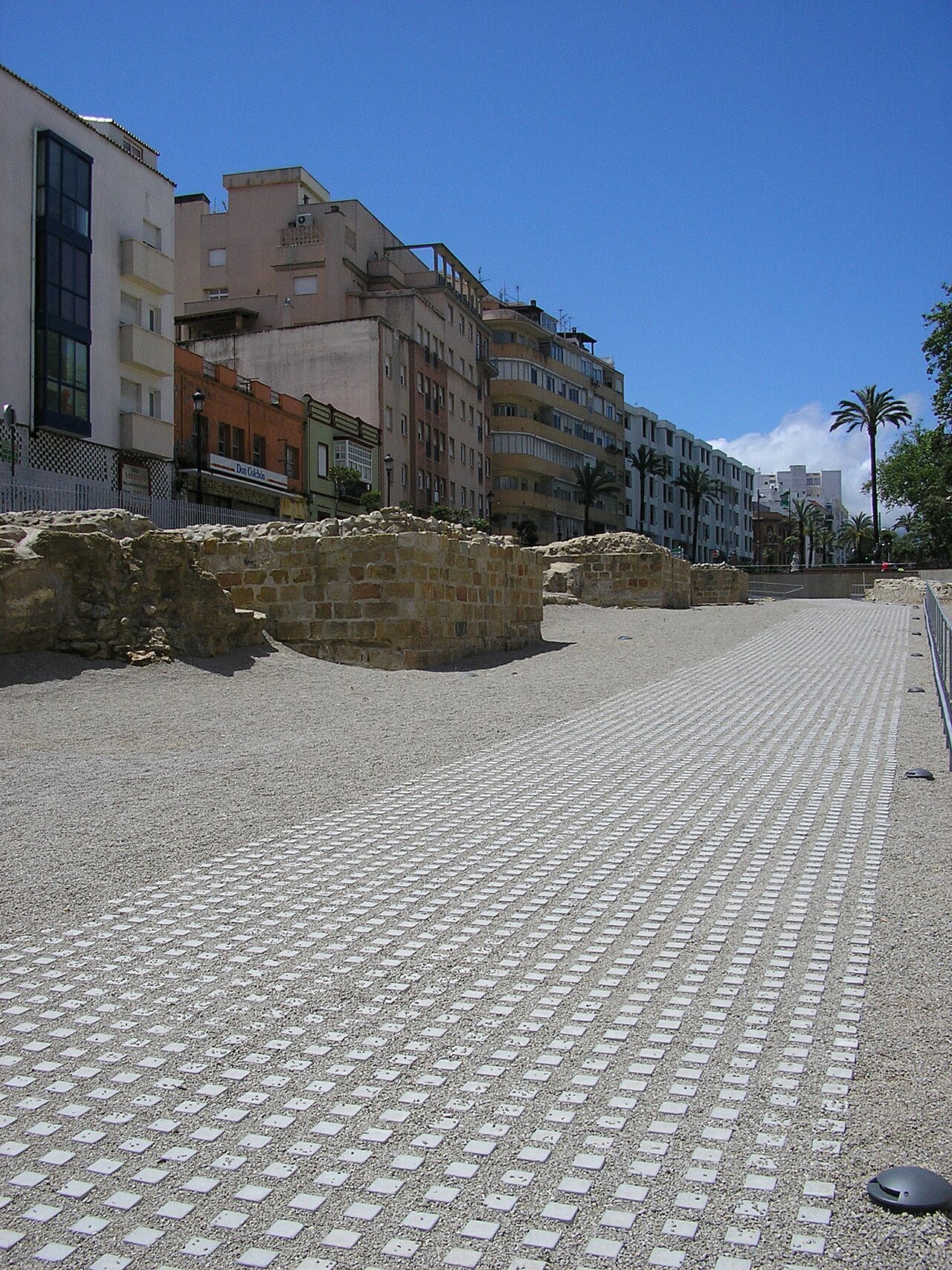
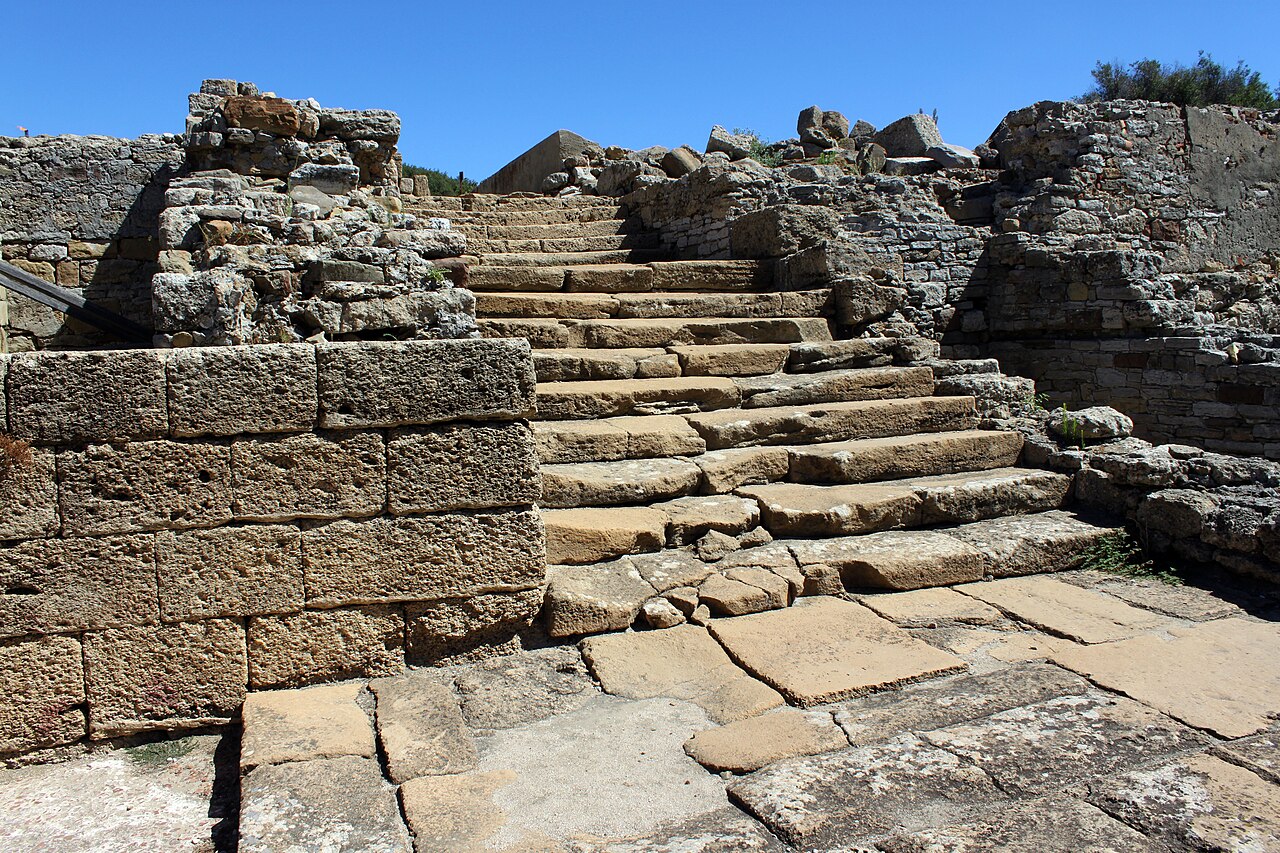
In 2006, archaeological excavations by the Port Authority of Algeciras uncovered surviving sections of the fort's curtain walls, batteries, and living quarters. Restoration efforts focused on recovering the northern embrasure of the main battery, where original paving made from Tarifa stone remains visible. Segments of the southern wall and one of the World War II-era bunkers, complete with its attached anti-aircraft position, were also preserved.
The Green Island Lighthouse (Faro de Isla Verde), constructed in 1863 atop the now-defunct San García Battery, remains a notable landmark that altered the fort's profile and serves as a navigational aid for vessels entering the bay.
Today, the remains of Fuerte de Isla Verde provide valuable insight into nearly three centuries of evolving military architecture and coastal defense strategies. The fort's layered history, from its 18th-century origins through 20th-century adaptations, reflects the complex geopolitical struggles over control of the Bay of Gibraltar and the broader Mediterranean region.
Frequently asked questions (FAQ)
- How do I get to Fuerte de Isla Verde?
- Fuerte de Isla Verde is located off the coast of Spain, and the best way to reach it is by taking a ferry from nearby coastal towns. Once you arrive at the island, you can explore the fortress on foot, enjoying the scenic views along the way.
- What is the historical significance of Fuerte de Isla Verde?
- Fuerte de Isla Verde was constructed in the 18th century as a defensive fortification to protect the coastline from naval attacks. It played a crucial role during various conflicts, including the War of Spanish Succession, making it an important site for understanding Spain's military history.
- When was Fuerte de Isla Verde built?
- The construction of Fuerte de Isla Verde began in 1764 and was completed in 1771. It was strategically designed to fortify the area against potential invasions and has since become a symbol of military architecture in Spain.
- Can I visit Fuerte de Isla Verde year-round?
- Yes, Fuerte de Isla Verde is open to visitors throughout the year, though access may be limited during certain weather conditions or maintenance periods. It's advisable to check ahead for any specific closures or guidelines before planning your visit.
- Why is the architecture of Fuerte de Isla Verde unique?
- The architecture of Fuerte de Isla Verde is characterized by its robust stone walls and strategic layout, designed to withstand sieges and artillery attacks. Its design reflects the military engineering practices of the 18th century, making it a notable example of historical fortification.
- Is it possible to take guided tours of Fuerte de Isla Verde?
- Yes, guided tours of Fuerte de Isla Verde are available and provide deeper insights into the fortress's history and architecture. These tours are led by knowledgeable guides who can enhance your experience with fascinating stories and facts.
- What are the ticket prices for visiting Fuerte de Isla Verde?
- Ticket prices for Fuerte de Isla Verde are generally affordable, with discounts for students and seniors. It's best to check the official website or local visitor centers for the most current pricing information and any special promotions.
- What are the opening hours for Fuerte de Isla Verde?
- Fuerte de Isla Verde typically opens at 10 AM and closes at 6 PM, but hours may vary seasonally. To ensure a smooth visit, it’s recommended to verify the opening times closer to your planned date.
- What nearby attractions should I visit while at Fuerte de Isla Verde?
- While visiting Fuerte de Isla Verde, consider exploring the beautiful beaches nearby or the charming town of its coastal neighbors. Additionally, there are hiking trails that offer stunning views of the island and surrounding sea, making for a perfect day of exploration.
Information
Loading map...
Visitor reviews
No reviews yet. Been here? Write the first review and help other travelers!
Write the first reviewVisited this castle? Share your experience
Your review helps other travelers and adds first-hand knowledge to our encyclopedia.