Maltesholm Castle
Maltesholm Castle, located in Kristianstad Municipality, Sweden, stands as a remarkable example of a historic estate that reflects the architectural and cultural evolution from the Renaissance period through the 18th century Swedish classical style. The castle's origins trace back to the Middle Ages, when the estate was part of the larger Vittskövle estate, owned by the notable Brahe family during the era of Danish rule over Scania. This deep historical lineage situates Maltesholm within the broader narrative of Scandinavian noble estates, illustrating shifts in ownership, architectural trends, and landscape design over several centuries.
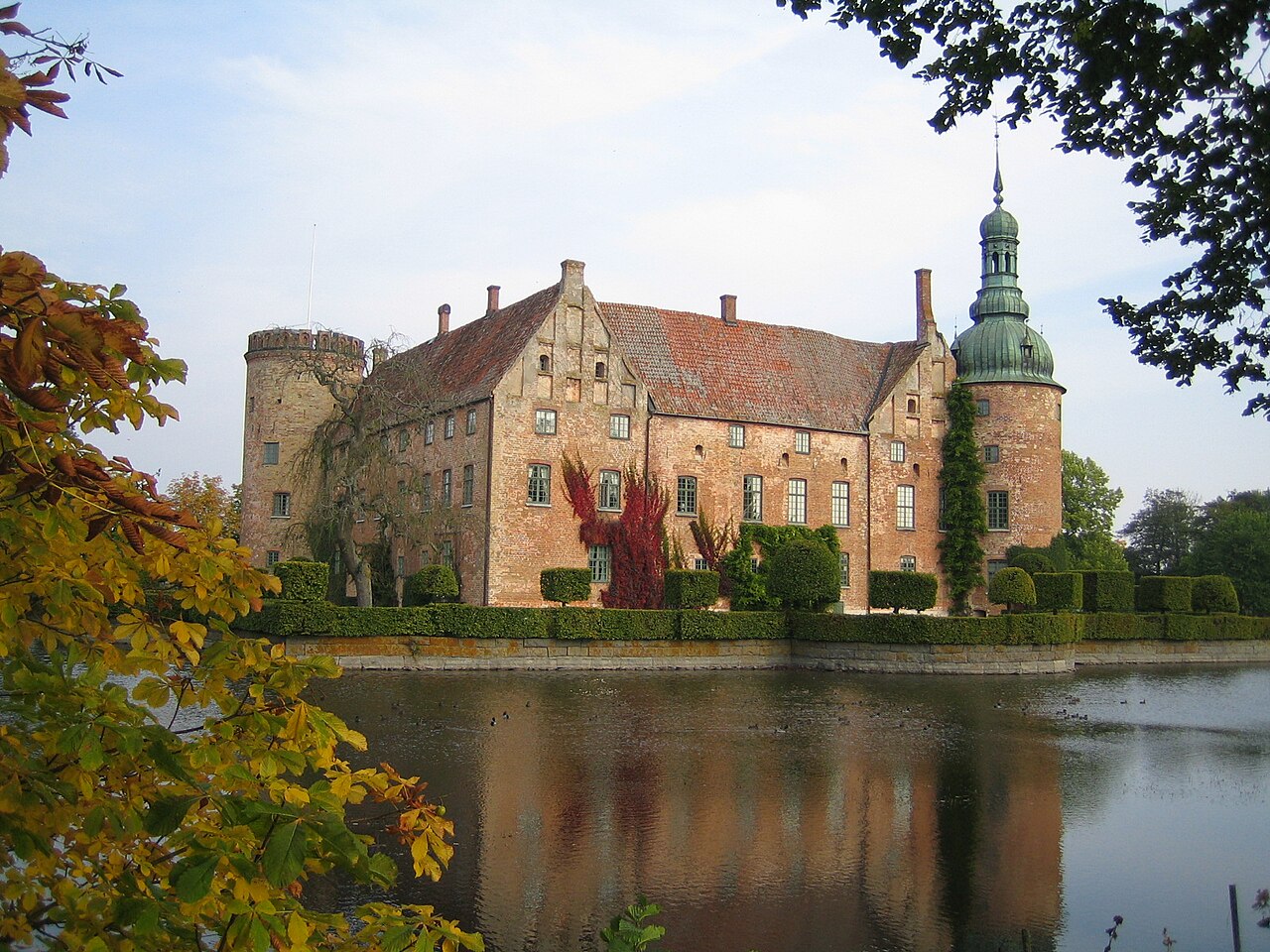
The castle, as it is known today, was initially constructed between 1635 and 1638 by Malte Juul, the Danish high constable of Kristianstad. Juul expanded the estate by acquiring neighboring lands and named the manor after himself, establishing a substantial Renaissance manor built primarily in brick. This original structure featured three floors, a prominent staircase tower crowned with an elaborate spire, and distinctive crow-stepped gables, all encircled by a wide moat. These architectural elements were characteristic of the Danish Renaissance style under King Christian IV, highlighting the castle's initial grandeur and defensive features.
Architectural transformation and 18th-century remodeling
In the late 17th and 18th centuries, the estate underwent significant expansion and transformation under the ownership of the Ramel family. Malte Ramel, one of Sweden's wealthiest landowners in his time, enlarged the domains considerably. His son, Hans Ramel, known as "Bygge-Hans" for his dedication to construction projects, spearheaded a major remodeling of the castle, completed in 1780. This renovation marked a departure from the original Renaissance design, reducing the castle by one floor and removing the iconic crow-stepped gables and spire. The access to the manor was also modernized by replacing the original drawbridge with a solid stone bridge.
The 1780 remodeling embraced the Swedish classical palace style, characterized by a smooth plastered facade and a hipped (valmat) roof where all sides slope gently downward. This architectural style reflected contemporary tastes for elegance, symmetry, and restraint, contrasting with the more ornate Renaissance features of the original manor. Despite these changes, the castle retained its historical moat, preserving a tangible link to its defensive past.
The höge väg: monumental stone road
One of the most impressive features from this period is the Höge väg, a monumental stone road approximately 1.3 kilometers long and varying between 12 and 20 meters in width. In certain sections, the raised roadway reaches up to six meters in height, presenting an imposing approach to the estate. The construction of this road was a massive undertaking that spanned nearly 50 years, requiring workers to contribute a stone daily. This labor-intensive project not only enhanced the estate's accessibility but also symbolized the wealth and ambition of the Ramel family.
Gardens, park, and notable landscape features
The grounds surrounding Maltesholm Castle have evolved over approximately 370 years, initially laid out as a Renaissance garden divided into flower and utility quarters. Over time, the garden transformed into an 18th-century landscape park designed with symmetry along two main axes extending from the manor. This style reflects the broader European shift towards landscaped parks that combined aesthetics with functionality.
Within the park stands a classical-style pavilion designed by the esteemed Swedish architect Carl Hårleman in 1770. This pavilion adds architectural elegance and serves as a focal point within the garden. Additionally, the estate features an orangery built in 1781, historically used to shelter exotic plants, including what is recorded as Sweden's first cultivation of bananas, a botanical curiosity noted by the renowned naturalist Carl von Linné (Linnaeus).
The park is also home to remarkable trees such as Sweden's largest yew and an imposing Douglas fir that stands 35 meters tall with a trunk circumference of 450 centimeters, estimated to be over a century old. These natural features contribute to the estate's rich biodiversity and aesthetic appeal, enhancing its status as a cultural and natural heritage site open to the public.
Historical significance and notable visitors
Maltesholm Castle has been a residence for several prominent noble families, including the Brahe, Ramel, De la Gardie, and Palmstierna families. The estate changed hands in 1800 when it was acquired by Axel Gabriel De la Gardie, governor of Kristianstad County, through his marriage to Christina Gustava Ramel. The De la Gardie family maintained ownership for over a century until the estate passed to the Palmstierna family in 1933, who remain the private owners today.
A notable historical visitor was Carl von Linné (Linnaeus), who toured the estate on May 25, 1749. He documented the manor's gardens and agricultural practices, particularly noting a diverse beech forest east of the estate. This forest is now protected as a nature reserve, underscoring the estate's environmental importance alongside its cultural heritage.
Östra sönnarslöv church and the ramel family crypt
Close to the castle, Östra Sönnarslöv Church, dating from the 12th century, maintains a historic connection to the estate through the Ramel family crypt. This crypt houses three large stone sarcophagi containing the remains of Malte Ramel and his two wives, emphasizing the long-standing ties between the family and the region. The church itself is adorned with 15th-century frescoes, adding to the area's rich historical tapestry.
Preservation and current status
Today, Maltesholm Castle stands as a well-preserved example of a manor that has undergone significant architectural transformation while retaining key features from its Renaissance origins. The moat remains intact, and the castle's classical facade and roof reflect the 18th-century remodeling. The estate continues as a private residence of the Palmstierna family, but the gardens and park are accessible to the public, allowing visitors to experience the blend of architectural history and natural beauty.
The castle's blend of Renaissance defensive features and elegant classical design, combined with its extensive landscaped grounds and monumental stone road, make it a unique cultural landmark in southern Sweden. Its layered history, from medieval estate to Renaissance manor to classical palace, offers valuable insights into the architectural and social history of the region.
Frequently asked questions (FAQ)
- How do I get to Maltesholm Castle?
- Maltesholm Castle is located near Kristianstad, Sweden, and can be easily accessed by car or public transportation. The nearest train station is Kristianstad, from where you can take a bus or taxi to the castle. There is also ample parking available if you choose to drive.
- What is the historical significance of Maltesholm Castle?
- Maltesholm Castle dates back to the late 16th century and has a rich history tied to Swedish nobility. It served as a noble residence and has witnessed numerous historical events over the centuries. The castle is not only an architectural gem but also a testament to Sweden's feudal past.
- When was Maltesholm Castle built?
- Construction of Maltesholm Castle began in 1584 and was completed in 1594. It was commissioned by the noble family of the same name, and its design reflects the Renaissance architectural style popular during that era. The castle has undergone various renovations, preserving its historical charm.
- Can I visit Maltesholm Castle year-round?
- Yes, Maltesholm Castle is open to visitors year-round, but hours may vary depending on the season. It's advisable to check the official website for the most current opening hours and any special events. Guided tours are available to enhance your experience.
- Why is Maltesholm Castle a popular tourist attraction?
- Maltesholm Castle attracts visitors due to its stunning architecture, beautiful surroundings, and rich history. The castle offers a glimpse into Sweden's past and features picturesque gardens perfect for leisurely walks. Additionally, its proximity to Kristianstad makes it an accessible day trip for tourists.
- Is it possible to hold events at Maltesholm Castle?
- Yes, Maltesholm Castle hosts various events, including weddings, conferences, and cultural gatherings. The unique setting and historical ambiance provide a memorable backdrop for special occasions. For inquiries about booking events, it is best to contact the castle management directly.
- What are the ticket prices for visiting Maltesholm Castle?
- Ticket prices for Maltesholm Castle vary depending on age and the type of tour you choose. Generally, adults pay a standard admission fee, while discounts are often available for students and seniors. Children under a certain age may enter for free, so it's worth checking the latest pricing on the official website.
- What is the best time to visit Maltesholm Castle?
- The best time to visit Maltesholm Castle is during the spring and summer months when the gardens are in full bloom, and the weather is pleasant for outdoor activities. However, autumn also offers beautiful foliage. Each season provides a unique experience, so consider what you wish to see when planning your visit.
- Are there any nearby attractions to visit along with Maltesholm Castle?
- Yes, there are several nearby attractions to explore, including the picturesque town of Kristianstad, which features charming streets and local shops. The region is also known for its natural beauty, with parks and lakes perfect for hiking and picnicking. Visiting other historical sites in the area can enhance your trip.
Information
Website
Visit websiteSources & official resources
Verify the information above using these authoritative references.
Loading map...
Visitor reviews
No reviews yet. Been here? Write the first review and help other travelers!
Write the first reviewVisited this castle? Share your experience
Your review helps other travelers and adds first-hand knowledge to our encyclopedia.