Mälsåker Castle
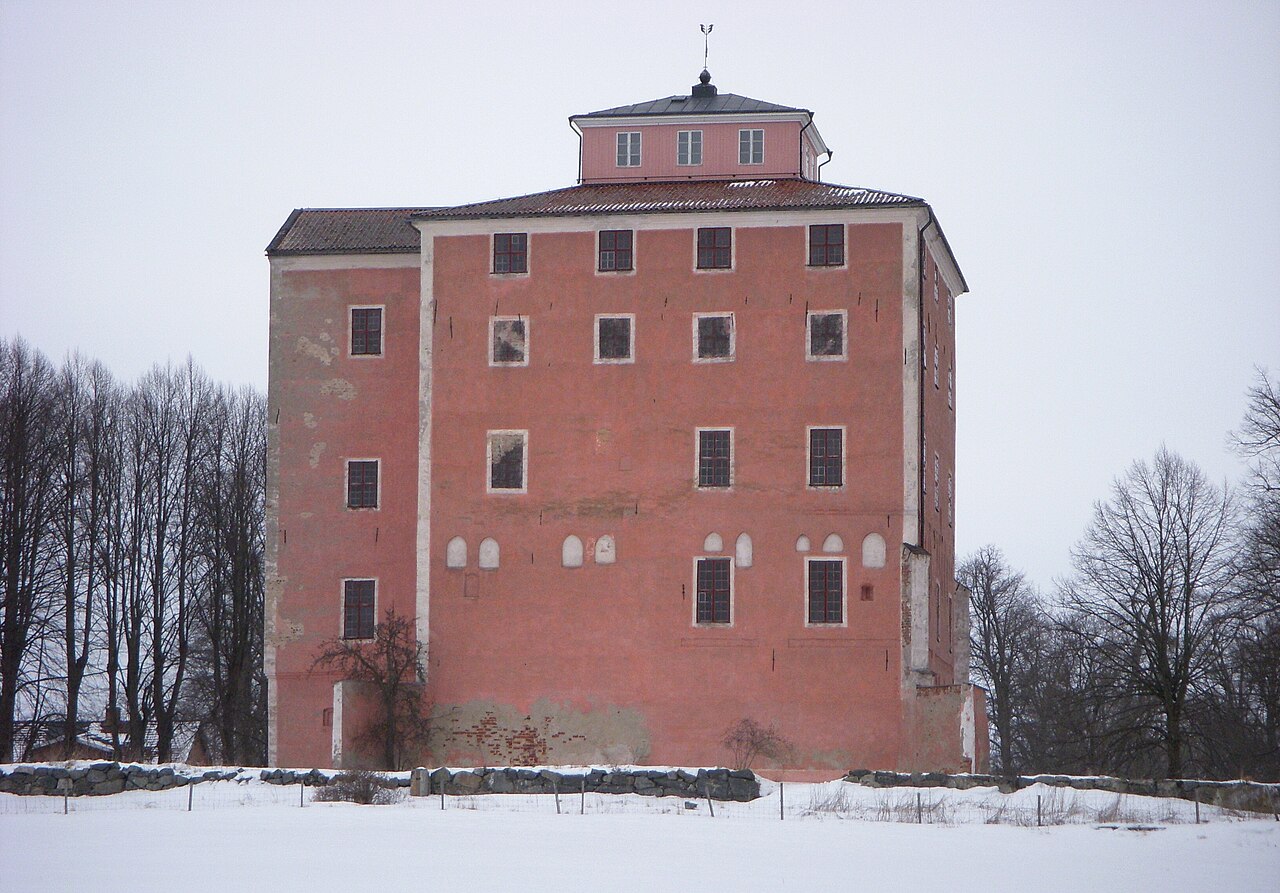
Mälsåker Castle, located near Strängnäs, Sweden, is a remarkable example of Swedish baroque architecture with origins dating back to the Middle Ages. Initially, the site likely hosted a simple stone house, which over centuries evolved into one of the grandest palatial residences during Sweden's era as a European great power in the 17th century. The castle's transformation into a baroque masterpiece was spearheaded by the renowned architect Nikodemus Tessin the Elder, who was commissioned by the influential Soop family in the 1660s and 1670s to expand and embellish the estate. This period saw the addition of substantial wings, a grand terrace with stairs descending to the adjacent lake, and richly decorated interiors, establishing Mälsåker as a symbol of aristocratic prestige.
Architectural evolution and baroque grandeur
The castle's architectural development reflects the tastes and ambitions of the Swedish nobility during the 17th century. Tessin's work introduced characteristic baroque elements such as symmetry, grand staircases, and ornate stucco work. The palace's layout included a central main building flanked by wings that created a harmonious courtyard, while the terrace offered commanding views over the lake, integrating the natural landscape with the architectural design. The interiors were lavishly decorated, with stucco ceilings and patterned wooden floors that showcased the craftsmanship of the era.
Rococo influences and later modifications
During the 18th century, Mälsåker's interiors were partially updated to reflect the rococo style, which introduced lighter, more playful decorative motifs and pastel colors, contrasting with the earlier baroque grandeur. These changes illustrate the castle's continuous adaptation to contemporary artistic trends while maintaining its historic character.
Modernization and 20th-century challenges
By the end of the 19th century, Mälsåker had been modernized with the installation of electricity, running water, and central heating, marking its transition into a more comfortable, modern residence. However, the most dramatic chapter in the castle's history occurred during the 1940s. Between 1943 and 1945, Mälsåker was owned by the State of Norway and served as a military training facility for approximately 2,000 soldiers during World War II. The palace was repurposed as offices and accommodation for officers and command staff, with temporary hutments constructed on the grounds.
The catastrophic fire of 1945
On a particularly cold day in January 1945, the simultaneous use of all fireplaces in the palace caused a chimney shaft to crack, igniting a devastating fire. The blaze destroyed the roof and the richly ornamented stucco ceilings on the third floor, leaving much of the palace in ruins. The fire marked a significant loss of cultural heritage, as many original baroque features were irreparably damaged or lost.
Restoration and cultural revival
Starting in the 1990s, efforts to restore Mälsåker Castle began in earnest. A dedicated building workshop was established to employ traditional building techniques and materials, aiming to faithfully reconstruct the palace's historic features. Restoration work included the recreation of intricate stucco ceilings and the refurbishment of the beautiful patterned wooden floors, reviving the castle's baroque splendor.
Current use and public access
Since 2007, an association has managed Mälsåker Castle, opening it to visitors during the summer months. The palace offers exhibitions that highlight its diverse history, including the Norwegian military period and the turn-of-the-century lifestyle. Additionally, the castle hosts art exhibitions featuring contemporary artists in its elegant rooms. Visitors can enjoy refreshments in a newly established café and exhibition building adjacent to the castle, which provides stunning views of the lake and surrounding landscape.
Historical significance and architectural legacy
Mälsåker Castle stands as a testament to Sweden's baroque architectural heritage and the turbulent history of the region. Its association with prominent figures like Nikodemus Tessin and the Soop family, combined with its dramatic 20th-century history, enriches its cultural narrative. The castle's restoration exemplifies the dedication to preserving historical monuments using authentic methods, ensuring that Mälsåker remains a valuable cultural and historical landmark accessible to the public.
Frequently asked questions (FAQ)
- How do I get to Mälsåker Castle?
- Mälsåker Castle is located in Strängnäs, Sweden, easily accessible by car or public transportation. If you are traveling by car, take the E20 highway and follow the signs to Strängnäs. For public transport, check local bus schedules that connect to Strängnäs railway station, followed by a short taxi ride to the castle.
- What is the historical significance of Mälsåker Castle?
- Mälsåker Castle dates back to the 17th century and reflects the rich architectural heritage of Sweden. It was constructed in the Renaissance style and has been an important site for various historical events, including royal visits. The castle symbolizes the wealth and power of Swedish nobility during its prime.
- When was Mälsåker Castle built?
- Mälsåker Castle was built in the early 1600s, with construction starting around 1620. It was designed by the architect Jean de la Vallée and completed in the mid-17th century. Its architectural style and design have remained a significant part of Sweden's cultural landscape ever since.
- Can I visit Mälsåker Castle?
- Yes, Mälsåker Castle is open to the public for guided tours during the summer months. Visitors can explore its beautiful gardens and learn about its fascinating history through informative tours. It's advisable to check the castle's website for specific visiting hours and any special events.
- Why is Mälsåker Castle a popular attraction?
- Mälsåker Castle is popular due to its stunning architecture, rich history, and picturesque location by Lake Mälaren. Visitors are drawn to its beautifully preserved interiors and the surrounding scenic landscapes, making it a perfect spot for photography and leisurely walks. The castle also hosts various cultural events and exhibitions throughout the year.
- Is it possible to host events at Mälsåker Castle?
- Yes, Mälsåker Castle offers facilities for hosting private events such as weddings, corporate meetings, and celebrations. The enchanting atmosphere and historical setting make it a unique venue for special occasions. Interested parties should contact the castle management for more information on availability and services.
- What are the opening hours for Mälsåker Castle?
- Mälsåker Castle typically opens for visitors from May to September, with varying hours depending on the day of the week. During peak season, the castle may operate from 10 AM to 5 PM. It is recommended to check the official website for the most current opening hours and any seasonal changes.
- Are there any nearby attractions to visit while at Mälsåker Castle?
- Yes, while visiting Mälsåker Castle, you can explore other nearby attractions such as Strängnäs Cathedral and the charming town of Strängnäs itself. Additionally, the scenic views of Lake Mälaren provide excellent opportunities for outdoor activities. Consider planning a full day of sightseeing to make the most of your visit.
- What are the ticket prices for visiting Mälsåker Castle?
- Ticket prices for Mälsåker Castle vary depending on the season and age of the visitor, with discounts often available for children and seniors. Typically, adult tickets range around 100 SEK, while children may enter for a reduced fee. It's best to check the castle's website for the latest pricing and any promotional offers.
Information
Website
Visit websiteSources & official resources
Verify the information above using these authoritative references.
Loading map...
Visitor reviews
No reviews yet. Been here? Write the first review and help other travelers!
Write the first reviewVisited this castle? Share your experience
Your review helps other travelers and adds first-hand knowledge to our encyclopedia.