Maison forte de Reignac
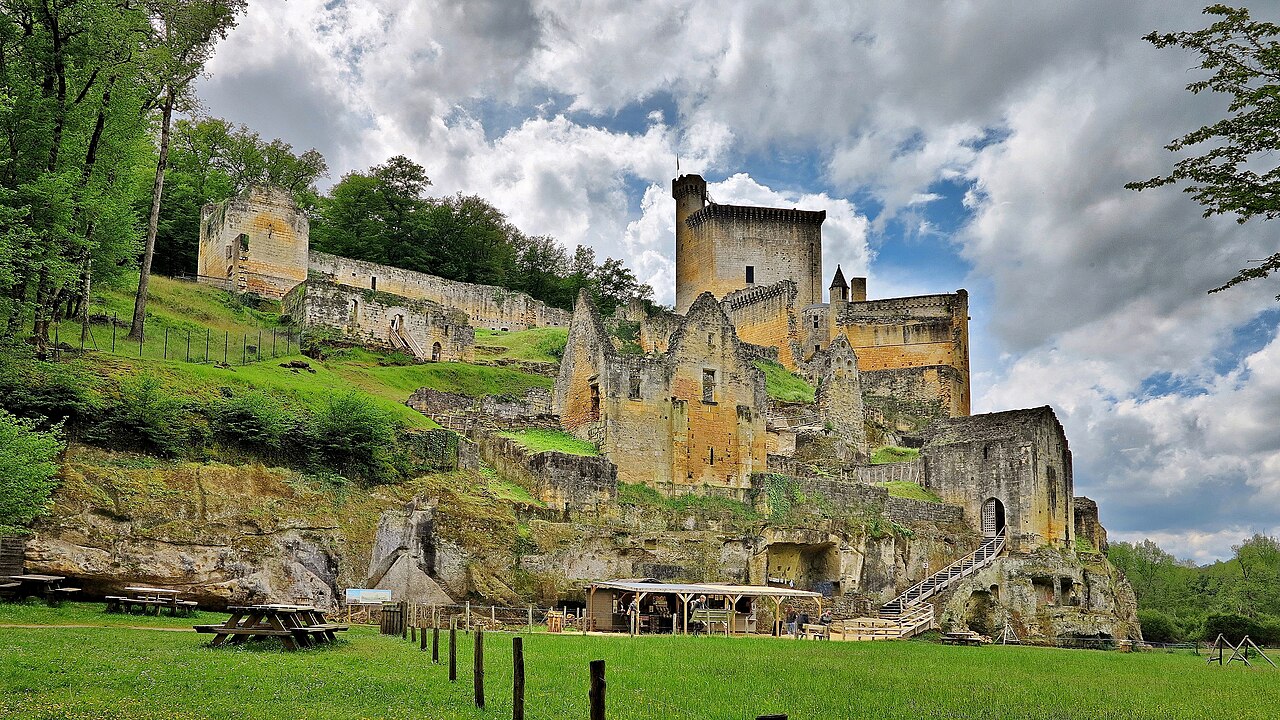
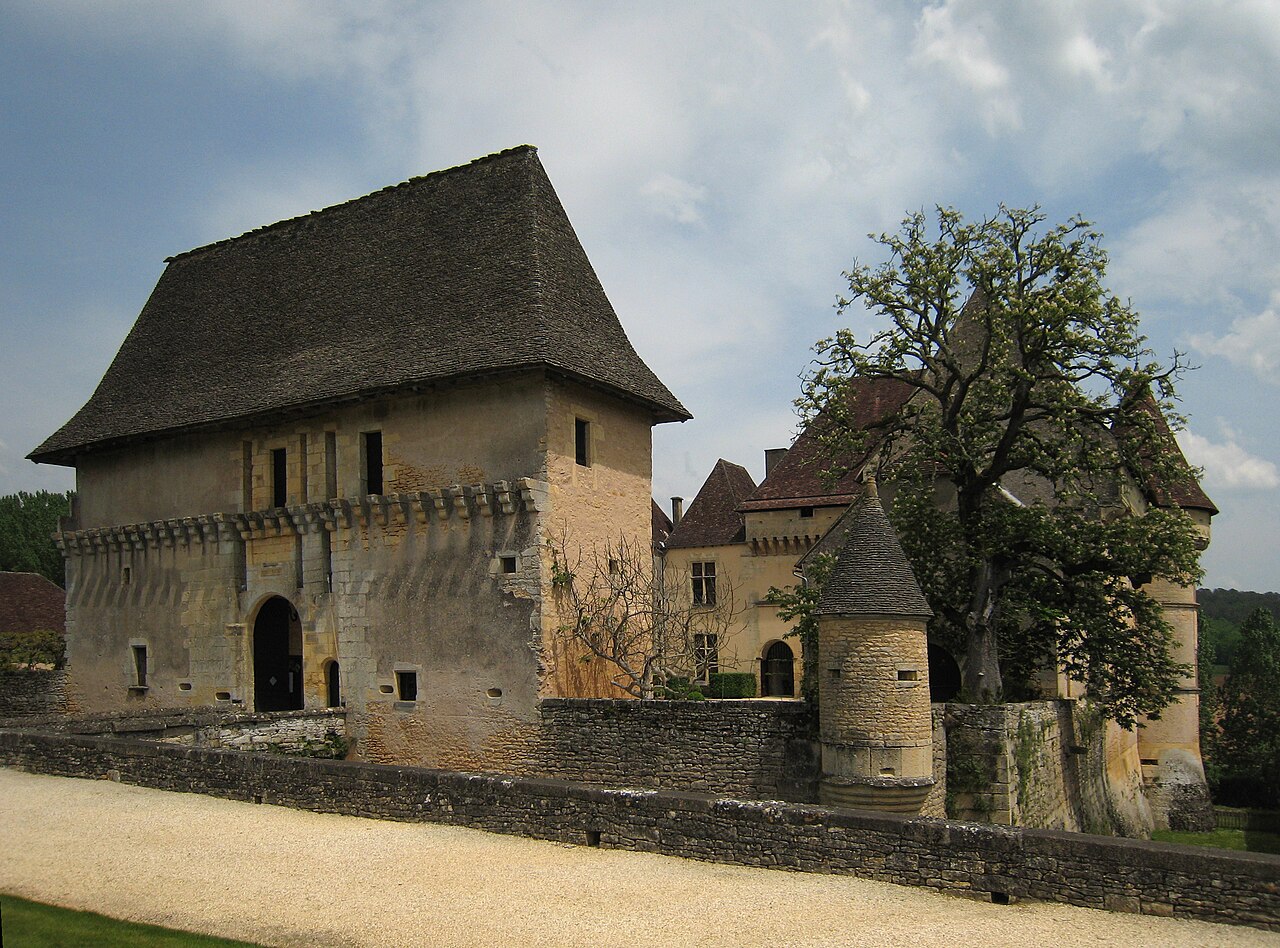
The Maison forte de Reignac stands as a remarkable example of a fortified residence uniquely integrated into a natural cliff face. Located in the commune of Tursac, near the Vézère River in southwestern France, this hill castle presents a fascinating architectural and historical narrative that spans from prehistoric times through the medieval and early modern periods. Its enduring presence offers a rare glimpse into the evolution of human habitation, defense strategies, and cultural significance tied to this distinctive site.
Prehistoric origins and early human occupation
The site of Maison forte de Reignac is notable for its deep prehistoric roots, with evidence of human activity dating back to the magdalenian period of the upper paleolithic era, approximately 17,000 to 12,000 years ago. Archaeological excavations conducted in 1952 uncovered extensive deposits of flint tools within the cliff shelters, confirming that hunter-gatherer groups utilized these natural caverns as seasonal dwellings or temporary camps. This prehistoric occupation not only highlights the strategic importance of the cliff for shelter and resource access but also establishes the site as a continuous locus of human presence long before medieval fortifications were constructed.
Medieval development and architectural features
Transitioning into the medieval period, the site evolved significantly. Around the 10th century, the cliff shelters were adapted into troglodyte dwellings, marking some of the earliest examples of human-made constructions embedded directly into the rock face. By the 14th century, the Maison forte de Reignac had been developed into a fortified château, serving as the seat of a local lord's domain. This period saw the construction of a prominent stone façade with defensive features designed to leverage the natural protection offered by the cliff.
The château's defensive architecture is notable for its adaptation to the cliff environment. The design intentionally limited access to frontal approaches, enhancing protection against assaults. Key features include twelve gunports configured to accommodate early firearms such as arquebuses and muskets, reflecting the military innovations of the 16th century. Above the entrances, a bretèche—an overhanging defensive platform—works in concert with machicolations to provide vertical defense by allowing defenders to drop projectiles or boiling substances on attackers below.
The upper caves: an impregnable refuge
One of the most striking elements of the Maison forte de Reignac is the set of upper caves towering more than 40 meters above the main structure. These natural caverns were fortified to serve as a secure refuge during attacks. Historical records emphasize that these caves were never breached, underscoring their effectiveness as a defensive stronghold. The combination of natural geography and human fortification exemplifies the ingenuity of medieval defensive architecture adapted to challenging terrain.
Historical significance and cultural legacy
Throughout its history, the Maison forte de Reignac functioned as a fortified manor house where the local lord exercised judicial authority over minor matters, while higher jurisdiction was reserved for the lord of the nearby La Roque-Saint-Christophe fortress. The château was primarily built to defend against raids by bandits and small-scale assaults rather than large military sieges, a role reflected in its architectural emphasis on controlling access and maximizing defensive advantage.
In the early 16th century, the château's inhabitants adapted their defense to the evolving nature of warfare by incorporating firearms into their arsenal and organizing a structured defense system assigning specific weapons and positions to defenders. This period was marked by regional instability, requiring constant vigilance and preparedness.
The château remained inhabited continuously until 1931, witnessing centuries of historical change. During the First World War in 1915, it notably hosted Japanese artists, including the painter Tsuguharu Foujita and his companion Kawashima. Foujita's later residence at the nearby Château de Marzac further ties the site to important cultural episodes of the early 20th century.
The local folklore surrounding the château includes tales of the medieval lord Jaquemet de Reignac, notorious for his harsh rule. His figure is immortalized in the novel Jacquou le Croquant by Eugène Le Roy, embedding the château within regional cultural memory. Additionally, reports of hauntings have contributed to the site's mystique, attracting visitors interested in both history and legend.
Architectural preservation and visitor experience
Today, the Maison forte de Reignac is recognized for its exceptional preservation as France's last intact cliff castle, or château-falaise. The integration of man-made masonry with the natural rock shelter creates a unique architectural ensemble that illustrates the adaptability of medieval fortification techniques to natural landscapes.
The main building retains its 14th-century stone façade with window openings dating from 1508. Defensive features such as gunports, bretèche, and machicolations remain visible, offering insight into the château's military function. The upper caves continue to dominate the site, providing a dramatic vertical element that emphasizes the castle's strategic location.
Recognized as a historic monument since the mid-20th century, the château's condition allows visitors to appreciate the durability and ingenuity of its construction. The site offers a compelling experience for those interested in medieval architecture, prehistoric archaeology, and regional history. Its setting on the left bank of the Vézère River, approximately 1.5 kilometers north of Tursac village, situates it within a rich cultural landscape renowned for prehistoric sites and medieval heritage.
Access and visiting information
Visitors to the Maison forte de Reignac can explore the exterior and some accessible interior spaces, gaining an understanding of the defensive layout and historical context. The site's cliffside location provides spectacular views and a tangible connection to the natural environment that shaped its development. Interpretive materials and guided tours enhance the visitor experience by explaining the site's layered history from prehistoric times through the medieval era to modern cultural significance.
Architectural and historical research significance
The Maison forte de Reignac continues to be a valuable subject for archaeological and architectural research. Its well-preserved combination of natural and constructed elements offers insights into troglodyte architecture, medieval defensive strategies, and the adaptation of fortifications to emerging military technologies such as firearms. The prehistoric artifacts found on site contribute to understanding human occupation patterns in the Vézère valley, a region famed for its rich archaeological record.
Frequently asked questions (FAQ)
- How do I get to Maison forte de Reignac?
- Maison forte de Reignac is located in the Dordogne region of France, easily accessible by car. The nearest major town is Les Eyzies-de-Tayac, which provides local signage to guide you to the castle. Public transport options are limited, so driving is recommended for convenience.
- What is the historical significance of Maison forte de Reignac?
- Maison forte de Reignac dates back to the 15th century and is a remarkable example of medieval architecture in the Dordogne region. It served as a fortress for local nobility and has a rich history linked to the area's feudal past. The castle's preservation allows visitors to gain insight into the lifestyle and defense mechanisms of the time.
- When was Maison forte de Reignac built?
- The construction of Maison forte de Reignac began in the 15th century, specifically around 1440. It was built as a defensive stronghold, showcasing the architectural styles of the late medieval period. Over the years, it has undergone various restorations to maintain its historical integrity.
- Can I take guided tours of the castle?
- Yes, guided tours are available at Maison forte de Reignac, providing visitors with in-depth knowledge of its history and architecture. These tours are led by knowledgeable guides who share fascinating stories and details about the castle's past. It is advisable to check the schedule in advance to secure a spot.
- Why is the architecture of Maison forte de Reignac unique?
- The architecture of Maison forte de Reignac is notable for its combination of defensive features and residential elements, which was typical of medieval fortresses. The castle is built into the rocky landscape, providing natural fortification, while its towers and ramparts showcase the era's military engineering. This distinctive blend makes it an interesting study for architecture enthusiasts.
- Is it possible to visit Maison forte de Reignac year-round?
- Maison forte de Reignac is generally open to visitors from April to November, with varying hours depending on the season. However, it's best to check the official website for the most accurate and updated information regarding opening times and any seasonal closures. During peak season, expect extended hours and additional tours.
- What are the ticket prices for visiting Maison forte de Reignac?
- Ticket prices for Maison forte de Reignac are typically quite reasonable, with discounts available for children, students, and seniors. Family packages may also be offered, providing a cost-effective way for groups to enjoy the castle. Always confirm the latest prices on the official website before your visit.
- What is the best time to visit Maison forte de Reignac?
- The best time to visit Maison forte de Reignac is during the spring and early autumn months, when the weather is mild and comfortable for exploring. These seasons also tend to have fewer crowds, allowing for a more relaxed experience. Summer can be busy, but it also offers full access to guided tours and events.
- Are there any nearby attractions to visit?
- Yes, there are several nearby attractions to explore while visiting Maison forte de Reignac, including the stunning Lascaux Caves and the historic town of Sarlat-la-Canéda. The Dordogne region is rich in history and natural beauty, making it an ideal location for a day trip. Be sure to plan your itinerary to make the most of your visit!
Information
Loading map...
Visitor reviews
No reviews yet. Been here? Write the first review and help other travelers!
Write the first reviewVisited this castle? Share your experience
Your review helps other travelers and adds first-hand knowledge to our encyclopedia.