Maglič — Serbia castle

Maglič

Maglič castle: medieval fortress in Serbia's Ibar river valley
Maglič, Serbia
High Medieval (11th–13th c.)
Partially Preserved

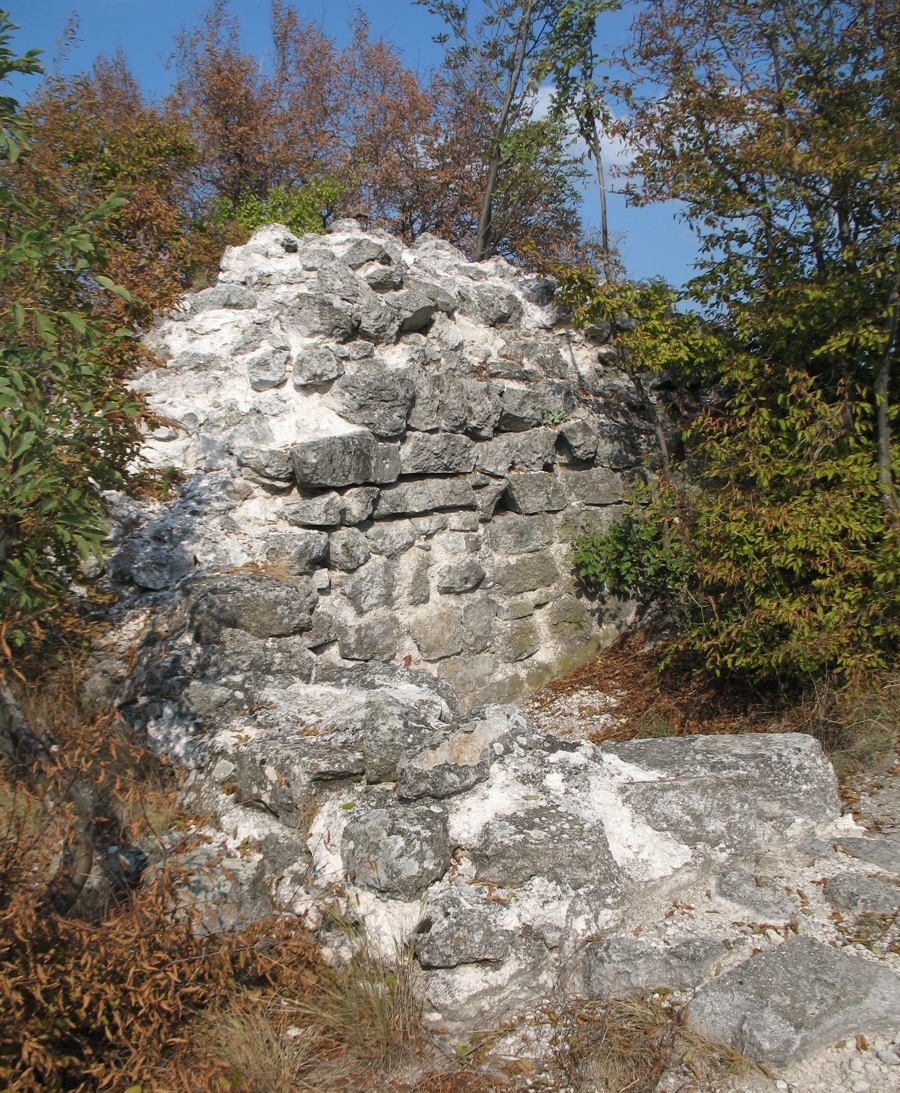
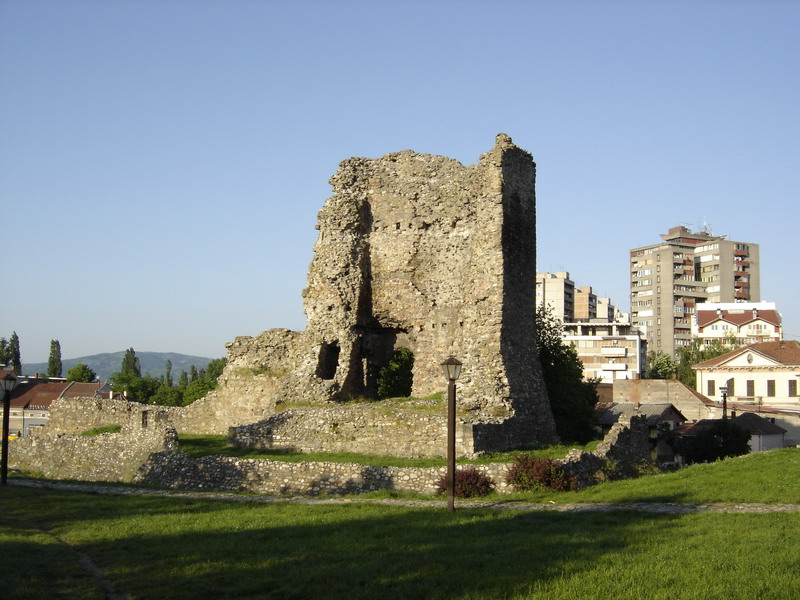
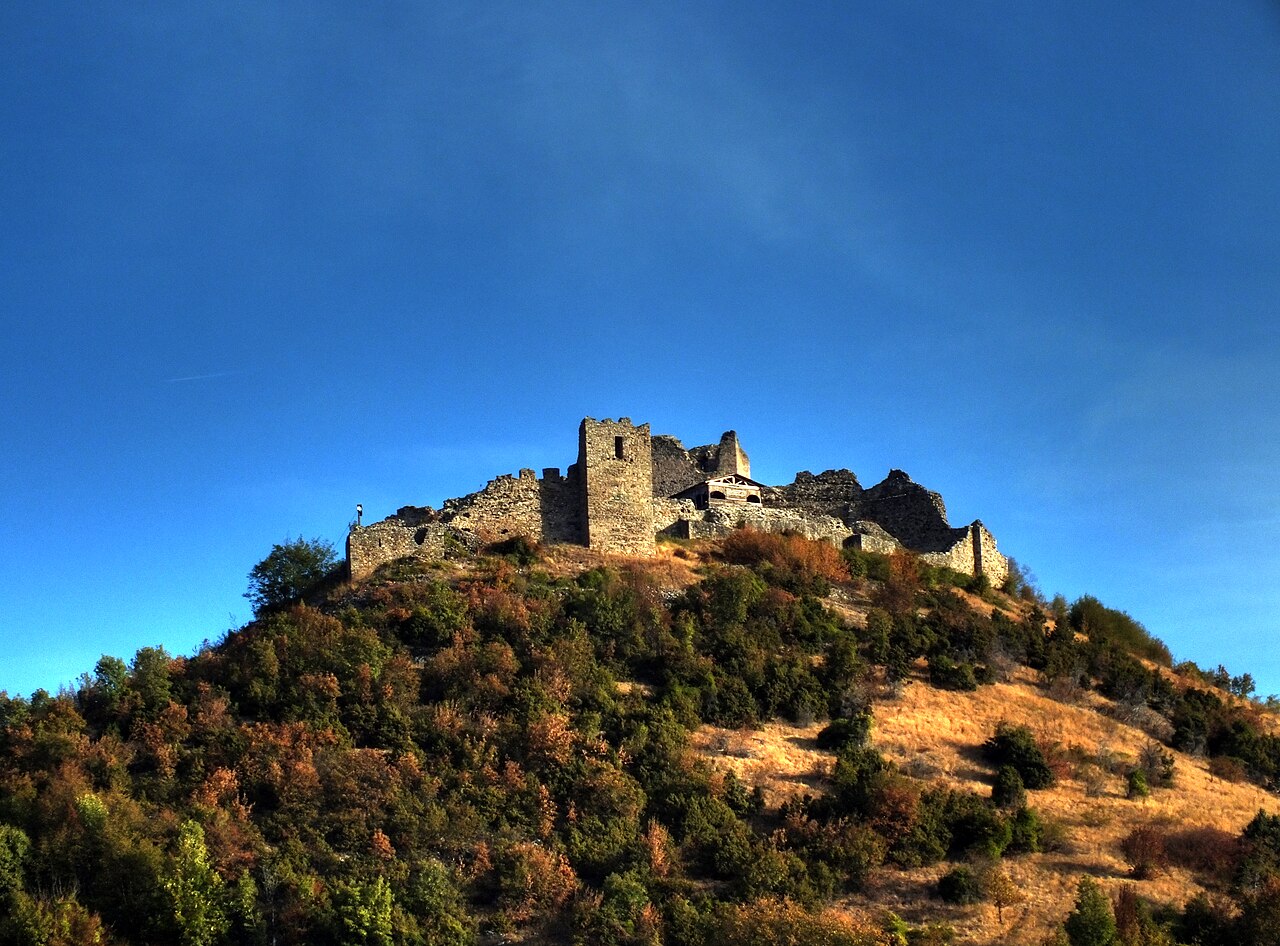
Maglič castle stands as a remarkable example of medieval fortification in Serbia, perched strategically on a hilltop overlooking the winding Ibar river near the town of Kraljevo. This 13th century fortress is enveloped in both historical significance and local legend, making it a captivating site for visitors interested in medieval architecture and Serbian history.

The name Maglič is derived from the Serbian word magla, meaning fog, a fitting title given the frequent mists that shroud the hill on which the castle sits, often rendering it a mysterious silhouette in the landscape. Its commanding position on a steep hill provided natural defense advantages, with the curving river forming a natural moat on multiple sides, enhancing its defensive capabilities.

Historical background and strategic importance

The exact date of Maglič's construction remains uncertain, but it is widely believed to have been erected during the High medieval period, likely in the early 13th century. Historical sources suggest that the castle was built under the orders of either Stefan the First-Crowned, the first King of Serbia, or his son Stefan Uroš I (Uroš the Great). The fortress was primarily intended to protect the valuable and culturally significant Sopoćani and Studenica monasteries from external threats.

At the time, the region was vulnerable to incursions, including raids by the Mongols and other hostile forces. Maglič's location was carefully chosen to serve as a defensive stronghold, controlling the approaches along the Ibar river valley and acting as a bulwark against invasions into the heartland of medieval Serbia.

Architectural features and layout

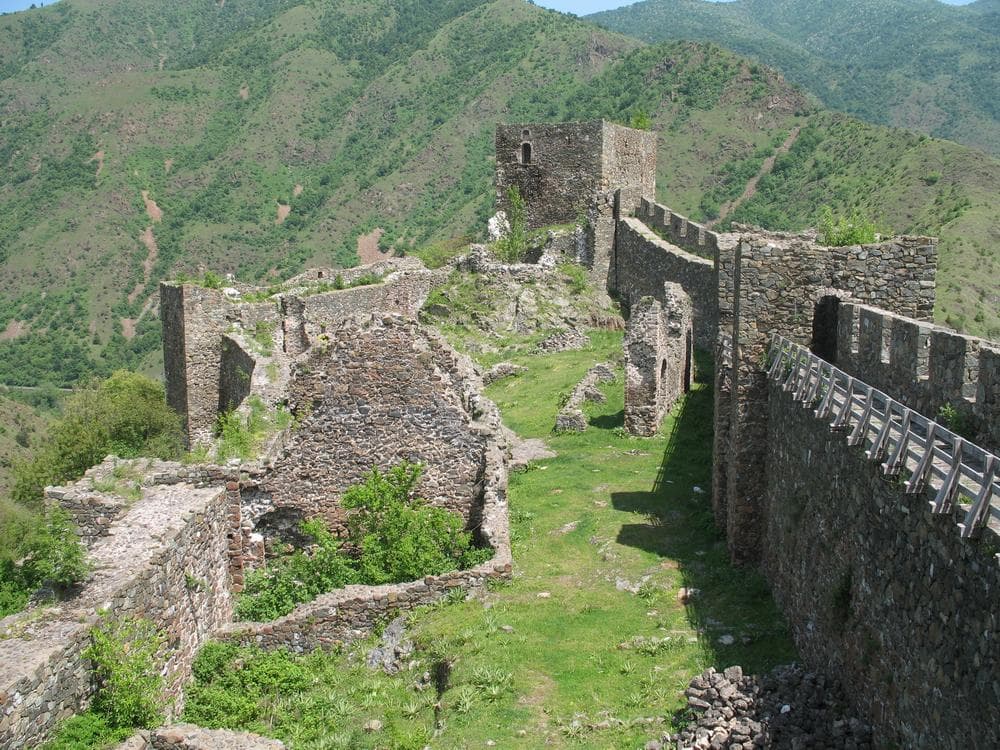
Maglič castle is classified as a hill castle, utilizing the natural terrain for defense. The fortress is roughly triangular in shape, encompassing an area of approximately 0.6 hectares. Its walls are constructed from local stone, with impressive thickness and height designed to withstand sieges.

The castle's fortifications include several towers strategically placed along the walls to provide overlapping fields of fire and observation points. The main entrance is fortified with a gatehouse and a defensive barbican, designed to delay and expose attackers. Inside the walls, the castle contained residential quarters, a keep, storerooms, and a deep well that ensured a secure water supply during sieges.

The well and local legends

One of the castle's most famous features is its deep well, located within the inner courtyard. According to local legend, the well was used by the notorious Serbian despotess Jerina, also known as "The Damned Jerina," who is said to have thrown many of her lovers into its depths. This legend has contributed to the castle's alternative name among locals, Jerina's Town.

Cultural significance and preservation

Maglič holds a significant place in Serbian cultural heritage as a symbol of medieval fortification and the turbulent history of the region. It is a protected monument and an important tourist attraction, drawing visitors interested in medieval architecture, Serbian history, and folklore.

Despite centuries of wear, the castle remains partially preserved, with substantial sections of its walls and towers still standing. Restoration efforts have focused on stabilizing the ruins and making the site accessible while preserving its authentic medieval character.

Visiting Maglič

Visitors to Maglič castle can explore the ruins, enjoy panoramic views of the Ibar river valley, and immerse themselves in the atmospheric setting that inspired centuries of legends. The castle's hilltop location offers a unique perspective on the strategic importance of medieval fortresses in controlling key river routes and protecting cultural landmarks.

Maglič in the context of Serbian medieval fortresses

Maglič is part of a network of medieval fortifications in Serbia, many of which were built to protect vital religious and cultural sites during periods of political instability and foreign invasions. Its connection to the Sopoćani and Studenica monasteries highlights the role of castles not only as military structures but also as guardians of spiritual and cultural heritage.

The castle's architecture reflects typical High medieval military design in the Balkans, combining natural topography with robust stone construction. Its enduring presence offers valuable insights into the defensive strategies and architectural innovations of medieval Serbian rulers.

Frequently asked questions (FAQ)

How do I get to Maglič castle from Kraljevo?
Maglič castle is located about 15 kilometers south of Kraljevo. Visitors can reach it by car or local taxi services, with a short hike up the hill to the fortress entrance.
What is the historical significance of Maglič castle?
Maglič castle was built in the 13th century to protect the nearby Sopoćani and Studenica monasteries and to defend against Mongol raids, making it a key military stronghold in medieval Serbia.
Can I explore the interior of Maglič castle?
Yes, visitors can explore the partially preserved ruins of Maglič castle, including the defensive walls, towers, and the inner courtyard with its famous deep well.
When is the best time to visit Maglič castle?
The best time to visit Maglič castle is during spring and autumn when the weather is mild, and the surrounding landscape is particularly scenic with fog often enhancing the castle's atmospheric setting.
Is there an entrance fee to visit Maglič castle?
Yes, there is a modest entrance fee of €3 for adults and €1.5 for children, which helps support the preservation of the site.

Photo gallery

Maglič
Click to view

Public domain

1 photo • Click any image to view in full screen

Information

Hill Castle

Opening hours

10:00-18:00, daily

Ticket prices

€3 adult, €1.5 child

Current owner

State museum

Loading map...

Visitor reviews

No reviews yet. Been here? Write the first review and help other travelers!

Write the first review

Visited this castle? Share your experience

Your review helps other travelers and adds first-hand knowledge to our encyclopedia.
Write a review

(5/5)

0/2000 characters

Your review will be visible after admin approval

Nearby castles

35.9 km
Koznik Fortress — Serbia castle

Koznik Fortress

Serbia, Serbia

Koznik fortress is a remarkable medieval hill castle located near the municipality of Aleksandrovac in Serbia, perched on a conical hill about 921 meters above sea level in the Kopaonik mountains. Constructed in the late 14th century during the reign of Prince Lazar, it stands as a testament to the Morava architectural style that flourished under his rule from 1371 to 1389. This fortress played a critical role in the defense and administration of the Serbian Despotate amid the rising threat of Ottoman expansion in the Balkans. The earliest documented mention of Koznik dates to a charter issued by Prince Lazar on August 8, 1381, which was written at Koznik and granted to the Lavra of Saint Athanasius on Mount Athos. This highlights the fortress’s importance not only as a military bastion but also as a center of governance and religious patronage. The fortress's strategic location on steep cliffs on three sides, accessible primarily from the western slope, made it a formidable defensive site. Historical significance and political role During the early 15th century, Koznik was closely linked to Radič Postupović, a high-ranking noble holding the title of veliki čelnik under Despot Stefan Lazarević (r. 1389–1427). Stefan Lazarević and his wife Milica are known to have spent time at Koznik, with several official charters issued there between 1381 and 1405, underscoring the fortress’s administrative and residential importance within the Despotate of Serbia. The fortress maintained its strategic relevance through the mid-15th century, enduring the turbulent period of Ottoman incursions. It fell to Ottoman forces in 1439 during the initial conquest of the Serbian Despotate but was briefly reclaimed by Despot Đurađ Branković in 1444 following the Treaty of Szeged. Ultimately, the Ottomans captured Koznik permanently around 1454–1455 during their campaign targeting nearby Kruševac. Despite this, Koznik continued to hold military significance into the early 16th century, with surrounding villages supplying large quantities of arrows annually to support its garrison. In 1689, during the Great Turkish War, Serbian insurgents destroyed the Ottoman garrison stationed at Koznik. Austrian military engineers later documented the fortress under the names Schloss Koznica and Cosnicher Schloss, reflecting its recognition across empires. Following the Great Serbian Migration later in the 17th century, the fortress was abandoned and gradually fell into ruin. Architectural features and fortress layout Koznik fortress covers an irregular area approximately 58 meters long and 44 meters wide, carefully adapting to the natural terrain of the conical hill. The fortress is surrounded by defensive walls reinforced by eight square towers positioned at regular intervals. Three smaller towers line the eastern wall, while the southern and western sides are guarded by three larger towers. The two largest towers are situated on the northern side: the donjon, a central stronghold approximately 9 meters on each side with walls about 2 meters thick, and the northwestern tower. The size and placement of these towers suggest they served important residential and defensive functions. Access to the fortress was controlled through at least three gates: one on the northern wall near the northeast tower, a probable second gate on the southern wall near the southeast tower, and a third entrance passing through the northwestern tower. This arrangement demonstrates a well-planned defensive system designed to monitor and restrict movement effectively. Water management and resource systems In the southern lower section of Koznik lies a cistern designed to collect and store rainwater, measuring about 5 meters in diameter. This cistern connects to four filter wells that ensured a clean water supply within the fortress. Archaeological excavations revealed that the cistern remained functional for many centuries, with clear water found inside. Such advanced rainwater harvesting techniques reflect a sophisticated understanding of resource management essential for sustaining a fortified mountain stronghold. Archaeological discoveries and cultural heritage Excavations conducted primarily between 1970 and 1973, with further work extending into 1980, uncovered foundations of two buildings near the western and eastern walls within the northern part of the fortress. Alongside these remains, fragments of decorative stone carving in the Morava style were found, suggesting the presence of a court church similar in style to the famous Lazarica Church in Kruševac. This connection highlights the fortress’s role not only as a military installation but also as a center of religious and cultural life during Prince Lazar’s reign. The discovery of red-colored mortar on the battlements of one tower further confirms Koznik’s architectural and stylistic ties to the late 14th-century Morava tradition. Below the fortress on the southern side, remains of a fortified suburb or podgrađe indicate a supporting settlement that sustained the stronghold’s population and garrison. Preservation and modern significance Today, Koznik stands partially preserved, with conservation efforts focused on clearing overgrowth and stabilizing several walls and towers, including iron reinforcement of the donjon tower. Although some structures are obscured by vegetation, the remaining walls and towers reveal the medieval craftsmanship and strategic planning that characterize this fortress. Koznik is protected by the Republic of Serbia as a cultural monument of great importance. It hosts annual events honoring Saint Pantaleon on August 9, reflecting the fortress’s ongoing cultural and historical relevance. Local folklore connects Koznik to legendary figures such as Radič Postupović, also known as Rade Oblačić or Rajko of Rasina, embedding the fortress deeply in regional tradition. Another tradition associates Despotess Irene Kantakouzene with the site, recounting stories of forced labor imposed on locals prior to the Ottoman conquest. As a site of architectural, historical, and cultural significance, Koznik fortress offers valuable insights into the medieval Serbian state’s defensive strategies, religious life, and artistic achievements during a pivotal era marked by the struggle against Ottoman expansion.

Late Medieval (14th–15th c.)
Details
39.1 km
Borač Fortress — Serbia castle

Borač Fortress

Knić, Serbia

Borač fortress, known in Serbian Cyrillic as Борач and sometimes referred to as Borač na Kršu, is a significant medieval stronghold situated in central Serbia. The fortress ruins crown a rocky hill approximately 10 kilometers northwest of the town of Knić, offering a commanding view of the surrounding landscape. Recognized as a cultural monument of great importance, Borač fortress represents a notable example of late medieval military architecture in the region. Historical context and significance The fortress dates back to the 14th century, a period marked by frequent conflicts and territorial disputes in the Balkans. This era saw the rise and fall of various Serbian medieval states and the gradual encroachment of the Ottoman Empire. Borač fortress was strategically positioned to guard important routes and serve as a defensive stronghold against invasions. Its location on a rocky hill provided natural protection and enhanced its defensive capabilities. Architectural features and design Borač fortress is classified as a bastioned fortress, a type of fortification characterized by projecting bastions that allowed defenders to cover adjacent walls with flanking fire. This design reflects the military architectural advances of the late medieval period, aimed at improving defense against increasingly sophisticated siege tactics and artillery. The fortress's layout adapts to the irregular rocky terrain, with walls following the natural contours of the hill. The remnants include sections of fortification walls, fragments of bastions, and traces of towers that once provided vantage points for surveillance and defense. The use of local stone in construction contributes to the fortress's integration with its environment. Defensive structures The bastions at Borač were designed to eliminate blind spots and protect the curtain walls from direct assault. These angular projections allowed defenders to fire upon attackers approaching the walls from multiple directions. The fortress likely featured a main gate fortified with additional defensive works such as a gatehouse or barbican, although these elements survive only in part. Interior and auxiliary buildings Within the fortress walls, there would have been various buildings serving military and administrative functions, including barracks, storage facilities, and possibly a chapel. While little remains of these structures today, archaeological studies suggest the presence of a small settlement or garrison that supported the fortress's operations. Preservation and current condition Today, Borač fortress stands in a state of ruins, with only partial walls and bastion remnants visible. The site is protected as a cultural monument of great importance by Serbian heritage authorities, reflecting its historical and architectural value. Efforts to preserve and study the fortress continue, aiming to safeguard its remains for future generations and enhance public understanding of Serbia's medieval past. Visiting Borač fortress The fortress's location on a rocky hill makes it accessible for visitors interested in medieval architecture and history. While the site lacks extensive tourist infrastructure, it offers a compelling glimpse into Serbia's defensive heritage and panoramic views of the surrounding countryside. Visitors are advised to wear appropriate footwear and prepare for a hike to reach the fortress ruins. Nearby attractions In addition to Borač fortress, the nearby town of Knić and the wider Šumadija region provide cultural and natural attractions, including traditional Serbian villages, hiking trails, and historical sites. These complement a visit to Borač, offering a broader context of the area's medieval and rural heritage.

Late Medieval (14th–15th c.)
Details
62.1 km
Kruševac Fortress — Serbia castle

Kruševac Fortress

Kruševac, Serbia

Kruševac Fortress stands as a significant monument of medieval Serbian history and architecture, located in the municipality of Kruševac, Serbia. Constructed prominently in the late 14th century, this fortress was closely associated with Prince Lazar Hrebeljanović, one of the most notable rulers of medieval Serbia. First mentioned in 1381, Kruševac Fortress served as the capital of the realm known as Moravian Serbia, reflecting Prince Lazar's efforts to establish a strong political and military center. During Prince Lazar's reign, Kruševac was not merely a military bastion but also the seat of his court and government. The fortress included the church of Lazarica, dedicated to St. Stephen, which functioned as the court church and a spiritual hub for the ruler and his domain. A charter from 1387 refers to Kruševac as the "famous city of my dominion", underscoring its political and cultural importance under Lazar's leadership. Architectural features and construction The fortress was strategically built on a hill, granting it a commanding view of the surrounding landscape, a typical characteristic of a hill castle. Its construction utilized a distinctive combination of building materials, including stone and pebbles, which contributed to its unique appearance. This varied use of materials later inspired the Ottoman name Aladža Hisar, meaning "Colorful City." Among the surviving architectural elements, the Donjon Tower is particularly notable. It served as the fortress's main entrance and included a hallway with a staircase leading to upper floors and connecting to the defensive walls encircling the city. The tower's construction technique, especially the use of pebbles, is uncommon in the region and highlights the fortress's architectural distinctiveness. The fortress's defensive system included robust walls, though only a portion of the eastern defensive wall remains today. These walls once enclosed the city and protected it from military incursions. Unfortunately, much of the original fortifications were dismantled in the 20th century to provide building materials for local construction, resulting in significant loss of the fortress's fabric. Historical significance and events Kruševac Fortress played a central role during a turbulent period in Serbian and Balkan history. After the Battle of Kosovo in 1389, the fortress experienced multiple changes in control. It was briefly captured by Ottoman forces but was soon reclaimed by the Serbs. Prince Lazar's son, Stefan Lazarević, governed from Kruševac until 1405, maintaining its strategic importance even after relocating the capital to Belgrade. The 15th century saw Kruševac subjected to successive occupations by various powers. The Ottomans occupied it twice, in 1413 and 1427, while Hungarian forces took control in 1437. The fortress was restored to the Serbian despot Đurađ Branković in 1444, but the Ottoman conquest was finalized in 1454, ending Serbian rule over Kruševac. Under Ottoman administration, the fortress was renamed Aladža Hisar, reflecting its colorful appearance due to diverse construction materials. The Ottomans repurposed parts of the fortress, notably desecrating the Lazarica church by converting it into a gunpowder magazine. Throughout the 18th and early 19th centuries, control of the fortress shifted among Ottoman, Austrian, and Serbian insurgent forces, mirroring the region's ongoing conflicts. The Ottoman garrison finally withdrew in 1833, concluding centuries of Ottoman presence. Preservation and current state Today, Kruševac Fortress survives largely in fragmentary form, with only a few structures illustrating its former grandeur. The best-preserved part of the complex is the palace church of St. Stephen (Lazarica), which retains its original religious function and stands as a symbol of Prince Lazar's court. This church contrasts with other parts of the fortress that have suffered from neglect and adaptive reuse. The Donjon Tower remains a key architectural feature, showcasing the fortress's unique construction style. However, much of the defensive walls have been lost, and many surviving ruins remain unmarked and vulnerable to damage. The fortress grounds have been transformed into a park and include a museum, but outside the immediate vicinity of the church, maintenance and protection are limited. Recognizing its cultural and historical importance, Kruševac Fortress was declared a Monument of Culture of Exceptional Importance in 1979 and is protected by the Republic of Serbia. The site continues to offer valuable insights into medieval Serbian architecture, military history, and the legacy of Prince Lazar's reign. Architectural style and influences The fortress embodies characteristics typical of medieval Serbian fortifications from the late medieval period. Its construction reflects a blend of practical military architecture and symbolic elements associated with the Serbian medieval court. The use of pebbles and the mixed materials technique not only enhanced defensive capabilities but also contributed to its distinctive aesthetic, which was notable enough to influence its Ottoman name. The church of Lazarica is an important example of Serbian medieval ecclesiastical architecture, combining elements of the Morava architectural school with Byzantine influences. Its preservation offers a rare glimpse into the religious and cultural life of the Serbian medieval elite. Visiting Kruševac Fortress today Visitors to Kruševac Fortress can explore the park area and view the remains of the defensive walls, the Donjon Tower, and the Lazarica church. The on-site museum provides historical context and exhibits related to the fortress's past. While some parts of the fortress require better preservation efforts, the site remains a significant cultural landmark and a testament to Serbia's medieval heritage. The fortress's location on a hill offers scenic views of the surrounding landscape, enhancing the visitor experience. Guided tours and informational signage help illuminate the complex history and architectural features of the site. Kruševac Fortress is a must-visit for those interested in medieval history, Serbian culture, and castle architecture.

Late Medieval (14th–15th c.)
Details