Koznik Fortress
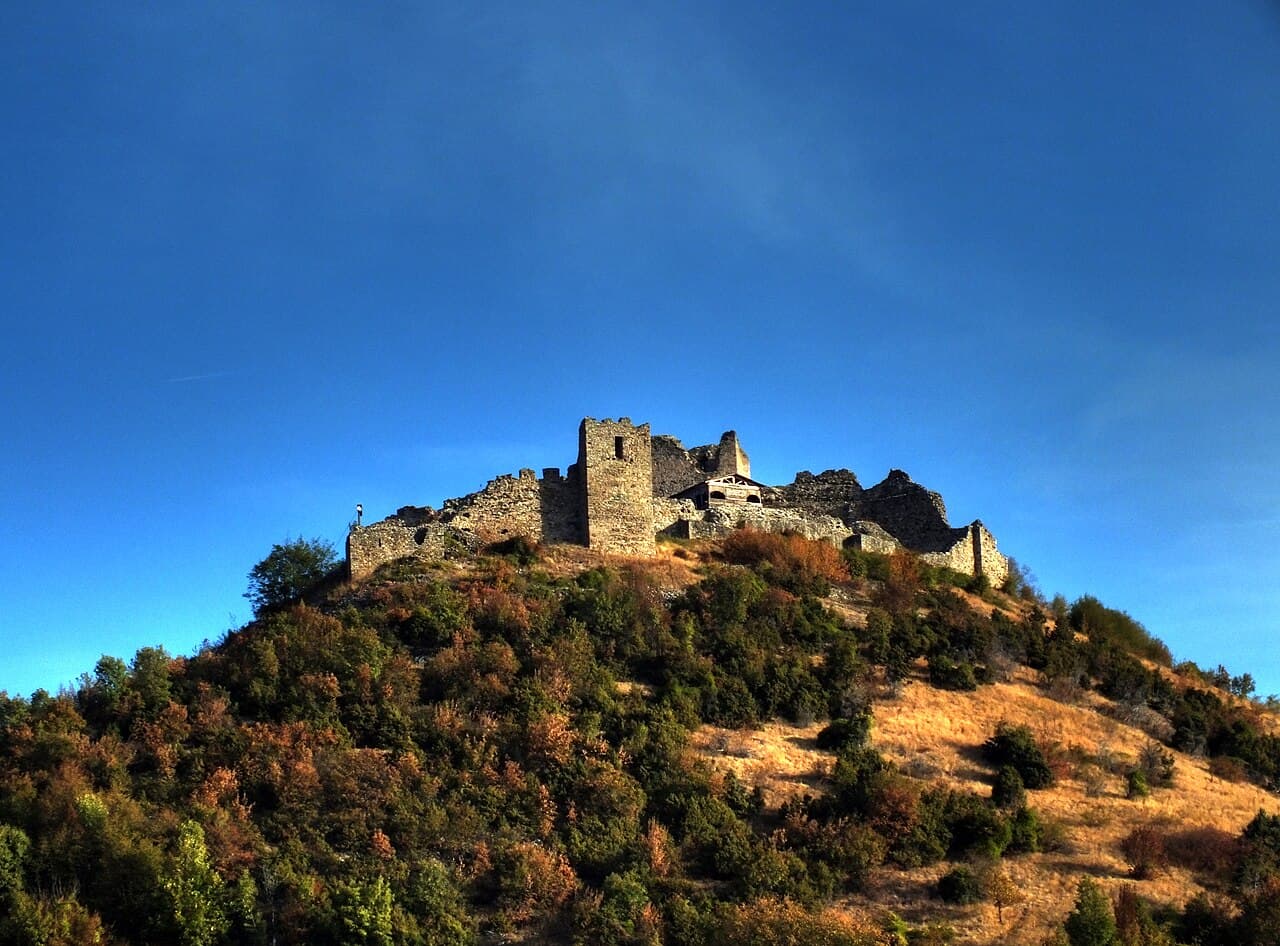
Koznik fortress is a remarkable medieval hill castle located near the municipality of Aleksandrovac in Serbia, perched on a conical hill about 921 meters above sea level in the Kopaonik mountains. Constructed in the late 14th century during the reign of Prince Lazar, it stands as a testament to the Morava architectural style that flourished under his rule from 1371 to 1389. This fortress played a critical role in the defense and administration of the Serbian Despotate amid the rising threat of Ottoman expansion in the Balkans.
The earliest documented mention of Koznik dates to a charter issued by Prince Lazar on August 8, 1381, which was written at Koznik and granted to the Lavra of Saint Athanasius on Mount Athos. This highlights the fortress’s importance not only as a military bastion but also as a center of governance and religious patronage. The fortress's strategic location on steep cliffs on three sides, accessible primarily from the western slope, made it a formidable defensive site.
Historical significance and political role
During the early 15th century, Koznik was closely linked to Radič Postupović, a high-ranking noble holding the title of veliki čelnik under Despot Stefan Lazarević (r. 1389–1427). Stefan Lazarević and his wife Milica are known to have spent time at Koznik, with several official charters issued there between 1381 and 1405, underscoring the fortress’s administrative and residential importance within the Despotate of Serbia.
The fortress maintained its strategic relevance through the mid-15th century, enduring the turbulent period of Ottoman incursions. It fell to Ottoman forces in 1439 during the initial conquest of the Serbian Despotate but was briefly reclaimed by Despot Đurađ Branković in 1444 following the Treaty of Szeged. Ultimately, the Ottomans captured Koznik permanently around 1454–1455 during their campaign targeting nearby Kruševac. Despite this, Koznik continued to hold military significance into the early 16th century, with surrounding villages supplying large quantities of arrows annually to support its garrison.
In 1689, during the Great Turkish War, Serbian insurgents destroyed the Ottoman garrison stationed at Koznik. Austrian military engineers later documented the fortress under the names Schloss Koznica and Cosnicher Schloss, reflecting its recognition across empires. Following the Great Serbian Migration later in the 17th century, the fortress was abandoned and gradually fell into ruin.
Architectural features and fortress layout
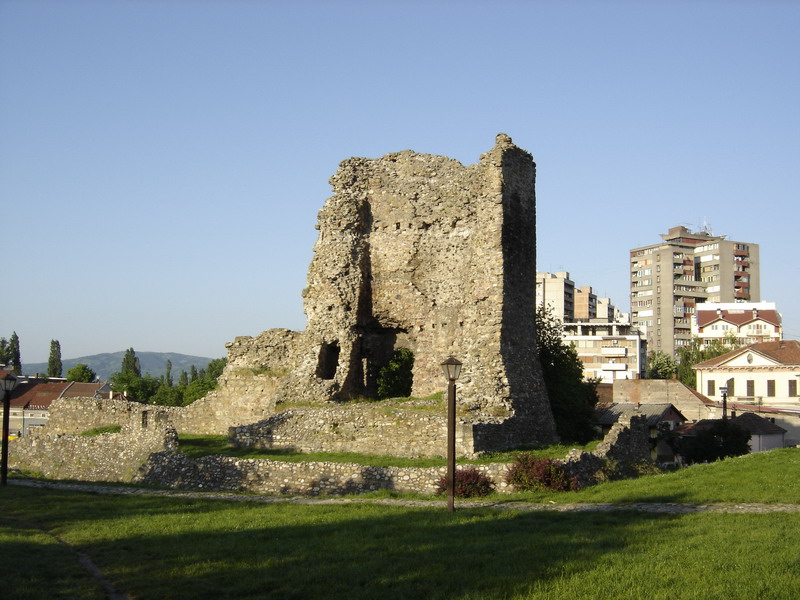
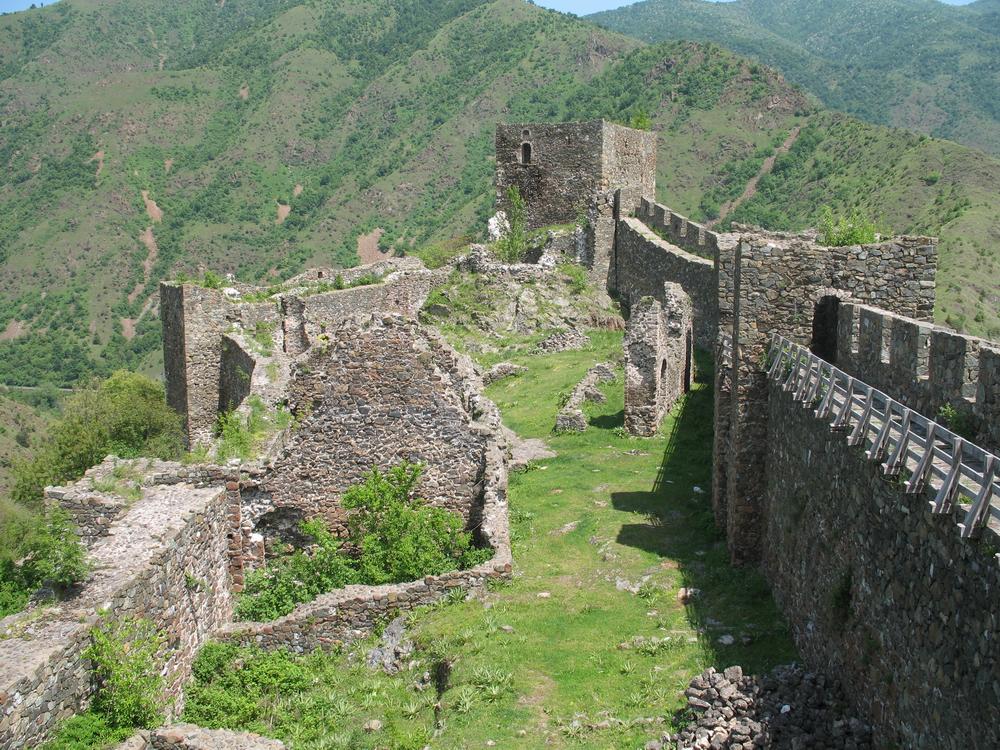
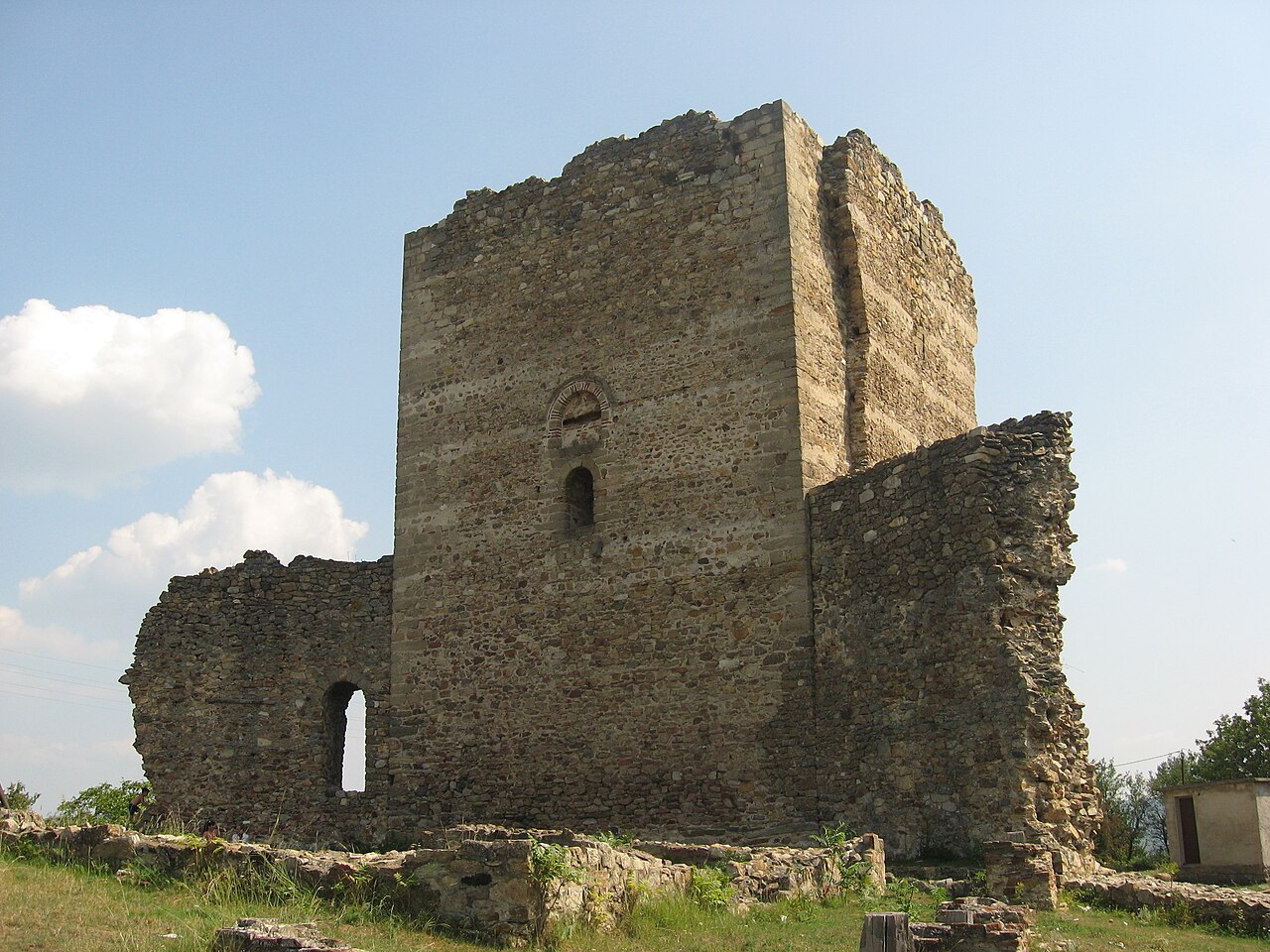
Koznik fortress covers an irregular area approximately 58 meters long and 44 meters wide, carefully adapting to the natural terrain of the conical hill. The fortress is surrounded by defensive walls reinforced by eight square towers positioned at regular intervals. Three smaller towers line the eastern wall, while the southern and western sides are guarded by three larger towers. The two largest towers are situated on the northern side: the donjon, a central stronghold approximately 9 meters on each side with walls about 2 meters thick, and the northwestern tower. The size and placement of these towers suggest they served important residential and defensive functions.
Access to the fortress was controlled through at least three gates: one on the northern wall near the northeast tower, a probable second gate on the southern wall near the southeast tower, and a third entrance passing through the northwestern tower. This arrangement demonstrates a well-planned defensive system designed to monitor and restrict movement effectively.
Water management and resource systems
In the southern lower section of Koznik lies a cistern designed to collect and store rainwater, measuring about 5 meters in diameter. This cistern connects to four filter wells that ensured a clean water supply within the fortress. Archaeological excavations revealed that the cistern remained functional for many centuries, with clear water found inside. Such advanced rainwater harvesting techniques reflect a sophisticated understanding of resource management essential for sustaining a fortified mountain stronghold.
Archaeological discoveries and cultural heritage
Excavations conducted primarily between 1970 and 1973, with further work extending into 1980, uncovered foundations of two buildings near the western and eastern walls within the northern part of the fortress. Alongside these remains, fragments of decorative stone carving in the Morava style were found, suggesting the presence of a court church similar in style to the famous Lazarica Church in Kruševac. This connection highlights the fortress’s role not only as a military installation but also as a center of religious and cultural life during Prince Lazar’s reign.
The discovery of red-colored mortar on the battlements of one tower further confirms Koznik’s architectural and stylistic ties to the late 14th-century Morava tradition. Below the fortress on the southern side, remains of a fortified suburb or podgrađe indicate a supporting settlement that sustained the stronghold’s population and garrison.
Preservation and modern significance
Today, Koznik stands partially preserved, with conservation efforts focused on clearing overgrowth and stabilizing several walls and towers, including iron reinforcement of the donjon tower. Although some structures are obscured by vegetation, the remaining walls and towers reveal the medieval craftsmanship and strategic planning that characterize this fortress.
Koznik is protected by the Republic of Serbia as a cultural monument of great importance. It hosts annual events honoring Saint Pantaleon on August 9, reflecting the fortress’s ongoing cultural and historical relevance. Local folklore connects Koznik to legendary figures such as Radič Postupović, also known as Rade Oblačić or Rajko of Rasina, embedding the fortress deeply in regional tradition. Another tradition associates Despotess Irene Kantakouzene with the site, recounting stories of forced labor imposed on locals prior to the Ottoman conquest.
As a site of architectural, historical, and cultural significance, Koznik fortress offers valuable insights into the medieval Serbian state’s defensive strategies, religious life, and artistic achievements during a pivotal era marked by the struggle against Ottoman expansion.
Frequently asked questions (FAQ)
- What is the historical significance of Koznik Fortress?
- Koznik Fortress, located in Serbia, dates back to the 14th century and played a crucial role in the defense of the region against various invaders. It is a symbol of the medieval history of Serbia and offers insights into the architectural styles and military strategies of the time.
- When is the best time to visit Koznik Fortress?
- The best time to visit Koznik Fortress is during the spring and autumn months, from April to June and September to October. During these times, the weather is mild, making it ideal for exploring the fortress and enjoying the beautiful surrounding landscapes.
- Can I access Koznik Fortress by public transport?
- Yes, it is possible to access Koznik Fortress using public transport. Visitors can take a bus to the nearest town and then enjoy a scenic hike or local taxi services to reach the fortress.
- What are the opening hours of Koznik Fortress?
- Koznik Fortress is generally open to visitors every day from 9 AM to 6 PM, but it's advisable to check for seasonal variations or special events. Guided tours may also have specific times, so plan your visit accordingly.
- Is there an entrance fee to visit Koznik Fortress?
- Yes, there is a small entrance fee to visit Koznik Fortress, which helps maintain the site. Ticket prices are modest, making it an affordable outing for history enthusiasts and tourists alike.
- What architectural features can I expect to see at Koznik Fortress?
- Koznik Fortress showcases impressive medieval architecture, including thick stone walls, towers, and a well-preserved gatehouse. Visitors can explore the remains of various structures that reflect the defensive capabilities and historical significance of the fortress.
- Are there any nearby attractions to visit along with Koznik Fortress?
- Yes, there are several nearby attractions that visitors can explore, such as the picturesque town of Paraćin and the scenic Morava River. These sites complement the historical experience of visiting Koznik Fortress and offer opportunities for outdoor activities.
- Is Koznik Fortress accessible for individuals with mobility challenges?
- Koznik Fortress has some challenging terrain due to its historical structure and location on a hillside. While there are paths leading to the fortress, visitors with mobility challenges may want to verify accessibility options in advance.
Photo gallery

Information
Loading map...
Visitor reviews
No reviews yet. Been here? Write the first review and help other travelers!
Write the first reviewVisited this castle? Share your experience
Your review helps other travelers and adds first-hand knowledge to our encyclopedia.